Whether a Papillon Barks When Left
It’s a truly frustrating and often disheartening experience to leave your beloved Papillon at home, only to return or hear from neighbors that they’ve spent their alone time barking their little hearts out. You want them to be comfortable, happy, and quiet when you’re not there, not stressed or bothering others. This guide is here to unravel why your Papillon might be barking when left alone and, more importantly, what you can do to foster a sense of peace for them – and for your neighbors.
Understanding Papillon Vocalizations and Separation Sensitivity
Papillons, with their bright, intelligent eyes and ever-alert ears, are often described as big dogs in small bodies. While their size might be toy, their personalities and vocal capabilities are anything but shy! Understanding their natural tendencies is the first step in addressing unwanted barking.
Why Papillons are Prone to Being Vocal
Papillons were bred for centuries as companion animals, meant to be close to their human counterparts, often residing in the laps of nobility. This deep-seated need for companionship means they are highly attuned to their environment and their people. They are incredibly observant, intelligent, and often very sensitive dogs. When left alone, this sensitivity can manifest as vocalizations. They might bark at a leaf blowing past the window, a distant siren, or simply because they've noticed your absence. It's not always out of malice or naughtiness; it's often a genuine response to their environment or their feelings. They are, after all, excellent communicators, and barking is a primary way they express themselves. Sometimes, it feels like they’re trying to tell you a whole story about their day, or simply, "Hey, where did you go?!"
The Spectrum of Alone Time Reactions
It’s easy to lump all alone-time barking into one category, but a Papillon’s vocalizations can stem from a range of emotions and situations. On one end of the spectrum, you might have a Papillon who lets out a few "woofs" when the mailman walks by, then settles down. This is typical alert barking, showing they’re doing their job as a tiny watchdog. On the other end, you could have a dog who engages in incessant, distressed barking, whining, and even howling from the moment you leave until you return. This is often a sign of true separation anxiety. Most Papillons will fall somewhere in between, perhaps starting with a bit of fussing that escalates if their needs aren't met or if they feel genuinely worried. It's crucial to observe your dog's specific patterns. Do they only bark when a car door slams, or do they start the moment the key turns in the lock? Do they destroy things, or have accidents when left alone? These details paint a clearer picture of their state of mind. How a Papillon Copes Alone delves deeper into their ability to handle solitude.
Identifying the Root Cause of Solo Barking
To effectively tackle your Papillon's barking habit, you first need to play detective and figure out why they are doing it. It’s rarely just "because they can"; there’s almost always an underlying reason.
Boredom and Lack of Stimulation
Papillons are smart – incredibly smart. The Papillon Is the Smartest Toy Breed There Is isn't an exaggeration. Their quick minds need stimulation. If your Papillon is left alone for hours with nothing to do, no engaging toys, no interesting smells, and no mental puzzles, they can quickly become bored. Boredom, for a Papillon, often leads to creative, sometimes destructive, and definitely vocal outlets. They might bark at shadows, at nothing in particular, or simply to entertain themselves because there's no other mental exercise available. Imagine being locked in a room with nothing to read, no TV, no phone – you'd probably start talking to yourself or shouting out the window too! A well-exercised body and a well-stimulated mind are key to a quieter dog. If their daily routine lacks sufficient walks, playtime, or interactive games, they have a whole reserve of energy and brainpower they need to expend.
Anxiety and Fear of Being Alone
This is often the most challenging reason for barking when left alone, as it stems from genuine distress. Separation anxiety isn't just about making noise; it's a panic attack for your dog. A Papillon suffering from separation anxiety might exhibit a range of behaviors including persistent barking or howling, destructive chewing (especially around exit points like doors and windows), inappropriate urination or defecation, pacing, drooling, and even self-harm. The barking isn't a demand for attention; it's an expression of intense fear and panic at being separated from their primary attachment figure. This isn't something they can simply "get over"; it requires a dedicated, patient approach to build their confidence and change their emotional response to being alone. It's heartbreaking to witness, and even harder to address without understanding the depth of their fear. Signs a Papillon Has Separation Anxiety can help you recognize if this is the core issue.
Environmental Triggers
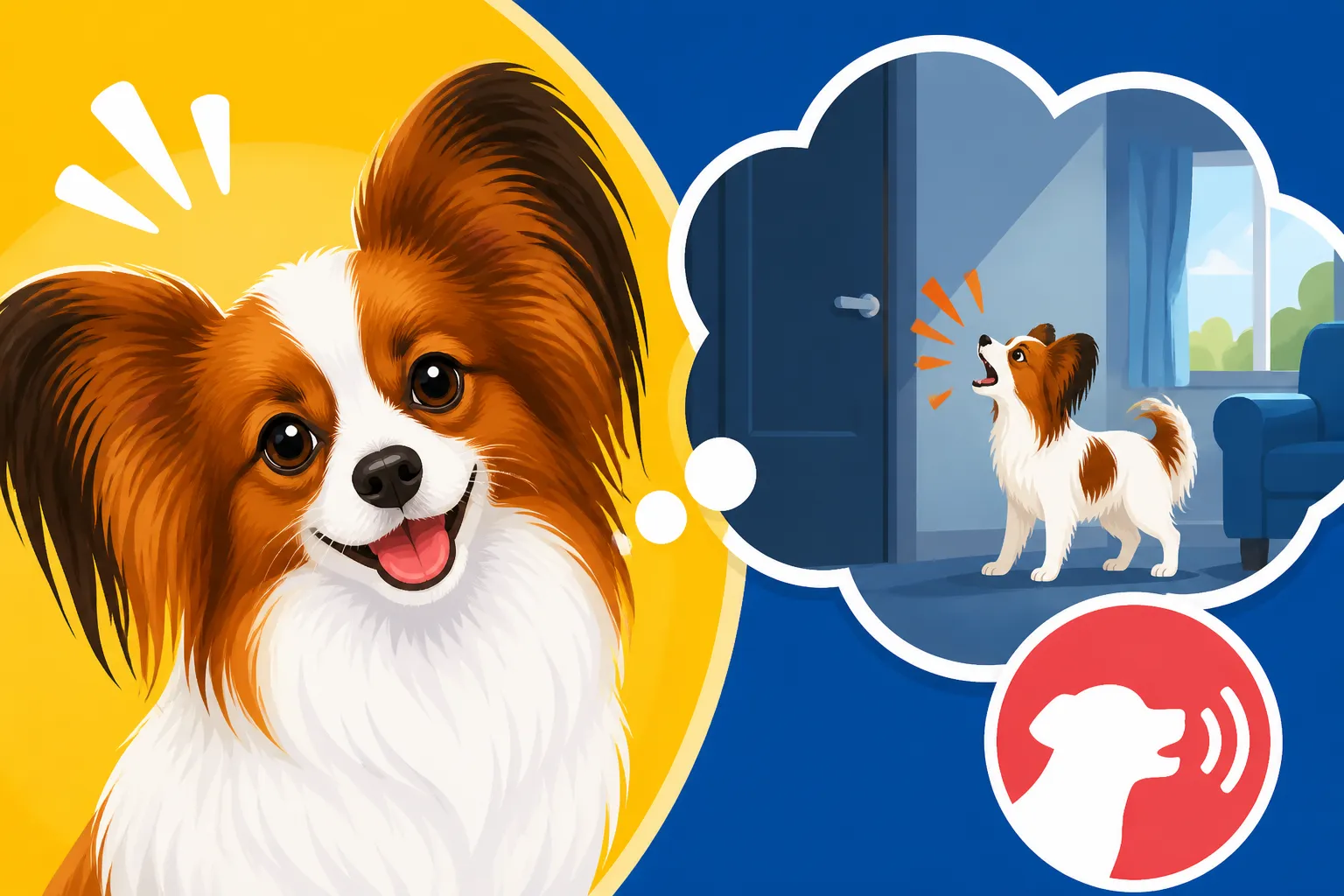
Sometimes, the barking isn't really about you leaving at all, but about what happens after you leave. Papillons are alert little watchdogs, and their excellent hearing and keen eyesight mean they pick up on everything. A delivery truck rumbling by, a neighbor mowing their lawn, children playing loudly outside, or even a squirrel scampering across the roof can trigger an immediate "alert!" bark. If your Papillon is left in a room with a direct view of a busy street or is easily startled by outside noises, they might spend a good portion of their alone time reacting to these stimuli. This type of barking is less about distress and more about their inherent nature to alert you (even if you're not there) to perceived intrusions or interesting occurrences. This is where managing their environment can make a significant difference.
Strategies to Minimize Barking When Your Papillon Is Left Alone
Once you have a better idea of why your Papillon is barking, you can start implementing targeted strategies. Remember, consistency and patience are your best friends here.
Building Independence Gradually
This is fundamental, especially if your Papillon struggles with any level of separation distress. The goal is to teach them that your departures are not a big deal and that you always come back.
- Practice short departures: Start by leaving for just a minute or two. Step outside, close the door, and then immediately come back in before they have a chance to get truly upset. Don't make a big fuss when you leave or return. The idea is to make your absence and return completely mundane.
- Increase duration slowly: Once they are comfortable with a minute, extend it to five, then ten, then twenty. Only increase the time if they remained calm during the previous, shorter absence. If they barked, shorten the next practice session.
- Vary your routine: Don't always leave through the same door or at the same time. Pick up your keys, put on your coat, and then sit back down for a while. This desensitizes them to your "departure cues" and helps break the association that these actions always mean you're leaving for a long time.
- Use a safe space: Many Papillons thrive with crate training, as it gives them a den-like sense of security. Ensure the crate is a positive place, never used for punishment. Make it comfortable with soft bedding and leave the door open when you're home so they can choose to go in. Crating a Papillon Overnight has more on this.
Enriching Their Alone Time Environment
A bored Papillon is a noisy Papillon. Providing stimulating activities can redirect their energy and focus away from barking.
- Interactive toys: These are game-changers. Think puzzle toys that dispense treats, KONGs stuffed with peanut butter or wet food and frozen, or treat-dispensing balls. These can keep a Papillon engaged for a good chunk of time. You can find a huge variety of these types of toys on platforms like Amazon, offering different difficulty levels to keep your smart pup challenged.
- Chew items: Safe, durable chew toys can provide comfort and mental exercise. Always choose items appropriate for your Papillon's size and chewing habits to prevent choking hazards.
- Background noise: A radio tuned to a talk station, a white noise machine, or even a dog-specific calming music playlist can help mask external noises that might trigger barking and create a soothing atmosphere.
- Rotate toys: Keep a selection of toys and rotate them. This keeps things fresh and exciting, making each "new" toy more interesting than if they had access to all of them all the time.
Addressing Separation Anxiety More Deeply
If you suspect true separation anxiety, the above steps are good starting points, but you'll likely need a more comprehensive approach, perhaps even professional help.
- Consult a professional: A certified professional dog trainer or a veterinary behaviorist can provide invaluable guidance. They can help you devise a specific desensitization and counter-conditioning plan tailored to your Papillon's individual needs. These experts often use positive reinforcement techniques to slowly change your dog's emotional response to being alone.
- Counter-conditioning: This involves associating your departure with something wonderful. For instance, right before you leave, give your Papillon a high-value, long-lasting treat (like that frozen KONG). This helps them associate your departure with a positive experience rather than panic.
- Structured training programs: Online platforms or in-person classes can offer structured guidance for separation anxiety. Programs often walk you through systematic steps, helping you understand canine body language and effective intervention techniques. Educational resources from reputable sources, like those offered by BAXTER & Bella, can provide structured online courses and support that can be particularly helpful for owners dealing with separation-related issues. They often emphasize positive reinforcement and building a strong foundation of trust.
- Medication (in severe cases): For some dogs with severe anxiety, a veterinarian might prescribe anti-anxiety medication in conjunction with behavior modification. This isn't a standalone solution but can help manage the intense panic enough for the behavior modification techniques to be effective.
Managing External Stimuli
Minimizing triggers from the outside world can greatly reduce alert barking.
- Block the view: If your Papillon barks at things outside, simply block their view. Close blinds or curtains, or use window film on lower panes. Sometimes, just removing the visual stimulus is enough.
- Soundproofing: While true soundproofing can be extensive, you can mitigate noise. Leave a radio or TV on at a moderate volume. White noise machines can also be very effective at muffling sudden external sounds.
- Designated quiet zone: Create a specific, calm area for your Papillon away from windows and high-traffic areas. This might be a quiet bedroom or a cozy crate in a less stimulating part of the house.
- Desensitize to common sounds: You can sometimes desensitize your Papillon to common triggers like the doorbell or passing traffic by playing recordings of these sounds at a low volume and rewarding calm behavior. Slowly increase the volume over time.
The Importance of Consistent Training and Routine
No matter the cause of the barking, consistency in training and establishing a predictable routine are absolutely critical for a Papillon. These little dogs thrive on knowing what to expect, and a consistent environment builds confidence and reduces anxiety.
Establishing Predictable Schedules
Dogs, like children, find comfort in routine. When they know when they'll eat, when they'll go out, and when they'll have playtime, it reduces uncertainty, which is a big contributor to anxiety.
- Consistent exercise: Ensure your Papillon gets adequate physical exercise before you leave them alone. A tired dog is a good dog, and a Papillon that has had a good walk, some spirited playtime, or even a session of Teaching a Papillon Tricks Faster Than You Think of Them will be much more likely to settle down and rest. This helps deplete their physical energy and calm their mind, making them less prone to boredom barking or restless anxiety.
- Mental stimulation: Beyond physical exercise, engage their smart brains. Short training sessions, puzzle games, or even a sniff walk can be incredibly tiring and satisfying for a Papillon.
- Potty breaks: Always ensure your Papillon has had ample opportunity to relieve themselves right before you leave. A full bladder can contribute to restlessness and discomfort, potentially leading to barking.
Reinforcing Calm Departures and Arrivals
Many owners, understandably, make a big fuss when leaving or returning. While it's hard to resist showering your Papillon with love, this can inadvertently heighten their anxiety about your absence and exaggerate their excitement upon your return.
- Low-key goodbyes: Avoid dramatic farewells. Don't engage in lengthy petting sessions, emotional speeches, or an overly excited tone. Simply put them in their safe space (if they have one), give them their special treat, and leave quietly. Your calm demeanor signals to them that everything is okay.
- Calm hellos: When you return, resist the urge to immediately greet your excited Papillon. Wait until they have calmed down. Ignore jumping, whining, or barking. Once they are standing or sitting quietly, then you can offer a calm, gentle greeting. This teaches them that calm behavior gets rewarded, not frantic excitement.
- Routine for short absences: Even if you're just stepping out for a few minutes, follow a similar low-key routine. This reinforces the idea that all departures, long or short, are not a cause for alarm. This consistency is vital in building a secure and confident dog.
By combining these strategies and observing your Papillon's specific reactions, you can work towards creating a more peaceful and quiet environment for them when they are left alone. It's a journey, not a sprint, but your dedication will make a world of difference.
| Cause of Barking | Typical Signs | Suggested Solutions |
|---|---|---|
| Boredom | Intermittent barking, sometimes destructive chewing, no obvious distress. Can settle eventually. | Increased exercise, mental games, interactive toys, food puzzles. |
| Alert Barking | Reaction to external sounds/sights (mailman, passerby, other dogs). Often stops when trigger passes. | Block window views, white noise, desensitization to specific sounds. |
| Separation Anxiety | Persistent, distressed barking/howling, destruction, pacing, accidents, drooling, panting. | Gradual departures, counter-conditioning, professional trainer, veterinary behaviorist, possible medication. |
| Attention-Seeking | Barks when you're home, stops when you acknowledge. Might also bark when left if they've learned it gets a reaction. | Ignore barking until quiet, reward calm, ensure all other needs are met. |
Remember, every Papillon is an individual, and what works for one might need tweaking for another. The key is observation, patience, and a consistent, loving approach. How a Clicker Lands With a Papillon or Which Rewards a Papillon Works For could offer insights into effective training methods to help with these issues. For overall well-being, What a Papillon Needs Every Day provides a holistic view of their needs, which can indirectly help with barking behaviors. Also, considering their small size, ensuring their physical safety and comfort while alone is paramount, as discussed in Setting Up a House That Protects a Papillon's Knees.
Disclaimer
This article is for general informational purposes only and does not constitute professional advice. Laws, prices and regulations vary by location and change over time. Consult a qualified professional for guidance on your specific situation.