Brushing a Papillon’s Teeth in a Very Small Mouth
One of the most common anxieties I hear from Papillon parents is about their dog's dental health. It's truly a tricky situation: you adore their tiny, expressive faces, but getting a toothbrush into that delicate little mouth feels like a wrestling match, and the thought of bad breath or worse, tooth disease, is genuinely disheartening. This guide is here to walk you through everything you need to know about keeping your Papillon's teeth sparkling and healthy, from understanding their unique oral anatomy to mastering gentle brushing techniques.
The Unique Challenges of a Papillon's Small Mouth
Let's face it, Papillons are built for elegance, not for robust chewing. Their dainty size, a hallmark of the breed, comes with specific anatomical quirks that can make dental care a constant uphill battle if you're not prepared. It’s not just about brushing; it’s about understanding the foundation of their oral health.
Crowded Teeth and Misalignment
Imagine trying to fit a full set of adult teeth into a space designed for much smaller ones – that's often the reality for a Papillon. Their jaws are simply not spacious enough to accommodate all 42 adult teeth comfortably. This often leads to teeth being rotated, overlapped, or growing at odd angles. This crowding creates tiny crevices and sheltered spots where food particles and plaque can easily get trapped, becoming a perfect breeding ground for bacteria. When teeth are misaligned, they don't naturally rub against each other during chewing in a way that helps to scrape off plaque. Instead, those tight spaces become almost impossible to clean effectively with a regular brush, even a small one, if you're not incredibly diligent and precise. This isn't just an aesthetic issue; it's a direct pathway to accelerated dental problems. This is a common issue with many toy breeds, and it's why understanding The Teeth in a Papillon's Small Jaw is so important from the start.
Retained Puppy Teeth
Another common problem unique to toy breeds like our beloved Papillons is retained deciduous, or "puppy," teeth. While adult teeth are supposed to push out the baby teeth, in Papillons, those tiny baby roots often don't resorb properly, and the adult tooth erupts right alongside the baby tooth. This creates a double-dentition situation. It might look cute, seeing a little "shark tooth" coming in, but it's a huge dental red flag. Those extra teeth create even more nooks and crannies where food, hair, and plaque can accumulate, leading to rapid tartar buildup and gum inflammation. Essentially, you've got two teeth trying to occupy the space of one, making proper cleaning nearly impossible and speeding up the onset of periodontal disease. It's crucial to be vigilant about this from puppyhood, as these retained teeth almost always need to be extracted by your vet to prevent future complications. For more on this, you might want to read Whether a Papillon Retains Its Baby Teeth.
The Speed of Tartar Buildup
Because of the crowded nature of their teeth and often smaller mouth structures, Papillons are prone to tartar buildup at an alarming rate compared to larger breeds. Within hours of eating, a sticky film called plaque begins to form on their teeth. If not removed, this plaque mineralizes into hard tartar within a matter of days. This rock-hard substance cannot be brushed off and serves as a rough surface for even more plaque to adhere to, creating a vicious cycle. The problem is compounded by the fact that many Papillons might be pickier eaters, or simply have less robust chewing habits on kibble designed to scrape teeth. Combined with those hard-to-reach, crowded spots, their mouths can go from clean to concerningly coated in tartar very quickly. This isn't just about bad breath; tartar pushes the gums away from the teeth, leading to pockets where bacteria thrive, eventually causing irreversible damage. Understanding How Early Tartar Appears on a Papillon can really highlight this urgency.
Why Daily Dental Care Isn't Optional for Papillons
You might think a professional cleaning once a year is enough, but for a Papillon, that's simply not the case. Their unique oral anatomy, combined with their generally long lifespan, means that consistent, daily home care is not just a nice-to-have; it's a critical component of their overall health and well-being. Neglecting their teeth doesn't just lead to bad breath; it can have profound, long-lasting consequences that impact their quality of life and your wallet.
The Risk of Periodontal Disease
Periodontal disease is a silent, insidious threat that affects nearly all dogs over the age of three, and toy breeds like Papillons are especially vulnerable. It starts with plaque and tartar accumulation, leading to gingivitis – inflammation of the gums. If left unchecked, this progresses to periodontitis, where the inflammation spreads, destroying the supporting structures of the teeth. We're talking about the loss of bone, gum tissue recession, and ultimately, painful tooth loss. Imagine having constant toothaches or infections in your own mouth; that's the reality for a Papillon suffering from advanced periodontal disease. It's agonizing and can drastically reduce their quality of life, making eating painful and even affecting their playful spirit. This is a progressive disease that only worsens without intervention, and it's incredibly common. How Common Dental Disease Is in Papillons is a stark reminder of this reality.
Systemic Health Implications
The mouth isn't an isolated part of the body; it's intimately connected to overall health. The bacteria that thrive in the infected gums of a Papillon with periodontal disease don't stay put. They can enter the bloodstream through inflamed tissues and travel to major organs, including the heart, kidneys, and liver. This can lead to serious systemic health issues, exacerbating existing conditions or even initiating new ones. For example, chronic oral infection has been linked to heart valve disease and kidney dysfunction in dogs. So, while you might be focused on their teeth, you're actually protecting their entire body. A healthy mouth contributes to a healthy life, allowing your Papillon to live their typically long lifespan without unnecessary suffering from preventable secondary illnesses. This holistic view of dental care underscores just how crucial your daily efforts are.
The Cost of Professional Dentals
Let's be candid: veterinary dental cleanings are not cheap. And for a Papillon, due to their propensity for dental issues and the potential need for extractions, those costs can really add up. A professional dental cleaning always requires general anesthesia, which involves pre-anesthetic bloodwork, IV fluids, monitoring, the cleaning itself, polishing, and often, dental X-rays to assess the health of the tooth roots beneath the gumline. If extractions are necessary, the cost increases significantly per tooth, especially if they are complicated or involve surgical removal of retained puppy teeth or molar roots. These procedures can quickly run into hundreds or even thousands of dollars. While necessary, consistent home care can drastically reduce the frequency and intensity of these expensive interventions. Many owners feel a wave of regret when they see the bill, realizing that earlier, consistent effort could have mitigated some of the damage. This is why many people want to know Whether Home Brushing Cuts a Papillon's Dental Bill.
Essential Tools for Brushing Your Papillon's Tiny Teeth
Successfully brushing your Papillon’s teeth starts with having the right equipment. It’s not a one-size-fits-all situation, especially with such a small mouth. Trying to use a human toothbrush or inappropriate paste will not only be ineffective but could also make the experience unpleasant for your dog, making future attempts even harder.
Choosing the Right Toothbrush
The key here is small and soft. A human toothbrush is almost always too large and often too firm for a Papillon's delicate gums and tiny teeth. You'll want to look for brushes specifically designed for small dogs or even cats. Finger brushes, which fit over your fingertip, can be a good starting point for getting your Papillon used to the sensation, but they aren't always effective at reaching every tooth surface, especially those crowded back molars. My personal recommendation is a small, soft-bristled toothbrush with an angled head, sometimes called a "petite" or "mini" toothbrush. The bristles should be very soft to avoid irritating their sensitive gums. Some double-headed brushes, with one small and one even smaller head, can be fantastic for navigating the different curves and tight spaces in a Papillon's mouth. Look for these specialized brushes on pet supply sites like Chewy or Amazon; they often have a wider selection than your local grocery store.
Selecting Safe and Effective Toothpaste
This is critical: never use human toothpaste on your dog. Human toothpaste contains fluoride, xylitol, and detergents that are toxic if swallowed by dogs. Dog toothpaste, on the other hand, is specifically formulated to be safe for ingestion and comes in flavors that are appealing to canines, like poultry, beef, or peanut butter. The enzymes in many veterinary toothpastes also help to break down plaque, adding an extra layer of defense. Make sure the toothpaste you choose is enzymatic, as this will provide the most benefit. A good quality dog toothpaste doesn't just make the experience more palatable for your Papillon; it actively works to improve their oral hygiene. It's an investment that truly pays off, and you can find a variety of trusted brands on sites like Amazon or your local pet store.
Supplementary Dental Aids
While brushing is the gold standard, there are other tools that can support your Papillon’s dental health, especially if you're working on getting them comfortable with brushing or need extra help for those hard-to-reach spots.
- Dental Wipes: These are textured pads or cloths pre-soaked with dental solutions. They're excellent for a quick daily wipe-down of the outer surfaces of the teeth and can help remove plaque before it hardens. They are a great stepping stone if your Papillon isn't ready for a brush.
- Oral Gels and Sprays: These products contain enzymes or antiseptics that help reduce bacteria and plaque. You simply apply the gel to the gums or spray it directly into the mouth. They don't remove existing tartar but can slow down plaque accumulation.
- Water Additives: These are liquids you add to your dog's drinking water, designed to help reduce plaque and freshen breath. While convenient, they are generally considered the least effective standalone solution and should always be used in conjunction with brushing or other methods.
- Antiseptic Rinses: Some vets may recommend a specific antiseptic rinse for dogs with more advanced gum inflammation. These are usually prescription or vet-recommended products and should only be used as directed by your veterinarian.
Remember, these aids are supplementary – they are not a substitute for mechanical brushing, which is the most effective way to remove plaque and prevent disease. However, they can be valuable tools in a comprehensive dental care routine.
Mastering the Art of Brushing: Step-by-Step for a Small Mouth
Brushing a Papillon's teeth might seem daunting at first, especially when you're trying to navigate such a tiny space. But with patience, consistency, and the right approach, it can become a calm and even enjoyable part of your daily routine. The key is to introduce it gradually and make it a positive experience from the very beginning.
Acclimating Your Papillon to Toothbrushing
Rome wasn't built in a day, and neither is a Papillon's tolerance for having their teeth brushed! Start slow, especially with puppies. The goal is to create positive associations.
- Start with Touch: Begin by gently touching your Papillon's muzzle and lips daily. Praise them and offer a tiny, high-value treat when they allow it. Do this for a few days, gradually increasing the duration and moving your fingers closer to their gums.
- Introduce the Paste: Once they're comfortable with mouth handling, put a tiny dab of dog-specific toothpaste on your finger and let them lick it off. Most Papillons love the taste! Do this a few times, so they associate the taste with a positive experience.
- Finger Brush Introduction: Next, put the toothpaste on a finger brush. Gently rub it along the outer surfaces of a few teeth for a very short duration – literally just a few seconds. Immediately praise and treat. Don't worry about getting every tooth perfectly at this stage. You're building trust and positive reinforcement.
- Transition to Toothbrush: Once they're happy with the finger brush, switch to your small, soft-bristled toothbrush. Again, apply paste and just brush a few teeth for a short period. Build up gradually, day by day, extending the time and the number of teeth you reach. Consistency is far more important than perfection in the early stages. Remember, even a minute of brushing is better than none. This gradual approach is crucial for puppies, and it's never too early to start. The Vaccination Schedule a Papillon Puppy Needs is often when I tell new owners to also start thinking about dental habits.
The Brushing Technique for Each Tooth Surface
Once your Papillon is comfortable with the brush, it's time to refine your technique. For Papillons, you'll mainly focus on the outer surfaces of their teeth, as this is where most plaque and tartar accumulate, especially given their crowded mouths. The inner surfaces are often naturally cleaned by their tongue and saliva.
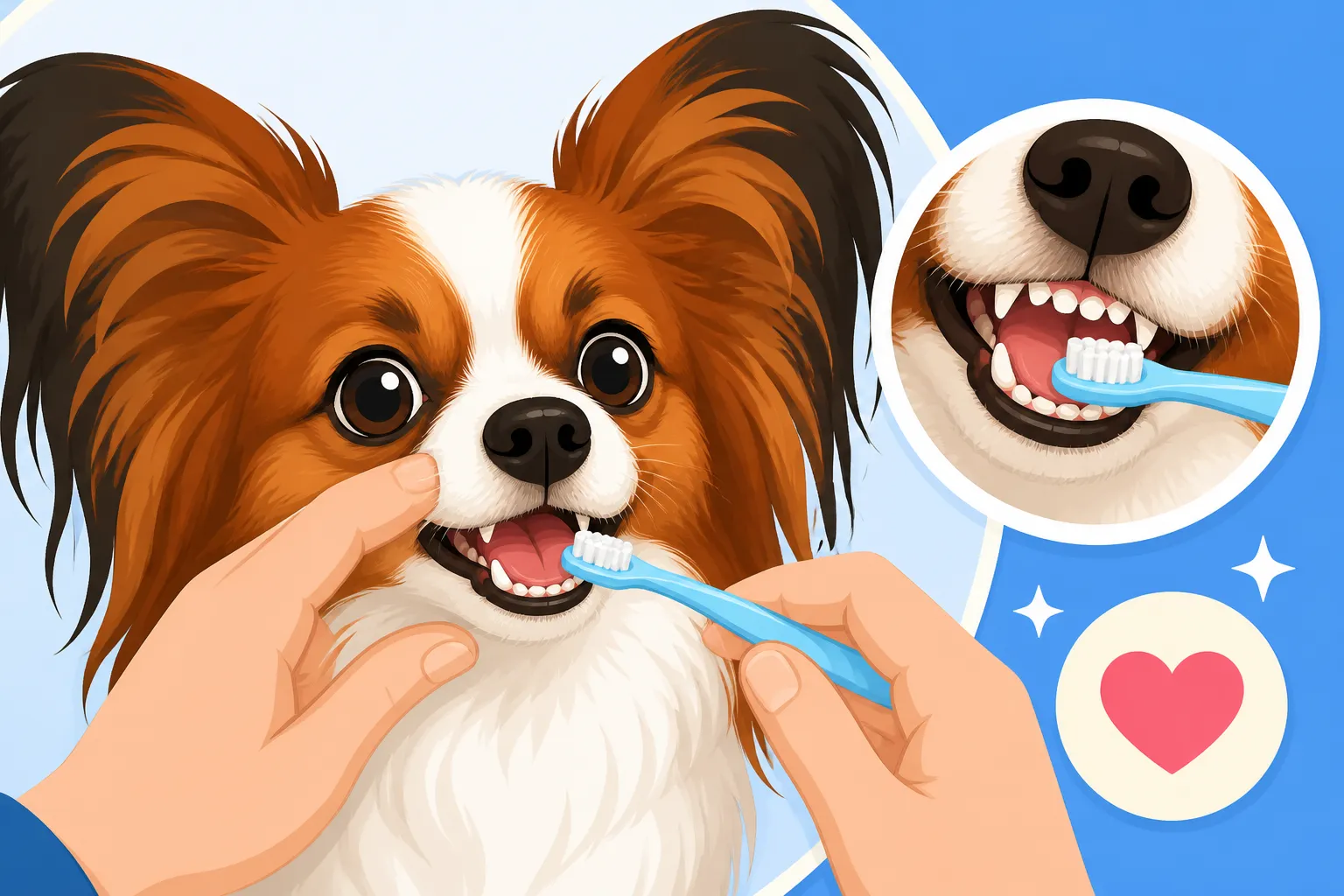
- Lifting the Lip: Gently lift your Papillon's upper lip to expose the outer surfaces of their teeth and gums.
- Angle and Motion: Hold the toothbrush at a 45-degree angle, aiming the bristles towards the gumline. Use gentle, circular motions, covering a few teeth at a time. The bristles should gently massage the gumline as well as clean the tooth surface.
- Focus on Key Areas: Pay special attention to the large canine teeth (the fangs) and the back molars. These tend to accumulate the most plaque and tartar. For the molars, you might need to use a slightly smaller brush head or be extra careful to reach those tiny, often rotated teeth.
- Cover All Teeth: Work your way around the upper jaw, then move to the lower jaw. Don't forget the tiny incisors at the very front of the mouth.
- Duration: Aim for about one to two minutes total, covering all accessible teeth. Again, quality over quantity here. A thorough 60 seconds is better than a rushed three minutes where your dog becomes stressed.
It really is a skill to perfect How to Reach a Papillon's Back Teeth.
Making it a Positive Experience
The biggest secret to long-term dental success with a Papillon is making brushing a positive experience every single time. This isn't just about getting the job done; it's about maintaining their trust and cooperation.
- Praise and Reward: Lavish your Papillon with verbal praise throughout the process. Immediately after brushing, offer a special, high-value treat that they only get after brushing. This could be a tiny piece of cheese, cooked chicken, or a specific dental chew they adore.
- Short and Sweet: Keep brushing sessions short, especially when starting out. It's better to do a quick, positive session daily than a long, stressful one once a week.
- Consistency is Key: Daily brushing is the most effective. Just like with humans, skipping days allows plaque to harden into tartar. Integrate it into your daily routine, perhaps after their last meal or right before bed. This consistency also reinforces the routine for your dog.
- Gentle Handling: Always be gentle. A Papillon’s mouth is delicate, and any rough handling can create fear and resistance. If they show signs of stress or pain, stop, re-evaluate your approach, and consider consulting your vet. For a breed known for its sensitive nature, this gentle touch is paramount. This consistent positive reinforcement is key to answering Why a Papillon's Teeth Need Brushing Daily.
Troubleshooting Common Toothbrushing Hurdles with Papillons
Even with the best intentions and the right tools, you might encounter some bumps in the road when brushing your Papillon’s teeth. It’s completely normal for them to be a bit resistant at first, or for you to feel unsure about your technique. The important thing is to understand common challenges and how to address them effectively, rather than giving up.
Dealing with Resistance and Fussy Pups
A Papillon can be a surprisingly strong-willed little dog, and if they decide they don't like something, they'll let you know! Resistance can manifest as pulling away, snapping, trying to chew the brush, or simply refusing to open their mouth.
- Revisit the Basics: If your Papillon is resisting, go back to the acclimation steps. Spend more time simply handling their mouth, letting them lick toothpaste off your finger, and using the finger brush. Don't rush the process.
- High-Value Rewards: Is your current reward truly motivating? Experiment with different treats. Sometimes a tiny dollop of peanut butter (xylitol-free, of course!) on the brush itself can make it more appealing. Brands like Ollie, known for their high-quality, fresh ingredients, might even offer treats that your Papillon finds irresistible.
- Change the Environment: Is there too much going on? Try brushing in a quiet room where there are no distractions. Some dogs do better on your lap, others on a low table. Find what makes your Papillon most comfortable and secure.
- Short, Repeated Sessions: If a minute is too much, try 20-second bursts, two or three times a day, interspersed with play or cuddles. The goal is to end each session on a positive note, even if you only brushed a few teeth.
- Professional Help: If resistance is severe and persistent, consider consulting a professional dog trainer or your veterinarian. They can offer personalized advice and demonstrate proper techniques to build confidence in both you and your Papillon.
Addressing Bleeding Gums or Sensitivity
Finding a little blood on the toothbrush can be alarming, but it's often a sign that your Papillon already has some gingivitis, or inflamed gums. Think of it like flossing your own gums when you haven't done it in a while.
- Gentle Hand: If you see bleeding, ensure you are being incredibly gentle. You might be brushing too hard. Switch to an even softer bristled brush.
- Don't Stop Brushing: While it might seem counterintuitive, gentle brushing is even more important when gums are inflamed. It helps to remove the plaque that is causing the inflammation. Stopping will only make the problem worse.
- Consult Your Vet: If the bleeding is persistent, heavy, or accompanied by other signs of pain (e.g., reluctance to eat, pawing at mouth), it's crucial to schedule a vet visit. Your Papillon might have significant periodontal disease that requires professional cleaning and possibly antibiotics or extractions. Bleeding gums are a clear indicator that a deeper problem is brewing, and it’s always best to get a professional opinion.
When to Seek Professional Guidance
While home brushing is your first line of defense, it cannot fix existing problems like hardened tartar or deep infections. Knowing when to call in the experts is vital.
- Excessive Tartar: If you see significant yellow or brown buildup on your Papillon's teeth, especially along the gumline, home brushing won't remove it. This requires a professional dental cleaning under anesthesia.
- Persistent Bad Breath: While slight "doggy breath" is normal, truly foul breath is a primary sign of dental disease.
- Red, Swollen, or Receding Gums: These are clear indicators of gingivitis or periodontitis.
- Loose or Missing Teeth: Obvious signs of advanced disease.
- Reluctance to Eat or Chew: If your Papillon suddenly avoids hard kibble or chews, or seems painful when eating, dental pain is a likely culprit.
- Changes in Behavior: Some dogs become lethargic or irritable due to chronic dental pain.
Your vet can assess the severity of the dental disease, recommend a professional cleaning schedule (which might be yearly or even more frequent for some Papillons), and discuss options for maintaining oral health. They can also advise on things like How Often a Papillon Needs a Dental Cleaning based on their specific situation.
Beyond the Brush: Other Ways to Support Papillon Dental Health
While daily brushing is the absolute cornerstone of good dental hygiene for your Papillon, it's not the only tool in your arsenal. A multi-faceted approach, combining brushing with other dental aids and regular veterinary care, provides the most robust defense against dental disease, especially for a breed so prone to issues.
Dental Chews and Toys
Many companies offer dental chews specifically designed to help scrape plaque off teeth as your dog chews. The key is to choose appropriate products for a Papillon's small size and delicate mouth.
- Size Matters: Ensure any chew or toy is appropriately sized for your Papillon to prevent choking hazards or damage to their tiny teeth. A chew meant for a Labrador is definitely not suitable!
- Texture is Key: Look for chews that are soft enough to flex and mold around the teeth but firm enough to provide some abrasive action. Avoid extremely hard chews (like antlers or real bones) as these can easily fracture a small dog's teeth, leading to painful and expensive repairs. Brands like Greenies or OraVet dental chews, available on Chewy or Amazon, are popular choices that are designed to be digestible and effective.
- Supervision: Always supervise your Papillon when they're enjoying a dental chew to ensure they're chewing safely and not attempting to swallow large pieces whole.
- Moderation: Dental chews are a treat, and they add calories. Factor them into your Papillon's daily food intake to prevent them from becoming overweight, which can lead to other health issues like Why an Overweight Papillon Strains Its Knees.
Water Additives and Oral Rinses
These products can offer a small layer of additional protection, particularly in reducing bacteria that cause bad breath and contribute to plaque formation.
- Water Additives: These are liquids you simply pour into your Papillon's drinking water daily. They typically contain ingredients that help inhibit bacterial growth in the mouth. They are very easy to use, making them a good option for owners who struggle with direct application products. However, they are generally considered the least effective standalone dental solution and should always be used as an addition to other forms of dental care.
- Oral Rinses: Some dental rinses are applied directly to your dog's gums or teeth using a swab or sprayer. These often contain antiseptic ingredients that target bacteria directly. They can be particularly helpful for dogs with existing gingivitis, as recommended by your vet.
It's important to remember that neither water additives nor oral rinses can remove existing plaque or tartar. Their primary role is to help prevent new plaque from forming and to improve breath. Always choose products specifically formulated for dogs and consult your veterinarian if you have any questions about their suitability for your Papillon.
Regular Vet Check-ups and Professional Cleanings
Even with diligent home care, professional veterinary dental care is an undeniable necessity for Papillons. Their predispositions make it almost inevitable that they will need dental attention from a vet at some point in their lives.
- Annual Exams: During your Papillon's annual wellness exam, your veterinarian will perform an oral examination. This is their chance to spot any red flags, such as tartar buildup, inflamed gums, retained puppy teeth, or other issues you might miss. They can then advise you on whether a professional cleaning is warranted.
- Professional Dental Cleaning: This is the gold standard for removing hardened tartar and addressing issues beneath the gumline. Performed under general anesthesia, it allows your vet to thoroughly clean, scale, and polish each tooth, and to perform dental X-rays to check for problems not visible to the naked eye, such as root abscesses or bone loss. Any necessary extractions can also be performed at this time.
- Early Intervention: Early detection and intervention are crucial. Waiting until your Papillon is in severe pain or has extensive disease only makes the procedure more complex, more expensive, and more uncomfortable for your dog. For many Papillons, due to their unique oral structure, an annual professional cleaning may be a routine necessity, not just an occasional event. Your veterinarian will guide you on the best schedule for your individual dog. In fact, What a Papillon's Yearly Bloodwork Should Cover often includes checks that are crucial for safely undergoing anesthesia for dental procedures.
Long-Term Dental Health for Your Papillon's Lifespan
Your Papillon is likely to live a long, happy life, often well into their teens. This incredible longevity means that their dental care isn't a short-term project; it's a lifelong commitment. Establishing good habits early and staying vigilant throughout their different life stages will be key to ensuring their golden years are as comfortable and pain-free as possible.
Monitoring for Signs of Dental Issues
You are your Papillon's first line of defense. By regularly checking their mouth, even between professional cleanings, you can catch potential problems early.
- Regular Visual Checks: Make it a habit to lift their lips once a week or so and take a peek. Look for any yellow or brown buildup on the teeth, especially near the gumline. Check for redness, swelling, or bleeding gums. Note any loose or broken teeth.
- Smell Test: While "doggy breath" is normal, a truly foul, pungent odor is a major warning sign of infection and periodontal disease. Don't dismiss bad breath as just a characteristic of dogs; it's usually indicative of an underlying problem.
- Changes in Eating Habits: Is your Papillon suddenly shying away from hard kibble? Dropping food? Chewing on one side of their mouth? Pawing at their face? These can all be subtle signs of dental pain. Remember that dogs, especially small ones, are masters at hiding pain, so you need to be observant.
- Behavioral Shifts: Sometimes, chronic dental pain can manifest as irritability, lethargy, or a reluctance to play. If your usually vivacious Papillon seems a bit "off," their teeth could be the culprit. Knowing How a Papillon Hides Pain can help you recognize these subtle cues.
The Importance of Diet for Dental Health
While diet alone cannot prevent dental disease, it plays a supportive role in overall oral health. The right diet can contribute to a healthier mouth by promoting stronger teeth and gums, and avoiding foods that might exacerbate problems.
- Kibble Size: For Papillons, choose kibble that is appropriately sized for their small mouths. If the pieces are too large, they might swallow them whole without any abrasive action. If too small, they also won't provide much mechanical cleaning.
- Quality Ingredients: A high-quality diet provides essential nutrients for strong teeth and healthy gum tissue. Some fresh food options, like those from Ollie, focus on nutrient-dense ingredients that support overall health, which in turn benefits oral health. While fresh food isn't a direct dental cleaner, good nutrition supports a healthier immune system to fight off gum infections.
- Avoid Sugary Treats and Table Scraps: Just like in humans, sugary foods can contribute to tooth decay and provide a feast for oral bacteria. Sticky, sugary treats are particularly problematic as they cling to teeth. While tempting to share, avoid giving your Papillon table scraps that are high in sugars or starches.
- Hard Chew vs. Soft Diet: While some harder kibbles or specific dental diets are formulated to provide a scrubbing action, if your Papillon already has significant dental disease, a softer diet might be necessary to prevent pain and allow them to eat comfortably. This is a conversation to have with your vet.
Maintaining Consistency Through All Life Stages
A Papillon's dental needs evolve throughout their life, but the need for consistent care remains constant.
- Puppyhood: This is when you establish good habits. Focus on acclimation, gentle handling, and checking for retained puppy teeth. Early extractions of retained teeth can prevent a lifetime of problems.
- Adulthood: This is the prime time for daily brushing and regular veterinary check-ups. Most Papillons will need their first professional dental cleaning between ages 2-4.
- Senior Years: As Papillons age, their dental health often becomes even more critical. They might have accumulated significant tartar, developed more severe periodontal disease, or their immune system might be less robust. Regular check-ups and cleanings, potentially more frequent than in their younger years, become paramount. Their general health might also need closer monitoring for anesthesia. Caring for a Papillon Past Eleven definitely includes heightened dental vigilance. Their long lifespan means more opportunities for dental problems to develop, so consistent daily care is truly a gift you give your beloved companion for a healthier, happier life.
| Dental Tool/Aid | Primary Function | Best For | Pros | Cons |
|---|---|---|---|---|
| Small Pet Toothbrush | Mechanical removal of plaque & food debris | Daily brushing, thorough cleaning | Most effective method, reaches gumline | Requires cooperation, can be challenging in crowded mouths |
| Finger Brush | Gentle plaque removal, gum massage | Acclimation, puppies, sensitive gums | Easy to introduce, good for training | Less effective for deep cleaning or back teeth |
| Enzymatic Toothpaste | Breaks down plaque, freshens breath, palatable | Daily brushing, enzymatic action | Safe for ingestion, appealing flavors | Must be dog-specific, not a standalone cleaner |
| Dental Wipes | Surface plaque removal, quick clean | Between brushings, travel, mild buildup | Convenient, good for quick touch-ups | Less effective than brushing, won't reach all surfaces |
| Dental Chews | Abrasive action, plaque reduction | Supplemental care, reward, engaging | Can be fun for dogs, helps with breath | Calories, choking risk, not a substitute for brushing |
| Water Additives | Reduces bacteria, freshens breath | Supplemental, easy passive care | Simple to use daily, no direct application | Least effective standalone, won't remove tartar |
Disclaimer
This article is for general informational purposes only and does not constitute professional advice. Laws, prices and regulations vary by location and change over time. Consult a qualified professional for guidance on your specific situation.