Where a Papillon Mats
It’s a common frustration for Papillon owners: you think you've just given your little butterfly dog a thorough brush-out, only to discover a sneaky mat hiding in an unexpected spot a day later. That beautiful, silky coat is indeed one of the breed's hallmarks, but it requires diligent care to prevent it from tangling into uncomfortable knots. This guide is all about pinpointing those common matting zones on your Papillon and giving you the tools and knowledge to keep their glorious coat flowing freely.
Understanding the Papillon Coat and Why It Mats
The Papillon’s coat is truly a thing of beauty, often described as silky and flowing, with abundant feathering on the ears, chest, tail, and legs. Unlike many other long-haired breeds, the Papillon actually has a single coat, meaning there's no dense undercoat to contend with. This is usually a blessing, as it reduces shedding and makes them less prone to the kind of packed-in matting you see in double-coated breeds. However, it also means their fine, long guard hairs can easily snag and tangle if not properly maintained.
The texture of their coat is designed to be delicate, almost like fine human hair, which means friction is the enemy. Every time your Papillon runs, plays, scratches, or even just sleeps, those delicate strands are rubbing against each other, against their collar, or against surfaces like carpeting and furniture. Over time, these tiny snags can escalate quickly into tight, painful mats that pull at their skin. Humidity, static electricity, and even certain types of shampoo or conditioner can also play a role in how prone their coat is to matting. Think of it like a beautiful silk scarf – it drapes wonderfully, but a little friction and neglect can leave it crumpled and snagged.
The Myth of the "No Undercoat, No Mats" Papillon
It’s easy to think that because Papillons don’t have an undercoat, they must be mat-free, but oh, if only that were true! While they don't get the dense, felt-like matting that some double-coated breeds experience (where the shed undercoat gets trapped), their single coat is still very much capable of developing painful tangles. These mats tend to be more superficial at first, often appearing as small knots or "velcro" spots where the fine hairs have woven together.
The challenge with a single coat is its very fineness. It's so light and airy that it can tangle almost invisibly until it becomes quite compacted. These mats can form rapidly, especially in high-friction areas or if the dog gets wet and isn't thoroughly brushed and dried. A wet coat, particularly if allowed to air dry without brushing, is a prime candidate for matting, as the individual hairs shrink and bond together. So, while it’s a different type of matting than a husky might experience, it’s just as real and just as much of a grooming priority for us Papillon parents.
Environmental Factors and Their Matting Impact
Beyond the inherent texture of their beautiful locks, several environmental factors can significantly contribute to matting. First up is weather. High humidity can make the coat more prone to tangling, causing individual hairs to swell and stick together. Conversely, very dry air, especially with indoor heating in winter, can create static electricity, making the fine hairs fly apart and then cling to each other, forming knots. Ever notice how your Papillon's coat seems extra "fluffy" and prone to static in colder months? That's it in action.
Then there’s the daily life of a Papillon. Running through tall grass or brambles can quickly pick up burrs, twigs, and debris that act as anchors for mats. Even playing on carpeted floors or rubbing against upholstery can create enough friction to start small tangles. And if your Papillon loves to roll around on their back, as many do, those delicate hairs on their chest and belly can become a tangled mess in no time. Keeping their environment clean and free of snags, and even providing smooth bedding, can help reduce the frequency of matting incidents.
Common Matting Hotspots on Your Papillon
While a Papillon’s entire coat is susceptible to matting, there are certain areas that consistently present challenges due to movement, friction, or simply the length and fineness of the hair. These are the spots you need to pay extra attention to during your regular grooming sessions, almost like a mental checklist you run through. Neglecting these zones, even for a day or two, can lead to painful knots that are difficult to remove.
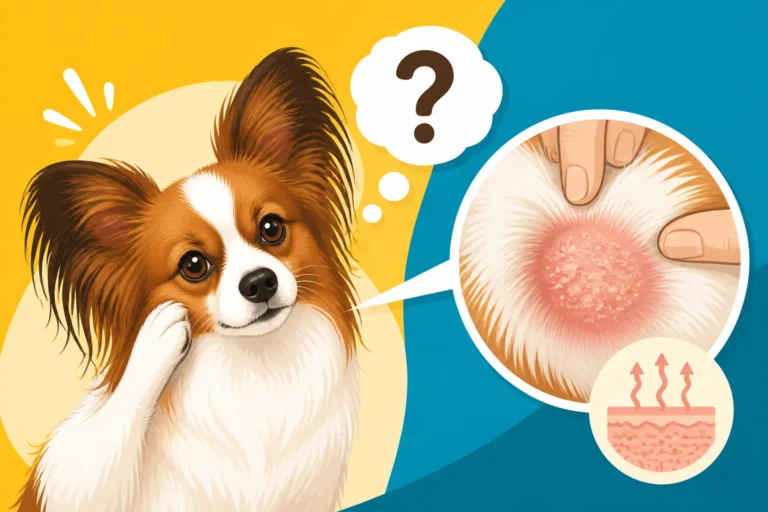
It's not just about aesthetics; mats can pull on the skin, causing discomfort, irritation, and even skin infections if moisture and debris get trapped underneath. So, let’s dive into the most notorious matting zones that Papillon owners encounter.
Behind the Ears and Around the Collar
This area is arguably the number one matting hotspot for almost all long-haired dogs, and Papillons are no exception. The delicate hair behind and at the base of their ears is constantly subjected to friction from their ears moving, your hands petting them, and, most notably, their collar or harness rubbing against it. Even the act of shaking their head can start a tangle. These mats tend to be very tight and can form incredibly quickly, sometimes overnight.
I've lost count of how many times I've found a pea-sized knot right behind my Papillon's ear, seemingly out of nowhere! If you use a flat collar, ensure it's not too tight or too loose, allowing constant friction. Consider a rolled leather collar or, better yet, primarily use a harness for walks to minimize neck friction. Always remember to lift the ear leather and thoroughly brush the hair underneath and behind it, making sure to feel with your fingers for any developing knots that the brush might be gliding over. This is often where the most painful mats lie, hidden from plain sight.
Under the Legs and in the Armpits
Another incredibly common and often uncomfortable area for mats to form is in the armpits and along the inner thighs and flanks. Think about how much your Papillon moves their legs throughout the day – running, jumping, stretching. All that motion creates friction where the leg meets the body, and the fine, wispy hair in these areas quickly knots. These spots are particularly tricky because they’re delicate and can be sensitive to touch, making detangling a challenge.
Mats here can restrict movement and cause chafing, leading to irritation and discomfort for your dog. It's crucial to lift their legs gently and thoroughly brush these areas, often against the grain of the hair, to ensure you're getting down to the skin. I find that a small, fine-toothed comb is invaluable for checking these spots after a brushing session, just to make sure no tiny tangles were missed. Be extra careful here; the skin is thin and easily bruised if you pull too hard.
The Chest and Underbelly
The long, flowing hair on a Papillon's chest and belly is undeniably beautiful, forming what’s often called a "frill" or "culottes" (more on those later!). However, this beauty comes with a price, as these areas are also prime real estate for mats. The chest hair is constantly rubbing against the ground when they lie down, against their front legs, and against any harness straps. The belly hair, being so close to the ground, can easily pick up debris and also tangles from rolling around or simply walking.
Imagine your Papillon belly-crawling through the grass or snoozing on a rug – every little movement can contribute to a mat. These mats can be quite extensive, forming wide, flat patches that are difficult to separate without causing discomfort. When grooming, gently lay your Papillon on their back or side and meticulously brush through these areas. Pay special attention to where harness straps sit, if you use one. It's a bit of an acrobatic act sometimes, but getting into these spots regularly is key to preventing major issues. Don't forget the soft hair between their front legs, which can also easily tangle. How Often a Papillon Needs Brushing is a great resource for developing a consistent routine that targets these areas.
Specific Fringe Areas That Need Extra Attention
The Papillon gets its name from its distinctive, butterfly-like ears, which are adorned with beautiful, long fringes. But the ear fringes aren't the only feathering that demands special attention. Their magnificent tail plume, the "culottes" on their hind legs, and the rich chest frill all add to their elegant appearance, and all are highly prone to matting. These areas are where the coat is longest and finest, making them particularly vulnerable to tangles if not diligently maintained. Ignoring these signature features means sacrificing not only beauty but also your Papillon's comfort.
The Magnificent Ear Fringes
Ah, the ear fringes! They are truly the crowning glory of a Papillon, giving them that iconic butterfly look. But oh, how easily they mat! Because these long, delicate hairs are constantly in motion – flapping with every head turn, sweeping against surfaces when they drink or eat, and even brushing against their own body – they are a prime target for tangles. Add to that the ear leather itself, which can secrete oils, and you have a perfect storm for mat formation.
Mats in the ear fringes can quickly become large and painful, pulling on the sensitive skin of the ear. I always recommend using a gentle detangling spray before brushing this area. You want to work slowly and methodically, using a soft slicker brush or a wide-toothed comb, starting from the ends and working your way up to the base of the ear. Don't be afraid to separate the ear fringe into smaller sections to ensure you're getting through every strand. Regular checks, especially after outdoor adventures or a messy meal, are non-negotiable. How to Keep a Papillon's Ear Fringe Full offers more insights into maintaining this beautiful feature.
The Tail Plume: A Feathered Cloud
The Papillon’s tail plume is another showstopper, carried high over their back like a magnificent, feathered cloud. This long, flowing hair adds balance and elegance to their silhouette, but its exposed position makes it highly susceptible to matting. Think about how many times your Papillon wags its tail, brushes it against furniture, or even gets it snagged during play. All this activity can quickly turn that beautiful plume into a tangled mess.
Because the tail plume often brushes against other parts of their body and surfaces, it tends to gather loose hair and debris, forming mats that can be surprisingly tight. Brushing the tail plume requires a light touch. Hold the tail at its base to provide support and prevent pulling on the skin, then work through the hair in sections, from tip to base. A pin brush followed by a comb is usually the best approach. Ensuring the tail is clean and free of any sticky residues (like from certain dog treats) can also help prevent tangles from forming. This is an area where a good conditioning spray can really help the brush glide through.
Culottes and Leg Feathering
The "culottes" on a Papillon refer to the long, flowing hair on the back of their hind legs, resembling elegant breeches. Coupled with the feathering on their front legs, these areas contribute significantly to the Papillon's graceful movement and appearance. However, much like the armpits and inner thighs, these spots are constantly in motion and prone to friction. The culottes can drag on the ground, pick up outdoor debris, and get tangled during walks or playtime.
The hair on the legs is often finer than the body coat, making it more prone to static and knotting. When grooming these areas, pay close attention to the hocks (the dog's "ankles") and the area just above their paws. These spots are particularly vulnerable to tangles, especially if your Papillon has ever walked through mud or wet grass and not been thoroughly cleaned afterward. Remember, even a small amount of dampness left to dry naturally can result in a mat. Regularly lift each leg and brush through the feathering, ensuring you reach all the way to the skin. Whether a Papillon's Culottes Mat discusses these challenges in more detail.
Preventing Mats Before They Start
An ounce of prevention is worth a pound of cure, especially when it comes to Papillon coats and mats. Proactive grooming and a watchful eye can save you and your furry friend a lot of discomfort and hassle. It’s far easier to prevent a mat from forming than to patiently (and often painfully) work one out. Establishing a consistent routine and using the right tools are your best lines of defense against those sneaky tangles.
Don’t think of grooming as a chore, but rather as an essential part of bonding and health maintenance. It's also an excellent time to check for any skin issues, bumps, or parasites. Let’s look at the key strategies for keeping your Papillon’s coat gloriously mat-free.
Daily Brushing Routines
The single most effective way to prevent mats in a Papillon's coat is consistent, daily brushing. Yes, daily! While it might sound like a lot, a good 10-15 minute session can make all the difference. This isn't just a surface-level run-through; it needs to be a thorough session, getting down to the skin to remove any loose hairs and small tangles before they escalate.
Start by using a high-quality pin brush, designed to gently separate the strands without pulling. Follow up with a fine-toothed metal comb to meticulously check for any missed knots, especially in those common trouble spots like behind the ears, in the armpits, and on the culottes. Always brush in layers, starting at the bottom of a section of hair and working your way up, ensuring you can see the skin as you go. For extra long fringes, a detangling spray can be a real game-changer, making the brush glide through more easily. Regularity is key here – a few minutes every day is far more effective and less stressful than an hour-long session once a week trying to tackle established mats. Many great brushes and combs can be found on platforms like Amazon or Chewy. How Long a Papillon Takes to Brush can help you set realistic expectations for your daily routine.
Strategic Bathing Practices
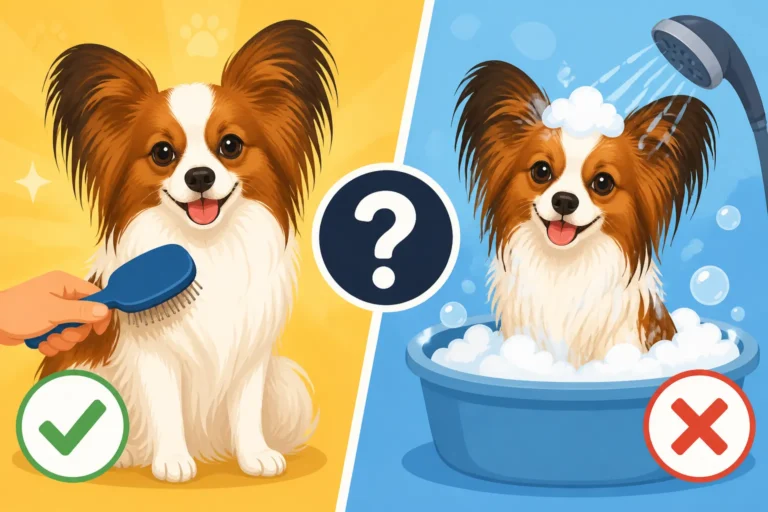
Bathing a Papillon can be a joyous (or sometimes slightly chaotic!) experience, but it needs to be done strategically to avoid causing mats. Never, ever bathe a Papillon that has existing mats. Water will tighten those mats, making them almost impossible to remove without resorting to clipping. Always brush your Papillon thoroughly before bathing to ensure their coat is completely tangle-free.
When bathing, use a gentle, moisturizing shampoo specifically formulated for dogs. Apply it carefully, working it through the coat in the direction of hair growth rather than scrubbing vigorously, which can create tangles. Rinse even more thoroughly, making sure no shampoo residue is left behind, as this can attract dirt and cause stickiness leading to mats. After rinsing, gently squeeze excess water from the coat, then blot with a towel rather than rubbing. The crucial step is drying: a Papillon's coat should ideally be blow-dried on a low, cool setting while continuously brushing to straighten the hair and prevent tangles from forming as it dries. Air-drying, while tempting, is a mat-making disaster waiting to happen for a Papillon. How Often a Papillon Should Be Bathed provides more detail on bathing frequency.
Environmental Considerations and Lifestyle Hacks
Beyond brushing and bathing, making a few adjustments to your Papillon's environment and daily routine can significantly reduce matting. Firstly, consider floor surfaces. If you have a lot of carpet or rugs, these can create friction that leads to tangles. If possible, provide smoother areas or even invest in a few smooth mats or blankets for your Papillon to rest on, especially in their favorite nap spots.
Secondly, pay attention to collars and harnesses. As mentioned, traditional flat collars can cause friction behind the ears. A soft, rolled leather collar or primarily using a well-fitting harness for walks can minimize this. Regularly check under the harness straps for any budding mats. Thirdly, if your Papillon loves outdoor adventures, be prepared! A quick brush-through after a romp in the park or a walk through tall grass can remove burrs, twigs, and loose debris before they become embedded and turn into full-blown mats. Some owners even use light protective suits for serious outdoor excursions, especially for show dogs, to keep their long coats pristine.
Nutrition for Coat Health
While not a direct matting preventative, a healthy diet plays a huge role in the overall condition of your Papillon's coat. A well-nourished coat is typically stronger, shinier, and less prone to breakage and tangling. Think of it like your own hair – when you're healthy, your hair looks better, right? It's the same for our dogs.
Look for dog foods that contain high-quality protein sources and are rich in Omega-3 and Omega-6 fatty acids, often listed as ingredients like fish oil, flaxseed, or sunflower oil. These essential fatty acids contribute to healthy skin and a lustrous, resilient coat. A dry, brittle, or coarse coat, which can be a sign of nutritional deficiency, is much more susceptible to matting than a supple, healthy one. Brands like Ollie often emphasize high-quality ingredients that support overall health, including skin and coat condition. Always ensure your Papillon is getting a balanced diet appropriate for their age and activity level.
Dealing with Existing Mats Safely
No matter how diligent you are, life happens, and sometimes a mat will still sneak into your Papillon's beautiful coat. Finding one can be frustrating, even a little disheartening, but the key is to approach it calmly and carefully. Aggressive pulling or trying to yank a mat out will only cause pain, damage the coat, and potentially injure your dog's delicate skin. Your goal is always to be as gentle and patient as possible, prioritizing your Papillon’s comfort over speed.
Remember, a mat is essentially a knot of hair that has become tightly woven together, pulling at the skin underneath. Taking the time to work it out correctly can prevent a small problem from becoming a much larger, more painful one.
Gentle Detangling Techniques
When you encounter a mat, the first rule is: don't panic! Grab your tools: a detangling spray (essential!), a wide-toothed comb, and a slicker brush. Start by isolating the mat; gently hold the hair at the base of the mat, closest to the skin, to prevent pulling on your Papillon as you work. This is super important because it minimizes discomfort.
Spray the mat generously with detangling spray. Let it soak in for a few minutes; this helps lubricate the hair strands. Then, using just the tips of your wide-toothed comb, start gently picking at the very edge of the mat, working only a few strands at a time. Think of it like carefully untangling a necklace chain, not ripping it apart. Slowly, patiently, work your way into the mat from the outside in. Once you’ve loosened it a bit, you can use the slicker brush to further separate the hairs. Never try to brush through a mat from the top down; always work from the outside edges, gradually breaking it apart. If it's a particularly stubborn mat, you might need to take breaks to avoid stressing your dog.
When to Use a Mat Splitter or Dematting Tool
Sometimes, a mat is too tight or too large to be picked apart with just a comb and spray. This is when a specialized dematting tool or mat splitter can come in handy. These tools have sharp blades designed to cut through the mat, rather than pull it out. However, they must be used with extreme caution to avoid cutting your dog's skin.
Always read the instructions carefully for any dematting tool. Generally, you position the tool at the edge of the mat, with the blades facing away from the skin, and gently slice through a small section of the mat. Do not try to run it through the entire mat at once. You are essentially breaking the mat into smaller, more manageable sections that you can then detangle with your comb. These tools are fantastic for dense mats, but because of the sharp blades, if you’re unsure, it’s always better to err on the side of caution and seek professional help. You can find a variety of these tools from retailers like Chewy or Amazon.
Knowing When to Call a Professional Groomer
There are times when even the most dedicated owner needs to admit defeat and call in the pros, and that's perfectly okay! If a mat is too large, too tight, too close to the skin, or if your Papillon is showing signs of pain or extreme discomfort when you try to work on it, it's time to call a professional groomer.
A good groomer has specialized tools, techniques, and experience in dealing with severe matting. They can often remove mats much more efficiently and with less stress to your dog. In some severe cases, they may recommend shaving the matted area or even a full body shave to give the coat a fresh start. While a shave might seem drastic for a beautiful Papillon coat, it’s far more humane than putting your dog through hours of painful detangling. A groomer can also provide valuable advice on preventing future mats and recommend appropriate products for your Papillon's specific coat type. What Grooming a Papillon Costs might be a useful read if you're considering professional help.
Essential Grooming Tools for a Papillon's Coat
Having the right tools is half the battle when it comes to maintaining a Papillon’s beautiful, long coat. You wouldn't try to sculpt a masterpiece with a dull butter knife, and you shouldn't try to groom a Papillon with sub-par equipment! Investing in a few quality items will make your grooming routine more effective, more comfortable for your dog, and ultimately save you time and frustration in the long run.
Think of your grooming kit as your Papillon's personal care arsenal. Each tool has a specific purpose, and knowing how and when to use them is key to keeping those fringes flying freely.
Brushes and Combs for Daily Maintenance
For daily brushing, you'll primarily rely on a combination of a pin brush and a metal comb.
- Pin Brush: A good quality pin brush with smooth, rounded pins is excellent for gently separating the long strands of hair and removing loose hair without pulling. Look for one with a comfortable handle that fits your hand well. This is your primary tool for overall coat maintenance and initial tangle removal.
- Metal Comb: A sturdy, fine-toothed metal comb is indispensable for checking for small tangles and working out minor knots, especially in delicate areas like behind the ears, under the legs, and on the culottes. Choose one with both wide and narrow teeth sections. The wide teeth are for initial detangling, and the narrow teeth are for final checks and smoothing. This is your detector for hidden mats.
It's tempting to grab the cheapest brush, but a poorly made brush can actually break your Papillon's delicate hair or scratch their skin. Investing in a good set from a reputable pet supply store or online retailer like Chewy will make a noticeable difference.
Detangling Sprays and Conditioners
These are your secret weapons against mats! Detangling sprays and leave-in conditioners create a slippery surface on the hair shaft, allowing brushes and combs to glide through more easily. They also help to prevent static electricity, which can be a major contributor to tangles in a Papillon's fine coat.
- Detangling Sprays: Keep a detangling spray handy during every brushing session, especially when tackling a tricky area or a budding mat. Lightly mist the area before brushing.
- Conditioners: Using a good quality rinse-out conditioner after shampooing can make a huge difference in the manageability of your Papillon's coat. It helps to keep the hair hydrated and smooth, making it less likely to snag and tangle. A leave-in conditioner can also be used lightly between baths for extra coat protection.
When choosing products, look for ones specifically formulated for dogs, ideally those that are moisturizing and free of harsh chemicals or strong perfumes that might irritate your Papillon's sensitive skin.
Mat Splitters and Nail Clippers
While less frequently used than brushes and combs, a mat splitter and high-quality nail clippers are essential additions to your Papillon grooming kit.
- Mat Splitter/Dematting Tool: As discussed earlier, a mat splitter is a specialized tool with blades designed to cut through tight mats. It should be used with extreme care and only when a mat cannot be gently combed out. Always prioritize your dog's safety and comfort.
- Nail Clippers: While not directly related to coat matting, keeping your Papillon's nails trimmed short is crucial for their overall comfort and health, especially for breeds prone to Patellar Luxation Is the Papillon Problem You Will Actually Meet. Long nails can affect their gait, potentially putting stress on their joints. For small dogs like Papillons, a guillotine-style or scissor-style clipper typically works well. If you’re nervous about clipping, ask your vet or groomer to show you the ropes or perform the service for you. Many Papillons are sensitive to nail trims, so making it a positive experience from puppyhood is key. What a Papillon's Nail Trim Costs offers more perspective on this routine care item.
Grooming Schedule and Consistency for Papillons
Establishing a consistent grooming schedule is paramount for maintaining a Papillon's beautiful coat and preventing mats. It’s not a "once in a while" activity; it's an ongoing commitment that pays dividends in comfort for your dog and ease for you. The Papillon's long, silky single coat, while stunning, demands regular attention to stay tangle-free. Skipping even a few days can mean the difference between a quick brush-out and a painstaking detangling session.
Think of it as brushing your own hair – if you let it go for days, it becomes a knotted mess, but a quick brush each morning keeps it manageable. The same principle applies to your Papillon, amplified by their constant movement and delicate coat.
Daily Checks and Quick Brushes
Even if you give your Papillon a thorough brush-out every other day, daily checks are still highly recommended. This doesn't need to be a full grooming session. Rather, it's a quick run-through with a comb or even just your fingers over those key matting hotspots: behind the ears, in the armpits, on the chest, and in the culottes.
These quick daily checks can catch small tangles before they have a chance to tighten and grow into full-blown mats. It's also an excellent opportunity to reinforce positive associations with grooming by making it a calm, pleasant experience. A quick, gentle comb-through can take less than five minutes but can save you hours of work later on. If you incorporate this into your routine, perhaps while you're watching TV or winding down in the evening, it becomes less of a chore and more of a natural part of living with a long-haired breed.
Regular Full Grooming Sessions
While daily checks are essential, your Papillon will also benefit from regular, more comprehensive grooming sessions. For most Papillons, this means a thorough brush-out every 2-3 days, ensuring you get down to the skin in all areas. For Papillons with exceptionally long feathering or those who are particularly active outdoors, you might find that a full brush-out every other day is more appropriate.
During these longer sessions, you'll use your pin brush to detangle and remove loose hair, followed by your metal comb to meticulously check for and work out any remaining knots. This is also the time to pay extra attention to those areas that might not get as much attention during quick daily checks, such as the tail plume and the fine hair between their toes. Think of these sessions as a deep clean for their coat, ensuring every strand is separated and smooth. A consistent routine here will significantly reduce the likelihood of large, difficult mats forming. You can consult Why a Papillon's Long Coat Takes Twenty Minutes a Week to get a better understanding of how to structure these sessions.
Adapting Grooming for Life Stages and Activities
A Papillon's grooming needs aren't static; they change throughout their life and depending on their activities. A mischievous Papillon puppy, still exploring the world and often getting into things, might require more frequent spot checks and gentle brushing to get them accustomed to the routine. As they mature, their coat will grow longer and fuller, often requiring more thorough and consistent care.
If your Papillon is a keen agility competitor or spends a lot of time romping outdoors, their coat will inevitably pick up more debris and experience more friction. In these cases, you might need to increase the frequency of your grooming sessions, perhaps even a quick brush-out immediately after an activity. Conversely, an older Papillon who is less active might not need quite as much intense grooming, though gentle daily care is still important to maintain comfort. Caring for an Aging Papillon highlights how their needs might change over time, including coat care. It’s all about being observant and adjusting your routine to what your individual Papillon needs at any given stage of their life.
| Matting Hotspot | Why it Mats | Best Grooming Strategy | Essential Tools |
|---|---|---|---|
| Behind the Ears | Friction from ear movement, collars, petting. Fine hair. | Daily comb-through, lift ear leather, use detangling spray. Consider rolled collar/harness. | Fine-toothed comb, detangling spray, pin brush |
| Armpits & Inner Thighs | Constant leg movement, friction. Thin, delicate skin. | Gently lift legs, brush against growth in layers. Check with comb after. Be extra gentle. | Fine-toothed comb, soft slicker brush |
| Chest Frill & Belly | Rubbing on ground/furniture, harness friction, general movement. | Lay dog on back/side, meticulous brushing in layers. Check under harness straps. | Pin brush, wide-toothed comb, detangling spray |
| Ear Fringes | Constant motion, food/water residue, very long & fine hair. | Daily brushing with detangling spray. Hold ear leather, brush from ends to base. | Pin brush, wide-toothed comb, detangling spray |
| Tail Plume | Brushing against body/surfaces, collecting debris. | Support tail at base, brush in sections from tip to base. Use conditioning spray. | Pin brush, wide-toothed comb |
| Culottes & Leg Feathering | Dragging on ground, outdoor debris, friction from movement. | Lift legs, brush in layers, especially around hocks and paws. Comb out any snags immediately. | Pin brush, metal comb, slicker brush |
Disclaimer
This article is for general informational purposes only and does not constitute professional advice. Laws, prices and regulations vary by location and change over time. Consult a qualified professional for guidance on your specific situation.