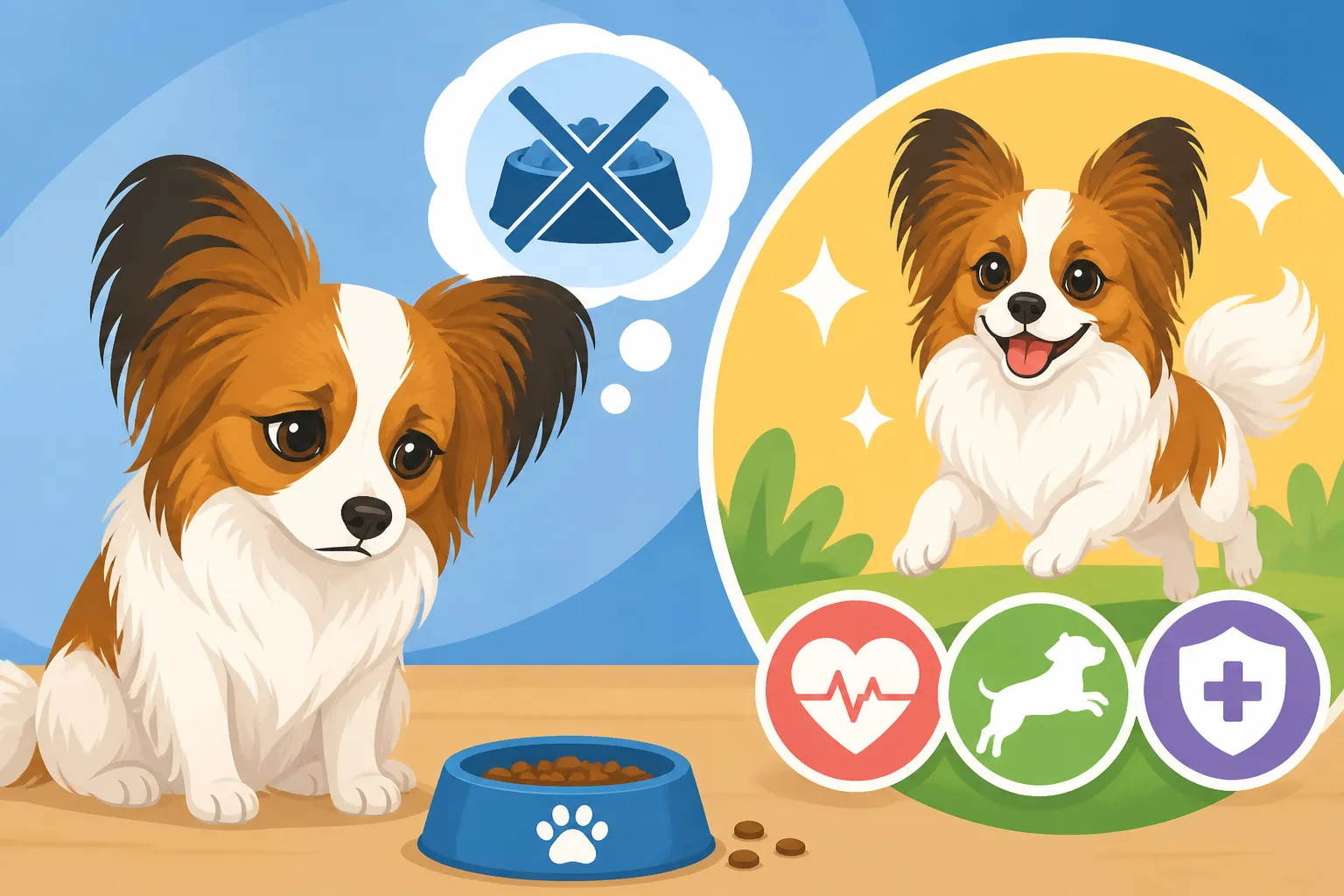
Why a Papillon Skips Meals and Why It Matters
It can be incredibly frustrating, and honestly, a little alarming, when your normally cheerful Papillon suddenly turns up their tiny nose at their dinner. You've spent time choosing what you think is the best food, you've set it down with love, and they just… walk away. It's enough to send any Papillon parent into a spiral of worry, wondering if they're sick, if they hate the food, or if they're just being impossibly stubborn. This guide will walk you through the many reasons why a Papillon might skip meals, what those skipped meals could mean for their health, and practical, empathetic steps you can take to encourage a healthier eating routine for your beloved butterfly dog.
Understanding the Papillon's Unique Appetite
Papillons, with their delicate build and often dainty demeanour, sometimes come with a reputation for being finicky eaters. While this isn't universally true for every Papillon, it's certainly a common experience for many owners. It's crucial to understand that their eating habits are a blend of their physical characteristics and, sometimes, learned behaviours that can take root early on.
The Small Stomach Reality
One of the most fundamental things to grasp about a Papillon's eating habits is their size. They are, after all, a toy breed, and that means their internal mechanics are proportionally small. Their stomachs simply don't have the capacity to hold large quantities of food. Unlike a larger breed that might wolf down a huge meal once or twice a day, a Papillon might feel perfectly full after just a few bites. This isn't necessarily a cause for alarm; it's just their physical reality. If your Papillon eats a small amount and then walks away, they might genuinely be satisfied for the moment, especially if they're grazing throughout the day. The trick is to ensure those small amounts add up to sufficient nutrition.
Furthermore, Papillon puppies, in particular, are prone to hypoglycemia, or dangerously low blood sugar, precisely because of their tiny size and rapid metabolism. Their bodies burn through energy reserves very quickly, and they don't have large glycogen stores like bigger puppies. This is why How Often a Papillon Puppy Must Eat to Stay Safe is such a critical topic for new owners. As they grow, this particular risk diminishes, but the underlying principle of their faster metabolism and smaller capacity remains. An adult Papillon might not be at risk for a hypoglycemic crash, but a consistently empty stomach can still lead to a lack of sustained energy and nutrient intake over time.
A History of Being Picky
Let's be honest, many of us Papillon owners are a little guilty of spoiling our furry, winged companions. It's hard not to! Their charm and intelligence make them incredibly adept at training us to cater to their every whim. This often extends to their mealtimes. Historically, toy breeds were lap dogs, pampered and often fed from the table. While modern pet care has moved past this, the tendency for a Papillon to develop selective eating habits remains. They are smart, and they learn quickly. If skipping a meal, or nudging their bowl, results in you hovering, offering tasty human scraps, or whipping up a gourmet alternative, they're going to remember that.
This isn't to say your Papillon is being malicious or intentionally manipulative, but they are certainly opportunistic. If they've learned that holding out can get them something better – a different kibble, a dollop of wet food, or a piece of chicken – they will absolutely try it. It becomes a subtle negotiation, and if you're not careful, your Papillon will train you to be their personal chef. This can lead to a cycle where you're constantly trying to entice them, and they're always looking for the next, more exciting option, leaving you with a dog that seems to skip meals often. Understanding this dynamic is the first step in breaking it and establishing healthier boundaries around food.
Common Reasons Your Papillon Might Be Skipping Meals
When your Papillon suddenly decides they’re not interested in their dinner, it’s natural to feel a pang of concern. The reasons can be varied, ranging from simple environmental shifts to more serious health issues. It's like trying to figure out why a toddler won't eat their broccoli – sometimes it's a phase, sometimes they just genuinely don't like it, and sometimes they're secretly feeling unwell.
Environmental Factors and Stress
Our little Papillons are often more sensitive than their bold personalities let on. Changes in their environment, even subtle ones, can easily throw them off their routine and impact their appetite. Have you recently moved? Introduced a new pet? Had houseguests? Even something as simple as a new brand of cleaning product, or construction noise next door, can create enough stress to make them lose interest in food. Papillons thrive on routine and a sense of security. When that's disrupted, their eating habits can be one of the first things to change.
Consider the atmosphere around mealtime. Is it a quiet, calm space, or is there a lot of hustle and bustle? Some Papillons prefer to eat in peace, away from the main thoroughfare of the house. A busy kitchen with people constantly moving around, loud noises, or other pets vying for attention might make them feel anxious or less inclined to settle down and eat. Even the type of bowl can make a difference; some dogs dislike metal bowls that clang or make reflections. Pay attention to their surroundings and try to create a consistent, stress-free dining experience. This might involve feeding them in a crate, a separate room, or at a specific time when the house is quiet.
Dental Issues and Discomfort
This is a huge one for Papillons, and often an overlooked culprit. These tiny dogs are notorious for dental problems, even at a young age. Their small jaws are often crowded, leading to teeth that are too close together, trapping food particles and encouraging plaque and tartar buildup. The Teeth in a Papillon's Small Jaw really highlights this common struggle. If your Papillon is experiencing pain in their mouth – perhaps from a cracked tooth, an abscess, or severe gum inflammation – eating becomes uncomfortable, if not downright agonizing. They might approach the bowl, sniff, and then back away, or try to eat very slowly and carefully, favoring one side of their mouth.
Sometimes, a persistent baby tooth that hasn't fallen out (a retained deciduous tooth) can cause discomfort and alignment issues, making chewing awkward. By the time they are adults, many Papillons already have significant dental disease if home care isn't diligent. If your Papillon is suddenly reluctant to chew hard kibble, drops food, or shows any signs of sensitivity around their mouth, it's time for a vet check-up. A professional dental cleaning, which often involves anesthesia, can resolve a lot of these issues. While it might seem like a big undertaking, addressing dental pain is paramount for their overall health and well-being. Regular brushing, using a small toothbrush and dog-specific toothpaste, can go a long way in preventing these painful issues, but sometimes, intervention is unavoidable.
Underlying Health Concerns
A sudden or persistent loss of appetite is one of the most common indicators that your Papillon might not be feeling well. Just like humans, when dogs are sick, food is often the last thing on their mind. This could be anything from a minor tummy ache, an upset stomach from eating something they shouldn't have, to something far more serious. Gastrointestinal issues like pancreatitis, inflammatory bowel disease, or even a simple bug can make them feel nauseous and unwilling to eat.
Beyond GI problems, a decreased appetite can signal kidney disease, liver issues, pain from arthritis or injury, or even certain types of cancer. If your Papillon is skipping meals for more than 24 hours, or if their pickiness is accompanied by other symptoms like lethargy, vomiting, diarrhea, changes in drinking habits, hiding, or behavioural shifts, it’s imperative to contact your veterinarian immediately. Do not wait to see if it improves on its own, especially with small breeds where conditions can deteriorate quickly. A comprehensive vet exam, possibly including bloodwork, urinalysis, or imaging, can help uncover the root cause. This is a situation where What a Papillon's Yearly Bloodwork Should Cover becomes incredibly relevant, as regular screenings can sometimes catch issues before they become critical.
Behavioral Pickiness and Manipulation
Ah, the clever Papillon! Sometimes, their refusal to eat isn't about pain or illness at all, but a learned behaviour. Papillons are highly intelligent and observant. If they discover that skipping a meal leads to you offering them more exciting options – perhaps a scoop of wet food mixed in, some chicken broth, or even table scraps – they will quickly learn to "hold out" for the good stuff. This is often the case when an owner frequently changes foods or adds enticing toppers at the first sign of disinterest. They're not truly unwell; they've just become a gourmet connoisseur, courtesy of your well-meaning but ultimately counterproductive efforts.
This kind of behavioural pickiness can be frustrating for owners, as it blurs the line between genuine disinterest and a strategic manoeuvre for better food. It's often reinforced when owners hover over the bowl, coaxing and pleading. Your Papillon senses your anxiety and can become even more resistant. This isn't a problem unique to Papillons, but their intelligence and ability to "read" their human companions make them particularly adept at it. Recognizing this pattern is the first step to breaking it. It requires a firm, consistent approach and a little bit of tough love – for yourself, not just your dog! Remember the importance of Why a Papillon Holds Out for Something Better.
Strategies to Encourage a Healthy Eating Routine
Dealing with a picky Papillon can feel like a constant battle of wits, but there are proven strategies that can help establish a healthy and consistent eating routine. The goal isn't just to get them to eat anything, but to ensure they're consistently consuming a balanced diet that supports their long-term health.
Establishing a Consistent Feeding Schedule
One of the most powerful tools in combating pickiness is consistency. Dogs, including our intelligent Papillons, thrive on routine. Try to feed your Papillon at the same times every day. This helps regulate their metabolism and cues their body that it's mealtime. For adult Papillons, two meals a day are generally sufficient, though some owners find success with three smaller meals due to their tiny tummies. For puppies, a more frequent schedule is essential, especially given their risk of low blood sugar. The Age a Papillon Outgrows Hypoglycemia typically means a more flexible schedule can be adopted as they mature.
When you put the food down, give your Papillon a set amount of time to eat – perhaps 15 to 20 minutes. After that time, if they haven't eaten, pick up the bowl. Do not offer any other food, treats, or table scraps until the next scheduled mealtime. This sends a clear message: "This is when food is available. If you don't eat it now, it'll be back later." It's hard to do, especially when you're worried, but it teaches them that food isn't always on demand. Eventually, a truly hungry Papillon will eat when the food is presented. Resist the urge to add toppers or offer alternatives during this "wait" period, as that will only reinforce the picky behaviour.
Exploring Food Options and Presentation
Sometimes, the issue truly is the food itself. Even if it's a high-quality kibble, your Papillon might simply not find it palatable. This doesn't mean you need to cycle through every brand on the market, but it does mean being open to different forms of food.
Consider these options:
- Wet Food: Many Papillons find wet food more enticing due to its aroma and texture. You can offer a small amount of high-quality wet food alone or mix a spoonful with their dry kibble.
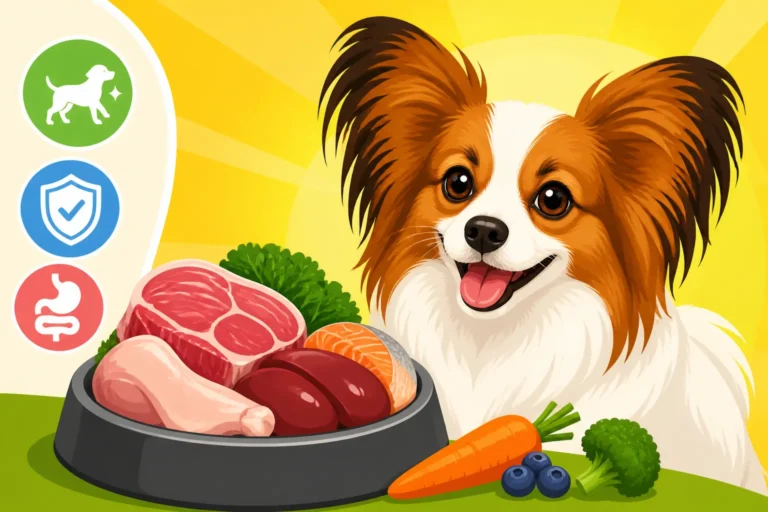
- Fresh Food: Brands like Ollie offer fresh, human-grade dog food that many picky eaters adore. It's often less processed and highly palatable. This can be a great option if you're struggling to get them to eat traditional kibble.
- Kibble Size: Believe it or not, the size of the kibble matters for a tiny mouth! Some Papillons struggle to pick up or chew larger pieces. Look for small breed formulas with appropriately sized kibble.
- Toppers (Used Sparingly): If you must use a topper, do so consistently and with a purpose, not just to entice. A little plain cooked chicken, some low-sodium broth, or a sprinkle of a freeze-dried raw topper can sometimes encourage them to eat. The key is to avoid creating a situation where they expect a different "special" topping every day.
- Food Puzzle Toys or Slow Feeders: For some Papillons, mealtime might be boring. Turning it into a mental exercise with a puzzle toy or a slow feeder can make it more engaging. You can find a wide variety of these on sites like Amazon or Chewy. This also slows down fast eaters, which can be beneficial.
Make sure the food is fresh. Stale kibble loses its appeal, so store it in an airtight container in a cool, dark place. And remember to gradually transition to any new food over several days to avoid upsetting their stomach.
Making Mealtime a Positive Experience
Beyond the food itself, the experience of eating can greatly influence your Papillon's appetite. Create a calm, positive association with mealtime.
- Quiet Location: Ensure they have a peaceful spot to eat where they won't be interrupted by other pets, children, or sudden noises. This might mean their crate, a laundry room, or a designated corner.
- Comfortable Setup: Some Papillons prefer their bowls to be slightly elevated, especially as they get older or if they have joint issues. Others might prefer a non-slip mat under their bowl to prevent it from sliding around. For very small Papillons, a shallow, wide dish can be easier to eat from without their beautiful ear fringes dragging in the food.
- Hand Feeding: If your Papillon is particularly anxious or has lost interest, hand-feeding a few pieces of their kibble can sometimes re-engage them. It creates a positive bonding experience and can restart their interest. This isn't a long-term solution, but it can be a good bridge during a difficult period.
- Exercise Before Meals: A good walk or play session before mealtime can stimulate appetite. A tired dog is often a hungry dog. Just like us, a little activity can make food taste much better.
- Avoid Pressure: Try not to hover or stare intently at your Papillon while they eat. This can make them feel anxious. Put the food down, walk away, and let them eat in peace. After the allotted time, return to pick up the bowl. This method aligns well with the "tough love" approach for behavioural pickiness.
By creating a structured, positive, and low-pressure mealtime environment, you can help your Papillon develop a much healthier relationship with food. Consistency and patience are your best friends here.
When to Worry: Signs Your Papillon's Pickiness Is More Serious
While it’s easy to dismiss a skipped meal as just "being a Papillon," sometimes it's a legitimate warning sign that something more serious is going on. It’s crucial for us as owners to differentiate between mild fussiness and genuine health concerns. Ignoring the latter can have serious consequences, especially for a small breed like the Papillon.
Red Flags Beyond a Skipped Meal
If your Papillon is truly unwell, their lack of appetite will likely be accompanied by other symptoms. It's not just about the food; it's about their entire demeanour and physical state. Keep a close eye out for these red flags, as they indicate a need for immediate veterinary attention:
- Lethargy or Weakness: If your normally energetic Papillon is unusually tired, sluggish, uninterested in play, or seems weak, this is a major concern. They might be sleeping more than usual, struggling to get up, or simply appearing "off."
- Vomiting or Diarrhea: Any gastrointestinal upset like vomiting (especially repeated bouts) or persistent diarrhea is a clear sign of distress. This can lead to rapid dehydration in small dogs.
- Changes in Thirst or Urination: Drinking significantly more or less water, or changes in how often they urinate, can point to kidney issues, diabetes, or other serious metabolic problems.
- Weight Loss: While Papillons are small, noticeable weight loss over a short period is alarming. Their coat can sometimes hide a decline in condition, so regular, gentle palpation of their ribs and spine (they should be easily felt but not protruding) is important. You can use their weekly Weighing a Papillon Puppy Every Week practice as a baseline for comparison, even if they are adults.
- Pain or Discomfort: Whining, crying out, limping, reluctance to move, hunched posture, or guarding their abdomen all indicate pain. As discussed, dental pain is a big one, but general body pain can also suppress appetite.
- Changes in Gums or Breath: Pale gums can signal anemia, while very red or inflamed gums (gingivitis) are a sign of dental disease. Foul breath, beyond normal "dog breath," can also point to dental problems, kidney disease, or other internal issues.
- Hiding or Changes in Behaviour: A usually social Papillon suddenly isolating themselves, becoming irritable, or showing unusual aggression can be a sign they are in pain or feeling very unwell. They might be trying to cope with discomfort in secret.
Any combination of these symptoms with a refusal to eat warrants an immediate call to your vet. Don't try to wait it out or self-diagnose based on internet research.
The Importance of Veterinary Consultation
When you observe any of the red flags mentioned above, or if your Papillon has skipped more than two consecutive meals without any clear behavioural reason, contacting your veterinarian is the best course of action. It's always better to be overly cautious than to regret not seeking help sooner. Papillons are tiny, and their systems can decompensate more rapidly than larger breeds when they are ill. What might be a minor inconvenience for a bigger dog can quickly become life-threatening for a small Papillon.
During your vet visit, be prepared to provide a detailed history. Note down:
- When the appetite change started.
- Exactly what your Papillon is refusing to eat (kibble, wet food, treats, all food).
- Any other symptoms you've noticed, even subtle ones.
- Recent changes in their routine, environment, or new foods/treats.
- Their current vaccination and deworming status.
Your vet will perform a thorough physical examination, checking their teeth, gums, abdomen, and overall condition. They may recommend diagnostic tests such as blood work, urinalysis, fecal tests, or X-rays to get a clearer picture of what's happening internally. Sometimes, even if it feels like just pickiness, these tests can uncover hidden issues like Whether a Papillon Gets a Liver Shunt or early kidney problems that need immediate attention. Early diagnosis and treatment are critical for ensuring the best possible outcome for your Papillon.
Long-Term Health Implications of Poor Eating Habits
While a single skipped meal is rarely cause for alarm, consistent pickiness or prolonged refusal to eat can have significant, detrimental effects on your Papillon's overall health and lifespan. It's not just about filling their tummy; it's about providing the consistent nutritional building blocks their tiny bodies need to thrive.
Nutritional Deficiencies and Weight Loss
When a Papillon consistently skips meals, or eats only small, inconsistent amounts of food, they risk developing nutritional deficiencies. Even if they are eating, if they are only consuming certain palatable parts of a meal (like picking out the chicken from a mixed dish), they might not be getting a balanced intake of vitamins, minerals, protein, and healthy fats. Their little bodies are constantly working, and they need a steady supply of these nutrients to maintain proper function.
These deficiencies can manifest in various ways:
- Dull Coat and Skin Issues: A lack of essential fatty acids can lead to a dry, flaky coat that loses its characteristic silkiness, or even skin irritations.
- Low Energy and Muscle Loss: Without adequate protein and calories, your Papillon's energy levels will plummet. They might become lethargic and lose muscle mass, making them appear frail. This is especially important for active Papillons who enjoy sports like agility.
- Compromised Immune System: A poorly nourished dog has a weakened immune system, making them more susceptible to infections and illnesses. They might take longer to recover from even minor ailments.
- Stunted Growth in Puppies: For puppies, consistent poor eating can severely impact their development, leading to stunted growth and lifelong health issues. This is why it's so important to monitor Signs a Papillon Puppy Is Not Thriving.
Significant weight loss is the most visible sign of chronic poor eating. While a Papillon should be lean and fine-boned, you should still be able to feel a light covering of muscle and fat over their ribs. If their ribs are easily visible or feel very prominent, they are underweight and their health is at risk.
Impact on Organ Health and Immunity
Beyond immediate deficiencies, long-term poor eating habits can put a strain on your Papillon's vital organs and severely compromise their overall immunity. The body needs a constant supply of nutrients to repair cells, generate energy, and maintain homeostasis. When this supply is inconsistent or inadequate, organs begin to suffer.
For example, insufficient protein intake can impact kidney and liver function, as these organs are responsible for processing and metabolizing nutrients and toxins. A diet consistently lacking in certain vitamins can lead to problems with vision, bone health, and even neurological function. The immune system, which relies on a complex array of proteins, vitamins, and minerals to function effectively, will also be weakened, making your Papillon more vulnerable to a range of diseases.
It’s a cascade effect: poor nutrition leads to a weaker body, which then makes them more susceptible to illness, and a sick dog often has a reduced appetite, creating a vicious cycle. Addressing pickiness isn't just about convenience; it's about investing in the long-term vitality and resilience of your beloved Papillon. Ensuring they eat a complete and balanced diet, even if it takes some effort, is one of the most fundamental ways you can safeguard their health for their impressively long lifespan. How Long a Papillon Lives is a testament to the breed's general hardiness, but that longevity can only be fully realized with consistent, good care, and nutrition is a huge part of that.
Comparing Common Picky Eating Scenarios
To help you distinguish between normal fussiness and situations requiring more concern, here's a table summarizing common reasons for a Papillon skipping meals and how to respond. This is not exhaustive, but a quick reference guide.
| Reason for Skipping Meals | Common Characteristics | What It Might Look Like | Recommended Action |
|---|---|---|---|
| Behavioural Pickiness | No other symptoms, generally happy and energetic | Sniffs food, walks away, looks at you expectantly, waits for treats | Consistent schedule, pick up bowl after 15-20 mins, no alternatives for next meal. |
| Environmental Stress/Changes | Anxious, restless, hides, might also affect sleep | Eats a little then stops, avoids bowl, seems distracted | Identify stressor, create quiet mealtime, offer comfort and routine. |
| Minor Upset Stomach | Mild lethargy, maybe a soft stool, might vomit once | Eats slowly, only small amounts, licks lips, seems uncomfortable | Monitor closely, bland diet for a day, small frequent meals. If worsens, vet. |
| Dental Discomfort | Pawing at mouth, bad breath, drooling, reluctant to chew hard food | Approaches food, hesitates, eats soft food more easily, drops kibble | Vet exam for dental health, regular brushing. |
| Underlying Illness/Pain | Lethargy, vomiting/diarrhea, hiding, changes in thirst, pain signs | Refuses all food/treats, uninterested, seems unwell, doesn't get better | Immediate vet visit. Do not delay. |
Remember, this table is a general guide. If you are ever truly unsure, or if your Papillon exhibits multiple concerning signs, err on the side of caution and consult your veterinarian.
Disclaimer
This article is for general informational purposes only and does not constitute professional advice. Laws, prices and regulations vary by location and change over time. Consult a qualified professional for guidance on your specific situation.