How to Reach a Papillon’s Back Teeth
Anyone who shares their life with a Papillon knows they are bundles of joy and intelligence, but they also come with some unique care considerations, especially when it comes to their tiny mouths. One of the biggest hurdles Papillon owners face is effectively cleaning those tricky back teeth, which are crucial for preventing dental disease but so often missed. This guide is here to walk you through exactly how to reach those elusive molars and premolars, ensuring your little butterfly-eared companion maintains a healthy smile for years to come.
The Unique Challenges of a Papillon's Mouth
It's no secret that Papillons are a small breed, and their petite stature extends right into their oral anatomy. This isn't just about cute little puppy teeth; it presents genuine challenges for maintaining good dental hygiene throughout their long lives. Many owners feel like they're trying to perform delicate surgery just to get a brush in there, and they're not wrong – it is a delicate operation!
Tiny Jaws and Crowded Teeth
One of the primary issues with a Papillon's mouth is the sheer lack of space. Their jaws are simply not designed to accommodate the full complement of 42 adult teeth that a much larger dog might have, leading to significant crowding. Imagine trying to fit a king-sized bed into a tiny studio apartment – that's often what your Papillon's teeth are doing. This crowding means teeth can rotate, overlap, and press against each other, creating perfect little nooks and crannies where food particles, plaque, and tartar love to accumulate. These areas are incredibly difficult to clean, even with the smallest of brushes, and they're often the first places where gingivitis and periodontal disease take hold. Why a Papillon's Jaw Crowds Its Teeth delves deeper into this anatomical predisposition.
Moreover, the shape of their muzzle can also play a role. While Papillons don't typically have the severely brachycephalic (flat-faced) issues of some other toy breeds, their delicate bone structure still means there's less room for maneuver. This can make simply opening their mouth wide enough to inspect, let alone brush, the rearmost teeth a real challenge. Owners often struggle with holding their Papillon's head steady and getting a clear line of sight, which is an understandable frustration when you're trying to be both gentle and effective.
Why Back Teeth Are Often Overlooked
It's easy to focus on the front teeth when brushing your Papillon's mouth. They're highly visible, easier to access, and often what we notice first. However, the molars and premolars at the back of the mouth are the workhorses of chewing, and consequently, they accumulate plaque and tartar at an alarming rate. These are the teeth that grind and tear food, leading to a build-up that can quickly harden into tartar if not addressed regularly. Because they're out of sight, they're often out of mind, or simply too difficult to reach for many well-meaning owners.
The reality is, periodontal disease often starts and progresses fastest on these less-accessible back teeth. By the time an owner notices bad breath or visible tartar on these teeth, the disease might already be quite advanced, potentially leading to pain, infection, and even tooth loss. This is why targeting these areas specifically is so critical, even if it feels like an uphill battle. Ignoring them could mean your Papillon suffers silently from dental pain, something no loving owner wants for their cherished companion. How Early Tartar Appears on a Papillon offers more insights into the early signs of dental issues.
Essential Tools for Papillon Dental Care
Trying to brush a Papillon's teeth with a human toothbrush is like trying to paint a miniature with a house brush – it's just not going to work! The right tools make all the difference, transforming a frustrating chore into a manageable and even effective part of your Papillon's routine. Knowing what's out there and choosing wisely can drastically improve your success rate in reaching those back teeth.
Choosing the Right Toothbrush
The market is flooded with various pet toothbrushes, but for a Papillon, size and design are paramount. You need something small enough to fit comfortably in their mouth without causing discomfort, yet long enough to reach the back.
- Finger Brushes: These are often recommended for puppies or dogs new to brushing, as they allow you to use your finger to feel around their mouth. While they're great for desensitization and front teeth, they can be less effective for scrubbing the deep surfaces of back molars due to limited reach and cleaning power. Think of them as a gentle introduction, not a long-term solution for comprehensive cleaning.
- Small, Soft-Bristled Pet Toothbrushes: Look for brushes specifically designed for toy breeds. These typically have a tiny brush head, sometimes angled, and very soft bristles. A double-headed brush, with one larger and one smaller head, can be useful, as the smaller head is often perfect for those tight spots at the back. Brands often have these readily available on sites like Chewy or Amazon. The key is that the bristles should be gentle enough not to irritate their gums but firm enough to dislodge plaque.
- Human Baby Toothbrushes: Some owners find that a human baby toothbrush, with its extra-soft bristles and small head, works well. Just ensure it's not too large for your Papillon's mouth. The ergonomic handle can sometimes offer a better grip for you, too.
Ultimately, you might need to try a few different types to see what works best for your individual Papillon and your hand. What one Papillon tolerates, another might vehemently reject.
Picking a Palatable Toothpaste
Never, ever use human toothpaste on your dog! Human toothpaste contains fluoride, xylitol, and other ingredients that are toxic if ingested by dogs. Pet toothpastes, on the other hand, are formulated to be safe to swallow and often come in flavors dogs adore, like poultry, beef, or even peanut butter. This palatability is your secret weapon. If your Papillon likes the taste, they'll be much more cooperative, turning brushing into a treat-like experience rather than a battle.
- Flavor Matters: Experiment with different flavors. What smells good to us might not appeal to your dog. Many a Papillon has turned up its nose at minty fresh breath, preferring something meaty! You can find a wide selection of pet-specific toothpastes on Chewy or Amazon.
- Enzymatic Toothpastes: Many veterinary dental toothpastes are enzymatic, meaning they contain enzymes that help break down plaque even after you've finished brushing. This adds an extra layer of protection, which is particularly beneficial for those hard-to-reach areas where scrubbing might not be as thorough.
- No-Brush Gels/Wipes (as supplements): While not a replacement for brushing, dental gels or wipes can be useful as an extra step, especially if you're struggling to get to every single surface of the back teeth. These contain agents that help reduce bacteria and can offer some benefit in areas you might miss.
Alternative Cleaning Aids
While daily brushing is the gold standard, there are other tools that can support your Papillon's oral health, especially for those stubborn back teeth. These aren't substitutes for brushing but can be valuable additions to your routine.
- Dental Wipes: These textured wipes wrap around your finger and can be used to manually wipe the surfaces of your dog's teeth. They are excellent for getting dogs used to having their mouths handled and can be effective on the outer surfaces of the back teeth, but they don't offer the same scrubbing action as a brush. They're a good choice for quick touch-ups or for Papillons who absolutely refuse a toothbrush.
- Dental Sprays/Water Additives: These products contain enzymes or anti-bacterial agents that can help reduce plaque and freshen breath. While they are easy to use, simply adding them to water or spraying them in the mouth, their effectiveness on existing tartar on back teeth is limited. They are best used as a preventative measure in conjunction with more active cleaning methods.
- Appropriate Dental Chews: Not all dental chews are created equal. Look for chews specifically designed to scrub teeth and reduce plaque, often with a VOHC (Veterinary Oral Health Council) seal of acceptance. For a Papillon, choose chews that are appropriately sized – too large, and they won't be able to chew them effectively; too small, and they could be a choking hazard or swallowed too quickly to be beneficial. Good dental chews can help clean the molars as your dog chews, providing some mechanical abrasion. However, always supervise your Papillon with chews.
| Tool Type | Pros | Cons | Best For |
|---|---|---|---|
| Finger Brush | Gentle, good for desensitization, easy to feel around | Limited scrubbing power, short reach for back teeth | Introduction to brushing, front teeth, small puppies |
| Small Pet Toothbrush | Designed for small mouths, good scrubbing power, various angles | Can still be challenging for very back teeth, dog must cooperate | Daily brushing, comprehensive cleaning, reaching most tooth surfaces |
| Human Baby Toothbrush | Extra soft bristles, small head, good handle grip | May still be too large for some tiny Papillons, limited reach | Alternative to pet toothbrushes, gentle cleaning |
| Dental Wipes | Easy to use, good for quick clean, helps acclimate dog | No scrubbing action, less effective on heavy plaque/tartar | Daily maintenance, desensitization, supplementing brushing |
| Dental Chews | Can engage back teeth, enjoyable for dog, some VOHC approved | Not a substitute for brushing, supervise use, choose appropriate size | Supplemental cleaning, rewarding good behavior, stimulating gums |
Mastering the Technique for Back Teeth
Once you have the right tools, it's all about technique. Getting to those back teeth requires patience, a gentle touch, and a strategic approach. It's a skill that develops with practice, and both you and your Papillon will get better at it over time. Remember, the goal is effective cleaning without turning the experience into a battle. Brushing a Papillon's Teeth in a Very Small Mouth offers a broader perspective on the overall brushing process.
Setting Up for Success
Before you even think about putting a brush in their mouth, create a positive and comfortable environment. This isn't something to rush or do when you're stressed.
- Choose the Right Time: Pick a quiet time when your Papillon is relaxed, perhaps after a walk or a cuddle session. Avoid times when they're overexcited or tired. Consistency is key, so try to do it at the same time each day.
- Comfortable Positioning: Many owners find it easiest to sit their Papillon on their lap, facing away from them, or gently hold them against their body on a sofa. This allows you to use one arm to support their body and head, while the other hand manipulates the brush. For some, having the dog sit on a counter (if they are comfortable and secure there) can give you a better angle and save your back.
- Gather Your Supplies: Have everything ready beforehand: toothbrush, enzymatic toothpaste, and a delicious treat for afterwards. This minimizes fuss and makes the process quicker. You don't want to be fumbling around with a squirming Papillon.
- Desensitization (if new): If your Papillon isn't used to having their mouth touched, start slowly. Begin by simply lifting their lips, then gently touching their gums with your finger. Gradually introduce the toothpaste on your finger, letting them lick it off, then the toothbrush with paste. Build up duration gradually.
The Gentle Approach to Access
Getting to the back teeth means gently manipulating their mouth without causing distress. This is where your trust bond with your Papillon comes into play.
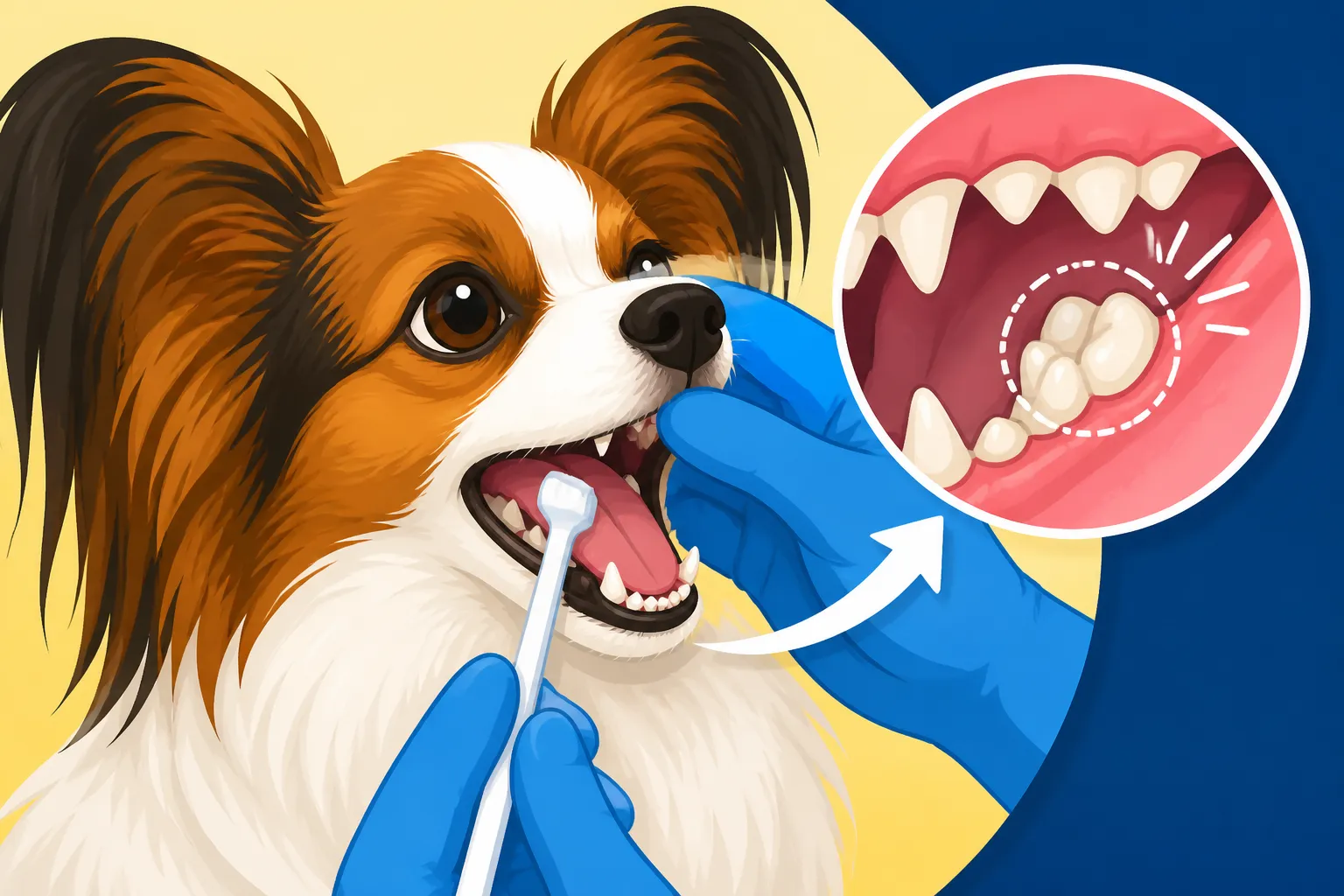
- Lift the Lip, Don't Pry Open the Jaw: The trick to reaching the back teeth is often not to force their mouth wide open, which can be uncomfortable and frightening. Instead, gently lift their upper lip on one side with your non-brushing hand. This exposes the outer surface of their upper molars and premolars.
- Small Papillons, Small Mouths: For very small Papillons, you might need to use your thumb and forefinger to gently hold their muzzle. Your thumb can push up their upper lip, and your forefinger can pull down their lower lip, giving you a wider view and better access to both upper and lower back teeth on that side.
- Work One Side at a Time: Don't try to tackle both sides of their mouth at once. Focus on one side, clean it thoroughly, and then move to the other side. This is less overwhelming for your dog and allows you to be more precise.
- Angle is Everything: The angle of the toothbrush is critical. You're aiming for a 45-degree angle where the bristles meet the gumline. This allows the bristles to get under the gum, where plaque often hides, as well as cleaning the tooth surface.
Targeting Those Molars and Premolars
Now for the actual brushing! This takes a little finesse, but with practice, it becomes second nature.
- Circular Motions: Using small, gentle circular motions, brush the outer surface of the upper back teeth. Work from the very back molars forward to the premolars. Don't press too hard; the goal is to gently scrub away plaque, not scour their teeth.
- Inner Surfaces (if possible): While the outer surfaces are most prone to plaque buildup, if your Papillon tolerates it, try to brush the inner surfaces of their back teeth as well. This often requires even more dexterity and a tiny brush head. You might need to gently open their mouth slightly more, or approach from a different angle. If you can't manage the inner surfaces every day, don't despair – getting the outer surfaces clean is still a huge victory.
- Focus on the Gumline: Remember that the most important area to clean is where the tooth meets the gum. This is where plaque accumulates and where gingivitis begins. Ensure the bristles are gently massaging the gumline as you brush.
- Short, Effective Sessions: Papillons have short attention spans for this kind of activity. Aim for 30-60 seconds per side, if possible, but even 20 seconds of effective brushing on those back teeth is better than nothing. Don't prolong the session if your dog is clearly distressed; end on a positive note and try again later. Consistency, even in short bursts, is more important than infrequent, long, stressful sessions.
Making Brushing a Positive Experience
No one wants to wrestle their beloved Papillon daily. The key to long-term dental health lies in making brushing a positive, or at least neutral, experience. This is less about dominance and more about gentle persuasion and positive reinforcement.
Starting Early and Building Tolerance
The younger you start, the easier it will be. A Papillon puppy is far more adaptable than an adult dog who has never had their mouth touched.
- Puppy Power: If you have a puppy, start immediately. Even before their adult teeth fully erupt, get them used to having your fingers gently in their mouth. Touch their gums, lift their lips, and introduce the pet-safe toothpaste as a delicious treat on your finger. This builds positive associations from the very beginning. The Vaccination Schedule a Papillon Puppy Needs is another crucial early step in their care.
- Gradual Introduction for Adults: For an adult Papillon who's new to brushing, slow and steady wins the race. Don't jump straight to a full brushing session. Spend a few days just letting them lick toothpaste off the brush. Then, briefly touch the brush to their front teeth, rewarding generously. Gradually work your way back, increasing duration and reach over days or even weeks.
- Consistent Routine: Dogs thrive on routine. If brushing happens at the same time every day, your Papillon will learn to anticipate it. They'll understand that it's a short, predictable event that ends with a reward. This predictability reduces anxiety and resistance. Think of it as just another part of their day, like mealtime or walkies.
Rewarding Good Behavior
Positive reinforcement is the most powerful tool in your arsenal. Every successful step, no matter how small, deserves a reward.
- High-Value Treats: Have a high-value treat ready immediately after brushing. This should be something they absolutely adore – a tiny piece of cheese, cooked chicken, or a special dental treat. This creates a strong positive association: "Ugh, brushing, but YAY, chicken!" Over time, the positive anticipation of the treat can outweigh any mild discomfort from brushing.
- Verbal Praise and Affection: Don't underestimate the power of your voice and touch. During and immediately after brushing, offer calm, enthusiastic praise. "Good boy!" "Such a brave girl!" Follow up with a gentle pat or cuddle. Your positive energy is contagious and helps reinforce the idea that brushing is not something to fear.
- Keep it Short and Sweet: If you try to do too much, too soon, or if the session drags on, your Papillon will become frustrated and resistant. It’s better to have several very short, successful, and positive sessions than one long, stressful one. Always try to end on a good note, even if it means only brushing a couple of teeth effectively.
Troubleshooting Resistance
Sometimes, despite your best efforts, your Papillon might still resist. Don't give up! There are strategies to address common issues.
- Patience, Patience, Patience: This is the most important advice. If your Papillon is struggling, stop, take a breath, and try again later or the next day. Forcing them will only make them more fearful and make future sessions harder.
- Check for Pain: If your Papillon suddenly becomes resistant to brushing when they previously tolerated it, it could be a sign of underlying dental pain or other oral issues. A loose tooth, a gum infection, or even something stuck in their mouth could be causing discomfort. A vet check-up might be in order to rule out any medical reasons for their resistance. How a Papillon Hides Pain is a helpful resource for understanding subtle signs of discomfort.
- Change Tools or Technique: Maybe the toothbrush is too hard, the toothpaste flavor is repulsive, or your positioning is awkward for them. Don't be afraid to experiment with different brushes (finger brush vs. small bristle brush), different toothpaste flavors, or a new way of holding them. Sometimes a small change can make a big difference.
- Consult a Professional: If you're truly struggling, talk to your veterinarian or a certified professional dog trainer. They might have specific tips or techniques, or even demonstrate how to properly brush for your particular dog. Sometimes seeing it done by an expert can give you the confidence and skill you need. They can also advise on whether your Papillon's teeth might need a professional cleaning under anesthesia.
Beyond Daily Brushing: Comprehensive Dental Health
While daily brushing is paramount, it's just one piece of the puzzle for your Papillon's overall dental health. A holistic approach includes dietary considerations, appropriate chew toys, and regular professional veterinary care. This combination gives your little dog the best chance at avoiding serious dental issues over its exceptionally long lifespan. Dental Work Over a Papillon's Long Life really highlights the importance of this long-term commitment.
The Role of Dental Chews and Toys
When chosen carefully, certain dental chews and toys can offer supplementary cleaning benefits, especially for the back teeth that might still be tricky to reach daily. They provide mechanical abrasion as your Papillon chews, helping to scrape away plaque.
- VOHC-Approved Chews: Look for products that carry the Veterinary Oral Health Council (VOHC) seal of acceptance. This means the product has been scientifically proven to reduce plaque and/or tartar. Brands like Greenies or certain dental bones often have this designation. Always select chews appropriate for your Papillon's size and chewing style to prevent choking or tooth fractures. For instance, a small Papillon needs a very small chew.
- Hard vs. Soft: While hard chews can be effective, they also carry a risk of breaking teeth, especially in small breeds with delicate jaws. Very hard nylon bones, antlers, or real bones should generally be avoided. Softer, pliable dental chews that have some give are usually safer. Chew toys made of durable rubber can also provide beneficial texture for cleaning without being overly hard. Websites like Amazon and Chewy offer a wide array of dental chews, so be sure to read reviews and product descriptions carefully.
- Supervised Chewing: Always supervise your Papillon when they are enjoying a dental chew or toy. This prevents choking hazards if a piece breaks off, and ensures they are chewing it in a way that provides dental benefit rather than just swallowing it whole.
Regular Veterinary Check-ups and Professional Cleanings
Even with diligent home care, professional veterinary attention is indispensable for a Papillon's dental health. There are simply things you can't see or do at home.
- Annual Oral Exams: During your Papillon's annual wellness exam, your veterinarian will perform a basic oral inspection. They'll look for signs of plaque, tartar, gingivitis, broken teeth, and any other abnormalities. This helps determine if a professional cleaning is necessary. How Often a Papillon Needs a Wellness Exam is important for comprehensive health.
- Professional Dental Cleanings (Under Anesthesia): This is the gold standard for removing hardened tartar, especially from those hidden back teeth and below the gumline. A professional dental cleaning involves:
- Pre-Anesthetic Bloodwork: To ensure your Papillon is healthy enough for anesthesia. Whether a Papillon Needs Bloodwork Before a Dental explains why this is so important.
- Scaling: Using ultrasonic and hand scalers to remove plaque and tartar from above and below the gumline.
- Polishing: Smoothing the tooth surface to deter future plaque accumulation.
- Dental X-rays: Crucial for assessing the health of the tooth roots and jawbone, as much dental disease occurs below the gumline and is invisible to the naked eye. This is especially important for crowded Papillon mouths.
- Extractions: If any teeth are severely diseased or painful, they may need to be extracted.
Given how common dental issues are in Papillons, many will need professional cleanings every few years, sometimes even annually as they age. What a Papillon's Dental Costs is often a concern for owners, but the benefits for their pet's health are immense.
- Monitoring for Hidden Issues: Papillons, like many small breeds, can be prone to conditions like persistent deciduous teeth (retained baby teeth) that can exacerbate crowding and dental disease. Your vet can identify and address these issues early, preventing more serious problems down the line. Whether a Papillon Retains Its Baby Teeth explains this further.
Dietary Considerations for Oral Health
While diet alone cannot prevent dental disease, it can play a supporting role in maintaining oral health. What your Papillon eats, and how they eat it, can subtly influence plaque buildup.
- Kibble Size and Texture: Some believe that dry kibble helps scrape teeth clean. While this effect is minimal, choosing a kibble size that encourages chewing rather than immediate swallowing can offer a slight benefit. For a Papillon, this means small kibble they can actually crunch.
- Dental Diets: Certain prescription dental diets are specifically formulated with a unique kibble design that encourages mechanical scrubbing action as the dog chews. They also often contain ingredients that help prevent plaque and tartar formation. Discuss these options with your vet if your Papillon is particularly prone to dental issues.
- Minimizing Sticky Foods: Soft, sticky foods or frequent table scraps can adhere to tooth surfaces, especially in crowded mouths, and contribute to plaque buildup. While treats are fine, be mindful of their consistency and always brush after sticky meals if possible. Some owners using fresh food diets, like those offered by Ollie, find their dogs have good overall health, but the impact on dental plaque still comes down to the individual food's texture and composition.
- Water Quality: Providing fresh, clean water daily is essential. Some water additives contain enzymes or antibacterial agents that can help reduce bacteria in the mouth.
By combining consistent home brushing, especially targeting those tricky back teeth, with the right dental chews, a supportive diet, and regular professional veterinary care, you're giving your Papillon the very best chance at a long, healthy life free from dental pain. It's an investment of time and care, but one that pays dividends in their comfort and well-being. Whether Home Brushing Cuts a Papillon's Dental Bill highlights the financial benefits of preventative care.
Disclaimer
This article is for general informational purposes only and does not constitute professional advice. Laws, prices and regulations vary by location and change over time. Consult a qualified professional for guidance on your specific situation.