Whether a Papillon’s Chest Frill Mats
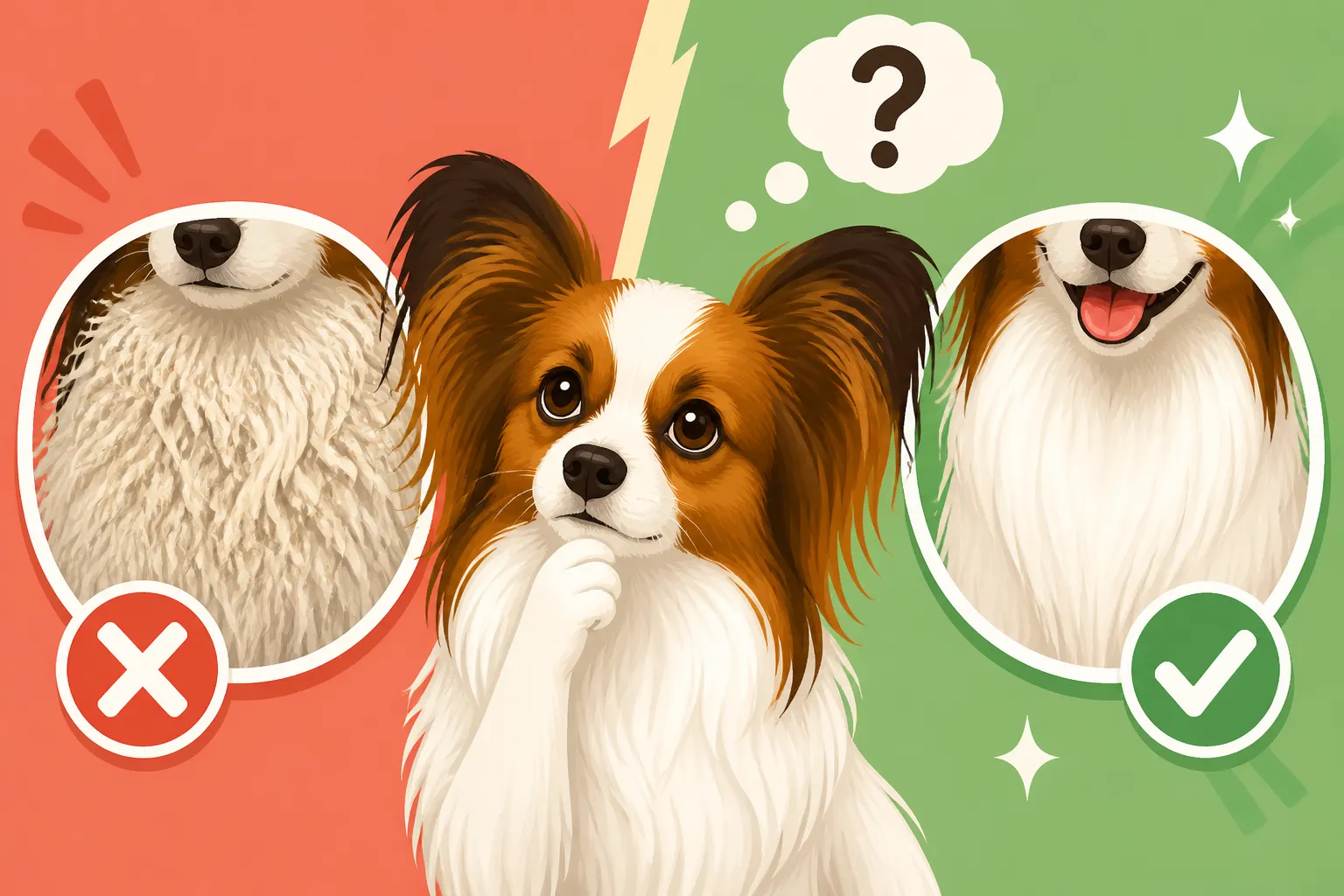
Oh, the Papillon's chest frill! It's one of those signature features, isn't it? That beautiful cascade of silky hair that frames their delicate little faces and just screams elegance. But if you're a Papillon parent, you've probably spent more than a few moments staring at that gorgeous fur, wondering if it's secretly plotting to turn into a giant, impossible knot. The truth is, yes, that lovely chest frill is prone to matting, and it can be a real headache, but with the right approach, you can keep it looking its best. This guide is all about understanding why those mats form and, more importantly, how to prevent and deal with them effectively.
The Distinct Nature of a Papillon's Chest Frill
When you look at a Papillon, that magnificent chest frill is often one of the first things that catches your eye. It's part of what gives them their regal, yet utterly adorable, appearance. But what exactly is it about this particular area of their coat that makes it so susceptible to tangles and mats? It’s not just random bad luck; there are distinct reasons rooted in their coat type and daily interactions that make this area a prime candidate for trouble.
What Makes the Chest Frill Unique
A Papillon's coat, overall, is a single coat, meaning they lack the dense, woolly undercoat that many other long-haired breeds possess. This is fantastic in many ways – it generally means less shedding and a silkier texture that's less prone to the kind of packed-in matting you might find on a Pomeranian or a long-haired Chihuahua. However, this single layer of fine, soft hair also has its vulnerabilities. The individual strands are long and delicate, almost hair-like rather than fur-like, and they flow freely. This flowing quality is what creates the beautiful "frill" effect, but it also means that these long strands are constantly moving, rubbing, and intertwining with each other. This continuous friction is the perfect recipe for initiating small tangles that, if left unattended, quickly escalate into full-blown mats. It's a double-edged sword: the very quality that makes it so stunning also makes it a high-maintenance area.
Think of it like very fine human hair, long and prone to knotting if you don't brush it regularly. Now imagine that hair is constantly brushing against surfaces, getting wet, and perhaps even catching food bits. That’s essentially what your Papillon’s chest frill is up against. The hair here is often longer than other parts of the body coat, especially around the bib and sternum, allowing for more opportunity to get caught and tangled. For more on their coat, check out A Papillon's Coat Is All Fringe and No Undercoat.
Why the Chest Area Is Prone to Matting
The chest area is a hub of activity for your Papillon, and this constant motion and interaction with the environment are primary contributors to matting. Firstly, it's a high-friction zone. Every time your Papillon lowers their head to eat or drink, or rubs against furniture, or even just walks with a collar or harness on, those delicate hairs are being compressed and rubbed. This friction, whether from a fabric collar or the repeated motion of their chin, causes the individual hair shafts to catch on one another, forming small knots. It's a bit like how a necklace can get tangled when tossed in a drawer; the movement and contact create the problem.
Beyond friction, moisture and debris are huge culprits. The chest frill is right in the splash zone when your Papillon drinks water, and it's practically a built-in napkin for any wet food that might cling to their muzzle after a meal. This dampness, especially if the hair isn't dried and brushed immediately, makes it incredibly easy for the strands to stick together and then tighten into mats as they dry. Even something as simple as dust or tiny bits of outdoor debris can get trapped in the damp or sticky hair, further contributing to the matting process. It’s a combination of natural hair tendencies and everyday life that makes this area particularly challenging to keep tangle-free.
Common Causes of Matting in the Chest Frill
Understanding why mats form is the first step in preventing them. For Papillons, their chest frill faces a daily barrage of factors that can turn their silky strands into felted nightmares. It’s not always about neglect; sometimes it’s just the realities of living with a spirited, adorable little dog. Pinpointing these common causes allows us to implement targeted strategies to keep that glorious frill flowing.
Everyday Activities and Their Impact
Our Papillons are active, curious, and, let's face it, sometimes messy creatures. These everyday actions, as innocent as they may seem, play a significant role in mat formation.
- Eating and Drinking: This is probably the biggest offender. Papillons, with their long muzzle fringe and often enthusiastic approach to mealtime, can easily get food and water caught in their chest frill. Imagine a wet, sticky kibble crumb landing right in that silky hair – it's a magnet for tangles. If your Papillon enjoys wet food or homemade meals, the problem can be even worse, as the stickier residue acts like a glue, binding the hair strands together. Even just drinking water means wet hair, and wet hair, when allowed to dry naturally without brushing, shrinks and tightens, forming mats. This is why you might notice mats directly under their chin and down their chest. You can also imagine how difficult it is to keep Whether a Papillon's Muzzle Fringe Gets Food In It clean, which often extends to the chest.
- Wearing Collars and Harnesses: While essential for walks and safety, collars and harnesses are a constant source of friction. A traditional collar rests directly on the neck and often presses down on the top of the chest frill, causing the hair underneath to rub and tangle. Harnesses, while often better for tracheal health, can also cause matting, especially around the chest plate and under the "armpits" where the straps meet the body. The constant movement of the harness against the fine hair creates friction, especially if the harness isn't perfectly fitted or is made of a rougher material. Considering Whether a Papillon Should Wear a Harness Instead of a Collar is important for overall comfort and coat health.
- Sleeping Positions: Papillons love to curl up into little balls, often tucking their noses into their chest or paws. This adorable sleeping posture can unfortunately create pressure points and friction on their delicate chest hair, especially if they sleep on a rough blanket or bed. The motion of them shifting and nestling can cause their hair to rub against itself and the bedding, leading to tangles and mats forming overnight.
- Rough Play and Exploration: A Papillon has no idea it’s small, and they love to dive headfirst into adventures, whether it's wrestling with a canine friend or exploring under the sofa. All this playful activity involves rolling, tumbling, and rubbing against various surfaces. Each instance provides an opportunity for those long, fine hairs to catch and knot, turning a fun afternoon into a mat-finding mission later that evening.
Environmental Factors and Coat Condition
Beyond daily activities, external environmental factors and the general condition of your Papillon's coat can significantly influence matting.
- Humidity, Dirt, and Dust: The environment your Papillon lives in plays a role. High humidity can make fine hair more prone to frizz and tangles, while dry air can lead to static electricity, which also encourages knots. Moreover, dirt, dust, pollen, and other outdoor debris can get caught in the chest frill. These tiny particles act like anchors, giving the hair something to cling to and knot around. A dog that loves to roll in leaves or explore dusty trails will inevitably pick up more foreign material, accelerating mat formation. This is particularly true if the hair is already a bit greasy or sticky from food residue.
- Lack of Regular Brushing: This is perhaps the most obvious cause, but it's worth reiterating. A Papillon's long, silky coat, especially in high-friction areas like the chest, simply demands regular attention. Skipping even a day or two of brushing can allow small tangles to tighten and expand, quickly becoming larger, more stubborn mats that are painful to remove. The purpose of brushing isn't just to make the coat look good, but to actively separate the individual hair strands and remove any developing knots before they can set in. You might be surprised at How Long a Papillon Takes to Brush if you're diligent, but it pays off! For many owners, the advice to brush daily, even if just for a few minutes, is vital. See How Often a Papillon Needs Brushing for more detailed guidance.
- Seasonal Shedding (Even in a Single Coat): While Papillons are often celebrated for being low-shedding, they do still shed. Their single coat means you won't get huge clumps of undercoat, but individual hairs do reach the end of their life cycle and fall out. If these dead hairs aren't brushed out, they get caught within the living coat, contributing to tangles and mats. They essentially become tiny anchors, binding the healthy hair together. This shedding might be more noticeable during seasonal changes, requiring a slight uptick in your grooming routine.
- Dry Skin Contributing to Tangles: A healthy coat starts with healthy skin. If your Papillon has dry skin, the hair shafts themselves can become brittle, leading to more breakage and split ends, which are more prone to tangling. Dry skin can also lead to more scratching and rubbing, exacerbating matting in the process. Whether a Papillon Gets Dry Skin is a common concern that can manifest in coat quality. Ensuring your dog's diet is rich in Omega fatty acids and that they are bathed with appropriate, moisturizing shampoos can help maintain skin and coat health, reducing the likelihood of dryness-induced tangles.
Preventing Mats in Your Papillon's Chest Frill
Prevention is always easier than cure when it comes to Papillon coat care. While those chest frills are beautiful, they are also delicate, and a proactive approach will save you and your furry friend a lot of discomfort and frustration. Building a consistent routine and making smart daily choices are key to keeping those magnificent fringes free of tangles.
Daily Grooming Routines That Work
Consistency is your best friend here. Just a few minutes each day can make a world of difference.
- Gentle Daily Brushing with the Right Tools: This is non-negotiable for a Papillon owner. You don't need to do a full spa treatment every day, but a quick brush-through of the chest frill (and other high-friction areas) is essential. A good quality pin brush is perfect for gently separating the long hair without pulling, followed by a metal comb to work through any smaller knots near the skin. Always brush in layers, starting from the ends and working your way up to the roots, using a gentle flicking motion. Never just yank a brush through a knot; that's how you cause pain and break hair. Finding Which Brush a Papillon Needs is crucial. I personally swear by a good metal comb with both wide and fine teeth.
- Using Detangling Spray: A spritz of detangling spray before brushing can be a game-changer. These sprays lubricate the hair strands, making them much easier to separate and glide past each other. They can also help reduce static, which is a common cause of tangles in fine hair. You can find excellent detangling sprays at your local pet store or through online retailers like Chewy or Amazon. A good quality leave-in conditioner or detangling spray can significantly reduce friction while brushing and prevent new tangles from forming throughout the day. For more on this, check out Whether Detangler Helps a Papillon.
- Checking After Walks and Play: Make it a habit to quickly check your Papillon's chest frill after any outdoor adventure or particularly rambunctious play session. Bits of leaves, twigs, burrs, or even just general dust and dirt can easily get caught in the delicate hair. Removing these immediately, before they have a chance to get worked deeper into the coat or cause matting, is a simple yet effective preventative step. A quick run-through with a comb can make all the difference.
Smart Choices to Minimize Matting Risk
Beyond active grooming, some simple lifestyle adjustments can significantly reduce the incidence of mats.
- Mindful Feeding Practices: To combat the food and water residue problem, consider a few options.
- Elevated Bowls: Raising your Papillon's food and water bowls can reduce how much their chest frill dips into the contents.
- Snoods or Bibs: For particularly messy eaters, a snood (a fabric tube that covers their ears and chest frill during meals) or a small fabric bib can be incredibly effective at keeping hair out of their food and water. You can find cute and practical options on Amazon.
- Post-Meal Wipe-Down: After meals, a quick wipe of their muzzle and chest frill with a damp cloth can remove any sticky residue before it has a chance to dry and cement into mats.
- Harness vs. Collar Discussion: As mentioned earlier, collars can rub and mat. Many Papillon owners opt for a harness, which distributes pressure more evenly and keeps friction off the delicate neck and chest area, especially if you have a "puller." However, ensure the harness is well-fitting and made of a soft material to prevent matting under the legs and chest plate. Always take the harness off when not walking to give the fur a break and allow you to brush those areas. This is vital advice for anyone asking Whether a Papillon Should Wear a Harness Instead of a Collar.
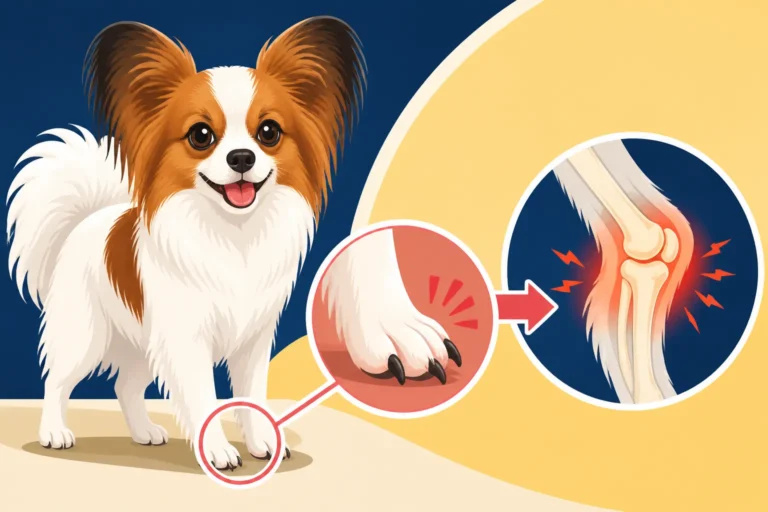
- Keep Nails Trimmed: This might seem unrelated, but healthy paws contribute to healthy movement. Overly long nails can change your Papillon's gait, potentially leading to them catching their paws on their chest frill more often, or rubbing in unusual ways that create tangles. Keeping their nails short and neat helps them move naturally and reduces accidental coat damage. The importance of this extends to their overall skeletal health, as discussed in Why a Papillon's Nails Affect Its Knees.
- Regular Bathing and Conditioning: While daily brushing is key, regular bathing also plays a role. A clean coat is less likely to tangle than a dirty or greasy one. Use a good quality dog shampoo and conditioner designed for long, silky coats. The conditioner helps to smooth the hair cuticles, making them less prone to catching on each other. Always thoroughly rinse out all products and gently pat dry, then follow up with a blow-dry on a cool setting while brushing to ensure the coat is completely dry and tangle-free. Check out Which Shampoo Suits a Papillon's Coat for product guidance.
Here's a quick comparison of common grooming tools that can help with the chest frill:
| Tool | Best Use for Chest Frill | Pros | Cons |
|---|---|---|---|
| Pin Brush | Gentle daily detangling, removing loose hair | Doesn't pull, good for overall fluffing and separating | May not reach small knots close to skin; not for severe mats |
| Metal Comb | Working through small tangles, checking for hidden mats | Reaches skin, effective for finding and separating knots | Can pull if used improperly on large knots; choose teeth spacing |
| Slicker Brush | Removing dead undercoat (though Papillons lack much) | Effective for quick de-shedding (if any) and smoothing | Can be harsh on fine Papillon hair; easy to scratch skin |
| Detangling Spray | Lubricating hair, reducing static, easing brushing | Makes brushing smoother, helps prevent new tangles | Requires consistent application; some dogs dislike the spray sound |
| Blunt-Tipped Scissors | Carefully cutting out only the tightest, impossible mats | Last resort for severe, painful mats | High risk of cutting skin; should only be used as a last resort |
Dealing with Existing Mats Safely
Despite your best efforts, mats can and will happen. When you find one in that beautiful chest frill, it can be disheartening, but the key is to approach it with patience and the right technique. Aggressive pulling or cutting blindly can cause pain, skin irritation, or even accidental injury to your Papillon.
Gentle Detangling at Home
For small to moderate mats, you can often handle them yourself with a careful, gentle approach.
- Gather Your Supplies: Before you start, make sure you have everything you need: a good quality metal comb with both wide and fine teeth, a pin brush, a detangling spray or a light coat conditioner, and maybe some cornstarch or baby powder. Having all your tools ready means you won't have to stop mid-process.
- Patience is Your Main Tool: Seriously, this is more important than any brush. Find a time when your Papillon is relaxed and cooperative. Sit them comfortably on your lap or on a grooming table if they're used to it. Speak in a soothing voice and offer praise and treats generously throughout the process. Rushing will only make things worse and create a negative association with grooming.
- Isolate and Lubricate the Mat: Gently separate the matted section of hair from the surrounding healthy hair. Hold the hair firmly at the base, close to the skin, to prevent pulling on their delicate skin while you work. This is super important because pulling can be very painful. Then, spray the mat liberally with detangling spray or apply a small amount of cornstarch or baby powder directly onto the mat. The cornstarch helps to absorb oils and makes the hair less slippery, while detangling spray lubricates it. Work the product into the mat with your fingers.
- Pick Apart, Don't Pull: Start from the very end of the mat, using just the tips of your comb's teeth or even your fingers. Gently tease out individual strands or small sections of hair. Work slowly, patiently, and in tiny increments. Once you've loosened the outer edge, move further into the mat. You're essentially unwrapping the knot, rather than trying to rip through it. If you hit a snag, stop, apply more detangler, and try to work from a different angle. This process can take time, so be prepared for several short sessions if the mat is stubborn. Remember, you're aiming to gently separate, not tear.
When to Call a Professional Groomer
Sometimes, a mat is just too big, too tight, or too close to the skin for safe home removal. Recognizing when to call in a professional is a sign of responsible pet ownership.
- Severe Matting or Skin Irritation: If a mat has become a solid, felted clump that's pulling on your Papillon's skin, or if the skin underneath appears red, irritated, or broken, it's definitely time to see a professional groomer or even a vet. Attempting to remove severe mats yourself can cause significant pain, further skin damage, or accidental cuts, which could lead to infection. Professional groomers have specialized tools, like clippers with safety guards, and the experience to remove mats safely and efficiently, even if it means shaving the area.
- Papillon's Discomfort or Pain: If your Papillon shows signs of distress, yelping, or trying to bite when you try to tackle a mat, stop immediately. Their comfort and safety come first. A painful matting experience can make them resistant to all future grooming, turning a necessary routine into a battle. A professional groomer can often work more quickly and with less stress for your dog, or your vet can sedate them if necessary for extreme cases.
- Lack of Time or Experience: Let's be honest, not everyone has the time, patience, or skill set to tackle a really bad mat. If you feel overwhelmed, frustrated, or simply lack confidence, don't hesitate to call a groomer. They deal with matted coats every day and can provide a humane solution. They can also offer advice on preventing future mats and demonstrate proper brushing techniques for areas like the chest frill. Many groomers carry a range of specialized products, some of which you might recognize from brands available on Chewy or even professional-grade items not commonly found in regular stores. They are an invaluable resource for maintaining your Papillon's beautiful coat.
Disclaimer
This article is for general informational purposes only and does not constitute professional advice. Laws, prices and regulations vary by location and change over time. Consult a qualified professional for guidance on your specific situation.