Whether a Papillon’s Feathered Feet Hide Long Nails
It's a common dilemma for Papillon parents: you adore those elegant, feathery paws, but underneath all that beautiful fluff, are the nails growing too long? It's incredibly easy to miss until you hear the tell-tale click-clack on your hardwood floors, or worse, see your beloved companion adjusting their gait or even limping. That luxurious feathering, while undeniably gorgeous, acts like a master of disguise, concealing overgrown nails until they become a real problem. This guide is all about navigating the unique challenge of Papillon paw care, especially when their lovely foot feathering acts as a secret hiding spot for problematic nail length.
The Deceptive Charm of Papillon Feathered Feet
Papillons are renowned for their elegant appearance, and a significant part of that charm comes from their beautiful, flowing coat, including the abundant feathering on their ears, tail, and, yes, their feet. These delicate "slippers" of fur around their paws are exquisite, adding to their dainty appeal. However, this same beauty can present a unique challenge when it comes to maintaining their nail health.
Why the Feathering Hides the Truth
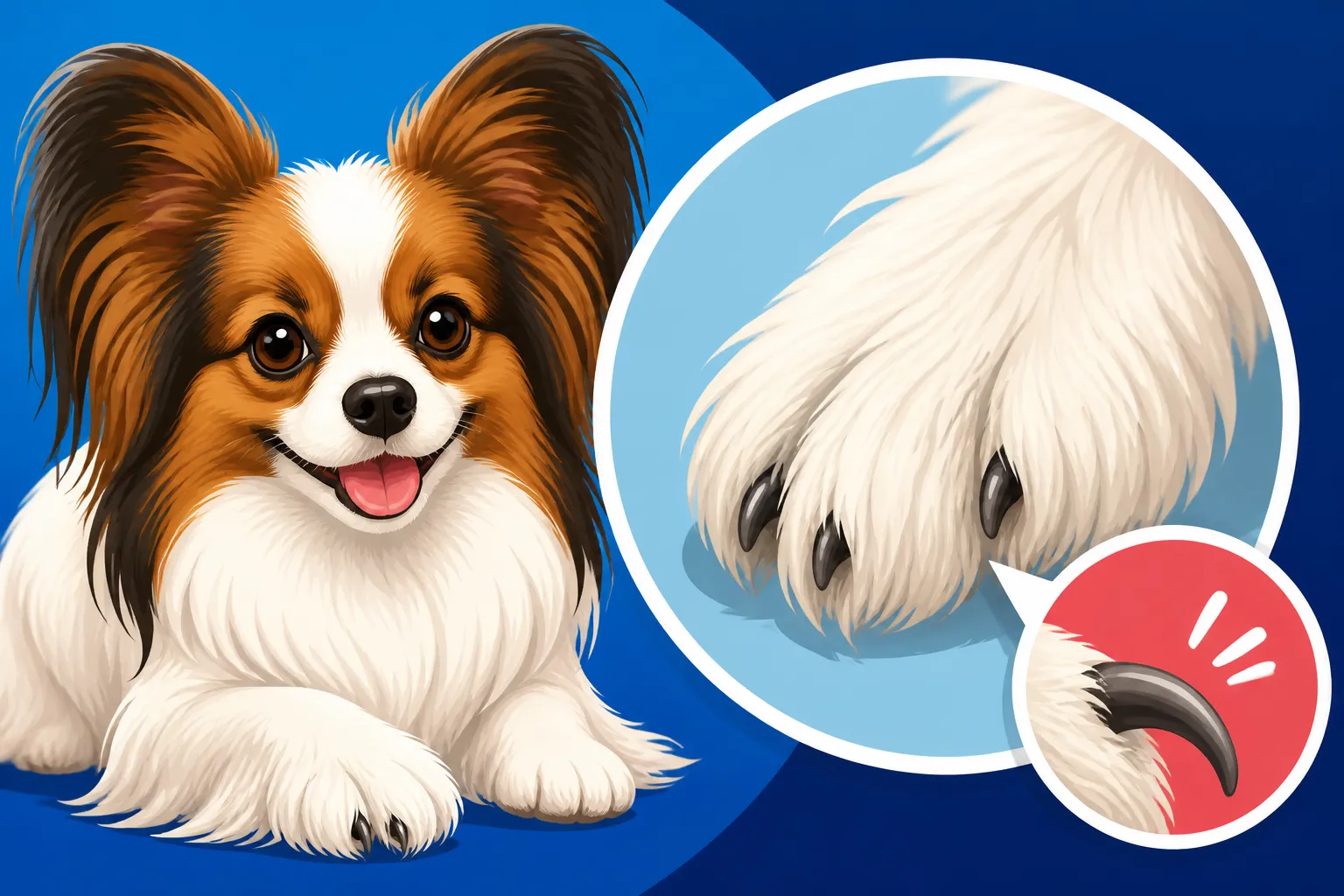
Imagine a tiny, fluffy cloud with a little foot tucked inside. That's often what a Papillon's paw looks like! Their long, silky hair grows not just over the top of their feet but also between their toes, often extending past the actual paw pad. This thick growth can completely envelop their nails, making it nearly impossible to see how long they truly are with a quick glance. You might look down and see what appears to be a perfectly coiffed paw, oblivious to the fact that the nails underneath are reaching epic proportions. This is particularly true for Papillons with very dense or fast-growing coat. It’s not a flaw in their grooming; it’s just the nature of their beautiful breed, and it requires a more hands-on approach from us, their caregivers.
The Illusion of Short Nails
Many owners are genuinely surprised when a groomer or vet points out their Papillon's overgrown nails, because they've been diligently brushing and thought everything was fine. The feathering creates an optical illusion, making the nails appear much shorter than they are. When a Papillon stands or walks, the long hair around their toes touches the ground first, cushioning the impact and preventing the nails from making a distinct sound until they are already quite long. It's not like a short-coated dog where you can clearly see the nails extending past the pads. With a Papillon, you have to actively part the hair and inspect each nail individually to get an accurate assessment. This extra step is crucial, and it’s one that’s easy to overlook in the hustle and bustle of daily life, leading to potential issues down the road.
The Silent Dangers of Overgrown Papillon Nails
Beyond the aesthetic, overgrown nails in any dog, especially a small breed like the Papillon, pose significant health risks. It's not just about an unsightly appearance; it's about comfort, mobility, and long-term joint health. The small stature and delicate bone structure of a Papillon make them particularly susceptible to the negative impacts of neglected nails.
Impact on Gait and Posture
When a Papillon's nails get too long, they push back into the nail bed, causing discomfort and pain. This forces the dog to shift their weight and adjust their gait, leading to an unnatural distribution of pressure on their paw pads and joints. Instead of walking on their pads, they might start walking on the sides of their feet or constantly splaying their toes to avoid the pressure from the nails. Over time, this altered gait can cause strain on their wrists, elbows, and shoulders, and it puts undue stress on their delicate knee joints. We often see Papillons develop issues like Patellar Luxation Is the Papillon Problem You Will Actually Meet, and while long nails aren't a direct cause, they certainly exacerbate any existing joint weakness or predispositions. Imagine trying to walk comfortably if your shoes were constantly pushing your toes upwards – it’s a similar, painful experience for them.
Long-Term Health Complications
The implications of overgrown nails extend far beyond immediate discomfort. Chronically long nails can lead to irreversible changes in foot structure, including splayed toes and flattened feet. The constant pressure can also cause the quick (the sensitive part of the nail with blood vessels and nerves) to grow longer, making future nail trims even more challenging and riskier. If a nail grows long enough, it can curl under and grow into the paw pad itself, causing severe pain, infection, and requiring veterinary intervention. This is not uncommon, especially if the feathering truly conceals the issue for months on end. Additionally, improper paw alignment due to long nails can contribute to more generalized orthopedic problems as the Papillon ages. Regularly checking your Papillon's nails is just as vital as understanding How Long a Papillon Lives and ensuring their overall well-being.
Mastering Papillon Nail Trimming Despite the Feathering
The key to preventing issues with overgrown Papillon nails is consistent and careful trimming. Yes, their feathered feet make it a bit trickier, but with the right tools, technique, and a calm approach, you absolutely can keep those nails in tip-top shape.
Essential Tools for the Job
Before you begin, gather your supplies. You'll need good quality nail clippers – either guillotine style or scissor style, whichever you're most comfortable with. Many Papillon owners also find a small, quiet nail grinder to be incredibly useful, especially if their dog is anxious about clippers or if they want to get the nails extra smooth. You can find excellent options on Amazon or Chewy, and reading reviews from other small dog owners can help you pick the best fit. Don't forget styptic powder, just in case you accidentally cut into the quick. This is a common fear, and having styptic powder on hand provides peace of mind. For some Papillons, a small pair of blunt-nosed scissors might also be helpful to carefully trim away excess feathering around the nails before you even pick up the clippers, giving you a clearer view. This isn't about giving them a fancy trim; it's purely for practical visibility.
Step-by-Step Nail Trimming Technique
First, find a quiet, well-lit place where both you and your Papillon can be comfortable. Gently take one paw and carefully part the long feathering around each toe to expose the nail. Take your time with this step; don't rush. You should clearly see the nail and, ideally, the quick if your Papillon has lighter-colored nails. For dark nails, it's often a process of trimming tiny bits at a time. Hold the paw firmly but gently, extending each toe to isolate the nail you're working on. Aim to cut or grind just the tip, at a slight angle, being careful to avoid the quick. Remember, it's better to take off too little than too much. If using clippers, make quick, confident snips. If using a grinder, use short bursts, lifting the grinder frequently to prevent heat buildup. Always offer praise and a tasty treat after each nail or paw to make it a positive experience. Consistency is key here; frequent, short sessions are better than infrequent, stressful ones. This routine will also make other grooming tasks, like How Often a Papillon Needs Brushing, much easier over time.
| Nail Trimming Tool | Pros | Cons | Best For |
|---|---|---|---|
| Scissor Clippers | Easy to use, quick cuts, widely available | Can be intimidating, risk of cutting quick too deep | Confident owners, dogs tolerant of quick snips |
| Guillotine Clippers | Good leverage, clean cuts | Can be bulky for tiny paws, risk of crushing nails | Larger small dogs, experienced users |
| Nail Grinder | Smooth finish, less risk of cutting quick | Takes longer, noise/vibration can scare dogs, heat buildup | Anxious dogs, precise shaping, extending quick |
| Blunt-Nosed Scissors | Trimming feathering for visibility | Not for nails, easily dulls, can accidentally cut skin | Pre-trimming paw hair only |
Training and Patience Are Your Best Friends
Some Papillons might be naturally hesitant about paw handling and nail trimming. Start early with puppies by simply touching their paws, playing with their toes, and giving treats. Even adult rescues can learn to tolerate it with patience. Make it a positive association by offering high-value treats and praise. If your Papillon is particularly resistant, consider breaking the process down into tiny steps over several days. One nail a day, or even just touching the clippers to their paw, can build trust. Don't be afraid to enlist the help of a professional groomer or your veterinarian if you're struggling. They have techniques and experience that can make a huge difference. Remember, regular paw handling is also crucial for recognizing issues like Signs a Papillon Has a Collapsing Trachea or other health indicators that might show up in their stance or discomfort.
Proactive Care for Healthy Papillon Paws
Regular nail trimming is paramount, but a holistic approach to paw care can make all the difference, especially for a breed like the Papillon with its unique foot feathering and potential for joint issues. Prevention is always better than cure.
The Importance of Routine and Observation
Establish a consistent routine for checking and trimming your Papillon's nails. For some, it might be weekly, for others, every two to three weeks. The frequency depends on how quickly their nails grow and how much natural wear they get from walking on rough surfaces (though indoor Papillons get very little). Make it a habit to lift their feathered feet, part the hair, and inspect each nail. This regular observation allows you to catch any problems early, such as a nail starting to curve, any redness or irritation around the nail bed, or even changes in the paw pads themselves. This also ties into overall preventive care, similar to considering Whether a Papillon Needs a Yearly Eye Exam or routine dental checks. Small dogs are masters at hiding discomfort, so your vigilant observation is key.
Grooming Beyond Just Trimming
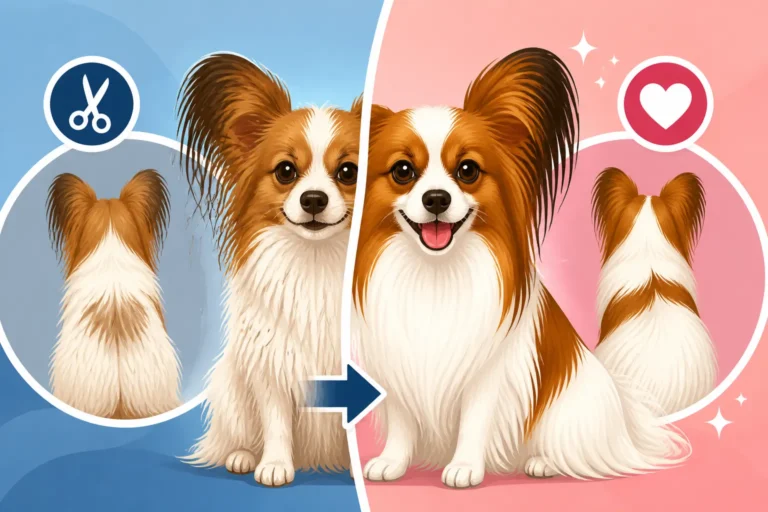
Beyond the nails themselves, keeping the feathering around the paws neat and tidy is essential. The long hair between the paw pads can collect dirt, debris, and even ice balls in winter, leading to discomfort or matting. Carefully trimming this excess hair flush with the paw pads can improve traction, reduce the likelihood of foreign objects getting stuck, and make it easier to inspect the nails. You can use blunt-nosed grooming scissors for this, being extremely careful not to cut the skin. Many owners find this aspect of grooming something they prefer to leave to a professional groomer, but it's an important part of comprehensive paw health. A well-trimmed paw, combined with proper nail length, will also reduce the strain on their joints, which is especially important given that Why a Papillon's Nails Affect Its Knees.
Supporting Paw Health with Good Habits
Beyond direct grooming, consider your Papillon's daily environment. If you have slippery hardwood or tile floors, consider runners or rugs to provide traction and reduce strain on their joints from constant slipping, which long nails can worsen. Ensure they get enough appropriate exercise on varied surfaces to help naturally wear down their nails, but always be mindful of their delicate build and avoid excessive jumping from furniture, which can stress their knees. Whether a Papillon Should Be Stopped From Jumping Off Furniture is a crucial consideration for their joint health. Finally, a balanced diet is important for overall health, including strong nails and healthy skin. Products from reputable brands like Ollie can contribute to their well-being. Keeping a close eye on their overall health and understanding potential costs, like What a Papillon's Nail Trim Costs if you use a professional, will help you budget for and provide the best care.
Disclaimer
This article is for general informational purposes only and does not constitute professional advice. Laws, prices and regulations vary by location and change over time. Consult a qualified professional for guidance on your specific situation.