Which Other Painters Included Dwarf Spaniels
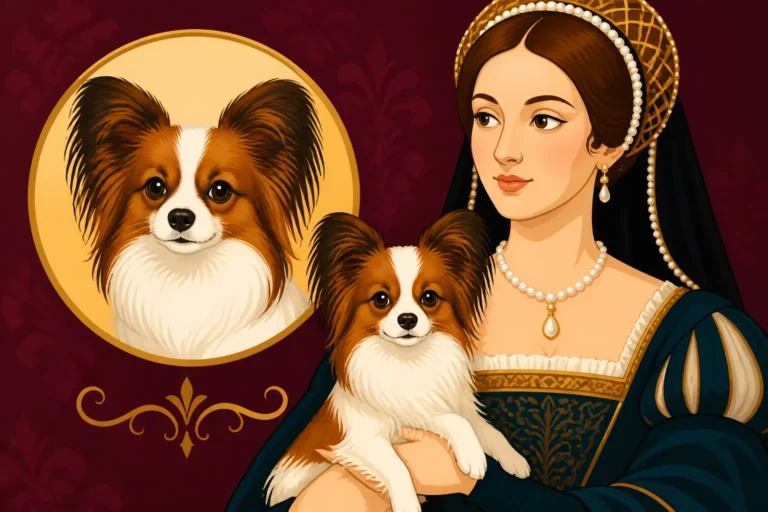
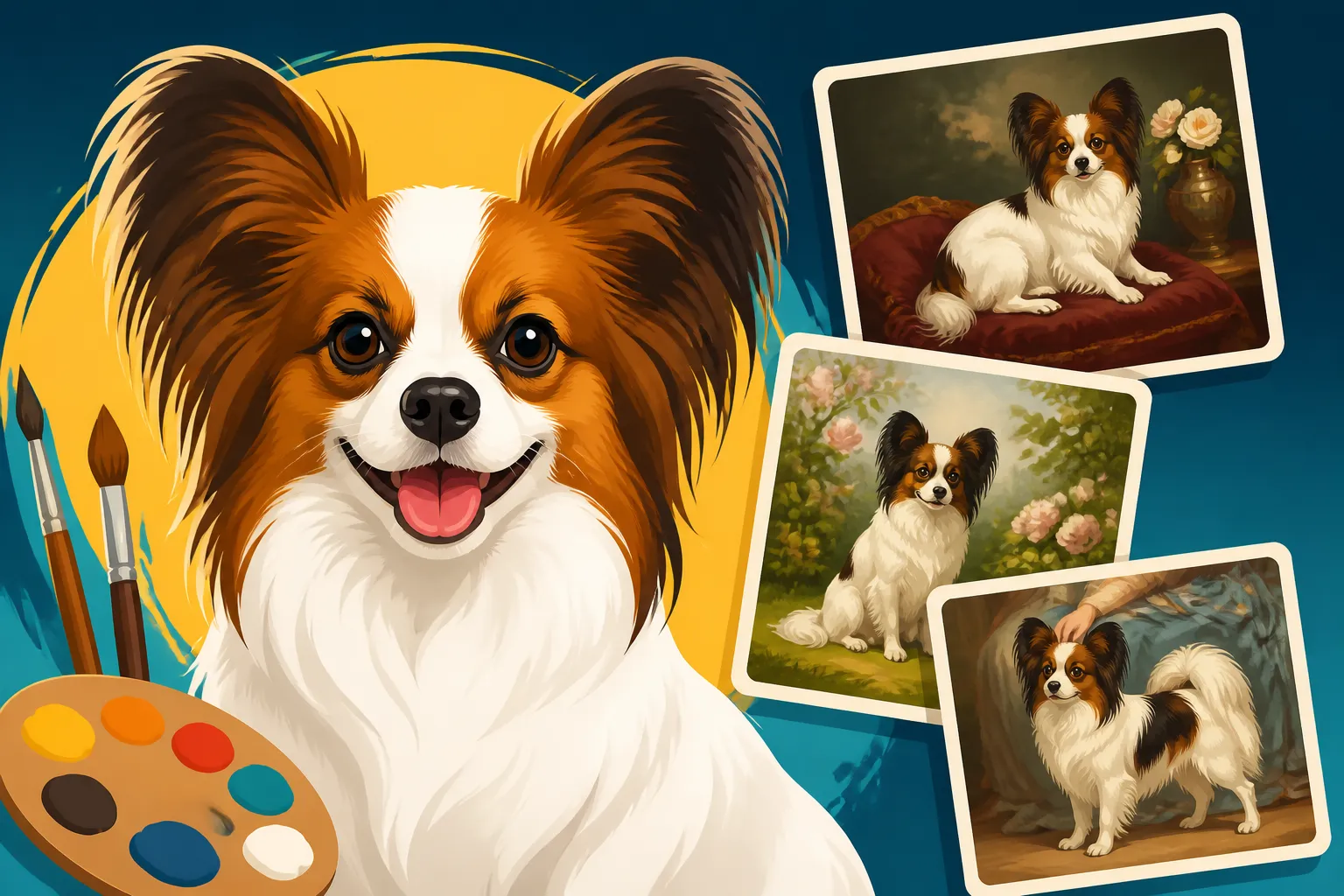
It's a common misconception among enthusiasts and even casual observers that if a "dwarf spaniel" or Papillon-like dog appears in historical art, it must be from the hand of Titian, thanks to his famous portrayal. While Titian certainly captured the essence of these charming companions, limiting their artistic legacy to one master would be to miss a vast and fascinating tapestry woven by countless other talented painters across centuries and nations. This guide will take you on a journey through art history, revealing the rich and varied depictions of these delightful little dogs by numerous artists, showing how they were cherished, portrayed, and even evolved on canvas long before they were officially recognized as the Papillon breed we adore today.
Beyond Titian: The Early Artistic Legacy of Dwarf Spaniels
While Titian's name is often the first associated with the ancestors of the Papillon, particularly his "Venus of Urbino" with the small spaniel curled at the foot of the bed, the tradition of depicting these charming little dogs stretches further and wider. The presence of dwarf spaniels in paintings wasn't a singular phenomenon but a developing trend that began long before the breed we know today took its distinctive "butterfly" ear shape. These early depictions offer a valuable window into the status and appearance of these beloved companions.
Italian Renaissance: Portraying Nobility and Companionship
In the vibrant courts and wealthy homes of Renaissance Italy, small dogs were more than just pets; they were symbols of status, loyalty, and refined domesticity. Artists frequently included them in portraits and allegorical scenes to enhance the narrative or reflect the sitter's character. These were often a type of What a Dwarf Spaniel Was, small spaniel-like dogs with soft, flowing coats and drop ears, much like the Phalene, the drop-eared variant of the Papillon.
Take, for instance, the works of Paolo Veronese. This Venetian master, famous for his grand narrative paintings and opulent use of color, often populated his scenes with an array of animals, including small, elegant dogs that bear a striking resemblance to our early Papillon ancestors. In his majestic works, these dogs might be found nestled on laps, peeking from under tables, or even interacting playfully with the human subjects. They weren't just decorative fillers; their inclusion underscored the warmth and humanity of the scene, or, in more formal portraits, subtly emphasized the sitter's wealth and leisurely lifestyle. Similarly, Palma Vecchio, another prominent Venetian painter, occasionally featured such dogs, solidifying their presence as integral members of the noble household. These artists, through their detailed brushwork, show us dogs that were clearly well-groomed and cherished, often depicted with an alert, intelligent gaze that mirrors The Papillon Is the Smartest Toy Breed There Is characteristic we admire in the breed today. Their long, silky coats, even without the modern ear fringe, speak to the luxurious texture that has always been a hallmark of these dogs.
Flemish Masters: Intricate Details and Domestic Scenes
As the Renaissance influence spread north, Flemish painters, renowned for their meticulous detail and rich symbolism, also embraced the inclusion of small companion dogs in their works. While their stylistic approach differed from the Italians, their affection for these tiny creatures was equally apparent. These artists were masters of capturing texture and light, making their depictions incredibly lifelike, down to every strand of the dog's soft coat.
Though Jan van Eyck's famous "Arnolfini Portrait" features a more robust terrier-type dog, which is often cited as a symbol of fidelity, the tradition of featuring small companion animals in detailed domestic settings certainly continued through later Flemish masters. Artists like Peter Paul Rubens, while known for his grand, often more powerful and large dog breeds, sometimes included smaller, more delicate canines in family portraits or allegorical scenes, though they might not always be the exact drop-eared spaniel type. However, other Flemish genre painters, focusing on everyday life, often showed small, affectionate lapdogs. These animals were depicted with great accuracy, their silky fur and gentle expressions testament to their role as beloved pets within the burgeoning merchant class and aristocracy of the Low Countries. These Flemish works highlight the dog's role as a comforting presence, often seen on a luxurious rug or draped across a lady's lap, demonstrating the dog's growing integration into the intimate spaces of human life. The meticulous attention to detail in these paintings helps us visualize the long, flowing coats that characterize the A Papillon's Coat Is All Fringe and No Undercoat today, even if the distinctive ear feathering hadn't fully developed.
The Baroque Era: Grandeur and Intimacy on Canvas
Moving into the Baroque period, art became more dramatic, emotional, and often focused on themes of grandeur, power, and intense human experience. Yet, within this shift, the small dwarf spaniel continued to find its place, adapted to the changing artistic sensibilities and the new roles it played in society, particularly within royal courts.
Spanish Golden Age: Dignity in Royal Portraits
During Spain's Golden Age, artists like Diego Velázquez elevated portraiture to an art form that captured not just physical likeness but also the sitter's inner world and status. Velázquez, court painter to King Philip IV, included dogs in several of his most iconic works, most notably "Las Meninas." While the large mastiff in the foreground often steals attention, small dwarf spaniels also appear in the periphery or in other portraits. These dogs were not mere props but sentient beings reflecting the dignity and often the loneliness of their royal companions.
The dwarf spaniels depicted by Velázquez, and other Spanish court painters, possess a quiet grace. They are usually portrayed with solemn expressions, often positioned close to their royal masters, underscoring their role as trusted confidantes and symbols of aristocratic leisure. Their presence speaks volumes about the value placed on these animals within the strictest and most formal European courts. These paintings offer a glimpse into the kind of life these dogs led, a life of luxury and close companionship, far removed from the working dogs of the era. The dogs are invariably well-fed, beautifully groomed, and possess the long, elegant ear feathering that, while not yet the erect "butterfly" ears, foreshadows the breed's later development. It’s fascinating to consider how these cherished companions, often depicted with such serene dignity, would have responded to the strict etiquette of the Spanish court.
Dutch and Flemish Baroque: Everyday Life and Quiet Companions
While Spanish Baroque art often focused on royalty, the Dutch and Flemish Baroque periods, especially in the Netherlands, saw a rise in genre painting—scenes of everyday life for the burgeoning middle class. Here, small dogs were frequently included, not as symbols of grandeur, but as cherished members of the household, bringing warmth and life to domestic scenes.
Artists such as Jacob Jordaens, a prominent Flemish painter, often included animals in his large, bustling family portraits and genre scenes. While his dogs might sometimes be larger, he also depicted smaller, affectionate canines interacting with children or resting at the feet of adults, adding a touch of realism and tenderness to his compositions. These dogs, with their expressive eyes and often dishevelled charm, remind us that pets have always been an integral part of family life. They reflect a more intimate, less formal relationship than those found in royal portraits. The way they are portrayed—often in playful poses or gazing up adoringly at their owners—speaks to their intelligent and eager-to-please nature, a trait still very much alive in the Papillon. These paintings help us understand What a Papillon Needs Every Day: companionship, comfort, and a place within the family unit, just as much as they needed it centuries ago.
The Rococo Splendor: Playfulness and Adornment
The transition from the grandiosity of the Baroque to the lighter, more ornamental, and often whimsical Rococo style in the 18th century brought a new aesthetic for the depiction of small dogs. The dwarf spaniel, already a fixture in aristocratic homes, truly came into its own as the quintessential lapdog of this era, celebrated for its delicate beauty and playful spirit.
French Rococo: The Epitome of Lapdog Luxury
France, the birthplace of Rococo, became the epicenter for this shift in taste, and French painters lovingly rendered these dogs as embodiments of charm and aristocratic indulgence. Artists like Jean-Honoré Fragonard and Antoine Watteau, with their dreamy, pastel palettes and scenes of leisurely elegance, frequently included small, long-haired spaniels. These dogs were often found frolicking in lush gardens, nestled on silk cushions, or playfully interacting with their elegantly dressed mistresses.
Fragonard's work, in particular, often features these dogs as active participants in his romantic and sometimes mischievous scenes, highlighting their lively and engaging personalities. They are often depicted with a lively intelligence in their eyes, their long coats meticulously painted to convey softness and luxury. These depictions were not just about the dog, but about the joie de vivre and refined sensibility of the Rococo period itself. The dogs themselves embody this spirit—delicate yet spirited, beautiful yet engaging. It's during this era that the breed's ears likely began to take on the more erect, butterfly-like appearance, eventually distinguishing the Papillon from its Phalene (drop-eared) counterpart. The exquisite rendering of their fur in these paintings truly captures the flowing beauty of The Ear Fringe That Gives the Papillon Its Name. Even more focused animal portraitists like Jean-Baptiste Oudry, while perhaps less widely known than Fragonard, also captured the beauty and spirit of these delicate spaniels, often commissioned by nobility to immortalize their beloved companions. These works underscore that the expense of owning such a dog, and commissioning its portrait, was a significant investment, much like calculating the Fifteen Years of a Papillon, Priced Out would be for a modern owner.
English Influence: From Grand Homes to Sentimental Scenes
Across the Channel, English portraiture, while maintaining its own distinct character, also absorbed some of the Rococo charm, leading to equally captivating depictions of small companion dogs. The shift towards greater sentimentality in art, particularly in portraying children and pets, provided ample opportunity for these dogs to shine.
Artists like Thomas Gainsborough, known for his elegant portraits and idyllic landscapes, occasionally included small dogs in his works, often sitting demurely beside their owners or gazing up with devoted affection. While not always the distinct butterfly-eared Papillon we recognize today, these were undoubtedly the same lineage of continental toy spaniels. Their presence added a touch of warmth and domesticity, emphasizing the close bond between humans and their canine friends. These English paintings, while sometimes more reserved than their French counterparts, still convey the same sense of a beloved, pampered pet. The delicate features and expressive eyes of these dogs are rendered with a tenderness that speaks to their valued place in the household, paving the way for the formalized recognition of the breed later on. These artistic representations consistently show a progression from a generic small spaniel to a more refined, distinctive dog, hinting at the deliberate breeding choices that would eventually lead to the Papillon.
Symbolism and Evolution in Canine Depictions
The recurrent appearance of dwarf spaniels in European art across centuries is no accident. Their inclusion often carried deeper meanings, evolving from simple markers of status to complex symbols. Examining these symbolic roles, alongside the subtle changes in their physical portrayal, offers a rich understanding of both art history and breed development.
Beyond Mere Pets: Allegory and Status
In many historical artworks, the small companion dog was far more than just a cute addition; it was a carefully chosen element imbued with symbolic meaning. For the nobility and wealthy patrons, a meticulously groomed dwarf spaniel often symbolized luxury, leisure, and a refined lifestyle—a clear indicator of high social standing. The cost and effort of acquiring and maintaining such an animal underscored one's affluence.
Beyond status, these dogs frequently represented fidelity and loyalty. Their unwavering devotion to their masters made them powerful emblems in portraits, suggesting the steadfast character of the sitter. In allegorical paintings, a dog at a woman's feet might signify marital fidelity or virtuousness. In some religious contexts, particularly within depictions of saints, a dog could even represent faith or piety. Artists were keenly aware of these associations and utilized the presence of these dogs to enrich the narrative and convey subtle messages about their subjects. The consistent portrayal of these dogs as loyal and intelligent companions by artists such as Titian, whose work provided a crucial visual record of the "Titian spaniel," highlights traits that are still central to the Papillon's appeal today. You can read more about this in Titian Painted the Dog the Papillon Came From. Even the simple act of having a pet, cared for with dedication, could subtly suggest a person's gentle nature or their capacity for love and nurturing.
The Changing Face of the Dwarf Spaniel in Art
Tracing the depiction of dwarf spaniels through centuries of art reveals a fascinating visual chronicle of the breed's evolution. Early paintings often show a more generic small spaniel type, with long, floppy ears (like the Phalene), a moderate muzzle, and a flowing, silky coat. These dogs were clearly charming, but perhaps less distinct in their features.
As we move into the 17th and 18th centuries, particularly with the rise of French Rococo art, a subtle but significant change begins to appear: the ears. While many dogs still featured drop ears, there's a gradual emergence of dogs with ears held higher, sometimes semi-erect, and eventually, fully erect, large, fringed ears that strikingly resemble the butterfly wings of the modern Papillon. This evolution likely reflects a deliberate breeding preference that emerged in Europe, perhaps in response to changing aesthetics or simply a desire for a more distinctive look. The longer, more elaborate ear feathering, along with the distinctive blaze on the forehead, became more pronounced. This artistic record is invaluable because it visually documents When the Erect Ear First Appeared, showing how the "Papillon" look gradually took precedence over the "Phalene" in popularity. The consistent detailing in these paintings also allows us to see the luxurious The Plume, the Culottes and a Papillon's Chest Frill developing over time, showcasing the breeders' focus on elaborate fringing. These artistic changes reflect a shift from a general "dwarf spaniel" type to a more refined, recognizable breed standard.
From Historical Canvas to Modern Companion: The Papillon Today
The journey of the Papillon from a cherished companion in historical paintings to the vibrant, intelligent modern dog we know is a testament to its enduring appeal. The traits that artists sought to capture centuries ago are, in many ways, the very same qualities that captivate Papillon owners today.
Enduring Traits and Temperament
Looking back at these historical depictions, one can’t help but notice the consistent portrayal of the dwarf spaniel's intelligence, vivacity, and affectionate nature. Whether it was a dignified presence in a royal portrait or a playful participant in a garden scene, these dogs always exuded character. These are the very same traits that define the Papillon today. They are renowned for their keen minds, often ranking incredibly high in canine intelligence studies, making them eager and quick learners. This intelligence, so evident in the alert eyes of their painted ancestors, makes them excel in dog sports like agility and obedience.
Beyond their brains, their inherent joy and desire for companionship shine through, just as it did in the tender interactions depicted by Renaissance and Rococo artists. They thrive on human connection, making them ideal family pets for those who can offer them consistent attention and mental stimulation. Their bold, confident personalities, which often led them to be portrayed interacting fearlessly in diverse settings, are still very much a part of the breed. They might be small, but they carry themselves with a charming self-assurance, unaware of their diminutive size. This deep-seated intelligence and bond-forming capacity is why many consider them to be genuinely remarkable companions. This enduring temperament is a significant reason why How Long a Papillon Lives is often a joyous, fulfilling journey for their human companions.
Preserving the Legacy: Modern Care and Pedigree
Just as artists meticulously captured the beauty of the early dwarf spaniels, modern Papillon owners are dedicated to preserving the health and characteristics of the breed. Understanding their historical context only deepens our appreciation for these wonderful dogs. Today, responsible breeders focus on health testing and maintaining the breed standard, ensuring that future generations continue to embody the grace and spirit of their ancestors.
Caring for a Papillon today involves a blend of historical appreciation and modern understanding. Their stunning coats, reminiscent of the elaborate fringes seen in Rococo paintings, require regular grooming to prevent mats and keep them looking their best. While historical owners might have had servants dedicated to this task, modern owners often rely on readily available high-quality brushes and combs, perhaps even exploring the wide range of grooming supplies available from retailers like Chewy. Their small stature, while delicate, is paired with a robust and active nature. They need appropriate exercise, mental enrichment, and a balanced diet. Finding the right nutrition for a small breed can sometimes be a "pain point" for new owners, but resources like Chewy offer a diverse selection of small-kibble formulas and treats tailored to their needs. Furthermore, understanding the breed's historical health concerns, such as Patellar Luxation Is the Papillon Problem You Will Actually Meet, informs responsible care decisions today, from providing appropriate furniture ramps to choosing a veterinarian experienced with toy breeds. Whether you're researching historical depictions or simply stocking up on their favorite food and toys, modern platforms like Chewy make it easier than ever to give your Papillon the royal treatment they’ve always deserved. The legacy captured in paint endures in every wag of a Papillon's plumed tail.
| Era/Movement | Key Artists Typically Featuring Dwarf Spaniels | Common Depiction Styles | Significance of Dog's Presence | Evolution Notes (Dwarf Spaniel Appearance) |
|---|---|---|---|---|
| Italian Renaissance | Titian, Veronese, Palma Vecchio | Lapdogs of nobility, in portraits or allegories | Status, wealth, fidelity, companionship, domesticity | Drop-eared, long-coated, generic small spaniel type |
| Flemish/Dutch Baroque | Jordaens, Van Dyck (sometimes) | In family portraits, domestic scenes, allegories | Companionship, loyalty, warmth of household, realism | Still predominantly drop-eared, soft coat, slightly more defined features |
| Spanish Golden Age | Velázquez | Dignified presence in royal portraits, often watchful | Loyalty, regal companion, quiet status | Drop-eared, elegant, serene; often at royal feet |
| French Rococo | Fragonard, Watteau, Oudry | Playful, decorative, in garden scenes or boudoirs | Aristocratic leisure, charm, vivacity, cherished pet | Emerging erect ears, distinct ear fringe, more refined "toy" look |
| English 18th Century | Gainsborough, Romney (sometimes) | Sentimental portraits, often with children or ladies | Affection, domesticity, elegance | Mix of drop and semi-erect ears, fine coats |
Disclaimer
This article is for general informational purposes only and does not constitute professional advice. Laws, prices and regulations vary by location and change over time. Consult a qualified professional for guidance on your specific situation.