How Long a Papillon Lives on Average
It’s a natural worry for any dog parent: how much precious time do we truly have with our furry family members? For those of us who share our lives with a delightful Papillon, these tiny bundles of joy can feel so delicate, leading us to wonder about their resilience and, most importantly, their average lifespan. This guide will delve deep into how long a Papillons typically lives, what factors contribute to their remarkable longevity, and how we can do our very best to ensure they enjoy a full, vibrant life by our side.
Understanding the Typical Papillon Lifespan
When you look at a Papillon, with their delicate bone structure and those magnificent butterfly ears, it’s easy to assume they might be fragile. But don't let their dainty appearance fool you! Papillons are, in fact, renowned for being one of the healthier and longer-lived toy breeds. Their average lifespan is quite impressive, often extending well into their teens.
Average Age Range
Most Papillons can be expected to live between 13 to 15 years, and it's not at all uncommon for them to gracefully sail past this mark, often reaching 16, 17, or even 18 years old. Imagine the joy of having such a consistent, spirited companion for nearly two decades! This incredible longevity is a testament to their robust genetics and generally healthy constitution when properly cared for. Many owners of other breeds might only dream of their dogs living to such a ripe old age, but for a Papillon, it's very much within the realm of possibility. When considering How Long a Papillon Lives, it's clear they are built for the long haul.
Factors Contributing to Longevity
Several key elements work together to create this impressive lifespan. First and foremost is their genetic make-up. Papillons, as a breed, don't suffer from as many widespread, life-shortening genetic conditions as some larger breeds. Beyond genetics, their small size plays a significant role. Smaller dogs, in general, tend to live longer than larger breeds, though the exact reasons are still being fully explored by scientists. It’s thought to relate to their slower growth rate and fewer age-related diseases compared to their giant counterparts. Furthermore, a well-cared-for Papillon, living in a loving home with consistent veterinary attention, a balanced diet, and plenty of mental and physical stimulation, is set up for success from day one. These aren't just pretty faces; they are resilient little adventurers who thrive on connection and care.
Genetic Health and Its Impact on Lifespan
Even with their excellent track record, Papillons aren't entirely immune to genetic predispositions. Understanding these potential issues is crucial for any owner or prospective owner, as it empowers us to make informed decisions that can directly influence our beloved companions' quality and length of life. A proactive approach to health, starting with knowing a puppy's lineage, can make all the difference.
Common Genetic Conditions
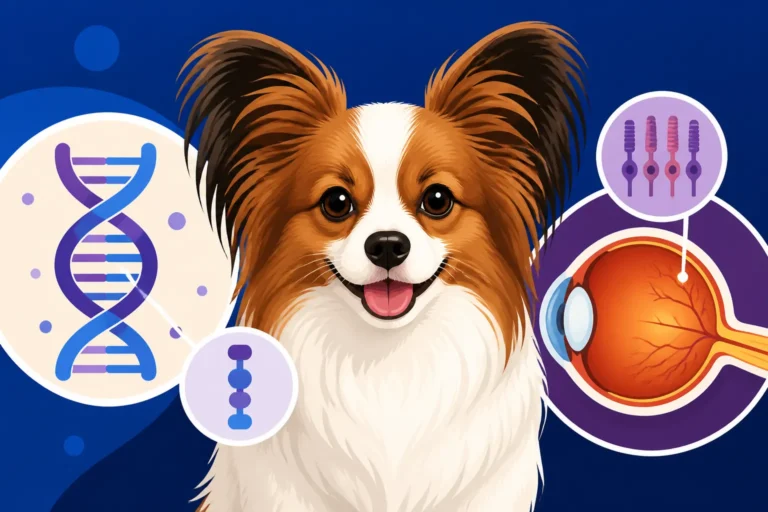
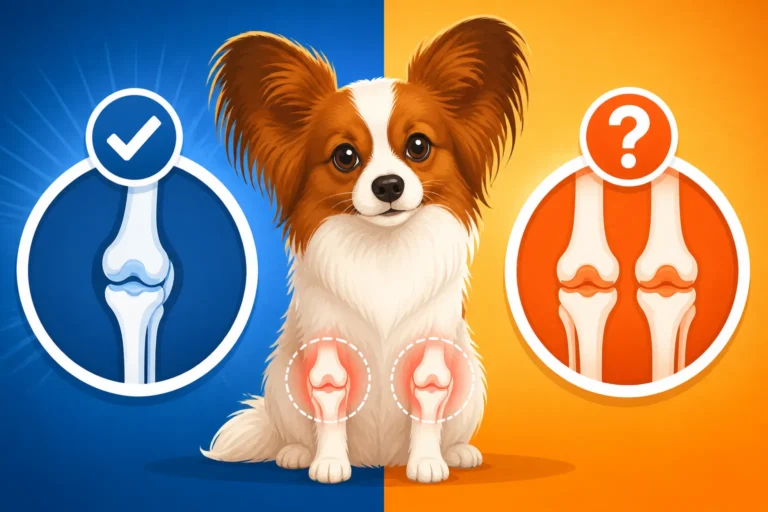
While Papillons are generally healthy, there are a few genetic conditions that can affect them, and awareness is key. One of the most talked-about is Progressive Retinal Atrophy (PRA1), a condition that affects the eyes, leading to eventual blindness. You might hear about The Papillon Type of Progressive Retinal Atrophy and the CNGB1 Gene. While it's a serious condition, it typically impacts vision rather than directly shortening lifespan, though a blind dog may face different safety challenges. Another common orthopedic issue is patellar luxation, or "slipping kneecaps." This can range from mild, almost unnoticeable grades to severe cases requiring surgery. While not life-threatening, severe luxation can certainly impact a dog's comfort and mobility, thus affecting their overall quality of life and potentially their longevity if it leads to chronic pain or inactivity. Learning about Patellar Luxation Is the Papillon Problem You Will Actually Meet is highly recommended. These are examples of conditions that, if not managed, can chip away at their joyful spirit and physical health over time.
The Role of Responsible Breeding
This is where responsible breeders shine and make a tangible difference in the future health of our Papillons. Reputable breeders are committed to health testing their breeding stock for known genetic conditions. For Papillons, this often includes DNA testing for PRA1 and obtaining orthopedic evaluations, such as OFA certifications for patellas. By only breeding dogs free of or clear of these debilitating conditions, they significantly reduce the likelihood of passing them on to puppies. When you look for a Papillon, asking What a Papillon Breeder Should Have Tested isn't just a good idea, it's essential. This diligent practice is a cornerstone of maintaining the breed's overall health and contributing to their long average lifespan. Investing in a puppy from health-tested parents means you're starting with the best possible genetic foundation, giving your future companion a head start on a long and healthy life.
Lifestyle and Environmental Influences
Beyond genetics, the day-to-day choices we make as owners have an enormous impact on how long a Papillon lives and the quality of those years. It's truly a partnership, where our consistent care translates directly into their well-being. Think of it as building a strong foundation for their health, one meal, one walk, and one vet visit at a time.
Nutrition and Weight Management
What goes into your Papillon's bowl is fundamental to their health. Feeding a high-quality, balanced diet appropriate for their life stage (puppy, adult, senior) is non-negotiable. For such a small dog, even a few extra ounces can make a huge difference, putting undue strain on their tiny joints, heart, and other organs. Obesity isn't just about appearance; it's a serious health risk that can shorten a dog's life and exacerbate conditions like arthritis or even contribute to heart disease. We want our Papillons to be lean and fit, not carrying unnecessary weight. Pay close attention to portion sizes, measure their food, and factor in treats. It's easy to overfeed a small dog, so a vigilant eye on their waistline and body condition score is crucial.
Exercise and Mental Stimulation
Despite their delicate looks, Papillons are active, intelligent little dogs that thrive on regular exercise and mental engagement. A sedentary lifestyle isn't just boring for them; it's detrimental to their health. Regular walks, playtime in a secure yard, and even indoor games keep their muscles strong, their joints flexible, and their cardiovascular system healthy. Mental stimulation is equally important. These bright dogs need jobs to do, whether it's learning new tricks, puzzle toys, or even participating in dog sports like agility. A bored Papillon can become a destructive or anxious Papillon, and chronic stress isn't good for anyone's health. Keeping them active and engaged helps maintain a healthy weight and keeps their minds sharp, contributing significantly to a long and happy life.
Veterinary Care and Preventive Measures
Consistent veterinary care is arguably one of the most significant factors in maximizing a Papillon's lifespan. This starts with regular check-ups, even when they seem perfectly healthy. Your vet can spot subtle changes, recommend appropriate vaccinations, and advise on parasite prevention. Early detection of issues, from dental disease to budding organ problems, often leads to more effective treatment and better outcomes. As Papillons age, these wellness exams become even more critical. Many Papillon owners find that investing in pet insurance, like policies offered by Healthy Paws, provides peace of mind, knowing that unexpected veterinary bills for accidents or illnesses won't compromise their ability to provide the best care. Proactive care, including addressing Dental Work Over a Papillon's Long Life, can prevent minor issues from becoming major, life-threatening problems down the line. Remember, preventative care isn't an expense; it's an investment in many more years with your cherished companion.
Caring for an Aging Papillon
Watching our vibrant, spirited Papillons begin to slow down is a bittersweet part of sharing our lives with them. But "senior" doesn't mean "done"; it means entering a new phase of life that requires a little extra tenderness, patience, and often, a few adjustments to their routine and environment.
Recognizing Seniority and Its Changes
Generally, a Papillon is considered senior around 10 to 11 years of age. This isn't a hard and fast rule, as individual dogs age differently, but it's a good benchmark. Around this time, you might start noticing subtle shifts. Their once boundless energy might wane slightly, their sleep patterns could change, or they might not be as quick to greet you at the door. Some might develop a cloudiness in their eyes (lenticular sclerosis, common in older dogs), or their hearing might not be as sharp. Just like humans, older dogs can experience stiffness in their joints, making jumping onto the sofa a bit more challenging. It's a gradual process, but being aware of these potential changes helps you provide the best possible support. If you're wondering about The Age a Papillon Is Considered Senior, keep an eye out for these cues.
Adapting Care for Older Papillons
Once your Papillon hits their golden years, tailoring their care becomes paramount. This often means more frequent veterinary check-ups to monitor for age-related conditions like heart disease, kidney issues, or arthritis. Your vet might recommend specialized senior dog food formulas, which are often lower in calories but higher in certain nutrients to support aging bodies. Making your home senior-friendly is also important: think ramps or steps for furniture to protect their joints, non-slip rugs on slick floors, and easily accessible water bowls. Gentle, shorter walks can still provide valuable exercise without overexertion. Even their grooming might need adjustments – being extra gentle around sensitive areas. Most importantly, continue to shower them with love and attention. Their minds often remain sharp even as their bodies slow, so continued mental stimulation, like gentle puzzle toys or short training sessions, is vital. For more detailed advice, looking into Caring for a Papillon Past Eleven can provide excellent guidance.
Comparing Papillon Lifespan to Other Breeds
When we talk about canine longevity, Papillons truly stand out in a crowd. Their impressive age range isn't just good for a small dog; it's excellent across the entire spectrum of dog breeds. This contributes to the popular belief that Whether the Papillon Is a Healthy Breed.
Small Breed Longevity Trends
It's a commonly observed phenomenon in the dog world: generally, smaller breeds tend to live longer than larger breeds. While a Great Dane might have an average lifespan of 7-10 years, and a Labrador Retriever might reach 10-12 years, many toy breeds routinely push into the mid-to-late teens. This trend holds true for the Papillon, placing them firmly among the longest-lived canine companions. The exact scientific reasons are still being researched, but theories often point to factors like metabolic rate, growth speed, and the prevalence of certain genetic diseases being less impactful in smaller dogs. This is good news for Papillon owners, as it means their beloved pets are inherently predisposed to a long life.
Papillon vs. Other Toy Breeds
Within the toy group, the Papillon still holds its own as a longevity superstar. While many toy breeds boast impressive lifespans, the Papillon's average of 13-15 years, with many exceeding it, puts them at the upper end of the spectrum. For comparison, a Chihuahua might live 14-16 years, a Maltese 12-15 years, and a Pomeranian 12-16 years. The Papillon consistently aligns with these top contenders, often surpassing breeds like the Cavalier King Charles Spaniel (10-14 years) or the Pug (12-15 years), which can be prone to more widespread health issues such as brachycephalic airway syndrome or heart conditions. This makes the Papillon an excellent choice for someone looking for a long-term companion.
To illustrate, here's a quick comparison of average lifespans for a few popular toy breeds:
| Breed | Average Lifespan (Years) | Common Health Concerns (General) |
|---|---|---|
| Papillon | 13 – 15 | Patellar Luxation, PRA |
| Chihuahua | 14 – 16 | Patellar Luxation, Heart Issues |
| Maltese | 12 – 15 | Patellar Luxation, Dental Disease |
| Pomeranian | 12 – 16 | Patellar Luxation, Tracheal Collapse |
| Cavalier King Charles | 10 – 14 | Heart Disease, Syringomyelia |
| Pug | 12 – 15 | Brachycephalic Syndrome, Spinal Issues |
This table clearly shows the Papillon holds a strong position among long-lived toy breeds. Their robust health profile, combined with good care, truly sets them up for a lifetime of joy. Knowing that you're likely to have a Papillon by your side for so long is one of the many reasons these little butterflies capture so many hearts, though it does mean Why a Papillon's Long Life Raises Its Lifetime Cost.
Disclaimer
This article is intended for informational purposes only and does not constitute veterinary advice. Always consult with a qualified veterinarian for any health concerns or before making decisions about your pet's health or treatment.