How Common Patellar Luxation Is in Papillons
It’s a heart-stopping moment for any Papillon owner: that sudden yelp, the skip in their gait, or perhaps just a subtle favoring of a back leg. Many of us have felt that jolt of worry, wondering what on earth just happened. For these tiny, elegant dogs, one of the most common culprits behind such a scare is patellar luxation, a condition where the kneecap slips out of place. This guide is here to shed light on just how common this issue is in our beloved butterfly dogs, what it means for them, and how we can best support them.
Understanding Patellar Luxation in Papillons
When you first hear the term "patellar luxation," it can sound incredibly intimidating, like some complex medical jargon. But really, it describes something quite straightforward, albeit uncomfortable for our little friends. Understanding the basics is the first step to feeling more confident in navigating this common Papillon health challenge.
What Exactly Is a Luxating Patella?
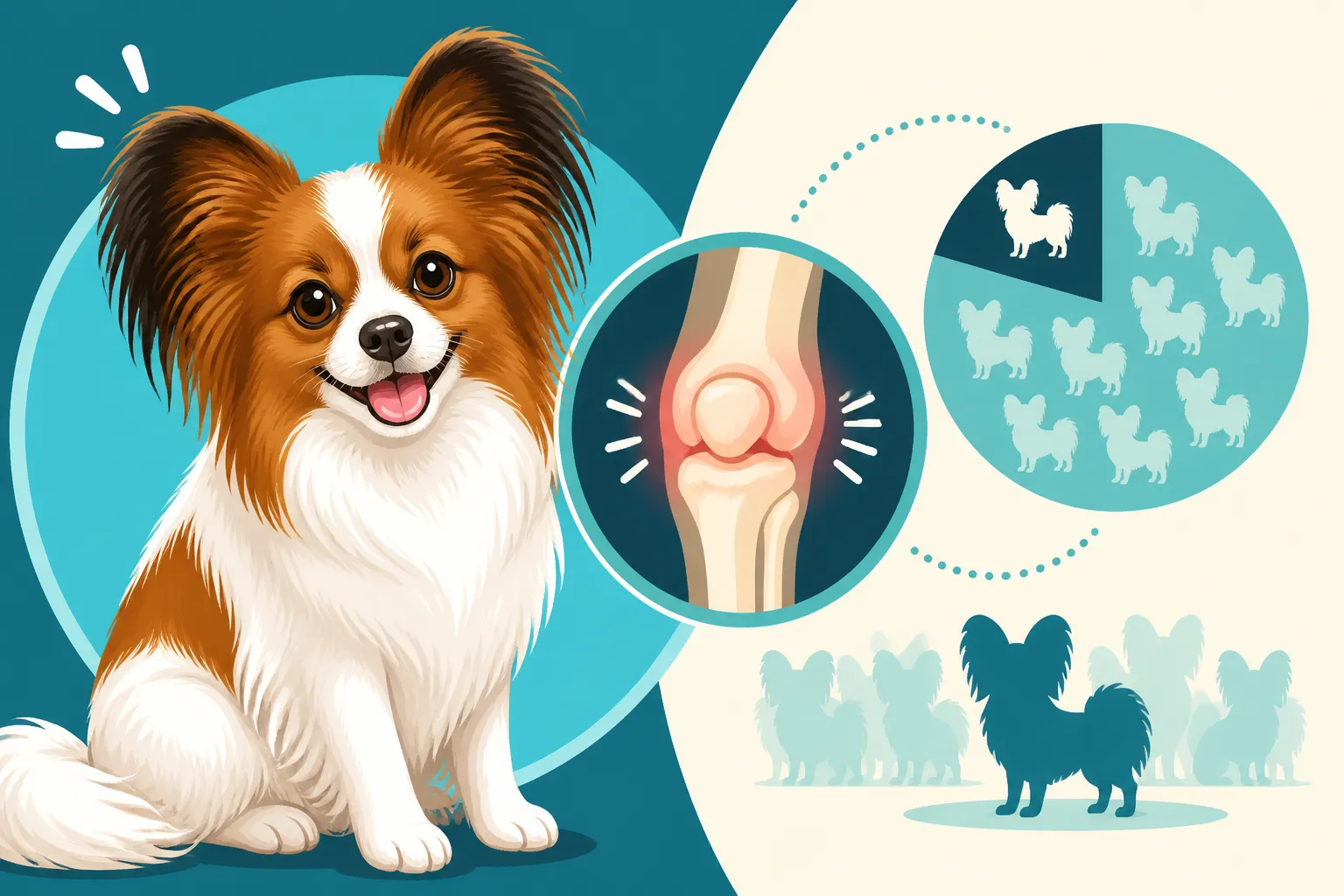
Imagine your own kneecap. It’s a small, triangular bone (the patella) that sits in a groove at the end of your thigh bone (femur), connecting your thigh muscles to your shin bone. It's supposed to glide smoothly up and down this groove when you bend and straighten your leg. In a dog, the principle is the same. A luxating patella means that this kneecap, instead of staying put in its assigned groove, pops out of place. It "luxates" or dislocates.
For Papillons, who are known for their delicate, fine bones, this often happens to the inside (medial) of the leg, meaning the kneecap shifts towards the center of their body. When this occurs, the leg can’t straighten properly, causing the dog to skip, hop, or even hold the leg up off the ground for a few steps until the kneecap hopefully pops back into place on its own. It's a momentary interruption to their movement that can range from barely noticeable to quite painful. The underlying issue is often a shallow groove in the femur or weak ligaments and tendons, which allows the patella to escape its normal path.
The Different Grades of Luxation
Not all luxating patellas are created equal, and vets classify them into different grades to describe their severity. These grades are essential for determining the best course of action and understanding the potential impact on your Papillon's quality of life. Think of them as a spectrum, from a minor annoyance to a serious structural problem.
- Grade 1: This is the mildest form. The kneecap can be manually luxated (moved out of place by a vet) but immediately returns to its normal position once released. Your Papillon might show very few, if any, symptoms. You might notice a subtle skip now and then, or perhaps nothing at all. Often, it's discovered during a routine vet check-up.
- Grade 2: The kneecap luxates spontaneously, meaning it pops out on its own, but it can also pop back into place spontaneously or with a little manipulation (like your dog shaking its leg or you gently extending it). This is where you'll start seeing more noticeable signs, like frequent skipping, limping, or holding the leg up. The groove might be a bit shallower, and the ligaments a little laxer. Many dogs in this category manage well with conservative care, but surgery might be considered if it's causing discomfort or impacting their activity.
- Grade 3: Here, the kneecap is luxated most of the time. It can be manually returned to its normal position, but it will pop right back out again once the pressure is released. Dogs with Grade 3 luxation will typically have a persistent limp or a bow-legged stance, and their movement is definitely compromised. They are usually in discomfort, and surgery is often recommended to improve their comfort and mobility.
- Grade 4: This is the most severe grade. The kneecap is permanently luxated and cannot be manually returned to its normal position. The groove is typically very shallow or even nonexistent, and the bones themselves might be deformed. Dogs with Grade 4 luxation often walk with a crouched, bow-legged gait, and their quality of life is significantly impacted. Surgical intervention is almost always necessary, often involving more complex procedures to reconstruct the joint.
It's important to know that a Papillon's luxating patella can sometimes worsen over time, meaning a Grade 1 might progress to a Grade 2 or 3, especially with continued activity or if not managed properly. This is why regular vet check-ups, even for subtle signs, are so crucial. Knowing what What Patellar Luxation Does to a Papillon can help you understand the potential long-term effects.
The Prevalence of Patellar Luxation in Papillons
When you start noticing your little Papillon skipping or holding up a leg, it’s natural to feel like your dog is uniquely unlucky. But the truth is, patellar luxation is far from rare in our beloved breed. In fact, it's one of the most commonly diagnosed orthopedic conditions in small dogs, and Papillons, unfortunately, are right up there among the predisposed breeds.
The Stark Reality: Statistics on Papillon Patellar Luxation
It can be a bit disheartening to look at the numbers, but understanding the statistics helps us prepare and make informed decisions for our Papillons. While exact figures can vary depending on the study and the population sampled, research consistently highlights the Papillon's elevated risk. Many veterinary orthopedic specialists and breed-specific health surveys indicate that patellar luxation is quite common. Some studies suggest that the prevalence rate in toy breeds, including Papillons, can be as high as 20-25% or even higher in certain populations. This means that a significant portion of Papillons will experience some degree of patellar luxation in their lifetime.
This isn't just anecdotal evidence from owners on social media; this comes from robust orthopedic evaluations and decades of veterinary data. What makes it even more challenging is that it’s not always obvious, especially in its milder forms. A Papillon might have a Grade 1 or 2 luxation and only show symptoms intermittently, or perhaps only when tired or after intense play. This can lead to underdiagnosis if owners aren't vigilant or if vets don't perform thorough orthopedic exams. The good news is that reputable breeders are increasingly aware of this prevalence and are taking steps to minimize the risk in their lines, but it remains a significant concern for the breed as a whole.
Comparing Papillons to Other Breeds
To truly grasp the significance of patellar luxation in Papillons, it helps to put it into perspective by comparing it to other breeds. While large breeds can get patellar luxation, it's overwhelmingly a condition associated with small and toy breeds. Breeds like Chihuahuas, Pomeranians, Yorkshire Terriers, and Boston Terriers share a similar predisposition.
Consider the genetic and structural differences. Large breeds are more prone to conditions like hip and elbow dysplasia, where the sheer size and weight put stress on different joints. Toy breeds, with their diminutive size and sometimes more delicate bone structure, are susceptible to issues like patellar luxation. The anatomy that makes a Papillon so charming – their light build and agile movement – also contributes to this vulnerability. For example, their smaller stature often comes with straighter hind legs and shallower patellar grooves compared to larger dogs, which creates a less stable knee joint. This structural difference, coupled with genetic inheritance, means that the likelihood of a Papillon developing patellar luxation is considerably higher than, say, a Labrador Retriever or a German Shepherd. This comparison underscores why Papillon owners, and prospective owners, need to be particularly educated about this condition. When you’re looking at Whether the Papillon Is a Healthy Breed, patellar luxation often comes up as a key consideration.
Genetic Predisposition and Breeding Practices
It’s often said that patellar luxation is an inherited condition, and for good reason. Understanding the genetics behind it, and how responsible breeders play a vital role, is crucial for anyone involved with Papillons. It’s not just bad luck; there are very real biological factors at play.
Inheritance and Breeding Practices
The scientific community widely accepts that patellar luxation has a significant genetic component, especially in toy breeds like the Papillon. While the exact mode of inheritance is complex and likely involves multiple genes rather than a single dominant or recessive gene, it’s clear that certain genetic lines are more predisposed than others. This means that if a Papillon's parents or grandparents had patellar luxation, the puppy is at a higher risk of developing it.
This genetic link puts a huge responsibility on breeders. Reputable Papillon breeders understand this and actively work to reduce the incidence of patellar luxation in their puppies. They do this primarily through careful selection of breeding stock. Before breeding, responsible breeders will have their dogs examined by a veterinarian, often an orthopedic specialist, to screen for patellar luxation. These exams typically involve palpation of the knee joint to assess stability and grading any present luxation. While there isn’t a single DNA test for patellar luxation like there is for some other genetic conditions, careful orthopedic examination and selective breeding are the best tools we have.
Organizations like the Orthopedic Foundation for Animals (OFA) offer certification for patellar health. Dogs are examined, and their patellas are graded. Breeders who certify their breeding dogs through OFA are making a conscious effort to breed healthier puppies. It’s not a guarantee that a puppy from OFA-certified parents will never develop patellar luxation, but it significantly reduces the risk. This proactive approach by breeders is essential for the long-term health of the Papillon breed. Knowing What a Papillon Breeder Should Have Tested includes understanding their commitment to patellar health.
The Role of Conformation and Anatomy
Beyond direct genetic inheritance, the very physical structure, or conformation, of a Papillon plays a critical role in their susceptibility to patellar luxation. This isn't about specific genes as much as it is about the overall skeletal architecture that's common in the breed.
Papillons, like many toy breeds, are bred for their delicate appearance. This often translates to a more refined bone structure, and sometimes, less robust joint anatomy. The critical anatomical factors contributing to patellar luxation include:
- Shallow Femoral Groove: The groove (trochlear groove) in the thigh bone (femur) where the patella is supposed to glide can be naturally shallower in Papillons. If this groove isn’t deep enough, the kneecap has an easier time popping out.
- Malalignment of Leg Bones: Sometimes, the upper and lower leg bones aren't perfectly aligned. If the thigh bone (femur) is bowed or twisted, or the shin bone (tibia) has an abnormal angle, it can create an uneven pull on the kneecap, forcing it out of its groove.
- Laxity of Soft Tissues: The ligaments and joint capsule that hold the kneecap in place might be naturally looser in some Papillons. This "laxity" means there's less structural support, allowing for easier dislocation.
- Muscle Imbalance: While not solely anatomical, chronic patellar luxation can lead to muscle imbalances around the knee, further perpetuating the problem.
All these factors, often subtly present in a Papillon's delicate build, create an environment where the kneecap is inherently less stable. This means that even without a direct genetic link to luxation itself, the underlying anatomical traits that contribute to it are often inherited. This is why a breeder looking to improve their lines doesn't just look for absence of luxation, but also strives for good overall orthopedic structure in their breeding dogs.
Recognizing the Signs of Patellar Luxation
As a Papillon owner, you become attuned to every little nuance of your dog’s movement and behavior. This attentiveness is your superpower when it comes to noticing subtle signs of patellar luxation. Early detection can make a big difference in management and comfort.
Subtle Early Indicators
Sometimes, patellar luxation doesn't announce itself with a dramatic yelp or a sudden collapse. Especially in its milder forms (Grade 1 or early Grade 2), the signs can be quite subtle, almost fleeting. You might even second-guess yourself, thinking you imagined it.
One of the most common early signs is a "skip" or "hop" in gait. Your Papillon might be trotting along normally, then suddenly skip a step, hold one back leg up for a stride or two, and then put it down and continue as if nothing happened. This happens when the kneecap pops out, and the dog instinctively lifts the leg to allow it to reset. It’s often very brief and can be easy to miss if you’re not paying close attention. You might notice it more when they’re moving quickly, like during a zoomie session, or turning sharply.
Another subtle sign can be a momentary loss of weight-bearing on a hind leg, without the dramatic skip. They might just put their foot down oddly for a second, or you might see a slight wobble. Some owners report that their Papillon might shake or stretch a hind leg out behind them more frequently, almost like they are trying to "pop" something back into place. They might also appear a little stiff or reluctant to jump onto furniture, even if they usually love doing so. If you notice any of these small changes, especially if they are recurrent, it’s worth a mention to your vet. These subtle signs are often the first clues that Signs a Papillon's Kneecap Slips is happening.
Obvious Symptoms and When to Worry
As patellar luxation progresses to Grade 2 or higher, the symptoms become much more overt and concerning. These are the moments that truly make you realize something is wrong and prompt an urgent vet visit.
The most obvious symptom is persistent limping or lameness. If your Papillon is consistently holding up a back leg, favoring it, or unable to put full weight on it, this is a clear sign that the luxation is more severe and likely causing pain or significant discomfort. You might see them walking with a crouched or bow-legged stance, especially if both knees are affected or if the luxation is Grade 3 or 4. Their gait will appear abnormal and stiff, rather than the characteristic graceful movement of a Papillon.
Another worrying sign is pain vocalization. While some dogs are stoic, a sharp yelp or cry when they move a certain way, or when you touch their knee, indicates active pain. You might also observe swelling around the knee joint or a noticeable "click" or "pop" sound when they walk, which is the kneecap dislocating and relocating. In severe cases, they might struggle to get up or lie down, or show a marked decrease in their activity levels, choosing to rest more and avoid play. If your Papillon is displaying any of these pronounced symptoms, it’s critical to seek veterinary attention promptly. Your vet will be able to perform a thorough orthopedic exam and discuss Which Grade of Luxation Needs Fixing in a Papillon. Early intervention can prevent further damage to the joint and alleviate your dog's discomfort.
Diagnosis and Management of Patellar Luxation
So, you suspect your Papillon might have patellar luxation. What happens next? The good news is that diagnosis is relatively straightforward, and there are various management options available, from conservative approaches to surgical solutions. The goal is always to restore comfort and mobility for your furry friend.
The Vet Visit: What to Expect
When you bring your Papillon to the vet with concerns about their knees, the first thing they’ll do is take a detailed history. Be prepared to describe exactly what you’ve observed: when did you first notice the skipping? How often does it happen? Is there any pain? Does it seem to get worse after exercise?
Next, your veterinarian will perform a thorough physical and orthopedic examination. This is usually done with your Papillon standing and walking, to observe their natural gait. Then, they will carefully palpate (feel) each knee joint. During palpation, the vet will gently extend and flex the leg, rotating it slightly, to try and manually move the kneecap out of its groove. They'll assess the stability of the patella, how easily it luxates, and whether it returns to place on its own. This manual examination is key to determining the grade of luxation.
In many cases, the physical exam is enough to diagnose patellar luxation and assign a grade. However, your vet might recommend X-rays. Radiographs are crucial for several reasons:
- They help visualize the bony structures of the knee, including the depth of the trochlear groove and any signs of underlying bone deformities.
- They can rule out other potential causes of lameness, such as fractures or other joint diseases.
- They provide a baseline image if surgery is being considered in the future.
Sometimes, your vet might suggest a referral to a veterinary orthopedic specialist, especially for higher-grade luxations or if complex surgery is anticipated. This expert consultation ensures your Papillon gets the most specialized care possible. This initial assessment is crucial for devising a treatment plan that's right for your individual Papillon.
Treatment Options: From Conservative to Surgical
Once patellar luxation is diagnosed and graded, your vet will discuss the available treatment options. These range from conservative management for milder cases to surgical intervention for more severe or painful luxations.
Conservative Management:
For Grade 1 luxation, and sometimes mild Grade 2 cases that aren't causing significant pain or frequent lameness, conservative management is often recommended. This typically involves:
- Weight Management: Keeping your Papillon at a healthy weight is paramount. Even a few extra ounces can put added strain on their joints. Obesity can exacerbate patellar luxation and contribute to arthritis.
- Controlled Exercise: Maintaining muscle mass around the knee is important for stability. This means regular, moderate exercise, avoiding high-impact activities like excessive jumping or sudden turns that could cause the kneecap to pop out. Short, leashed walks are usually better than off-leash romping in unpredictable terrain.
- Joint Supplements: Your vet might recommend supplements containing glucosamine, chondroitin, and omega-3 fatty acids. These can help support joint health and reduce inflammation, potentially slowing the progression of arthritis. Brands like Healthy Paws often cover these types of preventative care costs in their wellness plans, which can be a relief for many owners.
- Anti-inflammatory Medication: If there's pain or inflammation, especially during flare-ups, your vet might prescribe non-steroidal anti-inflammatory drugs (NSAIDs) to provide relief.
Surgical Intervention:
For Grade 3 and 4 luxations, and for Grade 2 cases where conservative management isn't effective and the dog is experiencing significant pain or mobility issues, surgery is usually the best option. The goal of surgery is to stabilize the kneecap and prevent it from luxating. Common surgical techniques include:
- Trochlear Wedge or Block Resection: This procedure deepens the groove in the femur where the patella sits, making it harder for the kneecap to slip out.
- Tibial Tuberosity Transposition: The tibial tuberosity (the bony prominence where the patellar ligament attaches to the shin bone) is moved to realign the patellar ligament, ensuring the kneecap tracks correctly.
- Soft Tissue Release or Tightening: Tissues on the side of the knee where the patella is shifting are released, and tissues on the opposite side are tightened to help keep the kneecap centered.
Often, a combination of these techniques is used. The choice of procedure depends on the individual Papillon's anatomy and the severity of their luxation. Recovery involves a period of restricted activity, pain management, and sometimes physical therapy. While the thought of surgery is daunting, it can dramatically improve a Papillon's quality of life, relieving pain and restoring functional movement. Understanding Whether a Papillon Needs Knee Surgery is a significant decision that should be made in close consultation with your veterinary team.
Prevention and Living with Patellar Luxation
Discovering your Papillon has patellar luxation can feel overwhelming, but there are many proactive steps you can take, whether it's managing a diagnosed condition or taking preventative measures. Your Papillon’s comfort and mobility are paramount.
Home Modifications and Lifestyle Adjustments
Even if your Papillon has a mild case or is predisposed to patellar luxation, making some thoughtful changes around your home and in their daily routine can significantly reduce strain on their knees and prevent worsening of the condition.
First and foremost, manage their environment to minimize jumping. Papillons love to leap on and off furniture, but these repeated impacts can stress already vulnerable knee joints. Consider investing in pet ramps or steps for sofas and beds, encouraging your Papillon to use them instead of jumping. This is particularly important for puppies, whose joints are still developing, and senior dogs, who might have existing arthritis. Removing opportunities for high-impact activity is key to Setting Up a House That Protects a Papillon's Knees.
Address slippery surfaces. Hardwood floors, tiles, and linoleum can be treacherous for dogs with unstable knees. Their legs can splay out, leading to twists and falls that can cause luxation or injury. Lay down non-slip runners or rugs in areas where your Papillon walks and plays. Keeping their nails trimmed short and hair between their paw pads clipped can also improve traction.
Maintain a healthy weight, always. This point cannot be stressed enough. Even a few extra pounds on a tiny Papillon frame puts immense pressure on their joints. Work with your vet to determine your Papillon's ideal weight and stick to a feeding plan that helps them maintain it. Regular, controlled exercise helps build and maintain muscle tone around the knee, which acts as natural support for the joint. Think gentle walks rather than high-intensity sprints or frisbee catches that involve sudden stops and turns.
Supporting a Papillon with Patellar Luxation
Living with a Papillon who has patellar luxation means ongoing vigilance and a commitment to their long-term well-being. Whether your dog had surgery or is managed conservatively, consistent support is vital.
Regular veterinary check-ups are non-negotiable. Even after surgery, your Papillon should have routine orthopedic evaluations to monitor their knee health and watch for any signs of arthritis development in the affected joint or other joints. If your Papillon is on conservative management, these check-ups are even more critical to assess if the luxation is progressing or if pain management needs to be adjusted.
Consider physical therapy or hydrotherapy. For dogs recovering from surgery, or those with chronic luxation, a certified canine rehabilitation therapist can provide exercises to strengthen supporting muscles, improve range of motion, and reduce pain. Hydrotherapy (exercising in water) is particularly beneficial as it allows for movement without putting full weight on the joints.
Pain management is a journey. Arthritis is a common consequence of long-term patellar luxation, even after successful surgery. Work with your vet to create a long-term pain management plan. This might include daily joint supplements, as mentioned before, periodic use of NSAIDs, or other pain medications as needed. Staying proactive with pain control helps maintain your Papillon’s quality of life as they age. Veterinary care and potential surgeries can become costly, and this is where services like Healthy Paws pet insurance can be incredibly helpful, covering a significant portion of unexpected expenses, allowing you to focus on your Papillon's recovery without financial stress. Planning ahead for potential costs is part of a responsible Papillon Ownership on a Tight Budget.
Finally, remember the importance of mental stimulation. If your Papillon needs to limit physical activity, ensure they still get plenty of mental enrichment through puzzle toys, scent games, or learning new tricks that don't strain their knees. A happy mind contributes to overall well-being. Observing your Papillon for What Changes in an Aging Papillon's Care often includes watching for worsening joint issues.
| Luxation Grade | Description | Common Symptoms | Treatment Approach | Prognosis (with proper care) |
|---|---|---|---|---|
| Grade 1 | Patella can be manually luxated, returns immediately. | Often asymptomatic; occasional subtle skip. | Conservative (weight, exercise, supplements). | Excellent with good management. |
| Grade 2 | Patella luxates spontaneously, returns spontaneously/manually. | Intermittent skipping, limping, holding leg up. | Conservative (if mild/painless); surgery often considered. | Good, especially with surgery. |
| Grade 3 | Patella luxated most of the time, can be manually reduced. | Persistent limping, bow-legged stance, significant discomfort. | Surgery highly recommended. | Good to excellent with surgery. |
| Grade 4 | Patella permanently luxated, cannot be reduced manually. | Severe lameness, crouched/bow-legged gait, chronic pain. | Surgery essential (often complex). | Fair to good, may require extensive rehab. |
Disclaimer
The information provided in this article is for general informational purposes only and is not a substitute for professional veterinary advice. Always consult with a qualified veterinarian for any health concerns or before making any decisions about your pet's medical care.