Whether a Papillon With a Slipping Knee Is in Pain
It's incredibly distressing to watch your beloved Papillon suddenly skip a step, hold a back leg up, or even yelp in pain. That familiar little hop often signals a luxating patella, or "slipped kneecap," and the immediate, gut-wrenching question that floods your mind is always: "Is my little dog hurting?" This guide will meticulously explore whether a Papillon with a slipping knee is in pain, how to recognize those subtle and overt distress signals, and what steps you can take to alleviate their discomfort and ensure their long-term well-being.
Unpacking Patellar Luxation in Papillons: More Than Just a "Slip"
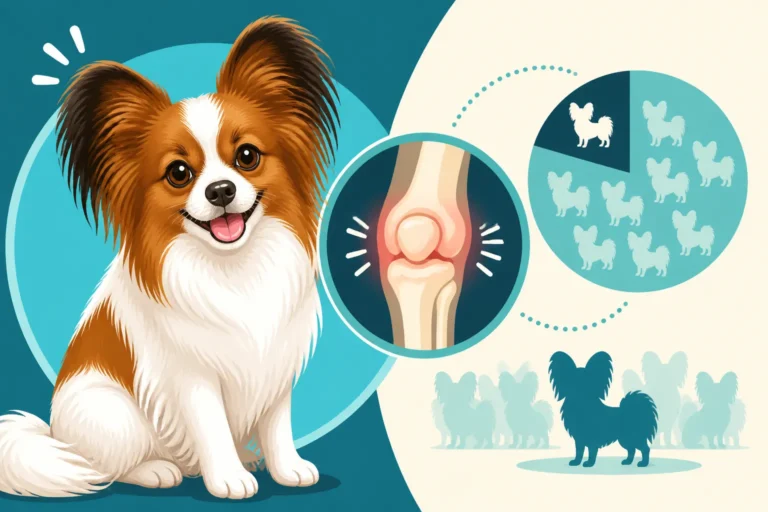
Patellar luxation is one of the most common orthopedic conditions affecting small breed dogs, and our delicate Papillons are unfortunately no exception. While the term "slipping knee" might sound minor, it can range from an occasional, unnoticed pop to a severely debilitating and painful issue. Understanding what's truly happening inside that tiny knee joint is the first step to understanding their potential pain.
What Exactly Is a Slipping Kneecap?
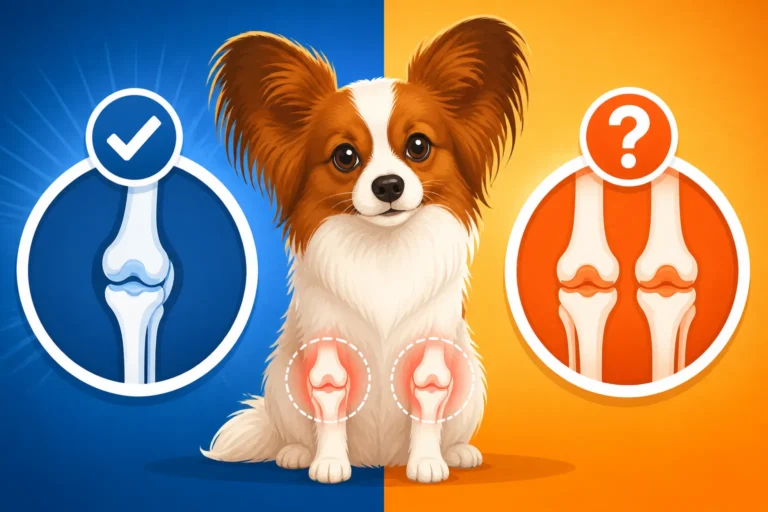
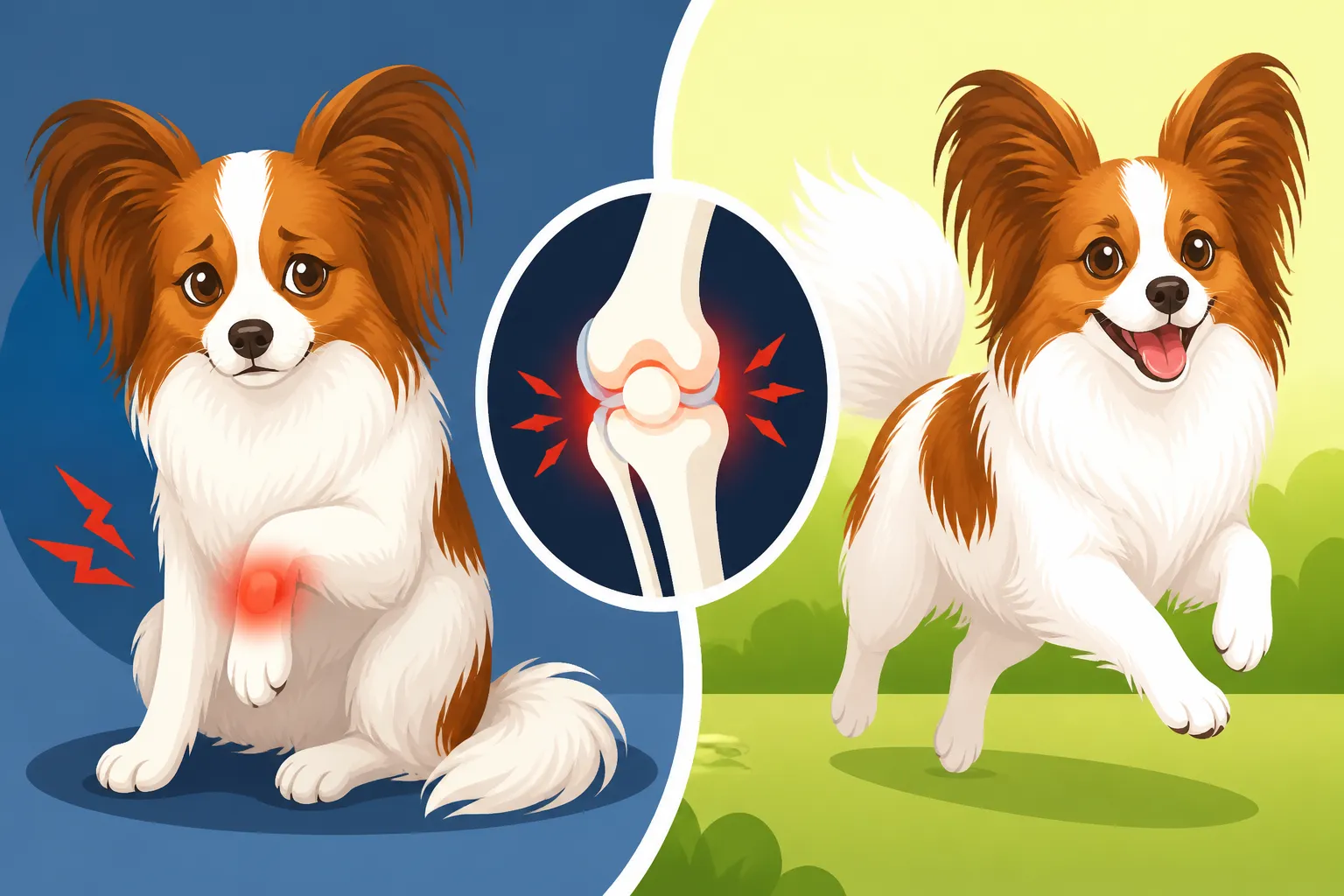
Imagine your Papillon's kneecap (patella) as a small bone that's supposed to glide smoothly in a groove at the end of the thigh bone (femur) called the trochlear groove. When a patella luxates, it means it temporarily pops out of this groove, most commonly to the inside (medial luxation). This often happens because the groove isn't deep enough, or the alignment of the bones in the leg isn't quite right, leading to the kneecap being pulled to one side. This condition is usually congenital, meaning dogs are born with the predisposition, though it may not manifest until later in life, sometimes triggered by an injury or simply the wear and tear of daily activity.
You might notice your Papillon picking up a back leg for a few steps, shaking it, and then putting it back down as if nothing happened. This is often the kneecap slipping out and then popping back into place. For some dogs, this motion might not cause much immediate pain, but for others, it can be quite uncomfortable, leading to muscle spasms and irritation. It's a key reason why you might ask, "Does my Papillon with a slipping knee is in pain?"
Why Some Slips Hurt More Than Others
The degree of pain a Papillon experiences with a luxating patella largely depends on the severity, or "grade," of the luxation, and how often it occurs. Vets typically grade patellar luxation on a scale from 1 to 4:
- Grade 1: The kneecap can be manually luxated but pops back into place on its own. Your Papillon might show very few, if any, symptoms, perhaps just an occasional hop. At this stage, chronic pain is less likely, but irritation can still occur.
- Grade 2: The kneecap spontaneously luxates occasionally and can be manually reduced, but it won't always pop back on its own. This is where you'll more frequently see that distinctive "skip" or lameness. Pain is more common here, especially when the patella is out of place or if it causes the joint to grind.
- Grade 3: The kneecap is luxated most of the time but can be manually reduced. Your Papillon will likely show persistent lameness and may be hesitant to put full weight on the leg. Chronic pain and discomfort are a significant concern at this stage due to the constant misalignment and friction.
- Grade 4: The kneecap is permanently luxated and cannot be manually reduced. This is a severe form where the leg's mechanics are significantly altered, often leading to a bowed appearance. Dogs with Grade 4 luxation are typically in constant pain, struggling to walk, and may develop severe arthritis.
The ongoing friction and abnormal movement within the joint, especially in higher grades, can lead to cartilage erosion and the development of arthritis over time. Even in lower grades, the soft tissues around the knee, like ligaments and the joint capsule, can become stretched and inflamed, contributing to pain. This is a progressive issue, and what might start as a mild inconvenience can develop into a significant source of chronic pain for your dog. For more information on the physical impact, read about What Patellar Luxation Does to a Papillon.
Decoding Your Papillon's Pain Signals
Our Papillons are masters at hiding pain. It's a survival instinct for dogs, but it can make it incredibly challenging for us as owners to know when they're truly hurting. You have to become a detective, looking for subtle shifts in their behavior, rather than waiting for overt yelps.
Subtle Hints Your Papillon Might Be Hurting
Even with a luxating patella, your Papillon might not cry out every time their kneecap slips. Instead, they might exhibit more nuanced signs of discomfort. These include:
- Changes in Gait: The most common sign is the "skip," where they suddenly hold up a back leg for a few steps, then extend it, shake it, or kick it to "pop" the kneecap back into place. This is a classic indicator that their Signs a Papillon's Kneecap Slips. However, they might also show a general reluctance to bear full weight on one leg, a subtle limp that comes and goes, or a stiffness after resting.
- Reluctance to Engage in Normal Activities: If your normally playful Papillon is suddenly less enthusiastic about their daily walk, playing fetch, or jumping on the sofa (even though Whether a Papillon Should Be Stopped From Jumping Off Furniture for other reasons), it could be a sign of pain. They might avoid stairs, hesitate before jumping down, or just seem less agile.
- Behavioral Shifts: Pain can make dogs irritable or withdrawn. A Papillon that usually loves cuddles might become touch-sensitive, especially around their hindquarters. They might growl or snap if you try to touch their affected leg. Conversely, some dogs become clingier, seeking comfort.
- Excessive Licking or Chewing: Dogs often lick or chew at areas of discomfort. If you notice your Papillon persistently grooming one knee or thigh, it could indicate pain or irritation.
- Muscle Atrophy: Over time, if a leg is consistently painful, your Papillon might start using it less. This reduced use can lead to muscle loss (atrophy) in the affected thigh, making the leg appear thinner. This isn't a direct sign of acute pain, but it's a strong indicator of chronic disuse due to discomfort.
When the Pain Is Obvious: Crying Out and Non-Weight Bearing
While subtle signs are more common, some instances of patellar luxation can cause acute and undeniable pain. These are the moments that truly make your heart clench:
- Sudden, Loud Yips or Yelps: If the kneecap slips out in a particularly jarring way, or if it grinds against the bone, your Papillon might let out a sudden yelp. This is an unmistakable sign of sharp, immediate pain.
- Holding the Leg Up Continuously: In more severe luxations, or during an acute episode, your Papillon might hold the affected leg completely off the ground, refusing to put any weight on it at all. They might hobble on three legs until the kneecap returns to its proper position or until the pain subsides.
- Swelling or Heat: While less common for patellar luxation alone unless there's an associated injury, significant inflammation or heat around the knee joint could indicate acute pain and tissue damage.
- Visible Trembling or Shivering: Pain and anxiety often manifest as trembling, especially if the dog is trying to bear weight on the painful limb.
Observing these more overt signs leaves little doubt that your Papillon is in significant discomfort and requires immediate veterinary attention.
Here's a quick reference table to help you understand the common presentation of patellar luxation grades and their typical pain levels:
| Luxation Grade | Description | Common Symptoms | Typical Pain Level |
|---|---|---|---|
| Grade 1 | Manual luxation, spontaneous reduction | Occasional skip, mostly asymptomatic | Low / Intermittent |
| Grade 2 | Frequent spontaneous luxation, manual reduction | More frequent skipping, lameness, reluctance to jump | Moderate / Episodic |
| Grade 3 | Mostly luxated, manual reduction possible | Persistent lameness, difficulty extending leg, limping | Moderate-High / Chronic |
| Grade 4 | Permanently luxated, manual reduction impossible | Severe lameness, bowed legs, significant mobility issues | High / Constant |
Navigating Pain Management and Treatment for Luxating Patellas
Once you suspect your Papillon is experiencing pain from a luxating patella, a visit to your veterinarian is crucial. They will perform a physical examination to diagnose the grade of luxation and discuss the best course of action to manage the pain and treat the underlying condition.
Conservative Approaches to Keep Pain at Bay
For Papillons with Grade 1 or mild Grade 2 luxation, or for those who are not surgical candidates, conservative management can often significantly reduce pain and improve quality of life. This approach focuses on minimizing strain on the knee and reducing inflammation.
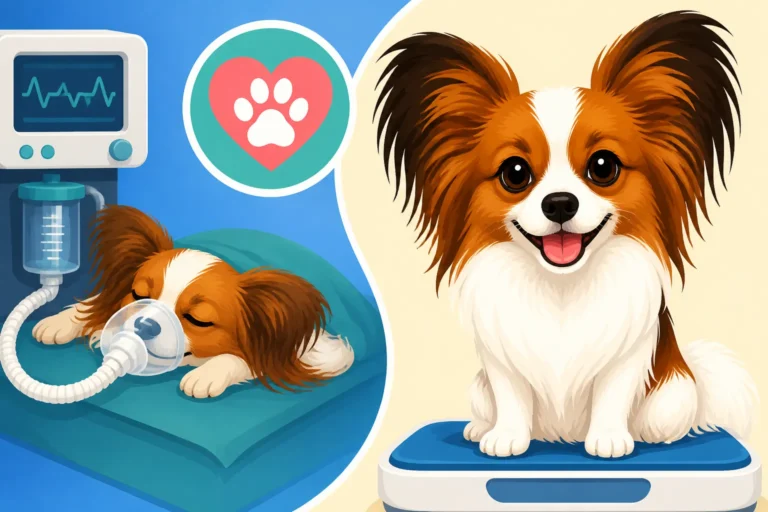
- Weight Management: Keeping your Papillon at an ideal weight is paramount. Even a few extra ounces can put undue stress on their delicate knee joints, exacerbating pain and accelerating arthritic changes. Your vet can help you determine the perfect weight for your individual dog and recommend a suitable diet.
- Anti-inflammatory Medications: Non-steroidal anti-inflammatory drugs (NSAIDs) prescribed by your vet can be incredibly effective at reducing pain and inflammation, especially during flare-ups. These are typically given short-term or on an as-needed basis for chronic conditions.
- Joint Supplements: Supplements containing glucosamine, chondroitin, and MSM can help support joint health, maintain cartilage, and reduce inflammation over time. Brands like Cosequin or Dasuquin are commonly recommended. While they won't fix the luxation, they can certainly help manage the comfort level, particularly if arthritis is setting in.
- Physical Therapy and Controlled Exercise: Gentle, controlled exercise, such as short, leashed walks on even surfaces, can help strengthen the muscles surrounding the knee, providing better support for the joint. Swimming can also be excellent low-impact exercise. A certified canine rehabilitation therapist can develop a tailored program.
- Environmental Modifications: Making your home knee-friendly is essential. This means using ramps or steps for furniture, ensuring non-slip surfaces, and avoiding activities that involve excessive jumping or twisting. Whether Ramps Help a Papillon's Knees is a common question, and the answer is usually a resounding yes!
It's important to remember that conservative management aims to manage pain and slow progression, not cure the luxation. Regular vet check-ups are essential to monitor the condition. If you have pet insurance, a company like Healthy Paws might cover some of these ongoing conservative treatments, which can make a real difference to your budget.
Surgical Intervention and Post-Operative Pain
For Papillons with Grade 2 luxation that causes persistent lameness or pain, and certainly for Grade 3 and 4 luxations, surgery is often the most effective solution. The goal of surgery is to realign the kneecap so it stays within its groove. Common surgical techniques include deepening the trochlear groove, moving the tibial crest (where the patellar ligament attaches), and tightening or releasing joint capsule tissues.
The idea of surgery is daunting, and many owners immediately worry about post-operative pain. Rest assured, veterinary medicine has advanced significantly, and pain management is a top priority during and after surgery.
- During Surgery: Your Papillon will receive a combination of pain medications, including opioids and local anesthetic blocks, to ensure they wake up as comfortably as possible.
- Post-Surgery Hospital Stay: For the first 12-24 hours after surgery, your Papillon will likely stay at the vet clinic, receiving injectable pain medications and constant monitoring.
- At-Home Pain Management: When your Papillon comes home, you'll be sent home with oral pain medications (NSAIDs, gabapentin, or other adjuncts) to administer on a strict schedule. It's crucial to follow your vet's instructions precisely to keep your dog comfortable during recovery.
While recovery requires strict rest and activity restriction for several weeks, most Papillons handle the post-operative period very well with proper pain control. The long-term outcome is generally excellent, providing a pain-free, functional knee. The cost of such a procedure can be significant, so having pet insurance from a provider like Healthy Paws can alleviate some of the financial burden, especially since Knee Surgery Is the Bill Most Papillon Owners Meet. You can read more about How a Papillon Recovers From Knee Surgery to prepare yourself.
Creating a Pain-Free Life for Your Papillon
Whether your Papillon undergoes surgery or is managed conservatively, the ultimate goal is to provide them with a comfortable, pain-free life. This involves ongoing vigilance and a commitment to their long-term care.
Long-Term Care Strategies for Comfort and Mobility
Living with a Papillon who has (or had) a luxating patella means adopting certain long-term strategies to maintain their comfort and mobility:
- Regular Veterinary Check-ups: Even after successful surgery, or if managing conservatively, regular vet visits are essential. Your vet will monitor their knee health, assess for any signs of arthritis, and adjust pain management protocols as needed, especially as they age. An aging Papillon, for example, might need changes to their routine as discussed in Caring for a Papillon Past Eleven.
- Continued Environmental Modifications: Keep those ramps and steps in place. Maintain non-slip surfaces to prevent slips and falls that could re-injure the knee. Be mindful of rough play with larger dogs or boisterous children that could put stress on the joint.
- Maintaining Ideal Weight and Diet: This cannot be stressed enough. Continual monitoring of your Papillon's weight and feeding a high-quality diet will contribute significantly to their overall joint health and reduce the strain on their knees. For small dogs, Whether Weight Affects a Papillon's Knees is a critical consideration.
- Appropriate Exercise: While strenuous activities like prolonged jumping or twisting should be avoided, maintaining a moderate, consistent exercise routine is important for muscle strength and joint flexibility. Short, frequent walks are generally better than one long, intense outing.
- Consider Future-Proofing: While you can't predict every event, understanding that Whether a Papillon Gets Arthritis From a Slipping Knee is a strong possibility encourages proactive steps. Starting joint supplements early, keeping them lean, and modifying their environment are investments in their future comfort. For additional peace of mind regarding future health issues, a comprehensive pet insurance policy from Healthy Paws can be a valuable asset throughout your Papillon's life, covering potential ongoing care for chronic conditions.
The Emotional Toll on You and Your Papillon
It’s completely normal to feel a mix of worry, guilt, and frustration when your Papillon is in pain. Watching your tiny companion struggle is heartbreaking. Acknowledge these feelings, but also remember that your Papillon is resilient. With proper care, pain management, and potentially surgery, most Papillons with luxating patellas go on to live full, happy, and relatively pain-free lives.
Your dog looks to you for comfort and reassurance. Staying calm and consistent with their care, administering medications on time, and providing a safe, supportive environment will do wonders for their recovery and emotional well-being. Focus on the positive steps you can take, and celebrate every improvement in their mobility and comfort. You're doing everything you can to help them, and that's what truly matters.
Disclaimer
This article is intended for informational purposes only and does not constitute veterinary advice. Always consult with a qualified veterinarian for any health concerns or before making any decisions about your pet's medical care.