Whether a Papillon Should Be Stopped From Jumping Off Furniture
It's a common scenario, isn't it? You come home, and your tiny, fearless Papillon, with all the confidence of a much larger dog, launches itself off the arm of the sofa or the edge of your bed, landing with a surprising thump. They shake it off, wag their tail, and seem perfectly fine, leaving you to wonder if it's really a big deal. The truth is, while they might seem invincible in their playful abandon, allowing your Papillon to repeatedly jump off furniture can lead to serious, long-term health issues that are easily preventable. This guide will delve into why these seemingly small jumps pose a significant risk, how to recognize potential problems, and the best ways to protect your beloved companion from unnecessary pain and costly vet visits.
The Hidden Dangers of Jumping for a Tiny Papillon
Many Papillon owners are captivated by their breed's spirited nature and agility, often seeing them as little athletes. While it's true they excel in dog sports, these activities are typically performed under controlled conditions with careful warm-ups and appropriate obstacle heights. Everyday jumps from furniture are entirely different, often involving awkward landings, repetitive strain, and heights that are disproportionately large for their small frames.
Fragile Bones and Delicate Joints
Think about your own height relative to a sofa. Now imagine falling from that height multiple times a day. For a Papillon, a jump from a standard sofa cushion – let alone a tall bed – is like a human leaping from a significant ledge. Their bones, while strong for their size, are still miniature, and their joints are delicate. The repetitive impact can stress growth plates in puppies, leading to developmental issues, or cause micro-traumas in adult dogs that accumulate over time. A single misstep can result in a fracture or a sprain, which in a tiny dog can be far more debilitating than in a larger breed. Their slender legs and fine bone structure simply aren't designed to absorb that kind of shock repeatedly without consequence. It's not about being fragile in a weak sense, but about being appropriately proportioned for ground-level activities, not aerial acrobatics from elevated surfaces.
The Menace of Patellar Luxation
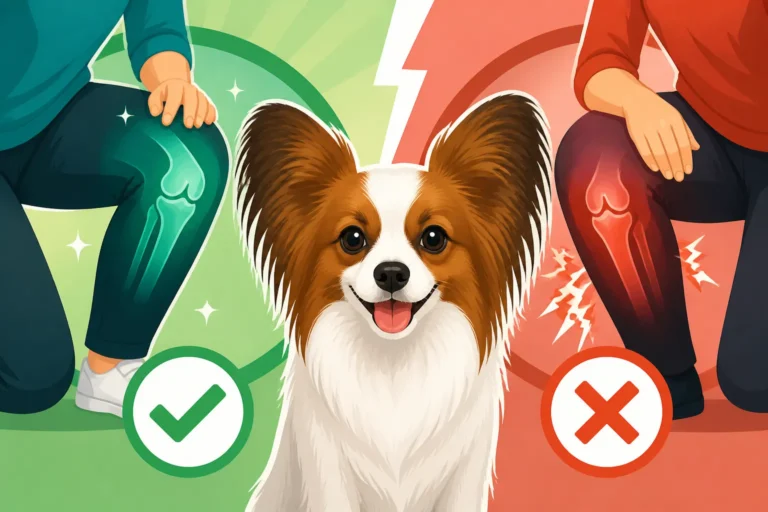
One of the most common orthopedic issues in small breeds like the Papillon is patellar luxation, often referred to as a "slipping kneecap." This condition occurs when the kneecap (patella) dislocates or moves out of its normal groove in the thigh bone (femur). While it can be congenital, meaning your Papillon is born with a predisposition due to shallow grooves or loose ligaments, repetitive trauma from jumping and landing can significantly exacerbate the problem or even trigger its onset in dogs with milder predispositions. Every jarring landing places immense strain on the knee joint. If your Papillon already has a genetic tendency, or even if they don't, consistent impact can cause the ligaments to stretch or the groove to erode, making luxation more frequent and severe. Understanding that Patellar Luxation Is the Papillon Problem You Will Actually Meet is crucial for any owner, as it’s something many will encounter. Repeated luxation leads to inflammation, pain, and eventually, degenerative joint disease. You can learn more about What Patellar Luxation Does to a Papillon to fully grasp the severity. There are different grades of patellar luxation, from Grade 1 (mild, occasional slipping) to Grade 4 (severe, permanently dislocated). Even a Grade 1 luxation can quickly worsen with continued high-impact activity like jumping off furniture, potentially requiring surgical intervention down the line.
Spotting the Signs of a Jump-Related Injury
Papillons are notoriously stoic little dogs. They often mask pain incredibly well, a trait common in many prey animals who historically would hide weakness to avoid predators. This can make it incredibly challenging for owners to realize something is wrong until an injury has become quite advanced or truly debilitating. It’s not that they don't feel pain; it's that they endure it with remarkable resilience.
Subtle Limps and Changes in Gait
One of the first, yet often overlooked, indicators of joint stress or injury is a subtle change in your Papillon's movement. You might notice a slight hesitation before jumping up onto a favorite spot, or a brief, almost imperceptible skip in their step when they're trotting around. This skipping motion, especially in the hind legs, is a classic sign of a kneecap slipping out of place and quickly repositioning itself. They might hold one leg up for a moment, then put it back down and carry on as if nothing happened. Don't be fooled by their quick recovery; these small actions are often tell-tale signs that their joints are under strain. Sometimes, it's just a less fluid movement, a stiffness that wasn't there before, or an increased reluctance to play fetch or engage in activities they once loved. Paying close attention to these nuances, especially after a period of activity or first thing in the morning, can help you catch problems early. If you notice any of these signs, particularly the skipping, it's worth investigating further, as it could be a symptom of Signs a Papillon's Kneecap Slips.
Pain, Swelling, and Behavioral Shifts
As injuries progress, the signs become more obvious. Your Papillon might start to vocalize when touched in a particular area, yelp when they make an awkward landing, or even become irritable and withdrawn. Swelling or warmth around a joint is a clear indication of inflammation and should prompt an immediate veterinary visit. They might actively avoid using a limb, holding it up, or shifting their weight to compensate. Beyond physical manifestations, look for behavioral changes. A previously playful Papillon might become lethargic, preferring to lie down rather than engage. They might stop jumping onto furniture altogether, which, while beneficial for their joints, is a sign that they're experiencing discomfort when attempting it. They may also become less tolerant of handling, guarding the painful area. It’s important to remember that Whether a Papillon With a Slipping Knee Is in Pain is a real concern, even if they're trying to hide it. Early detection and intervention are key to preventing further damage and ensuring your Papillon's comfort and mobility. Don't wait until they are overtly crying in pain; subtle changes are your cue to seek professional advice.
Practical Strategies to Protect Your Papillon's Joints
Preventing jump-related injuries in your Papillon doesn't mean banishing them from your furniture or denying them their natural agility. It means creating an environment that supports their delicate structure and training them to navigate it safely. With a little foresight and consistency, you can safeguard their joints and keep them comfortable for years to come.
Ramps, Steps, and Safe Landing Zones
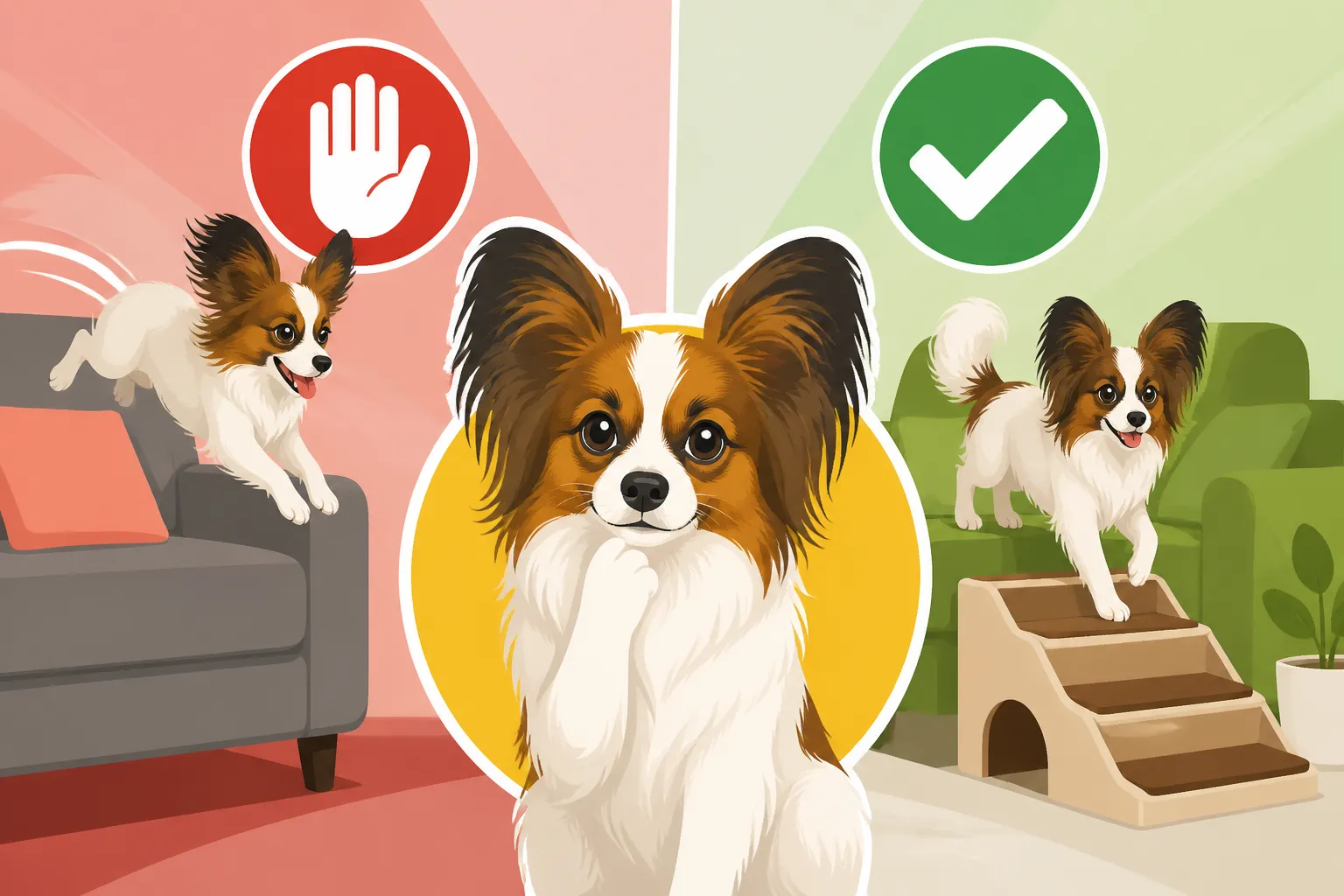
This is arguably the most impactful change you can make. Investing in dog ramps or steps specifically designed for small breeds is a game-changer. These provide a safe, gradual incline for your Papillon to access and descend from sofas, beds, and chairs without any jarring impact. Look for ramps and steps that are sturdy, have a non-slip surface (carpeted options are great), and are appropriately sized for your Papillon's small legs. Place them strategically at all points where your Papillon habitually jumps on or off furniture. It takes a little patience to train them to use these new aids, but most Papillons, being intelligent and eager to please, catch on quickly, especially if rewarded with treats and praise. Make the ramp or steps the only path to the furniture by placing them flush against the edge.
Beyond ramps and steps, consider making your home safer in general. If you have slippery hardwood or tile floors, place non-slip rugs in high-traffic areas, especially around furniture. A sudden slip can be just as damaging as a jump. You could even place a soft, plush mat at the bottom of a ramp or in front of a chair where they might occasionally still attempt a jump, creating a slightly softer landing zone. This thoughtful setup really helps mitigate risks.
Proactive Joint Health and Veterinary Care
Beyond environmental adjustments, a proactive approach to your Papillon's overall joint health is vital. Regular veterinary check-ups are paramount, even if your dog seems perfectly fine. During these visits, your vet can assess your Papillon's gait, palpate their joints, and detect early signs of luxation or other orthopedic issues. It's a great habit to maintain, as "How Often a Papillon Needs a Wellness Exam" can highlight potential issues before they become severe.
Maintaining a healthy weight is another critical factor. Even a few extra ounces on a tiny Papillon can put disproportionate strain on their small joints, accelerating wear and tear. Work with your vet to ensure your dog is on an appropriate diet and exercise regimen to keep them lean and fit. Discussing joint supplements, such as glucosamine and chondroitin, with your vet might also be beneficial, especially as your Papillon ages or if they show any early signs of joint discomfort. These supplements can support cartilage health and reduce inflammation. For unforeseen accidents or more serious conditions that may arise despite your best efforts, having pet insurance from a provider like Healthy Paws can provide immense peace of mind, covering a significant portion of unexpected veterinary bills for injuries or chronic conditions.
Managing Furniture Access and Training
Consistency in managing furniture access is key. While it's tempting to let your Papillon snuggle up anywhere, establishing clear rules and boundaries can prevent risky jumps. If you're home and supervising, gently guide them to use the ramps or steps. If they still try to jump, a soft "no" and redirecting them to the safer option works wonders.
When you're not home or can't supervise, consider restricting access to areas where they might jump. A playpen or a secure crate can be a safe haven, preventing them from attempting high-risk jumps while you're away. Training your Papillon a "wait" or "stay" command before getting on or off furniture, and then releasing them to use the ramp, reinforces good habits. You can also teach them an "up" and "down" cue for furniture, always guiding them to the safe route. Remember, Papillons are incredibly smart and eager to learn; they just need clear communication and consistent reinforcement. It's not about being restrictive, but about teaching them the safest way to enjoy their home with you.
Long-Term Implications and Owner Choices
The decisions you make about your Papillon's jumping habits today can have profound impacts on their health and mobility years down the line. Ignoring the risks can lead to a lifetime of pain and significant financial strain, while proactive measures can ensure a long, comfortable, and active life for your little companion.
When Surgery Becomes Necessary
Despite the best preventative measures, some Papillons, particularly those with a strong genetic predisposition to conditions like patellar luxation, may still require surgical intervention. If a luxation is severe (Grade 3 or 4), or if it's causing persistent pain and lameness even at lower grades, surgery often becomes the recommended course of action. This might involve deepening the femoral groove, realigning the patella, or moving the attachment point of the patellar ligament.
Surgery is a significant undertaking for any dog, especially a small one like a Papillon. The cost can be substantial, often running into thousands of dollars per knee. This is where pet insurance, such as a comprehensive plan from Healthy Paws, can be invaluable. It can help alleviate the financial burden, allowing you to choose the best medical care for your Papillon without undue stress. Post-operative care involves strict rest, pain management, and often physical rehabilitation to rebuild strength and range of motion. Understanding "How a Papillon Recovers From Knee Surgery" and knowing that sometimes "Whether a Papillon Needs Both Knees Done" are crucial considerations for owners facing this path. While surgery can be very successful, it's always preferable to avoid it through preventative measures whenever possible. Sometimes, it is the only way to ensure a pain-free life, and knowing when "Whether a Papillon Needs Knee Surgery" is truly necessary requires careful consultation with your veterinarian.
Preventing Arthritis and Ensuring Lifelong Comfort
The ultimate long-term consequence of untreated or recurring joint issues, especially patellar luxation, is the development of arthritis. Each time a joint is injured or dislocates, it causes damage to the cartilage and surrounding tissues. Over time, this cumulative damage leads to inflammation, pain, stiffness, and ultimately, degenerative joint disease (arthritis). This means that a seemingly innocent jump from the sofa in their youth could contribute to chronic pain and limited mobility in their senior years. This is also why many owners worry about "Whether a Papillon Gets Arthritis From a Slipping Knee".
Preventing arthritis starts now. By providing ramps, managing weight, and ensuring regular vet check-ups, you are actively working to preserve your Papillon's joint health. Even if your Papillon has had patellar luxation, managing it proactively can significantly slow the progression of arthritis. As your Papillon ages, their joints naturally experience more wear and tear, and understanding "Whether a Papillon's Knees Get Worse With Age" becomes a real concern. Good joint care throughout their life can make a huge difference in their comfort and quality of life as they transition into their senior years. This forward-thinking approach is part of truly "Caring for a Papillon Past Eleven." It’s about ensuring they remain mobile, playful, and pain-free for as long as possible.
Here’s a quick overview of common solutions and their benefits:
| Method | Description | Pros | Cons |
|---|---|---|---|
| Dog Ramps | Gradual incline for safe access to furniture. | Easiest on joints, ideal for senior dogs or those with existing conditions. | Can be bulky, may require training to use. |
| Dog Steps/Stairs | Small steps to reduce jump height. | Less bulky than ramps, easier for some dogs to accept initially. | Still involves some impact, though reduced, less suitable for severe issues. |
| Restricted Access | Using gates or crates to prevent access to furniture when unsupervised. | Completely eliminates risk of unsupervised jumping. | Limits dog's freedom, requires owner consistency. |
| Non-Slip Flooring | Adding rugs or mats on slippery surfaces. | Prevents slips during play or when navigating furniture. | Doesn't stop jumping from heights, only mitigates landing impact. |
| Training "Up/Down" | Teaching dogs to use ramps/steps or wait for assistance. | Reinforces safe habits, mentally stimulating for Papillons. | Requires consistency and patience from owner. |
Disclaimer
The information provided in this article is for general informational purposes only and is not a substitute for professional veterinary advice. Always consult with a qualified veterinarian for any health concerns or before making any decisions related to your pet's medical care.