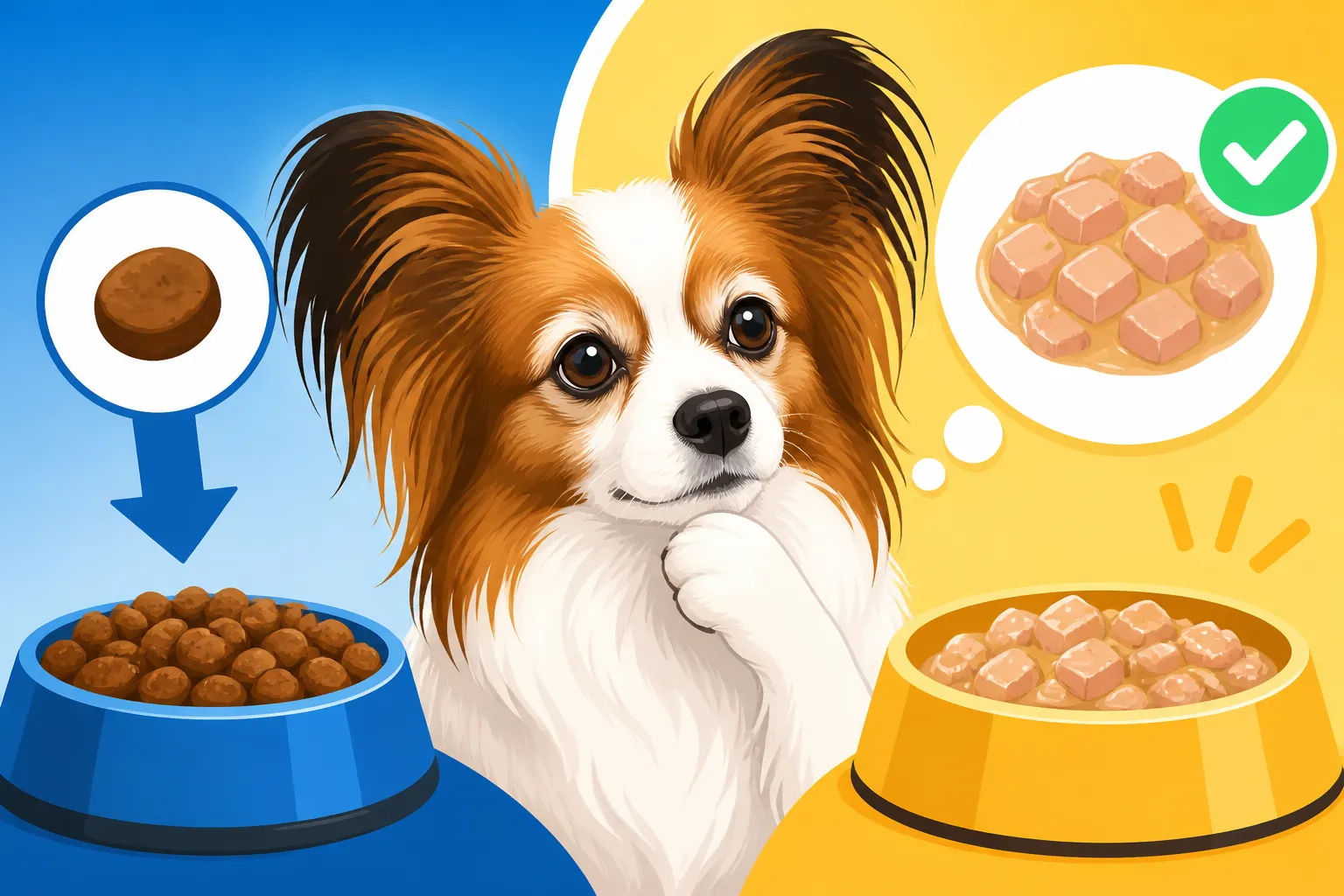
Whether an Old Papillon Needs Softer Food
It’s a common worry for any Papillon parent watching their beloved companion grow older: suddenly, mealtime becomes a struggle, or they just don’t seem as enthusiastic about their kibble as they once did. Many of us wonder if our senior Paps need a softer diet, and honestly, it’s a valid concern rooted in real physiological changes. This comprehensive guide will walk you through the subtle and not-so-subtle signs your older Papillon might benefit from a change in food texture, what those changes entail, and how to make the transition as smooth as possible for their golden years.
Understanding the Aging Papillon's Dietary Needs
As our charming, butterfly-eared companions enter their senior years – typically around 8 to 10 years old for a small breed like the Papillon – their bodies undergo significant changes. What they needed as a vibrant, energetic youngster isn't necessarily what will serve them best as they age gracefully. It's not just about a slower metabolism; it's about a whole host of internal adjustments that can impact how they process food and what kind of nutrients they need.
The Shifting Landscape of an Elder Dog's Metabolism
One of the most profound changes in an aging Papillon is a general slowdown in metabolism. This means they often require fewer calories to maintain a healthy weight. Continuing to feed them the same quantity of high-calorie food they ate in their prime can quickly lead to unwanted weight gain, which is particularly detrimental for a small breed already prone to issues like patellar luxation. Their digestive system might also become less efficient, making it harder to absorb nutrients from their food. This isn't just about weight; it's about ensuring they're getting all the good stuff from what they eat. As you start Caring for a Papillon Past Eleven, you’ll notice these shifts become more pronounced, and adjusting their diet becomes a key part of their overall well-being.
Furthermore, muscle mass naturally declines with age, a condition known as sarcopenia. While you might observe Whether an Old Papillon Loses Muscle, proper protein intake becomes even more crucial to help maintain as much of that muscle as possible. However, the type and digestibility of that protein can matter. Their kidneys, liver, and pancreas also aren't quite as robust as they used to be, potentially struggling with foods that are too rich or have an imbalanced nutrient profile. It's a delicate balance: reduce calories to prevent obesity, but ensure nutrient density to support aging organs and tissues. This is why a simple "softer food" recommendation sometimes isn't enough; it's about the entire nutritional package.
Common Health Issues Affecting an Older Papillon's Appetite
Beyond the metabolic shifts, aging Papillons can develop specific health conditions that directly impact their ability or willingness to eat their regular kibble. Chronic pain, often from arthritis in their joints or back, can make it uncomfortable to stand at a bowl for long periods or even bend their neck down. Dental disease, which we'll dive into more deeply, is perhaps the most frequent culprit, turning every bite of hard food into a painful ordeal. Imagine having a toothache and trying to crunch on dry toast – that's often what a Papillon with dental pain experiences.
Other issues like kidney disease, liver problems, or even early signs of cognitive dysfunction can manifest as a reduced appetite or pickiness. An older Papillon might experience nausea, a decreased sense of smell, or simply a general malaise that makes food unappealing. It's heartbreaking to see your usually enthusiastic eater turn their nose up at dinner, and it's vital to recognize that this isn't usually "just being picky." It's often a sign that something deeper is going on. Regular vet check-ups, including How Often a Papillon Needs a Wellness Exam and What a Papillon's Yearly Bloodwork Should Cover, are crucial to catching these underlying conditions early and tailoring a diet that supports their health, even if it means considering pet insurance options from providers like Healthy Paws.
Dental Health: The Primary Culprit Behind Food Issues
When an older Papillon starts to hesitate at the food bowl or drops pieces of kibble, the first thing many veterinarians will check is their teeth. And for good reason! Dental disease is incredibly common in small breeds, and Papillons are no exception. Their tiny jaws are often overcrowded, leading to a host of problems that can make eating hard, dry food downright painful.
Recognising the Signs of Dental Pain and Disease
It’s easy to overlook dental issues because dogs are masters at hiding pain. You might not see them limping, but their mouth can be a source of constant agony. One of the earliest signs is bad breath, often a tell-tale indicator of plaque and tartar buildup. You might also notice a reluctance to chew on hard toys, a preference for softer treats, or even pawing at their mouth. Sometimes, they'll drop food, chew only on one side of their mouth, or simply eat much slower than before. You might see visible tartar – brown or yellow deposits on their teeth – or red, swollen, and bleeding gums. This is especially prevalent given Why a Papillon's Jaw Crowds Its Teeth.
In more severe cases, you might observe excessive drooling, facial swelling, or a complete refusal to eat. These are urgent signs that require immediate veterinary attention. Remember, what looks like just a bit of tartar can hide deep, painful infections, loose teeth, or even abscesses. Recognizing these subtle cues is paramount because addressing dental pain can dramatically improve your Papillon's quality of life and their willingness to eat. Ignoring it can lead to more serious systemic health issues, making the investment in proper dental care invaluable.
Exploring Softer Food Options for Compromised Teeth
Once dental pain or significant tooth loss is diagnosed, switching to a softer food becomes less of an option and more of a necessity. There are several excellent choices available, each with its own benefits.
- Wet Food (Canned Food): This is often the go-to for dogs with severe dental problems. Canned foods are typically very palatable, easy to chew, and provide excellent hydration. They come in various textures, from pâté to chunky stews, allowing you to find what your Papillon prefers. Many brands offer formulas specifically for senior dogs, which will have appropriate calorie and nutrient levels.
- Rehydrated Kibble: If your Papillon still enjoys the taste of their current kibble, or if you prefer the nutritional profile of a specific dry food, you can simply add warm water (or low-sodium broth) to soften it. Let it sit for 10-15 minutes until it forms a mushy consistency. This maintains familiarity while removing the painful crunch.
- Cooked Soft Foods (Veterinarian Approved): In some cases, your vet might recommend a home-cooked diet of plain, boiled chicken or lean ground beef mixed with cooked rice or sweet potato. This can be a temporary measure or a long-term solution, but it's crucial that any home-cooked diet is nutritionally balanced, which often requires guidance from a veterinary nutritionist to ensure it meets all their vitamin and mineral needs.
- Fresh/Lightly Cooked Diets: Brands like The Farmer's Dog, Nom Nom, or Ollie offer human-grade, lightly cooked meals that are inherently soft and highly digestible. These can be excellent for picky eaters or those with sensitive stomachs, but they often come at a higher price point. If you're considering these, discuss it with your vet, especially if your Papillon has specific health conditions.
Here's a quick comparison of common soft food options:
| Food Type | Pros | Cons | Best For |
|---|---|---|---|
| Canned Wet Food | Highly palatable, excellent hydration, easy to chew | Can be messy, higher cost, can lead to weight gain if overfed | Severe dental pain, picky eaters, hydration needs |
| Rehydrated Kibble | Maintains familiar flavor, retains kibble nutrition, cost-effective | Still requires some chewing, might not be soft enough for severe cases | Mild dental sensitivity, gradual transitions |
| Home-Cooked Meals | High palatability, fresh ingredients, customizable | Requires careful nutritional balancing, time-consuming | Temporary relief, very picky eaters (under vet guidance) |
| Fresh/Lightly Cooked Diets | Human-grade, highly digestible, very palatable | Higher cost, requires freezer/fridge space | Picky eaters, sensitive stomachs, general senior wellness |
Beyond Soft Food: Maintaining Oral Hygiene in Senior Paps
While softer food is a crucial step to alleviate pain, it doesn't solve the underlying dental disease. Professional dental cleanings under anesthesia remain the gold standard for treating existing issues and preventing new ones. Even with a switch to soft food, regular oral care is vital. How Early Tartar Appears on a Papillon can be quite shocking, and it only gets worse with age if not addressed.
Daily tooth brushing, using dog-specific toothpaste, can help slow the accumulation of plaque. Dental rinses or water additives, recommended by your vet, can also play a role. However, it's important to understand that these are preventative measures and don't reverse existing disease. Regular veterinary dental check-ups are non-negotiable for older Papillons. Your vet can assess the severity of the disease and recommend appropriate treatments, from cleanings to extractions if Whether a Papillon Loses Teeth Early becomes a reality. This proactive approach not only keeps your Papillon comfortable but can also extend their lifespan, as oral infections can impact vital organs.
Addressing Other Senior Papillon Concerns Through Diet
While dental health often takes center stage, many other age-related changes can influence a Papillon's dietary needs. Supporting their internal organs and stimulating a sometimes-diminished appetite are critical components of What Changes in an Aging Papillon's Care.
Supporting Organ Function and Hydration
As Papillons age, their kidneys and liver, once robust, may not filter toxins or process nutrients as efficiently. Kidney disease is particularly common in older dogs, and a diet with controlled phosphorus and protein levels can help slow its progression. Similarly, specific diets can support liver health. Your veterinarian might recommend therapeutic diets specifically formulated to support these organs, which often come in wet or easily rehydrated forms. These specialized diets are not merely "soft food"; they are precisely balanced to ease the burden on compromised organs while still providing all necessary nutrients.
Hydration is another often-overlooked aspect of senior dog care. Older dogs can become dehydrated more easily, and conditions like kidney disease further exacerbate this. Offering wet food is a fantastic way to increase their water intake without them even realizing it. You can also add water or low-sodium broth to their dry food, ensure multiple water bowls are accessible around the house, and even consider a pet drinking fountain to encourage them to drink more. Good hydration supports kidney function, aids digestion, and helps keep their bodies running smoothly.
Managing Picky Eaters and Decreased Appetite
It's disheartening when your previously enthusiastic eater becomes a picky eater or completely loses their appetite. This can stem from underlying medical conditions, a decreased sense of smell or taste, or simply a general decline in their zest for food. If your Papillon's appetite significantly decreases, the first step is always a vet visit to rule out any serious health issues. Once medical causes are addressed, you can try several strategies to entice them to eat.
Warming their food slightly can release aromas, making it more appealing, especially for those with a diminished sense of smell. Mixing in a small amount of palatable toppers, like cooked chicken, a dollop of plain yogurt, or a low-sodium broth, can also spark their interest. Ensure their eating area is quiet and comfortable, away from household commotion. Sometimes, offering smaller, more frequent meals throughout the day instead of two large ones can be less overwhelming for their digestive system and more enticing for a flagging appetite. Just like humans, some older dogs might appreciate a little extra attention and coaxing during meal times. It's about finding what works for your individual Papillon to ensure they maintain a healthy weight and get the nourishment they need.
Making the Transition and Ensuring Nutritional Balance
Deciding to switch your senior Papillon's food, whether to a softer texture or a specialized formula, is a significant step. It's not something to do overnight, and it requires careful observation to ensure it benefits your dog without causing new issues.
Gradually Introducing New Textures and Formulas
A sudden change in diet can upset your Papillon's digestive system, leading to vomiting or diarrhea – the last thing you want for an older dog. The key is a slow, gradual transition over 7-10 days. Start by mixing a small amount of the new food with their old food, about 25% new to 75% old. Over the next few days, slowly increase the proportion of the new food while decreasing the old.
- Day 1-3: 25% new food, 75% old food
- Day 4-6: 50% new food, 50% old food
- Day 7-9: 75% new food, 25% old food
- Day 10 onwards: 100% new food
Monitor your Papillon closely during this period. Watch for any signs of digestive upset, changes in stool consistency, or refusal to eat. If you notice any issues, slow down the transition even further. For a truly sensitive Papillon, this process might take two weeks or even longer. Patience is your best friend here, ensuring their tummy has ample time to adjust to the new ingredients and textures.
When to Seek Veterinary Guidance for Dietary Changes
While many dietary adjustments for older dogs can be managed at home, veterinary guidance is invaluable, especially when dealing with specific health concerns. If your Papillon has a diagnosed condition like kidney disease, liver disease, or diabetes, a prescription diet might be necessary. These diets are carefully formulated to manage the disease and should only be introduced under strict veterinary supervision. Never try to self-diagnose or prescribe a therapeutic diet without professional advice.
Furthermore, if your Papillon is rapidly losing weight, completely refusing to eat, or experiencing persistent vomiting or diarrhea during a diet transition, it's time to call your vet. These symptoms could indicate an underlying medical problem or an adverse reaction to the new food that needs immediate attention. Your vet can also help you understand the nutritional labels, ensure the new food is truly balanced for your senior Papillon's needs, and provide advice on supplements if necessary. They can also discuss whether pet insurance, like a plan from Healthy Paws, would cover any unexpected diagnostic tests or long-term dietary management. Don't underestimate the power of a professional opinion in ensuring your beloved Papillon continues to thrive in their golden years.
Practical Tips for Feeding Your Senior Papillon
Beyond what you feed them, how and where you feed your senior Papillon can make a significant difference to their enjoyment and comfort at mealtime. Little adjustments can go a long way in making their dining experience more pleasant and ensuring they get the nutrition they need.
Creating a Comfortable and Stress-Free Mealtime Environment
Just like us, older dogs appreciate comfort and routine, especially when they might be feeling a bit stiff or a little more anxious. Think about the location of their food bowl. Is it in a high-traffic area where they might feel vulnerable or rushed? Moving it to a quiet, easily accessible spot can help. Consider an elevated food bowl. Bending down to eat from a bowl on the floor can be uncomfortable for Papillons with arthritis in their neck, back, or front legs. An elevated bowl allows them to eat in a more natural, upright position, reducing strain. This is a simple fix that can make a world of difference.
Also, think about the surface they’re eating on. If your senior Papillon is a bit unsteady, a non-slip mat under their bowls can prevent them from sliding around, making them feel more secure. Ensure they have easy access to their food and water, perhaps placing bowls on each floor of your home if you have stairs. A calm, predictable feeding schedule also contributes to a stress-free environment. Consistency can be incredibly comforting to an older dog, who might be experiencing some degree of Night Confusion in an Old Papillon or general disorientation.
Warming Food and Adding Palatability Enhancers
As a Papillon ages, their sense of smell and taste might decline, making their regular food less appealing. This is where a few simple tricks can really help to stimulate their appetite. Warming wet food or rehydrated kibble slightly in the microwave (make sure it's just lukewarm, not hot!) can dramatically enhance its aroma and palatability. The increased scent can be a powerful motivator for a dog whose senses aren't as sharp as they once were. Always stir thoroughly to eliminate hot spots before offering it to your Papillon.
Beyond warming, you can strategically use palatability enhancers. A small amount of low-sodium chicken or beef broth drizzled over their food, a sprinkle of nutritional yeast, or a teaspoon of canned pumpkin (great for digestion too!) can transform a bland meal into an exciting one. Some owners find success with a small amount of finely shredded cooked chicken or a hard-boiled egg. Just be mindful of introducing new ingredients slowly and in small quantities to avoid upsetting their stomach. The goal is to make mealtime an inviting experience again, ensuring your cherished senior Papillon continues to look forward to their meals and stays well-nourished.
Disclaimer
This article is intended for informational purposes only and does not constitute veterinary advice. Always consult with a qualified veterinarian regarding your Papillon's specific health concerns and before making any significant changes to their diet or care routine.