What Health Results a Papillon Breeder Should Show
Bringing a new Papillon puppy into your life is an incredibly exciting time, full of dreams of joyful walks and snuggle sessions. But beneath all that excitement, a little worry often bubbles up for prospective owners: "Am I picking a healthy puppy?" It's a completely valid concern, and navigating the world of responsible breeding and health clearances can feel like trying to solve a puzzle. This guide is here to untangle that puzzle, showing you exactly what health results a trustworthy Papillon breeder should be proud to share with you, and why these tests are so incredibly important for your future furry family member.
The Foundation of Good Breeding: Why Health Testing Matters So Much
When you're looking for a Papillon, or any purebred dog for that matter, you're investing in a living, breathing companion who will be with you for potentially 15 years or more. A big part of ensuring those years are filled with joy, not constant vet visits and heartache, lies in the health decisions made by the breeder. Good breeders don't just breed for pretty faces; they breed for health, temperament, and adherence to the breed standard, with health being paramount.
Moving Beyond "My Dogs Are Healthy"
It's tempting to take a breeder at their word when they say, "Oh, my dogs are all healthy!" And honestly, most breeders genuinely believe this. However, many significant health issues in Papillons, and indeed in most breeds, aren't immediately obvious. A dog can be a carrier for a genetic disease without ever showing a single symptom. They might be bouncing around happily, totally oblivious, but they could still pass on a debilitating condition to their offspring. This is why verifiable, scientific health testing is absolutely non-negotiable. It's the only way to peek behind the curtain of genetic predispositions and make informed breeding decisions that protect future generations.
Imagine falling in love with a tiny, fluffy Papillon puppy, only to find out a few years down the line that they're battling a painful knee condition or slowly losing their sight. It's devastating for both you and your beloved companion. Responsible health testing by the breeder significantly reduces the risk of these heartbreaking scenarios. It's a proactive step that demonstrates a commitment to the long-term well-being of the breed, not just making a quick sale. Without it, you're essentially buying a lottery ticket with your puppy's health.
Understanding the "Papillon Problem" – Common Inherited Conditions
Like all purebreds, Papillons have certain health predispositions that are more common within their breed. This isn't a flaw in the breed itself, but rather a consequence of selective breeding over generations to establish certain desired traits. The good news is that for many of these conditions, responsible breeders have tools at their disposal – specific health tests – to screen their breeding stock and make educated choices about pairings. Ignorance is definitely not bliss when it comes to inherited health problems.
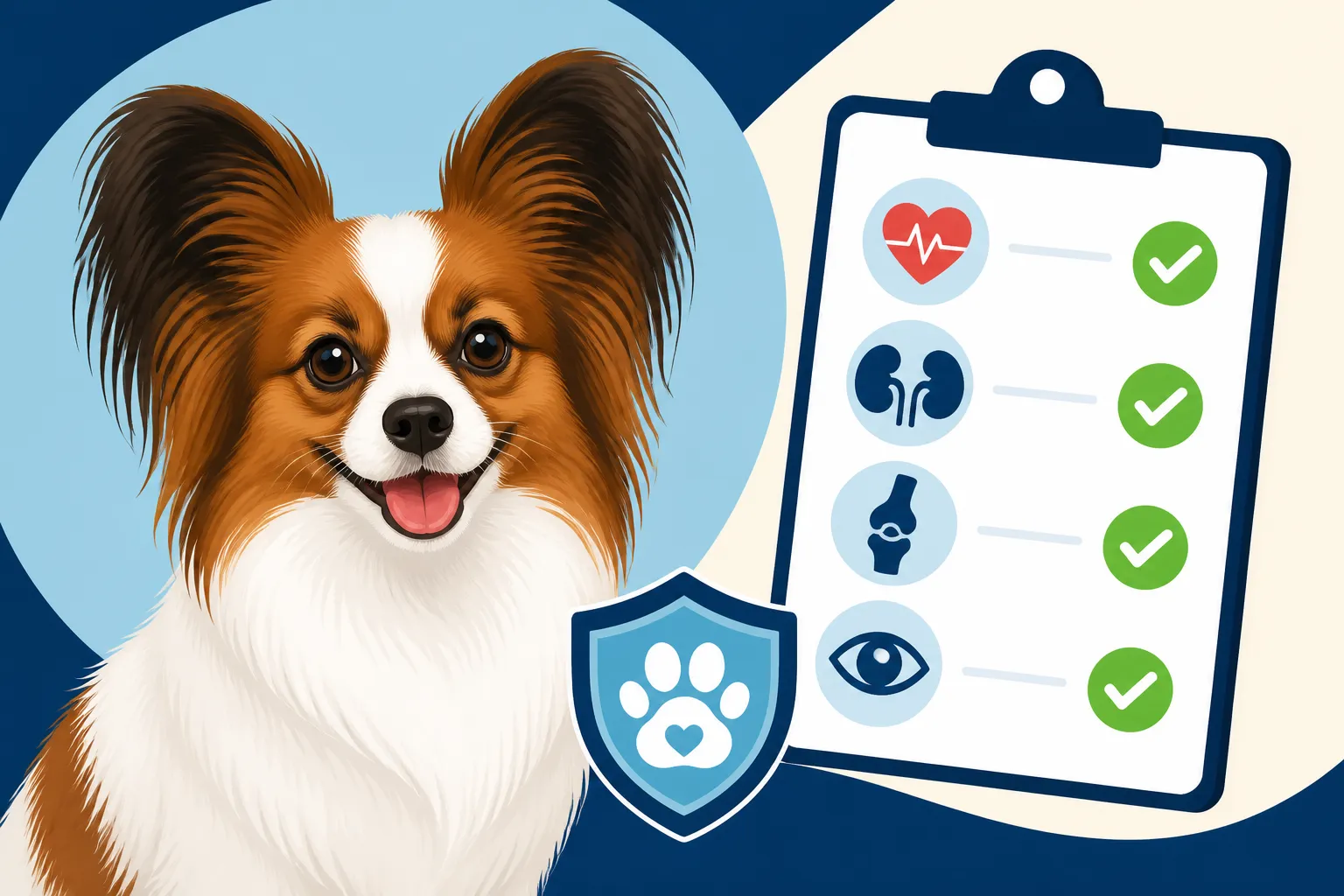
The key is to understand what these common issues are so you know what questions to ask and what test results to look for. For Papillons, the primary concerns that good breeders test for include patellar luxation, Progressive Retinal Atrophy (PRA1), and Neuroaxonal Dystrophy (NAD). These aren't just minor inconveniences; they can severely impact a dog's quality of life and lead to significant veterinary expenses down the road. Understanding these conditions empowers you to choose a puppy from parents who have been carefully screened, giving your new companion the very best start.
Essential Health Tests Every Papillon Parent Should Demand
When you're ready to bring home a Papillon, a reputable breeder will be transparent about the health screenings they perform on their breeding dogs. These aren't just recommendations; they're the gold standard for ensuring the health of their litters. Don't be shy about asking for documentation!
Patellar Luxation: Checking Those Tiny Knees
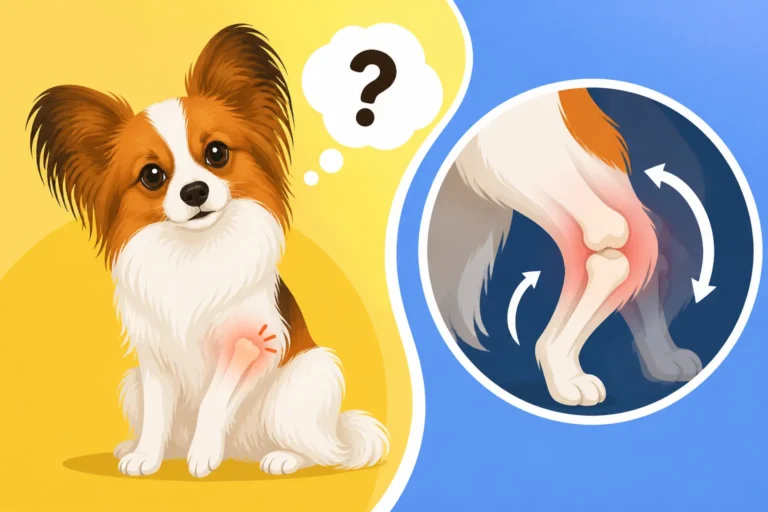
Patellar luxation is probably the most common orthopedic issue you'll encounter in small breeds like the Papillon. Simply put, it means the kneecap (patella) slips out of its groove in the thigh bone (femur). It can happen occasionally, causing a little skip in their step, or become a chronic, painful problem that requires surgery. You can read more about it in Patellar Luxation Is the Papillon Problem You Will Actually Meet. Because Papillons are so active and agile, healthy knees are absolutely paramount for their enjoyment of life.
Responsible Papillon breeders should have their breeding dogs evaluated for patellar luxation by a qualified veterinarian. This isn't a DNA test; it's a physical examination where the vet manually checks how stable the kneecap is. The results are typically graded on a scale from 0 to 4, with 0 being normal and 4 being severe. These evaluations should then be submitted to an organization like the Orthopedic Foundation for Animals (OFA) for certification. A breeder should be able to provide you with OFA certificates for both the sire and dam of your potential puppy, showing a "Normal" or "Grade 0" result. Without this, you're taking a significant gamble on your puppy's future mobility. Asking Whether a Papillon Breeder Certifies Knees is a crucial question.
It's important to remember that even with clear parents, a dog can still develop patellar luxation due to trauma or other factors, as it's a polygenic trait (meaning multiple genes and environmental factors are involved). However, breeding from dogs with sound knees significantly reduces the likelihood. Keep an eye out for Signs a Papillon's Kneecap Slips as your puppy grows, even from certified parents.
Progressive Retinal Atrophy (PRA): Protecting Their Precious Sight
Progressive Retinal Atrophy, specifically PRA1 (also known as Papillon PRA or CNGB1-related PRA), is a genetic eye disease that can lead to blindness in Papillons. This condition causes the cells in the retina (the light-sensitive tissue at the back of the eye) to degenerate over time. It typically affects night vision first, slowly progressing to day vision. It's heartbreaking to imagine a vibrant Papillon gradually losing their sight, which is why testing for this condition is so vital. You can learn more about the specifics of the disease in The Papillon Type of Progressive Retinal Atrophy and the CNGB1 Gene.
The wonderful news is that there's a specific DNA test available for PRA1 in Papillons. This test identifies if a dog is "clear" (meaning they don't carry the gene), a "carrier" (meaning they carry one copy of the gene but won't develop the disease themselves, though they could pass it on), or "affected" (meaning they have two copies of the gene and will likely develop the disease). Reputable breeders will test their breeding stock and share these results with you. Ideally, both parents should be clear, or one parent can be a carrier if the other is clear, ensuring no puppies will be affected by the disease. It's a simple cheek swab, making it an easy test to perform, and knowing the results helps guarantee the vision of your future companion. The DNA Test for Papillon Retinal Atrophy has made a huge difference for the breed.
In addition to DNA testing, some breeders also recommend annual eye examinations by a board-certified veterinary ophthalmologist. These exams, often certified by the OFA Eye Certification Registry (formerly CERF), screen for various eye conditions, including those not covered by DNA tests, though for PRA1, the DNA test is the most definitive. Still, a clean eye exam demonstrates thoroughness. Always ask Whether a Papillon Breeder Runs the PRA1 Test. You want to know What PRA1 Does to a Papillon's Retina so you understand the importance of this screening.
Neuroaxonal Dystrophy (NAD): A Rare but Serious Neurological Condition
Neuroaxonal Dystrophy (NAD) is a devastating inherited neurological disorder that affects Papillons. Puppies born with NAD typically start showing symptoms very early in life, often between 3 and 6 months of age. These symptoms can include progressive incoordination, difficulty walking, tremors, and a general lack of motor control, making it a truly heartbreaking diagnosis for both the puppy and their family. Sadly, there is currently no cure for NAD, and affected puppies usually have a very poor prognosis. It's crucial for prospective owners to understand the gravity of Neuroaxonal Dystrophy in a Papillon Puppy.
The good news, much like with PRA1, is that a DNA test is available to identify carriers and affected dogs. This test allows breeders to make informed decisions and prevent affected puppies from ever being born. This is why it's so incredibly important for breeders to screen their Papillons for this specific gene. A responsible breeder will have proof that both parent dogs are "clear" of the NAD gene, or at the very least, if one parent is a "carrier," the other must be "clear" to ensure no affected puppies are produced. Asking for these results is not being overly cautious; it's being a responsible future pet parent. You definitely want to know if The DNA Test for Papillon Neuroaxonal Dystrophy was performed.
Knowing how How a Papillon With Neuroaxonal Dystrophy Moves emphasizes just how critical it is to prevent this condition through diligent testing. It’s a profound testament to a breeder's ethics and commitment to the health of their puppies when they actively screen for such a severe, untreatable condition, even if it is relatively rare.
Beyond the Core: Other Important Considerations and Questions
While the core health tests for patellar luxation, PRA1, and NAD are paramount, a truly comprehensive approach to health involves looking at the bigger picture. It's not just about checking boxes; it's about understanding the health lineage of your future Papillon.
Understanding the Role of Parentage and Pedigree
When a breeder shows you the health clearances for the sire and dam of a litter, that's fantastic. But don't stop there. Ask about the health of the grandparents too, if possible. A healthy lineage spanning generations gives you an even stronger sense of confidence in your puppy's genetic health. Some genetic conditions can also be "clear by parentage" if both parents are tested and cleared, meaning the puppies inherit the clear status without needing their own individual test. This isn't always foolproof, but it’s a good indicator in certain situations.
A breeder who is truly invested in the health of their lines will be able to discuss the health history of their dogs openly and honestly, including any issues that might have appeared generations back, and what they've done to address them. This transparency is a hallmark of an ethical breeder. It shows they are constantly learning and striving to improve the health of the breed. Don't underestimate the power of a strong, healthy pedigree when it comes to predicting your puppy's future well-being.
Verification and Transparency: What to Look For
Never just take a breeder's word for it, no matter how charming they are. Always ask to see the physical documentation of health clearances. For patellar luxation and eye certifications, results are often publicly searchable on the Orthopedic Foundation for Animals (OFA) website using the dog's registered name or registration number. This allows you to independently verify the results the breeder has provided. A responsible breeder will welcome this scrutiny and be happy to guide you through the process of looking up their dogs.
Here’s a quick overview of what to look for:
| Health Test | What it checks for | Administering Organization/Registry | Preferred Result | Verification Method |
|---|---|---|---|---|
| Patellar Luxation Exam | Stability of the kneecap | OFA (Orthopedic Foundation for Animals) | Normal / Grade 0 | OFA Public Database (Search by dog's name/number) |
| PRA1 DNA Test (CNGB1) | Genetic marker for Progressive Retinal Atrophy (Type 1) | Various labs (e.g., Embark, Optimal Selection) | Clear | Lab certificate, OFA Public Database (if submitted) |
| Neuroaxonal Dystrophy DNA Test | Genetic marker for Neuroaxonal Dystrophy | Various labs (e.g., Embark, Optimal Selection) | Clear | Lab certificate, OFA Public Database (if submitted) |
| OFA Eye Certification | General eye health, screening for various conditions | OFA (formerly CERF) | Normal / No evidence of inherited eye disease | OFA Public Database (Search by dog's name/number) |
Beyond the specific tests, ask Which Questions to Ask a Papillon Breeder that delve into their overall breeding philosophy. Ask about their vaccine protocols, how they socialize their puppies, and what kind of diet they feed. A breeder who is truly passionate and knowledgeable will have thoughtful answers to all these inquiries. They should be just as interested in you as a prospective owner as you are in them as a breeder. This mutual vetting process is a positive sign. While this guide explains What Health Results a Papillon Breeder Should Show, remember that it's just one piece of the puzzle of finding a great puppy.
Holistic Health and Ongoing Care
Even with impeccable health clearances from the breeder, your Papillon's health journey doesn't end there. Ongoing care, a nutritious diet, and a watchful eye are paramount for a long, vibrant life. Regular veterinary check-ups, ensuring your Papillon is at a healthy weight, and providing appropriate exercise all contribute to their overall well-being. Whether a Papillon Is a Healthy Breed largely depends on responsible care throughout their life.
Consider the role of nutrition. High-quality dog food, whether it's premium kibble available from retailers like Chewy or fresh food options like Ollie, provides the building blocks for a strong immune system and healthy development. Discuss feeding with your breeder and vet to choose the best option for your Papillon. And as an extra layer of protection, especially for a breed with known predispositions like patellar luxation, seriously consider pet insurance. Providers like Healthy Paws can offer peace of mind, helping to cover unexpected veterinary costs if an illness or injury arises. While responsible breeding minimizes risk, no dog comes with a lifetime guarantee, and insurance can be a lifesaver. Learning What Insurance Covers on a Papillon is a smart step for any new owner.
Bringing home a Papillon from health-tested parents means you've done your due diligence and stacked the odds in your favor for a healthy companion. But remember, good health is a partnership between you, your vet, and the foundation laid by your breeder. It’s a journey, not just a single destination.
Disclaimer
This article is for general informational purposes only and does not constitute professional advice. Laws, prices and regulations vary by location and change over time. Consult a qualified professional for guidance on your specific situation.