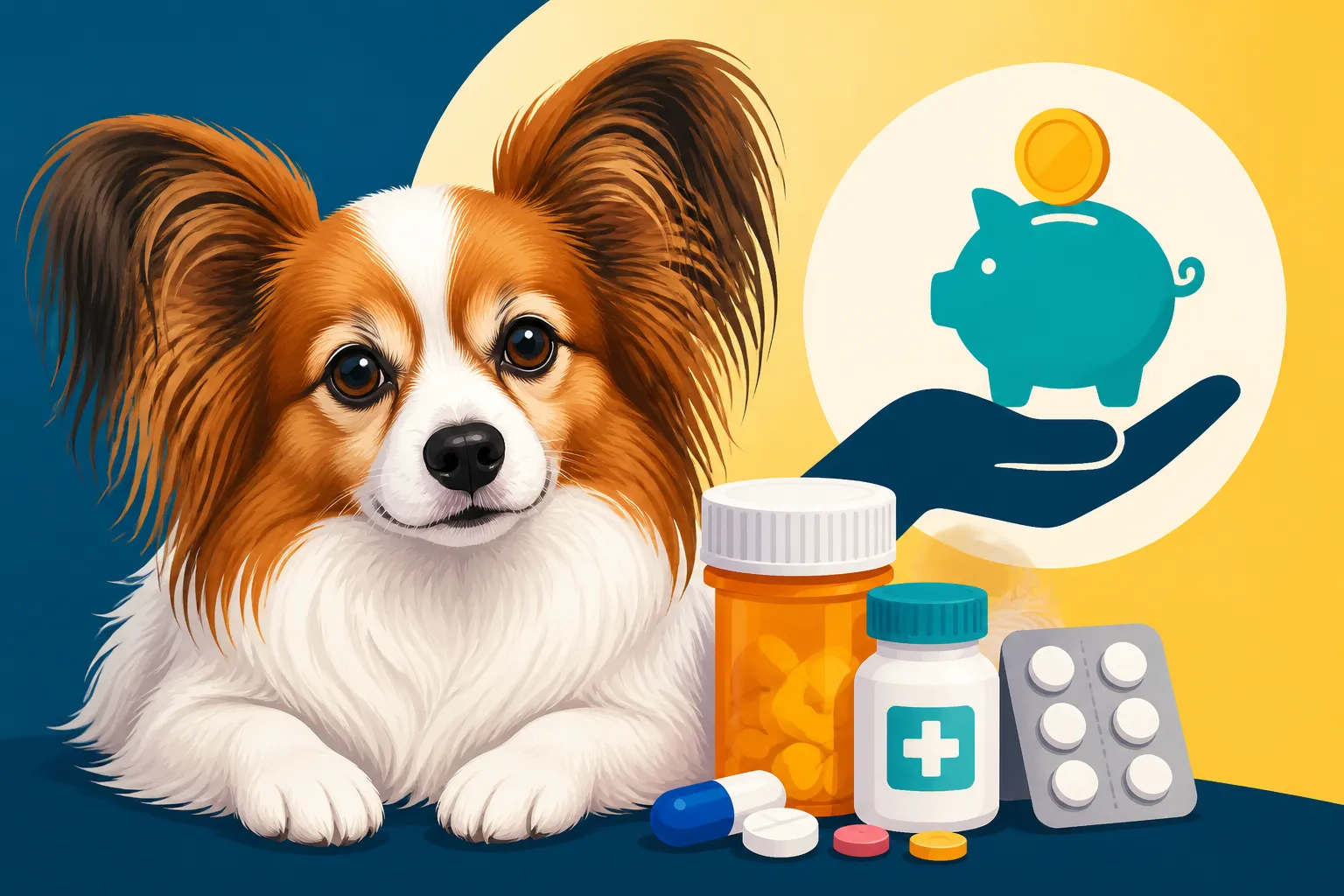
What an Aging Papillon’s Medication Costs
It's heartbreaking to watch our beloved Papillons slow down as they age, and even more so when we realize that their comfort and quality of life often come with a new reality: the cost of ongoing medications. Many of us spend years without thinking much about medication beyond routine parasite prevention, only to be hit with a monthly pharmacy bill once our little butterflies enter their golden years. This guide will walk you through the common medications an aging Papillon might need, what influences their cost, and practical ways to manage these expenses so you can focus on giving your senior companion the best possible care.
Understanding Common Medications for Senior Papillons
As Papillons gracefully enter their senior years, typically around 11 or 12, their bodies naturally start to face challenges. Just like us, they can develop age-related conditions that often require daily medication to manage symptoms, slow progression, or simply keep them comfortable. It’s a normal part of their long life, and understanding what conditions might arise helps prepare you. Caring for a Papillon Past Eleven dives deeper into general senior care.
Arthritis and Pain Management
One of the most frequent concerns for an aging Papillon is arthritis. You might start noticing them being a little stiffer after a nap, hesitating before jumping onto the sofa (even if they’ve been doing it their whole life!), or perhaps they’re not as eager for their usual walk. This discomfort often stems from osteoarthritis, where the cartilage in their joints wears down.
The good news is that there are many excellent medications available to help manage this pain. Non-steroidal anti-inflammatory drugs (NSAIDs) are a cornerstone of arthritis treatment. These prescription medications, such as carprofen or meloxicam, help reduce inflammation and pain, allowing your Papillon to move more freely and enjoy their daily activities. Your vet will monitor bloodwork regularly to ensure these medications are safe for your individual dog, especially for their liver and kidneys. Beyond NSAIDs, other drugs like gabapentin might be prescribed, particularly for neuropathic pain or in combination with NSAIDs for more severe cases. This can make a huge difference in their comfort levels, turning a hesitant walk into a happy trot once again.
Heart Disease Medications
Papillons are known for their generally robust health and impressive lifespans, but like many small breeds, they can be predisposed to certain heart conditions as they age. Mitral Valve Disease (MVD) is particularly common, where a valve in the heart starts to leak, making the heart work harder. You might first hear about this from your vet during a routine check-up, as they detect a heart murmur. Whether a Papillon Gets a Heart Murmur talks more about this.
If the disease progresses to congestive heart failure, medications become essential. Drugs like pimobendan help the heart pump more efficiently and dilate blood vessels, easing the workload on the heart. Diuretics, such as furosemide, are often prescribed to reduce fluid buildup in the lungs, which is a common and distressing symptom of heart failure, causing a cough or difficulty breathing. ACE inhibitors like enalapril can also be used to help relax blood vessels and lower blood pressure. These medications often become lifelong treatments, and getting the dosage just right is a careful balancing act for your vet.
Thyroid and Endocrine Issues
While less common than joint or heart problems, some Papillons might develop endocrine issues in their later years. Hypothyroidism, where the thyroid gland doesn't produce enough hormones, can manifest as weight gain, a dull coat, lethargy, and even skin problems. It's often diagnosed with a simple blood test.
The treatment for hypothyroidism is typically lifelong and involves daily hormone replacement therapy, usually in the form of a synthetic thyroid hormone tablet. The cost of this medication is generally quite manageable, but it does require regular blood tests to ensure your Papillon is on the correct dose. Finding the right balance means your Papillon can regain their energy, shed any unexplained weight, and get that beautiful, silky coat back to its former glory.
Eye Conditions and Support
Our little butterflies are known for their expressive, dark eyes, but these too can be susceptible to age-related changes. While Papillons are genetically predisposed to Progressive Retinal Atrophy (PRA1), which causes blindness, this is usually an earlier onset condition. However, general senior eye conditions can also appear. The Papillon Type of Progressive Retinal Atrophy and the CNGB1 Gene covers this genetic condition.
Older Papillons might develop conditions like dry eye (keratoconjunctivitis sicca), where the eyes don't produce enough tears, leading to discomfort, redness, and potential infections. Medications for this can include daily eye drops or ointments to stimulate tear production or provide lubrication. Glaucoma, characterized by increased pressure within the eye, can also occur and requires prescription eye drops to manage the pressure and prevent vision loss. Cataracts, while often not requiring medication unless they cause inflammation, are also common in senior dogs and can severely impair vision. Maintaining good eye health through regular check-ups is vital to catch these issues early and start treatment promptly.
Factors Influencing Medication Costs
When you first hear your vet recommend medication for your aging Papillon, it's natural to immediately wonder about the cost. It's not always a straightforward answer, as several factors play a significant role in how much you'll actually pay.
Type and Dosage of Medication
The specific medication your Papillon needs is perhaps the biggest cost driver. Some drugs are simply more expensive to produce or are newer to the market, leading to higher prices. For instance, a potent heart medication like pimobendan will almost certainly cost more than a daily thyroid supplement. The dosage also matters: a larger Papillon (though "large" for a Papillon is still quite small!) might require a higher dose than a particularly tiny one, meaning you'll go through the medication faster or need a higher strength tablet, both of which impact the overall cost. A condition that requires multiple medications simultaneously will obviously stack up the costs much quicker than one that's managed with a single pill.
Prescription vs. Over-the-Counter
It's tempting to look for over-the-counter solutions, especially for things like joint support. While there are many excellent supplements available, like glucosamine and chondroitin, it's crucial to understand their role. These are generally considered supplements and not direct medications in the same way prescription NSAIDs are. They can certainly be beneficial for joint health and might even help reduce the need for higher doses of prescription pain medication, but they don't replace them for active inflammation and pain. Always discuss any over-the-counter supplements with your veterinarian to ensure they are appropriate and won't interfere with any prescription drugs your Papillon is taking. Often, the most effective treatments for conditions like heart disease or severe arthritis are prescription-only, meaning you'll need that vet visit and diagnosis first.
Pharmacy Choices and Discounts
Where you fill your Papillon's prescription can make a noticeable difference in your wallet. Your veterinarian's office usually stocks common medications for convenience, but they might not always have the lowest prices. It's perfectly acceptable to ask your vet for a written prescription and then price-shop.
Many online pet pharmacies, like Chewy, offer competitive pricing, especially for maintenance medications that your Papillon will be on long-term. They often have auto-ship options and sometimes offer discounts for first-time orders. Human pharmacies, surprisingly, can also be a good option for certain pet medications, particularly if the drug is also used in humans (like gabapentin or furosemide). It always pays to call around and compare. Just be sure to verify that any online pharmacy you use is reputable and requires a valid prescription from your vet.
Generic vs. Brand Name
Just like with human medications, generic versions of pet drugs can offer significant savings. A generic medication contains the same active ingredient, in the same dosage, and works in the same way as its brand-name counterpart, but without the brand-name price tag. Not every medication has a generic option available, especially newer drugs, but if one exists for your Papillon's prescription, ask your vet if it's an appropriate choice. Many vets will proactively offer generic alternatives if available, knowing that cost is a concern for their clients. This can be a simple yet very effective way to cut down on long-term medication expenses without compromising on your Papillon's care.
Strategies to Manage and Afford Medication Costs
The thought of ongoing medication costs can feel overwhelming, especially when you're already concerned about your aging Papillon's health. But there are definitely proactive steps you can take to make these expenses more manageable.
Pet Insurance Considerations
Pet insurance can be a real lifesaver, especially for unexpected illnesses or accidents. Many policies, including those from providers like Healthy Paws, cover a significant portion of prescription medication costs for eligible conditions. However, the key phrase here is "eligible conditions." Most pet insurance plans have waiting periods and, crucially, do not cover pre-existing conditions.
This means if your Papillon is diagnosed with arthritis or heart disease before you enroll them in an insurance plan, any medication related to that condition will likely be excluded. This is why it's often recommended to get pet insurance when your dog is young and healthy, even if you think you won't need it. While it might not cover everything for an already aging Papillon with existing conditions, it could still help with new, unrelated conditions that arise. Always read the policy details carefully and understand what is and isn't covered. What Insurance Covers on a Papillon offers more insights.
Medication Compounding
Sometimes, a standard pill isn't the best option for your Papillon. Maybe the dosage isn't quite right for their tiny size, or perhaps they're incredibly finicky about taking pills. This is where compounding pharmacies come in. These specialized pharmacies can custom-prepare medications in different strengths, forms (like flavored liquids, tiny chewable treats, or even transdermal gels), or combine multiple medications into one dose.
While compounded medications can sometimes be more expensive than standard pills due to the custom work involved, they can also be a solution for specific problems. If your Papillon absolutely refuses a bitter pill, a palatable liquid might be the only way to ensure they get their medication consistently. Consistent medication is better than no medication, even if it comes at a slightly higher cost. Discuss with your vet if a compounded medication is a viable option for your Papillon's needs and budget.
Telehealth and Online Consultations
While you'll always need an in-person visit for initial diagnoses and regular check-ups, telehealth services and online consultations have become more prevalent. For certain follow-up appointments, medication refills, or discussing minor adjustments to a stable medication regimen, an online consultation with your regular vet might save you the time and expense of an in-person visit.
This isn't always about reducing the cost of medication directly, but rather reducing the overall vet bill associated with getting that medication. It's a convenient option that can save on travel time, gas, and sometimes even the consultation fee itself compared to a full clinic visit. Always confirm with your veterinary practice if they offer such services and if they are appropriate for your Papillon's specific situation.
Financial Assistance Programs
If you find yourself struggling with significant medication costs for your aging Papillon, remember you're not alone. Many organizations offer financial assistance for pet owners. These can range from national programs to local charities specifically dedicated to helping seniors with their pets, or those assisting with chronic illness management.
While these programs aren't always easy to find or quick to process, they can provide a much-needed lifeline. Your veterinarian's office often knows about local resources or can point you toward national foundations that help with veterinary expenses. It never hurts to ask for guidance if you're facing a difficult financial situation – the goal is always to keep your beloved Papillon healthy and at home with you.
Diet and Lifestyle Adjustments
While diet and lifestyle aren't direct "medications," they play a huge, often underestimated, role in supporting your aging Papillon's overall health and can potentially reduce the need for certain medications or help maintain lower dosages. A high-quality diet provides essential nutrients that support joint health, immune function, and organ health. Brands focused on quality ingredients, like Ollie, can make a difference.
For instance, maintaining a healthy weight is paramount for Papillons with arthritis. Even a couple of extra ounces can put significant strain on their small joints, exacerbating pain and potentially increasing the need for pain medication. Regular, gentle exercise appropriate for their age and condition helps maintain muscle mass and joint flexibility. Avoiding high-impact activities like jumping off furniture (consider Ramps and Steps Cost for a Papillon to protect their joints) can prevent further injury. While not a replacement for prescribed medications, good diet and a carefully managed lifestyle are powerful tools in your arsenal for keeping your Papillon comfortable and healthy for as long as possible.
The Emotional Toll and Planning Ahead
Caring for an aging Papillon with ongoing medical needs isn't just a financial challenge; it's a deeply emotional journey. Witnessing your vibrant butterfly slow down, deal with discomfort, or become reliant on daily pills can be incredibly tough on your heart. Acknowledging this emotional toll is the first step in navigating this phase with grace.
The Reality of Long-Term Care
Many Papillon owners find themselves unprepared for the long-term commitment that comes with chronic conditions. It's not just about the cost of the pills; it's about remembering daily doses, observing for side effects, adjusting schedules, and sometimes even physically coaxing a reluctant dog to take their medication. This routine can become a significant part of your daily life.
The reality is that as our Papillons live longer, often well into their teens, the likelihood of managing age-related illnesses increases. How Long a Papillon Lives confirms their longevity. This ongoing care, while rewarding, requires dedication and patience. There will be good days and bad days, and understanding that this is a marathon, not a sprint, can help you prepare mentally and emotionally. It's okay to feel tired or overwhelmed sometimes; acknowledge those feelings and seek support if you need it.
Proactive Health Management
One of the best ways to mitigate future medication costs and ensure your Papillon stays as healthy as possible is through proactive health management. This means sticking to those annual (or even bi-annual for seniors) veterinary wellness exams. Early detection of conditions like heart murmurs, changes in bloodwork indicating kidney issues, or the subtle signs of arthritis can mean starting less invasive, less costly treatments sooner, potentially delaying the need for more aggressive and expensive medications down the line. How Often a Papillon Needs a Wellness Exam is a good guideline.
During these visits, discuss your Papillon's weight, diet, exercise habits, and any minor changes in behavior you've noticed. Catching something like a slight weight gain before it puts too much stress on their joints, or addressing early dental issues before they lead to extensive extractions, can have a huge impact on their long-term health and your budget. Dental Work Over a Papillon's Long Life is a prime example of proactive care.
Building an Emergency Fund
No matter how well you plan, unexpected health issues can arise. A sudden flare-up of arthritis, an emergency trip to the vet for a new symptom, or a temporary increase in medication dosage can quickly lead to unforeseen expenses. This is where an emergency fund specifically for your Papillon can provide immense peace of mind.
Even setting aside a small amount each month into a dedicated savings account can build up over time. This fund acts as a buffer against those "what if" scenarios, ensuring you can make decisions based on your Papillon's needs, rather than solely on your immediate financial capability. Think of it as investing in their future comfort and your own peace of mind. While pet insurance covers some things, an emergency fund gives you flexibility for deductibles, co-pays, or expenses for non-covered conditions.
| Medication Category | Common Examples | General Cost Trend (per month) |
|---|---|---|
| Pain/Arthritis | NSAIDs (e.g., carprofen, meloxicam) | Moderate |
| Gabapentin | Low to Moderate | |
| Joint Supplements (OTC) | Low to Moderate | |
| Heart Disease | Pimobendan | High |
| Furosemide (Diuretic) | Low | |
| ACE Inhibitors (e.g., enalapril) | Low to Moderate | |
| Thyroid Issues | Levothyroxine (Thyroid hormone) | Low |
| Eye Conditions | Cyclosporine (Dry eye drops) | Moderate to High |
| Glaucoma Drops | Moderate to High | |
| Other (e.g., GI, Allergy) | Anti-nausea, Steroids, Antihistamines | Low to Moderate |
Note: Cost trends are general and can vary significantly based on dosage, brand/generic, pharmacy, and region.
Disclaimer
This article is for general informational purposes only and does not constitute professional advice. Laws, prices and regulations vary by location and change over time. Consult a qualified professional for guidance on your specific situation.