Whether a Papillon Suits an Apartment
One of the biggest worries for anyone bringing home a Papillon, especially if you live in a city or a smaller dwelling, is whether such an energetic and intelligent little dog can truly thrive in an apartment. It's a valid concern; you want to provide the best life possible for your furry companion, and often, we imagine dogs needing sprawling yards to be happy. This comprehensive guide will explore the nuances of Papillon behavior and needs, helping you understand precisely how this breed can not only adapt to apartment living but genuinely flourish in it with the right approach.
Understanding the Papillon's Core Nature
Before we dive into the practicalities of apartment living, it’s essential to truly grasp what makes a Papillon tick. These aren't just pretty faces with magnificent ears; they're incredibly bright, surprisingly robust, and full of personality. Understanding their inherent traits is the first step in creating an environment where they can thrive, regardless of square footage.
Energy Levels and Indoor Habits
Papillons are known for their lively and spirited nature. They might be small, but they certainly aren't couch potatoes by default. They possess a surprising amount of energy for their size, capable of bursts of speed and agility that belie their delicate appearance. However, this energy is often manageable indoors. They love to play fetch down a hallway, zoom in circles around furniture, or engage in enthusiastic games of tug-of-war in a living room. Their small stature means they can expend a lot of energy in a relatively confined space, far more efficiently than a larger breed might.
What truly sets them apart is their biddability and their desire to be with their people. When their exercise needs are met, they are perfectly content to snuggle on the sofa, follow you from room to room, or quietly observe the world from a comfortable perch. They aren't prone to destructive behaviors born of excessive pent-up energy if given appropriate outlets. It's all about balancing their natural zest for life with periods of calm companionship.
You'll find that a well-exercised Papillon often chooses to rest and conserve energy indoors, transforming from a whirling dervish into a serene lapdog. This adaptability makes them far more suited to apartment life than many might initially assume, as long as their owners are committed to providing those essential daily outlets.
Big Dog Personality in a Small Package
One of the most endearing and sometimes challenging aspects of a Papillon is their "big dog" personality. They carry themselves with an air of confidence and often seem entirely oblivious to their small size. This translates into a bold, fearless, and often bossy demeanor that can be both amusing and, at times, a little intimidating for other dogs, regardless of their stature. They don't shy away from bigger dogs, and in some cases, they might even instigate play or interactions, which can be a concern in shared spaces.
This confident personality means they aren't easily cowed by new environments or people, a huge plus for apartment dwellers who encounter strangers in hallways, elevators, or common areas. They are generally outgoing and curious, eager to investigate new sounds and smells. While this can sometimes lead to excessive barking (which we'll cover later), it also means they adapt quickly to the hustle and bustle of apartment life without becoming overly fearful or withdrawn.
It's crucial to remember that despite their bold spirit, they are physically delicate. Their big dog personality needs a responsible owner to act as their protector, especially around larger, less careful dogs. Socialization is key to ensuring their confidence doesn't tip into recklessness.
The Papillon's Affectionate Side
Beneath all that intelligence and energy lies a deeply affectionate and devoted companion. Papillons thrive on human companionship and form strong bonds with their families. They are truly "velcro dogs" for many owners, preferring to be in the same room, if not on the same lap, as their people. This makes them ideal apartment companions, as they genuinely enjoy being close.
Their small size makes them perfect for snuggling, and they rarely take up too much space on the couch or in bed (if allowed!). They are excellent at mirroring their owner's mood, offering comfort when you're down or engaging in playful antics when you're in a cheerful mood. This inherent desire for closeness means they are usually happy to be wherever you are, which perfectly suits the more confined nature of apartment living.
This affectionate nature also means they can be prone to separation anxiety if not properly conditioned to be alone. A Papillon left alone for long stretches without adequate mental and physical stimulation can become distressed, regardless of the size of the home. This is where consistent training and management come in, even in a small space. How Long a Papillon Copes Alone provides more insight into this common concern.
Exercise Needs in an Apartment Setting
One of the primary concerns for apartment dwellers is how to adequately exercise a dog without a private yard. For a Papillon, this isn't as daunting as it might seem. Their exercise needs are manageable and can be met creatively, even in the smallest of urban dwellings.
Daily Walks and Outdoor Adventures
While Papillons don't need miles of running every day, they absolutely thrive on regular outdoor excursions. Two to three good walks a day, lasting anywhere from 20 to 30 minutes each, are usually sufficient to satisfy their physical needs. These aren't just for potty breaks; they're opportunities for mental enrichment as well. Allowing your Papillon to sniff and explore new scents is incredibly stimulating for their keen minds. Think of it as their daily dose of "reading the newspaper."
These walks are also their main connection to the outside world, helping to alleviate boredom and prevent destructive behaviors. City parks, sidewalks, or even just a brisk stroll around the block are all excellent options. Just be mindful of their small paws on hot pavement or icy sidewalks, and consider a warm coat if you live in a colder climate, as Whether a Papillon Feels the Cold indicates they can be sensitive to chilly temperatures.
Varying your walking routes can provide novel experiences and keep things interesting. Exploring new neighborhoods, visiting dog-friendly shops, or even enjoying an occasional hike on suitable trails can be fantastic adventures for a Papillon, proving that apartment living doesn't have to mean a confined existence.
Indoor Play and Activities
When outdoor walks aren't feasible due to weather, time constraints, or other factors, indoor play becomes paramount. Papillons are exceptionally adept at burning off steam within the confines of an apartment. Games of fetch are a particular favorite, and a long hallway can become their personal agility course. Soft toys, small balls, or even rolled-up socks can be used for these indoor sessions.
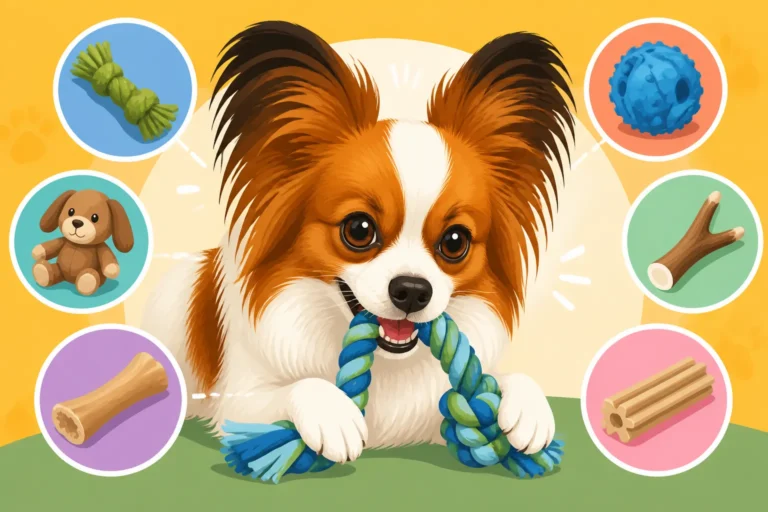
Interactive puzzle toys, readily available on platforms like Amazon, are excellent for channeling their energy and intelligence. These toys often require your dog to solve a problem to get a treat, which engages their brain and provides a constructive outlet for their energy. Hide-and-seek with treats or toys is another fantastic indoor game that works both their nose and their mind.
Even short, frequent play sessions throughout the day can make a big difference. Five to ten minutes of active play several times a day can keep them happy and prevent boredom-induced mischief. Remember, for a small dog, even a short burst of activity can be quite tiring. You might also consider investing in a small indoor agility tunnel or a set of low jumps, also easily found on Amazon, to set up a mini course in your living room for controlled exercise and fun. How Much Exercise a Papillon Needs elaborates on their requirements.
Managing Potty Breaks Without a Yard
One of the most practical challenges of apartment living is the lack of direct yard access for potty breaks. This means regular, scheduled trips outside are non-negotiable. Establishing a consistent schedule from puppyhood is crucial. For puppies, this might mean every two hours, gradually extending as they mature. For adults, three to four trips a day are usually sufficient.
For those times when going outside isn't possible, or for senior dogs who might have less bladder control, indoor potty solutions can be a lifesaver. Potty pads are a common choice, and with consistent training, many Papillons take to them readily. Another option gaining popularity is an indoor "dog litter box" system, often using real grass patches or synthetic turf. These can be particularly appealing for Papillons who might dislike going out in inclement weather, as Why a Papillon Refuses to Go Out in Rain highlights.
The key is consistency and patience. Always praise and reward your Papillon for using the designated potty area, whether indoors or out. Even with indoor options, it’s vital to ensure they still get ample opportunity to go outside for proper exercise and mental stimulation, as indoor solutions should complement, not replace, outdoor adventures.
Mental Stimulation and Apartment Life
A Papillon's intelligence is often compared to that of much larger breeds, sometimes even ranking among the smartest dogs overall. This means that physical exercise alone won't keep them truly content, especially in an apartment setting. Their active minds need just as much, if not more, attention.
The Papillon's Keen Mind
Papillons are renowned for their quick wit and ability to learn new commands at an astonishing pace. They absorb information like sponges, often picking up new tricks after only a few repetitions. This makes them incredibly fun to train, but it also means they can become bored or mischievous if their brains aren't sufficiently challenged. A bored Papillon might find less desirable ways to entertain themselves, like chewing on furniture, barking excessively, or otherwise getting into trouble.
Their intelligence is a double-edged sword: it makes them wonderfully adaptable and trainable for apartment living, but it also means you, as their owner, need to be just as committed to their mental well-being as their physical health. They thrive on learning and problem-solving, and denying them these outlets can lead to frustration for both dog and owner. How Fast a Papillon Learns a New Cue truly illustrates their mental prowess.
Engaging their keen minds is not just about preventing bad habits; it's about enriching their lives and strengthening your bond. Every new command learned, every puzzle solved, every novel scent explored contributes to a happier, more fulfilled Papillon, perfectly at home in an apartment.
Brain Games and Puzzle Toys
Interactive toys are invaluable tools for apartment-dwelling Papillons. These aren't just chew toys; they're designed to make your dog think. KONG toys stuffed with treats, snuffle mats where they have to root out kibble, and various treat-dispensing gadgets (many easily found on Amazon) can provide hours of engaging mental work. Rotate these toys regularly to keep them novel and exciting.
Beyond commercially available toys, you can create simple brain games at home. Hiding treats around the apartment for your Papillon to "hunt" engages their natural foraging instincts. Learning the names of their toys and then being asked to retrieve a specific one is another fantastic way to challenge their intellect. These activities don't require vast amounts of space, just a little creativity and time from you.
Remember that mental exercise can be just as tiring as physical exercise, if not more so. A good session with a puzzle toy or a short training burst can leave your Papillon pleasantly tired and ready for a nap, making them a much calmer companion in your apartment.
Training for Apartment Success
Consistent training is the cornerstone of successful apartment living with a Papillon. Their intelligence makes them highly trainable, so take advantage of it! Beyond basic obedience like sit, stay, and come, focus on commands that are particularly useful in an apartment. A strong "settle" or "place" command can teach them to relax in their designated spot when visitors arrive or when you need quiet time.
Teaching a "quiet" cue to manage barking (discussed below) is also essential. Leash manners are critical, as you'll be navigating shared hallways and public spaces frequently. Enrolling in a puppy class or even an online training program, like those offered by BAXTER & Bella, can provide structure and support, especially for first-time owners. These programs often include modules specifically helpful for managing urban and apartment living challenges.
Training isn't just about obedience; it's about building communication and trust. A well-trained Papillon is a confident Papillon, and a confident dog is better equipped to handle the various sights, sounds, and experiences that come with apartment life. Plus, the mental engagement of training sessions is a vital part of their daily stimulation, which is particularly important when space is limited.
Barking and Neighborly Relations
One of the most common complaints about apartment dogs, regardless of breed, is excessive barking. Papillons, with their watchful and alert nature, can certainly be prone to it. Addressing this proactively is crucial for peaceful coexistence with your neighbors.
Why Papillons Bark
Papillons are naturally alert and often consider themselves the unofficial guardians of their home. This means they are quick to announce anything they perceive as unusual or threatening – a person walking by the door, a noise from the hallway, or someone at the window. This isn't usually out of aggression, but rather a strong communication instinct. They want you to know what's happening!
Boredom or anxiety can also contribute to barking. A Papillon that isn't getting enough physical or mental stimulation, or one that struggles with separation anxiety, might resort to barking as an outlet for their distress. Environmental triggers, such as sounds from neighboring apartments, construction noise, or people in common areas, can also set them off. Understanding the root cause of the barking is the first step in addressing it effectively.
Sometimes, barking can simply be a learned behavior – if they bark and you immediately give them attention (even negative attention), they learn that barking gets a response. It’s important to identify these patterns to implement an effective training strategy.
Training for a "Quiet" Home
The good news is that Papillons are highly intelligent and trainable, which means barking can be managed with consistent effort. Teaching a "speak" command first, followed immediately by a "quiet" command, can be very effective. Reward them for barking once or twice on cue, then for being silent on command. This gives them an outlet while also teaching control.
Desensitization to triggers is another key strategy. If your Papillon barks at every sound in the hallway, gradually expose them to these sounds at a low volume, rewarding them for remaining calm. Slowly increase the volume over time. If they bark at people passing by the window, limit their access to the window when you're not there to supervise, or use window film to obscure their view. How to Teach a Papillon a Quiet Cue offers more in-depth advice on this.
Crate training can also be beneficial, providing them with a safe, quiet den where they can feel secure and less prone to reacting to external stimuli. Always ensure their needs are met (exercise, potty, mental stimulation) before leaving them alone, as a tired and stimulated dog is less likely to bark out of boredom or anxiety.
Soundproofing and Neighbor Considerations
While training is paramount, you can also take steps to mitigate the impact of barking on your neighbors. Using white noise machines or turning on a radio or TV can help mask external sounds that might trigger your Papillon. Thick curtains or sound-absorbing panels can also make a difference, especially for window-related barking.
Open communication with your neighbors, if you feel comfortable, can also be helpful. Let them know you are actively working on training your dog and ask them to inform you if barking becomes excessive. This proactive approach can foster understanding and prevent complaints. You can even consider leaving your dog with a trusted friend or dog walker during times when you know they might be more prone to barking or when you will be gone for an extended period.
Ultimately, a Papillon can be a perfectly quiet apartment dweller, but it requires dedication from the owner to understand their barking triggers and implement consistent training and management strategies. It’s an investment in peace for everyone!
House Training and Small Spaces
House training a small dog in an apartment can sometimes feel like a bigger challenge than with a larger breed. Their tiny bladders mean more frequent trips, and accidents on an expensive rug can be frustrating. However, with the right approach, a Papillon can be reliably house trained, even without a backyard.
Consistency is Key
The golden rule of house training any dog, especially a small one in an apartment, is unwavering consistency. Establish a strict potty schedule and stick to it. This means taking your Papillon out first thing in the morning, after every meal, after naps, before bedtime, and at least once or twice more throughout the day. For puppies, it will be even more frequent. Every time they eliminate outside (or on their designated indoor spot), celebrate with high-value treats and enthusiastic praise.
Avoid punishing accidents indoors. Instead, interrupt them calmly, immediately take them to their potty spot, and reward them if they finish there. Thoroughly clean any accidents with an enzymatic cleaner to eliminate odors that might entice them to go in the same spot again. Papillons are intelligent and eager to please, so once they understand what's expected, they catch on quickly. How Long House Training a Papillon Takes offers more details on the typical timeline.
The more consistent you are, the faster your Papillon will grasp the concept. This commitment is vital for apartment living, where frequent trips outside might feel like a chore but are absolutely essential for success.
The Role of Potty Pads or Litter Boxes
For apartment dwellers, especially those on higher floors or in areas with less immediate outdoor access, potty pads or designated indoor dog litter boxes can be incredibly useful tools. These provide an alternative for emergencies, late-night breaks, or for owners who are away for slightly longer periods. For Papillon puppies, starting with potty pads can ease the transition, as their tiny bladders can't hold it for long.
If you choose to use potty pads, place them in a consistent, easily accessible location. Train your Papillon to use them using the same positive reinforcement techniques as outdoor training. It's often best to try to "fade" the pads as they get older if your ultimate goal is 100% outdoor potty training, but some owners find them indispensable for the entire life of their apartment-dwelling Papillon.
For those who find the disposable nature of potty pads unappealing, indoor turf systems or dog litter boxes with washable liners offer an eco-friendlier and often neater solution. Again, consistency in placement and rewarding successful use is paramount. Remember, these are tools to assist with house training, not a replacement for outdoor exercise and stimulation.
Avoiding Accidents in a Limited Area
In a small apartment, every accident can feel magnified. To minimize these, supervision is your best friend. When you can't actively watch your Papillon, especially a puppy, confine them to a smaller, safe area like a playpen or a crate. This prevents them from wandering off and having an accident in an unsupervised corner. They are less likely to soil their sleeping area.
Management of their environment also plays a role. Ensure their food and water schedule is consistent, as this directly impacts their potty schedule. Remove rugs temporarily during the initial house-training phase if accidents are frequent on them. Consider washable dog beds and covers for furniture.
With patience, dedication, and a consistent routine, your Papillon can become a perfectly house-trained apartment companion, respecting your living space and providing you with peace of mind. Their small size means that even a minor accident is easier to clean up than with a larger breed, but preventing them altogether is the ultimate goal.
Safety and Environment in an Apartment
While a Papillon's small size makes them well-suited to apartments, it also presents unique safety considerations. Apartment living can have various hazards that might be overlooked for a larger, sturdier dog. Ensuring your home is a safe haven for your delicate companion is paramount.
Protecting Delicate Joints
Papillons are generally a healthy breed, but like many small dogs, they can be prone to patellar luxation, a condition where the kneecap slips out of place. This means that repeated jumping on and off furniture, or sharp impacts from falls, can exacerbate or even cause knee issues. In an apartment, where furniture is often a comfortable perch, this becomes a significant concern. What Patellar Luxation Does to a Papillon offers more information on this condition.
To protect their delicate joints, consider providing pet stairs or ramps for your Papillon to access sofas and beds safely. These can be found in various styles and materials on Amazon and can make a huge difference in preventing unnecessary strain on their knees. Actively discourage jumping from high surfaces, especially onto hard floors.
Keep their nails trimmed short, as long nails can affect their gait and put undue stress on their joints, potentially leading to or worsening knee problems. A regular grooming routine, which can be done at home or by a professional, is vital for their overall health and mobility.
Puppy-Proofing Your Apartment
Just like with a human baby, a Papillon puppy needs a thorough apartment-proofing. Their small size means they can get into tiny spaces you might not even notice. Look for gaps behind appliances, under furniture, or small openings in cabinets where they could get stuck or access dangerous items. Electrical cords are a particular hazard and should be secured or covered.
Small, swallowable objects like coins, buttons, dropped medications, or even certain plant leaves can be a choking hazard or toxic. Ensure all cleaning supplies, medications, and toxic foods (like chocolate or grapes) are stored securely out of reach. Check for dangling blinds cords, which can pose a strangulation risk.
Their curious nature means they will explore every nook and cranny. Constant supervision, especially during their puppyhood, combined with a well-secured living space, will keep your Papillon safe and prevent costly emergency vet visits. A sturdy crate or playpen can be invaluable for containing them when you can't provide direct supervision.
Managing Temperatures and Drafts
Papillons, with their single, fine coat, are more susceptible to temperature fluctuations than double-coated breeds. In an apartment, drafts from windows or doors, or fluctuating heating/air conditioning, can make them uncomfortable. Ensure their sleeping area is away from direct drafts and is warm and cozy. Whether a Papillon Gets Cold Under Anesthesia also speaks to their sensitivity to temperature.
During colder months, a small sweater or coat can provide extra warmth, especially on walks. Conversely, in summer, be mindful of overheating. While they don't have a thick undercoat, direct sun through apartment windows can quickly raise temperatures. Always ensure they have access to fresh water and a cool spot to rest.
Their long ear fringes also need a little extra care. While beautiful, they can occasionally get wet when drinking or fall into food, requiring regular cleaning to prevent irritation or matting. Keeping them clean and dry contributes to their overall comfort and health within your apartment environment. The Ear Fringe That Gives the Papillon Its Name is a great read about this iconic feature.
Is an Apartment the Right Fit for a Papillon?
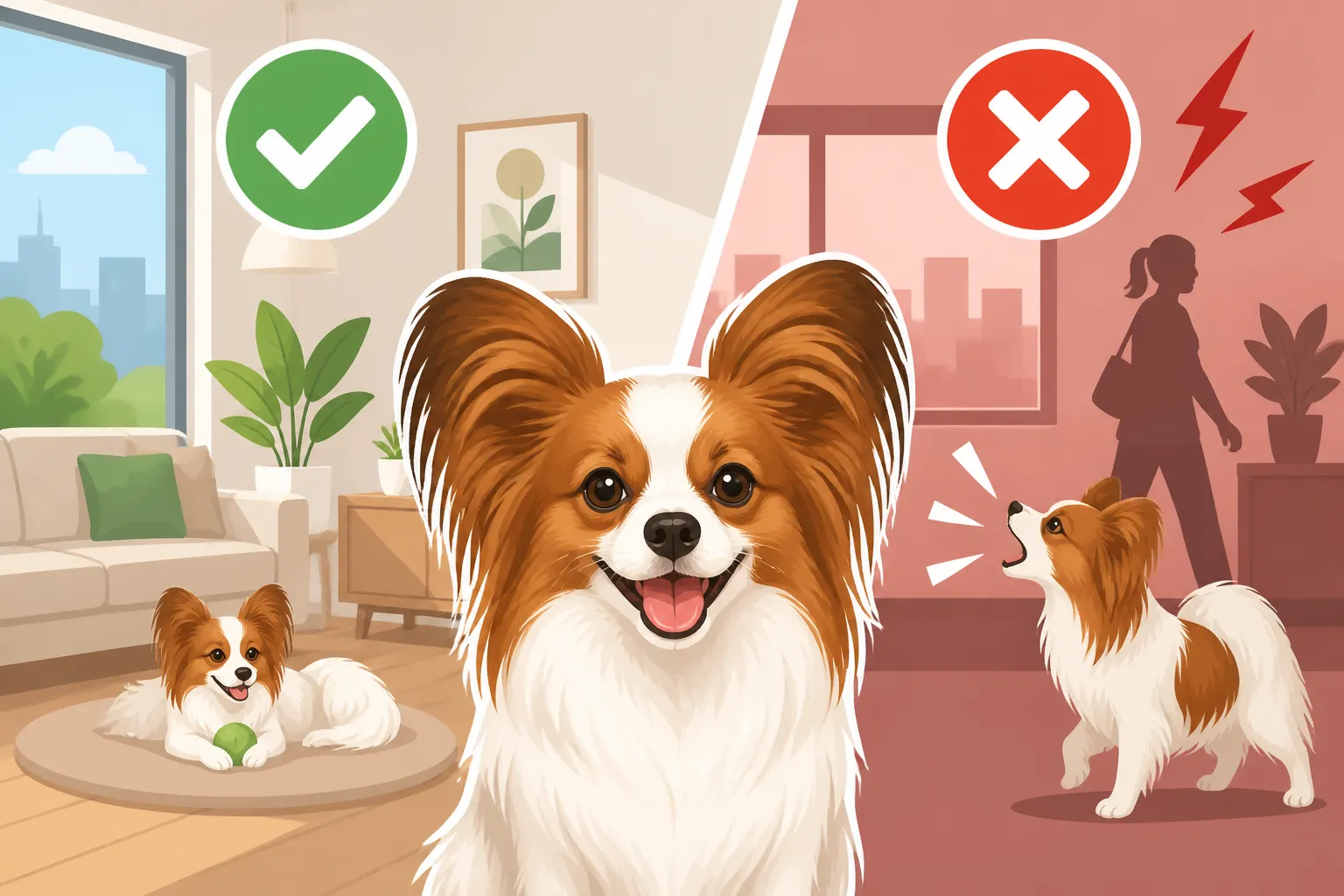
So, after all this, is a Papillon a good fit for an apartment? Absolutely, a Papillon can thrive in an apartment, often even better than some larger breeds, provided their owners are committed to meeting their specific needs. Their adaptability, manageable size, and strong desire for companionship make them excellent urban companions.
The Papillon's Adaptability to Urban Life
Papillons are incredibly resilient and adaptable. They aren't fazed by city noises, crowds, or the lack of a sprawling backyard. What truly matters to them is their human family and a consistent routine that provides ample physical exercise and mental stimulation. As long as these core needs are met, the square footage of your home becomes a secondary concern. They simply want to be with you, whether that's in a penthouse or a cozy studio.
Their small size also means they are easy to transport, making trips to dog parks, pet-friendly cafes, or even weekend getaways much simpler. They can ride comfortably in a carrier, which is a huge advantage for apartment dwellers who often rely on public transportation or encounter tight spaces. This portability means that their world doesn't have to be limited to the four walls of your apartment.
The key to their success in urban living lies in your dedication as an owner. You are their world, and if you provide them with engagement, love, and appropriate outlets for their energy and intelligence, they will be perfectly content.
What Makes an Apartment a Good Home for a Papillon
An apartment can actually offer several advantages for a Papillon. The close quarters ensure they are always near their beloved humans, which satisfies their strong social drive. It's often easier to monitor a small dog in a smaller space, preventing them from getting into trouble or having unsupervised accidents.
For many, apartment living means a more active owner who is committed to daily walks and outings, rather than simply letting a dog out into a yard. This structured outdoor time is often more enriching for a Papillon than simply being let loose in a yard alone. Furthermore, the intimacy of an apartment can foster a very strong bond between owner and dog, as you're constantly interacting and sharing your space.
Apartment living often means you're more likely to engage in local dog-friendly activities, like training classes or meet-ups, providing crucial socialization for your Papillon. Whether a Papillon Suits a First Time Owner explores whether their adaptability also extends to novice owners.
Key Considerations for Apartment Dwellers
While Papillons are excellent apartment dogs, there are a few final considerations for potential owners:
- Time Commitment: You must be prepared for regular walks, training sessions, and dedicated play time. This isn't a "let them out in the yard" breed.
- Noise Management: Proactive training for barking is essential for harmonious neighbor relations.
- Safety: Puppy-proofing and protecting delicate joints should be a priority. Consider ramps and pet stairs.
- Veterinary Care: Access to a good vet is crucial, as small dogs can have unique health considerations. Anesthesia and a Five Pound Papillon highlights the special care needed for their small size during medical procedures.
By thoughtfully addressing these points, you can confidently welcome a Papillon into your apartment and enjoy years of joyful companionship.
Here's a quick overview of how Papillons handle common apartment living challenges:
| Apartment Challenge | Papillon Behavior/Solution |
|---|---|
| Limited Space | Small size allows ample indoor exercise (fetch in hallways, zoomies). Highly adaptable to living in close quarters with owners, preferring companionship over vast outdoor space. |
| Lack of Yard Access | Thrives on 2-3 daily walks for physical and mental stimulation. Can be reliably house trained with consistent schedule or utilize indoor potty solutions (pads, turf systems). |
| Neighbor Noise | Alert nature can lead to barking at external sounds. Manageable with consistent "quiet" training, desensitization, and environmental management (white noise, window film). Intelligent and responsive to training. |
| Boredom/Destruction | Highly intelligent and needs mental stimulation. Preventable with daily training sessions, puzzle toys (available on Amazon), and interactive play. Easily bored if under-stimulated. |
| Safety (Jumping) | Delicate joints can be prone to injury from jumping on/off furniture. Use pet stairs/ramps (from Amazon) and discourage high jumps to protect knees. |
| Separation Anxiety | Strongly bonded to owners; can develop anxiety if not conditioned to alone time. Prevent with gradual increases in alone time, crate training, and mental enrichment before departure. Online training resources like BAXTER & Bella can help here. |
| House Training | Can be slower to house train due to small bladder. Requires strict consistency, frequent trips, and positive reinforcement. Indoor potty options can be a useful aid. |
Disclaimer
This article is for general informational purposes only and does not constitute professional advice. Laws, prices and regulations vary by location and change over time. Consult a qualified professional for guidance on your specific situation.