The Plume, the Culottes and a Papillon’s Chest Frill
Oh, the Papillon coat! It’s absolutely stunning, isn't it? Those incredible ear fringes, that magnificent tail plume, and the elegant culottes and chest frill that make them look like they’re ready for a royal portrait. But let’s be real, beneath all that beauty lies a practical challenge for us owners: keeping that flowing hair pristine. It's not just about looking good; it's about comfort and preventing painful mats. If you've ever wrestled with a tiny tangle behind an ear or worried about keeping that glorious plume clean, you know the struggle is real. This guide is all about diving deep into caring for those specific, breathtaking areas of your Papillon’s coat, so you can keep them looking their best without losing your mind.
Understanding the Papillon's Signature Coat Features
The Papillon’s coat is truly a marvel, setting them apart with its unique combination of elegance and practicality. It's a single coat, meaning no dense undercoat to shed in clumps, but it comes with distinct features that require specific attention. These aren't just random patches of long hair; they are defining characteristics of the breed, giving the Papillon its regal, butterfly-like appearance. Appreciating these unique attributes is the first step in learning how to properly care for them, transforming what might seem like a daunting task into a rewarding bonding experience with your little monarch.
The Iconic Ear Fringe and Plume
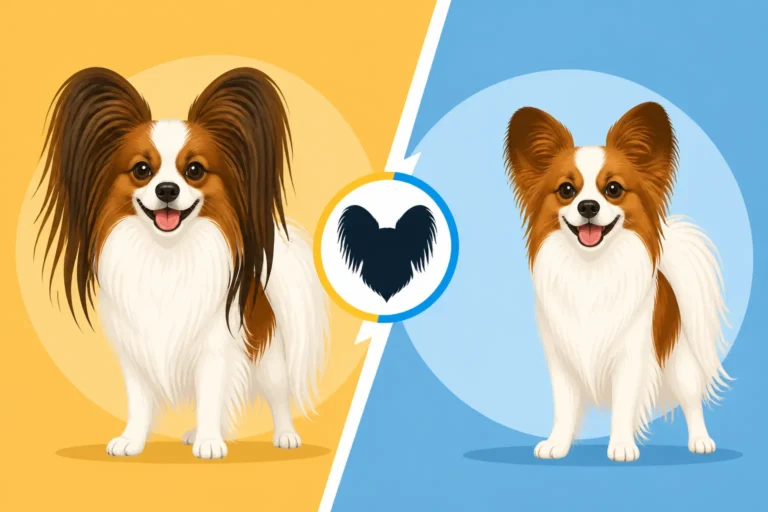
When people think of a Papillon, those magnificent, butterfly-like ears are usually the first thing that comes to mind, and rightly so! The long, flowing hair that cascades from their ears is what gives the breed its name ("Papillon" is French for butterfly). This "ear fringe" isn't just for show; it's a prominent feature that requires regular upkeep to stay soft, clean, and tangle-free. It can be incredibly delicate, easily catching on things or getting wet in their water bowl, leading to immediate tangles. Many owners also adore the luxurious tail, which is carried proudly over the back, fanning out like a squirrel's tail. This "plume," as it's called, is often even longer and denser than the ear fringe, completing the breed's exquisite silhouette. The Ear Fringe That Gives the Papillon Its Name is a fantastic read if you want to know more about this specific feature.
The ear fringe, in particular, is a magnet for all sorts of mischief. A Papillon’s inquisitive nature means those beautiful ears often dip into food bowls, brush against dusty floors, or get tangled during playful romps with other dogs. Owners frequently express frustration when they find a knot forming seemingly out of nowhere, especially after a particularly energetic walk in the park. The plume, while generally less prone to food-related issues, can still pick up burrs, leaves, or simply tangle from repeated rubbing against furniture or their own body movements while sleeping. Both of these areas are crucial for the Papillon's signature look, and keeping them immaculate requires consistent, gentle care. It’s a labor of love, but the results are undeniably worth it when your Papillon’s ears are framing their sweet face perfectly and their tail waves like a banner.
The Elegant Culottes and Chest Frill
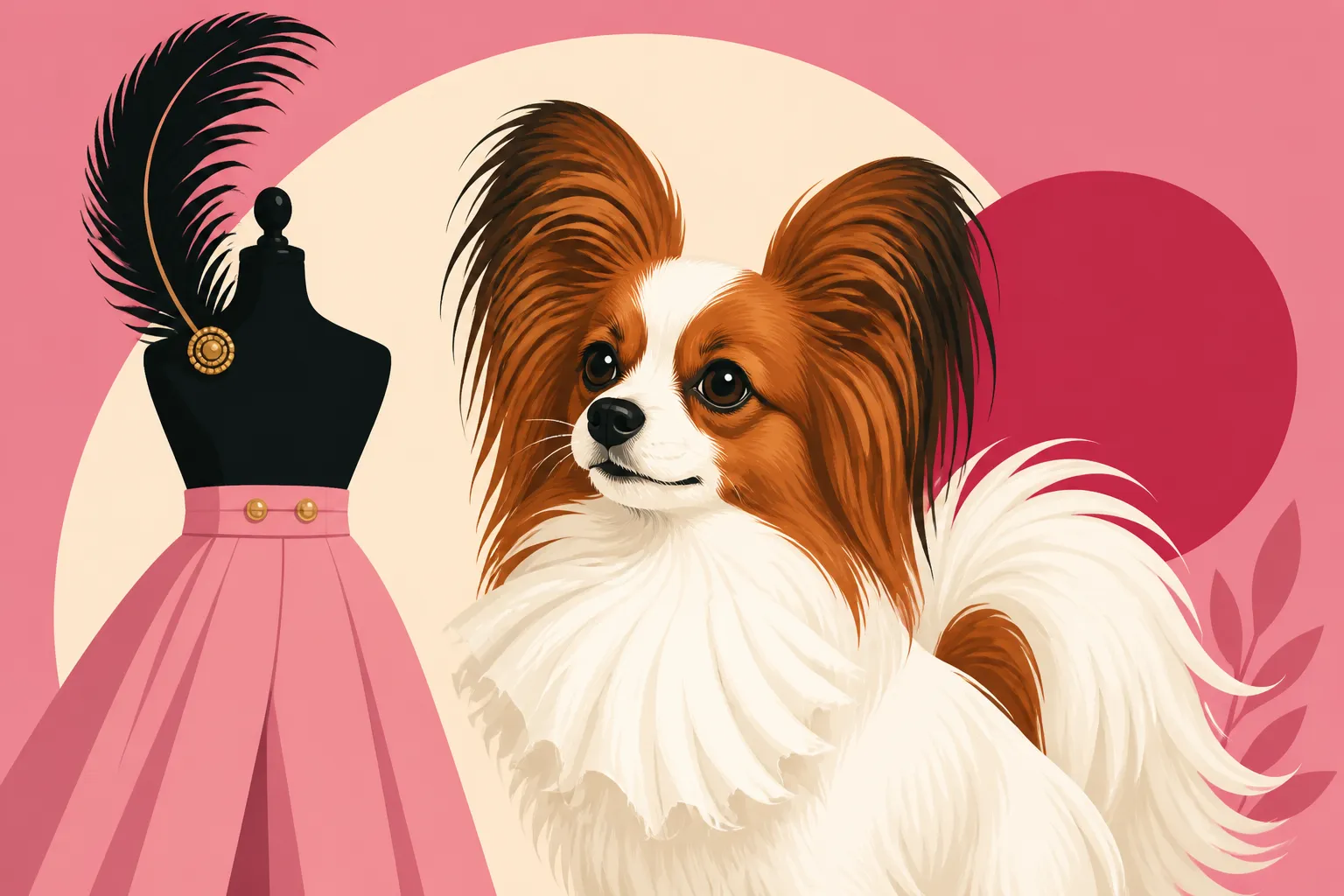
Beyond the ears and tail, a Papillon boasts other equally impressive areas of longer hair: the culottes and the chest frill. The "culottes" refer to the long, flowing hair on the back of their hind legs, creating a beautiful feathery pant-like effect. This adds to their elegant gait and gives them a very refined appearance as they prance. Meanwhile, the "chest frill" or "jabot" is the abundant hair that adorns their chest, extending down between their front legs. This creates a striking frame for their head and provides an extra layer of warmth, though its primary function today is purely aesthetic. Together, these features contribute significantly to the overall impression of grace and luxury that Papillons exude.
These areas, much like the ear fringe and plume, are prone to their own set of challenges. The culottes, being on the legs, are constantly in motion and can easily pick up debris or become muddy during outdoor adventures. Owners often find these areas collect more fine dust and dirt than other parts of the coat. The chest frill, while perhaps less likely to get matted than the ears, can still tangle easily, especially if your Papillon loves to burrow into blankets or rub against upholstery. Keeping these sections clean and free of knots is vital not only for aesthetics but also for your dog’s comfort. A matted culotte can restrict movement, and a tangled chest frill can pull on their sensitive skin. It’s a careful balance of allowing them to be active, spirited dogs while still maintaining their magnificent coats.
Essential Daily Grooming for a Papillon's Feathering
Maintaining those gorgeous fringes, culottes, and the plume isn't a once-a-week affair; it truly benefits from daily attention. Many new Papillon owners are surprised by this, thinking a long-haired dog means a huge time commitment for grooming. However, because A Papillon's Coat Is All Fringe and No Undercoat, the daily routine is often quicker and more manageable than with breeds sporting dense double coats. The key is consistency and gentle handling. Establishing a short, positive grooming routine early on can make a world of difference, turning what could be a chore into a pleasant moment of connection between you and your dog.
Gentle Brushing Techniques for Long Hair
Daily brushing is the cornerstone of keeping your Papillon’s long hair pristine. For the delicate areas like the ear fringe, plume, culottes, and chest frill, it's crucial to use the right tools and techniques. A good quality pin brush, often available from retailers like Amazon or Chewy, with rounded tips, is your best friend. Followed by a fine-toothed metal comb for checking your work, these tools will help you gently work through any budding tangles without pulling or causing discomfort. Always brush with the grain of the hair, starting at the tips and working your way up to the skin, rather than digging straight into the roots. This prevents breakage and teaches your Papillon that grooming is a positive experience. Many Papillons actually enjoy this quiet time, leaning into the brush strokes.
When tackling the ear fringe, hold the leather of the ear gently to provide stability and prevent pulling on sensitive skin. For the plume, support the base of the tail with one hand as you brush outwards and downwards. The culottes and chest frill can be brushed in layers, lifting sections of hair to ensure you reach all the way to the skin. This layered approach is vital because mats often form closer to the body, where they go unnoticed until they become substantial. Remember, a gentle hand and plenty of praise go a long way. If you encounter a knot, don't yank it; instead, use your fingers to carefully tease it apart or use a detangling spray to help loosen it, which we’ll discuss more in the next section. How Often a Papillon Needs Brushing is an excellent resource for setting up your routine.
Spot Cleaning and Maintenance Between Baths
While regular brushing is essential, some situations call for quick spot cleaning between full baths to keep those show-stopping fringes looking their best. Papillons, with their delicate digestive systems and love for exploring, can sometimes get messy around their hindquarters, which then inevitably transfers to their culottes. Similarly, a particularly enthusiastic eater might end up with food residue in their chest frill or ear fringes. Waiting for a full bath just isn't practical, nor is it always healthy for their skin and coat to be bathed too frequently.
For these minor mishaps, keep a small spray bottle with plain water or a very diluted dog-safe conditioner, and a soft cloth or pet wipes readily available. If your Papillon's culottes get muddy, let the mud dry completely, then brush it out. For anything wet or sticky, gently wipe the affected area with a damp cloth or a pet wipe. You might even want to apply a small amount of cornstarch or dog-specific dry shampoo to absorb oils or odors, brushing it out thoroughly afterward. This quick intervention prevents small messes from turning into stubborn stains or, worse, uncomfortable mats. It’s a common frustration among Papillon owners, realizing just how quickly those beautiful fringes can go from pristine to needing a quick clean-up after a mere five minutes of play. Being prepared for these moments will save you a lot of grief and keep your Papillon feeling fresh.
Tackling Mats and Tangles in Delicate Papillon Hair
No matter how diligent you are with daily brushing, mats and tangles can still pop up in a Papillon's long, flowing coat, especially in those magnificent feathered areas. It's an inevitable part of living with such a beautifully coated dog, and there’s no shame in admitting it can be a real headache! These aren't just cosmetic issues; mats can be incredibly painful, pulling on the skin, causing irritation, and even leading to skin infections if left unchecked. Knowing how to prevent them and, more importantly, how to safely remove them, is a crucial skill for any Papillon parent.
Identifying Problem Areas Before They Start
The best way to deal with mats is to prevent them from forming in the first place, and that means knowing where they are most likely to lurk. For Papillons, the usual suspects are behind the ears, under the elbows, in the 'armpits', where the legs meet the body, and, of course, within those luscious ear fringes, culottes, and the chest frill. These are areas of high friction or where hair tends to gather and rub, especially when your Papillon is active, sleeping, or wearing a harness. It's often where the hair is finest and most delicate, making it more prone to knotting. Many owners lament that they’ll brush their Papillon perfectly in the morning, only to find a tiny knot forming behind an ear by lunchtime.
During your daily grooming session, pay extra attention to these vulnerable spots. Run your fingers through the hair, feeling for any small knots or clumps. Even a tiny knot, if ignored, can quickly grow into a dense, painful mat. Think of it like a snowball rolling downhill – it just gets bigger and harder to stop. Regularly checking these areas allows you to catch tangles when they’re still small and manageable, before they become a nightmare that requires significant time and effort to resolve. Where a Papillon Mats delves deeper into these specific trouble zones, giving you an even better roadmap for prevention.
Safe Detangling Methods and Tools
Once you find a tangle, resist the urge to pull or yank! This will only hurt your Papillon, make them resistant to future grooming, and potentially break the delicate hair, making the mat worse. The goal is gentle, patient removal. Start by applying a good quality detangling spray, either one specifically for dogs or even a human leave-in conditioner diluted with water (check ingredients for dog-safe options, or consult your vet). Let it sit for a minute or two to soften the hair. Brands like Chewy often carry a wide range of detangling sprays designed for long-coated breeds.
Next, using your fingers, carefully try to tease the mat apart, starting from the outermost edges and working inwards. Once you've loosened it a bit, switch to a wide-toothed comb or a specialized mat rake. Hold the hair between the mat and your Papillon’s skin to prevent pulling on their skin, and gently comb through the tangle in small sections, always working from the ends towards the roots. If the mat is very tight, you might need to use a blunt-nosed scissor to carefully cut into the mat (not across it) to break it up, or a seam ripper can be surprisingly effective. Always point the scissors away from the skin. It’s a painstaking process, but patience is absolutely key.
When to Consider a Professional Groomer
There are times when even the most dedicated owner encounters a mat that simply won't budge, or perhaps several mats that are too extensive to tackle safely at home. This is where a professional groomer becomes an invaluable ally. Don't feel guilty about seeking help; groomers have specialized tools, techniques, and experience dealing with even the most stubborn matting. They can assess the severity of the situation and determine the best course of action, which might involve a very short trim or even shaving down the affected area.
A professional groomer can also provide insights into your Papillon's coat type, recommend specific products, and demonstrate proper techniques that might be challenging to master on your own. For a particularly matted Papillon, sometimes shaving is the kindest option to relieve discomfort and allow the coat to regrow healthy and mat-free. While it might be heartbreaking to see those beautiful fringes go, your Papillon’s comfort and well-being should always come first. They can also trim areas like the hair between the pads of their feet, which is important for traction and preventing mats, as discussed in Whether a Papillon's Feet Need Trimming. Building a good relationship with a reputable groomer can be a huge asset in keeping your Papillon’s coat in top condition throughout its life.
Bathing Your Papillon: Protecting the Plume and Frills
Bathing a Papillon can feel like a delicate operation, especially with all that beautiful long hair. The goal is to get them clean without stripping their natural oils, causing tangles, or making the drying process an endless chore. For those exquisite areas like the plume and fringes, a thoughtful approach is essential to maintain their luster and prevent them from becoming a matted mess. It's less about drenching and scrubbing aggressively, and more about gentle soaking and careful rinsing.
Pre-Bath Prep and Choosing the Right Products
Before your Papillon even gets a paw wet, a thorough pre-bath prep is crucial, especially for those long, delicate areas. This is where you prevent the nightmare of mats tightening into impenetrable felt once they get wet. Take about ten to fifteen minutes to brush your Papillon from head to tail, paying particular attention to the ear fringes, chest frill, culottes, and plume. Use your pin brush and then follow up with a comb to ensure there are no hidden tangles. If you find any mats, gently work them out before the bath. Trying to comb out wet mats is an exercise in futility and pain for your dog.
When it comes to products, quality truly matters for a Papillon's fine coat. Look for a gentle, pH-balanced dog shampoo specifically formulated for long-haired breeds or sensitive skin. Many Papillon owners find success with shampoos that have a conditioning component to help prevent tangles. A good conditioner is also essential to seal the cuticle and add moisture, making the coat silkier and less prone to static and future matting. You can find a wide variety of these products, including those from Chewy or Amazon, making it easy to experiment and find what works best for your dog's specific coat needs. The right products, used correctly, will leave those fringes soft and flowing, not dry and brittle. Which Shampoo Suits a Papillon's Coat offers more guidance on selection.
Washing and Rinsing Long, Delicate Coats
Now for the bath itself! Use lukewarm water – never too hot or too cold – and gently wet your Papillon’s entire coat. A detachable shower sprayer or a pitcher can be helpful for this, allowing you to thoroughly soak the hair without blasting them with a strong stream. When applying shampoo, dilute it slightly with water in a separate cup first. This helps distribute it more evenly and makes rinsing easier. Work the shampoo gently through the coat, focusing on lifting dirt from the skin rather than scrubbing vigorously, which can create tangles. Pay extra attention to the culottes, which often pick up more grime, and gently massage the shampoo into the chest frill and ear fringes.
Rinsing is arguably the most critical step for a long-coated breed like the Papillon. Any shampoo residue left behind can irritate the skin and make the coat dull, sticky, and more prone to matting. Rinse, rinse, and then rinse again, until the water runs completely clear and you can feel no slickness in the coat. This might take longer than you expect, especially with the dense plume and ear fringes. After shampoo, apply a dog-specific conditioner, focusing on the ends of the hair and those long feathered areas. Let it sit for the recommended time (usually a few minutes), then rinse thoroughly once more. It might feel like an endless rinse cycle, but your Papillon’s soft, clean coat will thank you for it.
The Importance of Thorough Drying Techniques
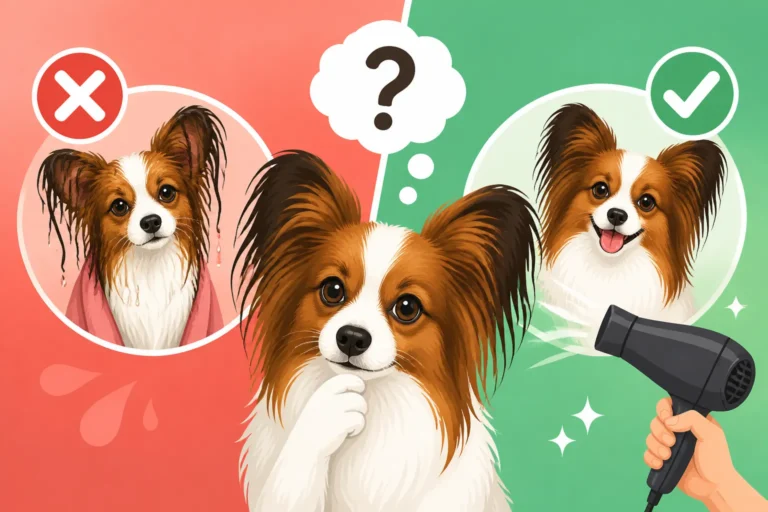
Once your Papillon is squeaky clean, the drying process is just as important as the washing to prevent mats and ensure those signature fringes dry beautifully. Start by gently squeezing excess water from the coat, then use a super-absorbent towel to blot, rather than rub, their fur. Rubbing vigorously will only create tangles and frizz. Once towel-dried, many Papillon owners find that using a cool-to-warm setting on a blow dryer designed for pets (or even a human hair dryer on a low, cool setting) is indispensable. Whether a Papillon Must Be Blow Dried explains why this is often necessary.
As you blow dry, use your pin brush to gently brush the hair in the direction of growth. This helps to straighten the coat, prevent tangles, and achieve that beautiful, flowing look. Pay close attention to the ear fringes, plume, culottes, and chest frill, ensuring they are completely dry right down to the skin. Hair that is left damp, especially in dense areas, can quickly become matted and can even lead to skin issues. It's a bit of an art form, this blow-drying and brushing technique, but with practice, you'll become a pro. The result is a fluffy, tangle-free, and magnificent Papillon, ready to show off their spectacular feathering.
Seasonal Care for Your Papillon's Flowing Coat
Just like our own hair reacts differently to various seasons, a Papillon’s coat, especially those long, glorious fringes, needs adapted care throughout the year. The humidity of summer, the dryness of winter, and the general changes in outdoor conditions can all impact how easily their coat mats, how quickly it gets dirty, and how comfortable your Papillon feels. Being prepared for these seasonal shifts will help you maintain their health and beauty no matter what the weather brings.
Protecting the Coat in Winter Weather
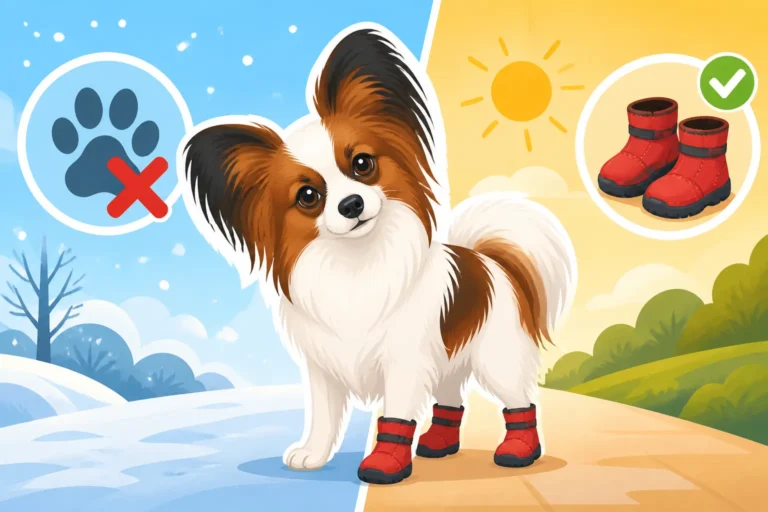
Winter weather, while perhaps making your Papillon look extra cute bundled up, brings its own set of coat care challenges. The dry, cold air can make their fine hair more prone to static electricity, which in turn can lead to increased tangles and matting. Furthermore, winter walks often mean encountering snow, ice, de-icing salts, and even mud from melting snow, all of which can cling to those beautiful culottes and the tail plume. It's a common frustration to come home from a quick potty break only to find your Papillon's lower fringes caked in icy slush!
To combat these issues, consider increasing your daily brushing frequency, perhaps adding a light leave-in conditioning spray to reduce static. Many Papillon owners find a simple spritz of water mixed with a tiny bit of dog-safe conditioner works wonders. For outdoor adventures, sweaters or coats can help protect the chest frill and parts of the culottes from snow and salt. After walks, a quick wipe-down of their lower legs, belly, and plume with a damp cloth is essential to remove any harmful salts or ice. This preventative action goes a long way in keeping their coat healthy and avoiding painful clumps of ice forming in their delicate hair. Whether a Papillon Feels the Cold also offers insights into keeping your little one cozy.
Keeping Your Papillon Comfortable in Summer
Summer, with its warmer temperatures and outdoor activities, presents a different challenge for a Papillon's long coat. While their single coat with no undercoat helps them regulate temperature better than some double-coated breeds, those long fringes can still feel heavy or get wet and dirty more easily. Humidity can also contribute to a greasy feeling coat or make it more prone to tangles for some Papillons. Plus, summer often means more adventures in grassy fields, which can lead to burrs and foxtails getting embedded in those beautiful culottes and plume.
During the warmer months, maintain a consistent brushing routine to ensure good air circulation through the coat and to prevent any debris from settling. After swimming or playing in sprinklers, make sure to thoroughly dry those long fringes, especially the ear fringes and culottes, to prevent skin irritation or matting. Consider using a lightweight, breathable grooming spray to help repel dirt and keep the coat feeling fresh. While you generally don't trim a Papillon's body coat, some owners choose to very slightly trim the hair on the feet or around the sanitary areas more frequently in summer for hygiene. The goal is always comfort and health, so ensure your Papillon has plenty of shade and water, and never leave them in a hot car.
Common Coat Challenges and Solutions
Even with the best intentions and the most diligent care, a Papillon's beautiful coat can sometimes present specific challenges. From mysterious stains to changes in texture, these issues can be frustrating for owners who want their Papillon looking their best. Understanding the root causes of these common problems and knowing how to address them can save you a lot of worry and keep your Papillon's coat in tip-top condition.
Dealing with Stains and Discoloration
One of the most common cosmetic frustrations for Papillon owners is dealing with stains and discoloration, especially on their white or lighter-colored fringes. Tear stains, saliva stains around the mouth and chest frill (especially if they chew on their legs or groom themselves excessively), and urine stains on the culottes or plume are frequent culprits. These stains not only detract from their pristine appearance but can also indicate an underlying issue, like allergies or dental problems if excessive drooling is present.
For tear stains around the eyes, gentle daily wiping with a soft, damp cloth is crucial. Some owners use specific tear stain removers, but always check with your vet first to rule out any medical conditions causing excessive tearing. For saliva stains on the chest frill or culottes, regular brushing and spot cleaning can help. If your Papillon licks or chews excessively, it might be worth investigating with your vet for allergies or pain. Urine stains on the culottes or plume are often a sign that the hair is too long in those areas, or that your Papillon needs a quick sanitary trim. You can also try a dog-safe whitening shampoo during baths, but remember, prevention through regular cleaning and addressing underlying causes is always the best solution.
Managing Thinning or Damaged Coat Areas
Sometimes, a Papillon's beautiful coat might start to look a little less luscious than usual, with areas of thinning, breakage, or damage. This can be alarming for owners who cherish their Papillon's signature look. Several factors can contribute to coat damage, including excessive matting and aggressive brushing, poor nutrition, skin conditions, hormonal imbalances, or even just natural aging. For instance, an older Papillon might experience a general thinning of their coat or a change in texture. What an Aging Papillon's Coat Looks Like provides more detail on age-related changes.
If you notice significant thinning, dullness, or breakage in your Papillon’s fringes, culottes, or plume, the first step is always a veterinary check-up to rule out any underlying health issues. Once medical causes are excluded, focus on gentle grooming techniques, using soft brushes and avoiding any harsh pulling. Ensure their diet is rich in omega fatty acids and other skin and coat-supporting nutrients (more on that below). A high-quality conditioner used during baths can help strengthen the hair, and leave-in conditioning sprays can protect it between baths. Sometimes, a temporary trim might be necessary to remove damaged hair and allow healthy new growth. Patience and consistent care are key to restoring their coat to its former glory.
Diet and Supplements for Optimal Coat Health
It's a truth universally acknowledged in the dog world: a healthy coat starts from the inside out. No amount of external grooming can fully compensate for a diet lacking in essential nutrients. For a Papillon's beautiful, flowing fringes, culottes, and plume, nutrition plays a crucial role in maintaining their strength, shine, and overall health. If you're struggling with a dull, dry, or brittle coat, your Papillon's diet should be one of the first things you examine.
Ensure your Papillon is on a high-quality dog food appropriate for their life stage, with a good balance of proteins, fats, and carbohydrates. Look for foods where meat is the first ingredient. Beyond the basics, many owners find that adding supplements can significantly boost coat health. Omega-3 and omega-6 fatty acids, often found in fish oil supplements, are particularly beneficial for skin and coat, promoting shine and reducing dryness. Some owners explore dog food brands or supplements, like those offered by Ollie, that focus on fresh, whole ingredients and specific nutrient profiles designed to support overall health, including a vibrant coat. Biotin and Vitamin E are also popular for promoting healthy hair growth and skin. Always consult your veterinarian before adding any new supplements to your Papillon’s diet, as they can advise on appropriate dosages and ensure there are no contraindications with any existing health conditions. A nourished body means a magnificent coat!
Choosing the Right Grooming Tools and Products
Having the right tools in your grooming arsenal makes all the difference when caring for a Papillon's delicate fringes, plume, and culottes. Trying to tackle long hair with the wrong brush or a harsh shampoo is a recipe for frustration and potential damage to their beautiful coat. Investing in quality implements designed for long-haired breeds will not only make your life easier but also ensure a more comfortable and effective grooming experience for your Papillon.
Brushes, Combs, and Detanglers for Papillons
For a Papillon's coat, you'll need a few specific items. First and foremost, a good quality pin brush is indispensable. Look for one with smooth, rounded pins that won't scratch your dog's skin. This is your primary tool for daily brushing, gently working through the long hair of the ears, chest frill, culottes, and plume. The pins help separate the strands without pulling, lifting loose hair, and distributing natural oils. You can easily find excellent pin brushes on platforms like Amazon or Chewy, often with ergonomic handles for your comfort.
Next, a metal comb with both wide and fine teeth is crucial. The wide-toothed end is great for gently working through larger sections or initial tangles, while the fine-toothed end is perfect for checking your work, especially in those dense areas like behind the ears or at the base of the plume. This comb ensures you've caught any hidden knots the brush might have missed. Lastly, for those inevitable tangles, a detangling spray (as mentioned before) is a must-have. These sprays lubricate the hair, making it easier to separate knots without breakage. Some owners also find a mat splitter or seam ripper helpful for very stubborn mats, but these should be used with extreme caution and never directly against the skin. Which Brush a Papillon Needs provides more specific recommendations.
Shampoos, Conditioners, and Finishing Sprays
The products you use during bath time and for touch-ups between baths are just as important as your brushes and combs. For shampoos, always opt for a high-quality, dog-specific formula. Look for mild, moisturizing shampoos designed for long coats or sensitive skin. Avoid human shampoos, as their pH levels are often too harsh for a dog's skin and can strip natural oils, leading to dryness and irritation. You want a shampoo that cleans thoroughly but gently, preserving the integrity of those delicate fringes.
A good conditioner is non-negotiable for a Papillon. It helps to hydrate the coat, make it smoother, reduce static, and significantly aid in detangling. After shampooing, apply a generous amount, focusing on the ends and the long feathered areas, allowing it to penetrate before rinsing thoroughly. For daily or weekly maintenance, a light leave-in conditioner spray or a grooming spray can be invaluable. These sprays can help to prevent static, add shine, and make brushing easier, especially in dry climates. They can also provide a protective barrier against dirt and minor tangles. Brands like Chewy often feature extensive selections of these specialized grooming products, allowing you to tailor your choices to your Papillon's unique coat needs.
| Grooming Tool/Product | Best Use | Benefits for Papillon Coat |
|---|---|---|
| Pin Brush | Daily brushing, detangling, general coat maintenance | Gently separates hair, prevents mats, distributes natural oils, minimizes breakage in fringes and plume. |
| Metal Comb | Checking for small tangles, fine-tuning, reaching to skin | Detects hidden knots, defines fringes, ensures thorough detangling in delicate areas like ear fringe and culottes. |
| Detangling Spray | Treating tangles, reducing static, easing brushing | Lubricates hair, softens knots for easier removal, protects coat from damage during brushing. |
| Moisturizing Shampoo | Bath time cleaning | Cleans effectively without stripping natural oils, prevents dryness, good for sensitive skin and long coats. |
| Dog Conditioner | After-shampoo treatment | Hydrates coat, reduces tangles, adds shine, improves manageability of fringes, culottes, and plume. |
| Grooming/Finishing Spray | Between-bath maintenance, finishing touch | Reduces static, adds shine, helps repel dirt, makes daily brushing easier, refreshes coat. |
Lifelong Coat Care: From Puppy to Senior Papillon
The journey of caring for your Papillon's magnificent coat is a lifelong one, evolving as they grow from a playful puppy to a dignified senior. Each stage brings its own unique considerations and requires a slightly different approach to ensure those signature fringes, culottes, and plume remain beautiful and comfortable. Establishing good habits early on is the key to a lifetime of stress-free grooming.
Establishing Good Grooming Habits Early
The sooner you introduce your Papillon puppy to grooming, the better. Puppies are naturally curious and often more accepting of new experiences, making it the ideal time to create positive associations with brushes, combs, and baths. Start with very short, gentle sessions, perhaps just a minute or two, brushing their little ear fringes, tiny culottes, and nascent plume. Use a soft puppy brush first, then gradually introduce the pin brush and metal comb. Keep it positive with lots of praise, gentle touches, and small, high-value treats.
Even before their full coat comes in, handling their paws, ears, and mouth frequently will make nail trims, ear cleaning, and teeth brushing (another critical part of Papillon care, especially with their small jaws) much easier down the line. Many Papillon puppies have somewhat sparse fringes, and you might think you don't need to brush them much, but that's precisely the time to get them accustomed to the sensation. By the time their gorgeous adult coat truly develops around their first birthday The Age a Papillon's Adult Coat Arrives, they'll already be seasoned pros at grooming, making the maintenance of their elaborate fringes and plume a breeze. This early foundation is invaluable for preventing future struggles and ensuring a lifetime of enjoyable grooming sessions.
Adapting Grooming for the Aging Papillon
As your Papillon gracefully enters their senior years, typically around age eleven or twelve The Age a Papillon Is Considered Senior, their grooming needs will subtly shift. Their coat, while still beautiful, might become thinner, coarser, or more delicate, making it more prone to tangles or breakage. Older dogs can also develop skin sensitivities, arthritis, or other health issues that make long grooming sessions uncomfortable. Your priority will be to adapt your routine to prioritize their comfort and health above all else. What an Aging Papillon's Coat Looks Like explores these changes in more detail.
You might need to shorten grooming sessions and increase their frequency, opting for several brief brush-outs rather than one long one. Use softer brushes, and be even more gentle when working through any knots, as their skin can be thinner and more fragile. If your senior Papillon has arthritis, standing for long periods might be painful, so consider grooming them while they're lying down or propped up comfortably on a soft bed. Pay close attention to any new lumps, bumps, or skin irritations, as seniors are more prone to these issues. Their diet might also change, and you might consider supplements to support coat health that are specifically tailored for aging dogs. Ultimately, caring for an aging Papillon’s coat is about showing them the same love and gentle attention they’ve given you throughout their lives, ensuring they remain comfortable and cherished, even if their magnificent fringes aren't quite as full as they once were.
Disclaimer
This article is for general informational purposes only and does not constitute professional advice. Laws, prices and regulations vary by location and change over time. Consult a qualified professional for guidance on your specific situation.