Who the Papillon Actually Suits
It's easy to look at a tiny Papillon, with those elegant butterfly ears and flowing fringe, and imagine a docile lap dog content to recline on a silk cushion all day. The truth, however, is wonderfully different and far more demanding than many first-time owners anticipate. If you've ever found yourself charmed by their delicate appearance but secretly wondered if you're truly the right match for such a spirited little dog, you're not alone. This guide aims to peel back the layers of misconception and give you a real, honest look at the kind of human who truly thrives with a Papillon by their side.
Understanding the Papillon Temperament
Many people assume that small dogs are automatically "easy" or low-energy, designed only for cuddling. But when it comes to the Papillon, that couldn't be further from the truth. These aren't just fluffy companions; they are dogs with big personalities packed into a petite frame, possessing a unique blend of intelligence, confidence, and a surprisingly robust constitution. Understanding this core temperament is the first step in determining if a Papillon is the right fit for your life.
The Big Dog in a Small Package
One of the most defining characteristics of a Papillon is their sheer audacity and self-assuredness. They truly believe they are as mighty as any German Shepherd, and they often act like it. This isn't a breed that cowers or is constantly fearful of the world around them, provided they've been properly socialized. They will confidently approach new situations, new people, and often, much larger dogs, with an endearing, sometimes alarming, fearlessness. This can be a huge advantage, making them wonderful companions for adventures, but it also means an owner needs to be vigilant and protective, always remembering their actual size. They will take on the world, but it's up to us to ensure they don't get hurt in the process. You might find yourself constantly reminding them, "You're five pounds, not fifty!"
This bold spirit also manifests in their play. They aren't dainty. They love to wrestle, chase, and engage in boisterous games, often challenging dogs many times their size. This isn't aggression; it's pure, unadulterated "dogness." They'll push boundaries and test limits, not out of malice, but out of an inherent confidence that says, "I can do anything!" For an owner, this means embracing their feisty side while providing appropriate outlets and ensuring their safety. You need to be ready for a dog that won't just sit on your lap but will actively participate in life with gusto. A Papillon Has No Idea It Is Small is a sentiment most Papillon owners can attest to.
Their Intelligent and Eager-to-Please Nature
If you're looking for a dog that will challenge your intellect and learn at an astonishing pace, look no further. Papillons are consistently ranked among the most intelligent dog breeds, often placing exceptionally high in obedience intelligence. They pick up new commands with remarkable speed, sometimes after only a handful of repetitions. This makes them incredibly fun to train, but it also means they need mental stimulation to prevent boredom. A bored Papillon is a creative Papillon, and their creativity might manifest in ways you don't appreciate, like finding new ways to open cabinets or rearranging your shoe collection.
This intelligence is coupled with a strong desire to please their people. They genuinely enjoy working with you and delight in showing off their newfound skills. This eager-to-please attitude is a huge asset for training, making them excel in dog sports and trick training. They thrive on positive reinforcement and will soak up every bit of praise and every treat you offer. If you're someone who enjoys the process of teaching and sees training as an ongoing partnership rather than a chore, you will absolutely adore a Papillon. They make you feel like a dog training wizard, even if you're a beginner! The Papillon Is the Smartest Toy Breed There Is, and they love to prove it.
The Social Butterfly Aspect
Papillons are, by and large, incredibly affectionate and people-oriented dogs. They bond deeply with their families and often form particularly strong attachments to one or two primary caregivers. They love to be involved in whatever you're doing, whether it's watching TV, working in the garden, or simply moving from one room to another. Don't expect a Papillon to be content as an "outdoor dog" or relegated to a distant corner of the house; they want to be your shadow, your confidant, and your constant companion. If you cherish quiet solitude and prefer your pets to be independent, a Papillon might feel a bit too clingy for your taste.
Their social nature extends beyond their immediate family. With proper socialization from a young age, they are generally outgoing and friendly towards strangers and other animals. They love to make new friends, often approaching visitors with wagging tails and enthusiastic greetings. However, this also means they can be prone to "stranger danger" barking if not taught otherwise, as their confident nature makes them excellent, if loud, alarm systems. A Papillon needs to feel like an integral part of your daily life, receiving plenty of attention, cuddles, and interactive play. If you're willing to share your couch, your bed, and your heart, a Papillon will return that affection tenfold.
Papillons and Their Activity Needs
The image of a dainty dog perched on a velvet cushion might be what first comes to mind for many when they think of a toy breed. However, anyone who has actually lived with a Papillon will quickly tell you that this breed is anything but a mere ornament. They possess a surprisingly robust energy level and an innate desire for activity that often catches prospective owners off guard. If you’re looking for a dog that will be perfectly content with only a quick potty break, a Papillon is likely to leave you feeling overwhelmed by their need for engagement.
More Than Just a Couch Potato
While a Papillon certainly enjoys a good cuddle session on the sofa, they are far from content being a sedentary companion all day, every day. These little dogs are brimming with energy and an eager curiosity about the world around them. They need regular exercise, not just for physical health, but for their mental well-being too. A couple of brisk walks a day, even if you live in an apartment, are usually the minimum requirement. They love exploring new smells, investigating rustling leaves, and chasing after squirrels (though their prey drive is generally manageable). Without sufficient physical activity, they can become restless, vocal, and even destructive, finding their own ways to release that pent-up energy, which usually isn't what you had in mind for your throw pillows.
Beyond physical exercise, Papillons thrive on mental stimulation. Their keen intelligence means they get bored easily if not challenged. Interactive toys, puzzle feeders, short training sessions, and even simply exploring a new environment on a leash can all help keep their minds engaged. Think of them as tiny sponges, constantly soaking up information and looking for new things to learn or experience. If you’re someone who enjoys engaging with your dog beyond just walks, offering them new challenges and enrichment, a Papillon will truly flourish. They're definitely not the type to just lie around and wait for something to happen; they want to be part of the action.
Agility Stars and Canine Athletes
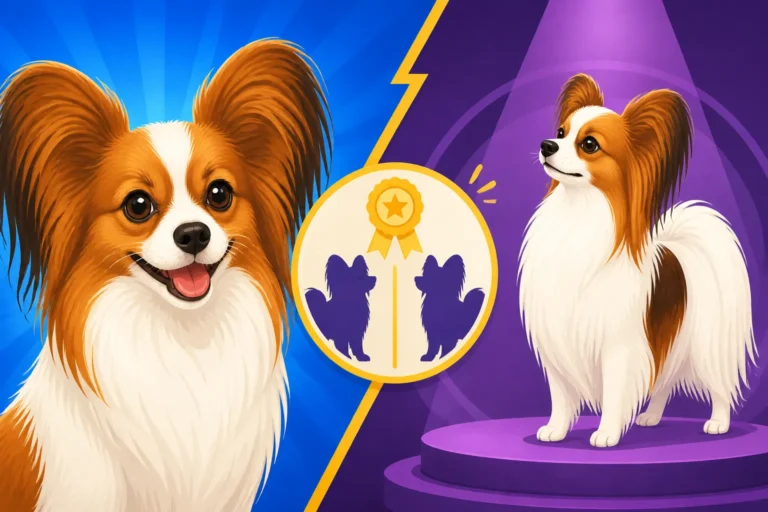
Perhaps the biggest surprise for those unfamiliar with the breed is the Papillon's prowess in dog sports, particularly agility. Despite their small stature, they are incredibly athletic, nimble, and fast, often outpacing much larger breeds on the agility course. Their intelligence and eagerness to please make them highly trainable, allowing them to master complex sequences of jumps, tunnels, and weave poles with impressive precision and speed. If you have even a passing interest in dog sports, a Papillon could be your perfect partner. Starting a Papillon in Agility is a common path for many owners, and they excel at it.
However, participating in dog sports isn't just about winning ribbons; it's a fantastic way to fulfill their innate need for physical and mental challenge. The regular training, the problem-solving on the course, and the bond forged between handler and dog are incredibly rewarding for both. Even if you don't plan to compete at a national level, dabbling in a local agility class or even teaching them complex tricks at home can provide the outlet they need. This breed truly shines when given a "job" to do, and for many Papillons, that job is being a tiny, four-legged athlete. They absolutely love it.
Balancing Play and Rest
While it's clear Papillons aren't lazy, it's also important to understand that they aren't energizer bunnies running non-stop. Like all dogs, they need plenty of rest and downtime. A well-exercised and mentally stimulated Papillon will be a calm and contented companion in the house, happy to nap at your feet or cuddle up beside you. The key is balance. They need their bursts of activity, followed by opportunities to recharge. This means an owner needs to be able to read their dog's signals, offering play when they're restless and a comfortable, quiet space when they need to unwind.
For busy individuals, this might mean scheduling dedicated play sessions and walks, rather than expecting them to entertain themselves. They thrive on routine and knowing when to expect their next adventure. A comfortable dog bed or crate, perhaps even a cozy spot on a pet-friendly blanket on the couch (many available on Chewy, by the way, for ultimate comfort!), can become their sanctuary. The goal is to meet their needs for activity so that their "off" switch works reliably indoors. A tired Papillon is a happy Papillon, and a happy Papillon is a joy to live with.
Living Arrangements for a Papillon
When considering any dog breed, the physical environment you can provide is a critical factor. For a Papillon, their small size might lead one to believe they can thrive in almost any setting. While adaptable, there are specific considerations regarding their living arrangements that can significantly impact their well-being and safety. It's not just about the square footage; it's about creating a secure and stimulating home that caters to their unique needs.
Apartment Living with a Papillon
The good news is that Papillons are often excellent candidates for apartment living. Their small size means they don't require vast amounts of indoor space to stretch their legs, and their primary desire is to be close to their human companions, regardless of the dwelling size. Many apartment dwellers find that two good walks a day, combined with indoor playtime and mental games, are perfectly sufficient to keep a Papillon happy and well-adjusted. Their minimal shedding also makes them a relatively tidy choice for smaller spaces.
However, apartment living comes with its own set of challenges, particularly regarding noise and potential interactions. Papillons can be quite vocal, using their barks to alert you to everything from a leaf blowing past the window to the mail carrier's distant footsteps. The Papillon That Barks at Everything is a common, though manageable, trait. This means apartment owners must be diligent in teaching a "quiet" command from an early age to avoid disturbing neighbors. Additionally, shared hallways and common areas mean more unexpected encounters with other dogs or people, requiring consistent leash training and socialization to ensure your Papillon remains well-mannered and confident in these situations.
The Fenced Yard Debate
Many prospective dog owners believe a fenced yard is a non-negotiable requirement. For a Papillon, while a securely fenced yard can be a wonderful bonus, it's not strictly essential if their exercise and mental stimulation needs are met through walks and indoor play. In fact, for a dog as small and quick as a Papillon, an unfenced yard, or one with inadequate fencing, poses significant risks. They are agile and quick, and can easily slip through small gaps or dig under fences if motivated by a squirrel or an interesting scent. Their confidence, while endearing, also means they might not hesitate to explore beyond the safety of your property.
If you do have a fenced yard, it needs to be genuinely secure. Think about small gaps, gates that latch firmly, and even the height of the fence itself. A Papillon can clear surprisingly high obstacles if determined. Furthermore, a yard, no matter how large, is not a substitute for engaging with your dog. Simply letting a Papillon out into a yard to amuse themselves isn't enough; they still need human interaction, walks, and purposeful play. A yard can be a great place for supervised zoomies, training sessions, or sunbathing, but it should complement, not replace, your active involvement in their daily life.
Protecting Them from the World
This is perhaps the most critical aspect of Papillon living arrangements. Due to their small size, Papillons are inherently more vulnerable to accidental injury, both indoors and out. A clumsy step by a human, a fall from furniture, or an unintended encounter with a much larger, boisterous dog can result in serious harm. This isn't about coddling them, but about responsible guardianship. An owner must be constantly aware of their Papillon's surroundings and take proactive steps to ensure their safety.
This might mean investing in pet ramps or steps for furniture to protect their delicate joints from repeated jumping. It involves supervising all interactions with children and larger dogs, even if both parties are generally good-natured, as accidents can happen in an instant. It also means Papillons should always be on a leash or in a secure carrier when outside a fenced area, as their curiosity and speed can lead them into dangerous situations, like darting into traffic. Creating a "Papillon-safe" home means thinking about potential hazards from their perspective and taking steps to mitigate them. This diligent awareness is a crucial trait for any potential Papillon owner. Many excellent pet gates and playpens are available on Chewy to help create safe zones.
Papillons in a Family Dynamic
Bringing any dog into a family requires careful consideration, and for a Papillon, their specific traits mean they're not a "one-size-fits-all" solution. Their intelligent, confident, and sometimes feisty nature means they integrate best with certain family structures and dynamics. Understanding how they typically interact with children and other pets is crucial for ensuring a harmonious household for everyone involved.
Papillons and Older Children
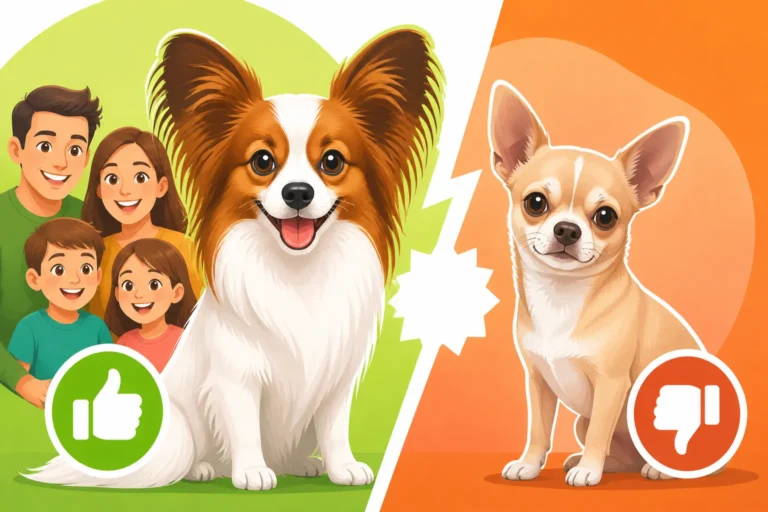
While some small breeds are often recommended for families with young children, the Papillon typically thrives better in homes with older, more considerate children, or adults. This isn't because they are inherently aggressive or dislike children, but rather due to their delicate bone structure and small size. A Papillon can be easily injured by accidental rough play, a sudden drop, or even an overly enthusiastic hug from a toddler who doesn't yet understand their own strength. Even well-meaning young children can cause harm without intending to.
Papillons appreciate interaction, but they prefer gentle, respectful engagement. They love to play games, learn tricks, and participate in family activities, which makes them wonderful companions for school-aged children and teenagers who can be taught how to interact appropriately. Children should be educated on how to handle a small dog, recognizing signs of stress, and understanding that the Papillon needs its space and quiet time. For families with older children who are keen to get involved in training or dog sports, a Papillon can be an absolutely brilliant, intelligent, and highly rewarding companion, forming strong bonds and enriching family life immensely. A Papillon With Children and Larger Dogs highlights the need for careful introductions and management.
Integrating with Other Dogs and Cats
When it comes to other pets, Papillons generally adapt well, often viewing larger dogs as simply bigger, clumsier versions of themselves. Their inherent confidence means they're usually not intimidated by other canines, and can often be found initiating play with much larger breeds. However, this confidence also means they won't back down from a challenge, which can sometimes lead to dangerous situations if the larger dog is not well-socialized or has a high prey drive. Proper introductions and supervision are key, especially in the early stages, to ensure all interactions are positive and safe.
With cats, Papillons can often coexist peacefully, and sometimes even form close friendships, particularly if introduced as puppies. Their moderate prey drive usually means they're more interested in playful chasing than actual hunting, but individual personalities will vary. Again, supervision is paramount to ensure that any chasing remains playful and doesn't escalate into stress for the cat or potential injury for the Papillon. Ultimately, the success of integrating a Papillon into a multi-pet household largely depends on the temperament of all animals involved and the owner's commitment to careful management and fostering positive relationships.
The Importance of Supervision
Regardless of whether you have children or other pets, constant supervision is a non-negotiable aspect of Papillon ownership. Their small size makes them vulnerable, and their confident, adventurous spirit can sometimes lead them into precarious situations. This isn't about being overprotective to the point of stifling their personality, but rather about being a vigilant guardian. Leaving a Papillon unsupervised with a rambunctious large dog, a boisterous toddler, or even in a busy environment with lots of foot traffic, could lead to accidental injury.
Supervision extends to preventing falls from furniture, ensuring safe play, and monitoring interactions with any new individuals or animals. It means teaching everyone in the household, including guests, how to properly interact with a small dog. For instance, always sitting on the floor to interact with them, or instructing guests not to pick them up without permission. This level of active involvement ensures that your Papillon feels secure and loved, allowing their delightful personality to shine without undue risk.
Owner Personality and Lifestyle
It's one thing to adore a breed's looks and reputation, but quite another to truly mesh with their day-to-day needs and personality. The Papillon, with its blend of intelligence, energy, and affectionate nature, isn't just looking for any owner; it's looking for the right owner. Their specific traits call for a particular kind of human – one who is ready to engage, train, protect, and truly embrace the vibrant spirit of this tiny powerhouse.
Active and Engaged Owners
Forget the stereotype of the static lapdog; a Papillon craves engagement and activity. They thrive with owners who have an active lifestyle and genuinely enjoy including their dog in daily adventures. This doesn't necessarily mean you need to be a marathon runner, but you should be prepared for daily walks, playtime, and perhaps even exploring dog sports like agility or obedience. They are not content to be left alone for long periods with nothing to do. What a Papillon Does All Day should ideally involve a mix of mental and physical stimulation provided by their human.
An ideal Papillon owner is someone who views their dog as a companion to be actively engaged with, rather than a decorative accessory. They want to go where you go (within reason and safety, of course!), participate in family activities, and be involved in your life. If your idea of a perfect evening is a quiet night in, your Papillon will happily curl up with you after they've had their physical and mental needs met. The energy you put into their lives will be reflected tenfold in their joyful companionship.
Patience and Consistency in Training
Given their high intelligence, Papillons are remarkably quick learners, but this doesn't mean training is effortless. In fact, their cleverness can sometimes be a double-edged sword: they will learn what you teach them, but they'll also learn to outsmart you if you're not consistent. This breed requires an owner who is patient, consistent, and committed to ongoing training and socialization from puppyhood well into adulthood. They respond beautifully to positive reinforcement methods and will shut down if treated harshly. Teaching a Papillon Tricks Faster Than You Think of Them comes with the responsibility of being a good, consistent teacher.
House training, while certainly achievable, can sometimes take a bit longer for toy breeds due to their small bladders and the fact that accidents are easier to hide. An owner needs to be diligent with frequent potty breaks, praise, and a routine. Beyond basic obedience, many Papillon owners find great joy in teaching their dogs an array of tricks or pursuing dog sports, which feeds their innate desire to learn and please. If you enjoy the process of teaching and building a strong working relationship with your dog, a Papillon will make you feel like a canine genius.
Embracing Their Vocal Nature
One aspect of the Papillon personality that often surprises new owners is their tendency to be vocal. These little dogs are natural alert systems, quick to bark at anything they perceive as unusual – the doorbell, a strange noise, someone walking past the window, or even just expressing their excitement. While this makes them excellent little watchdogs, it also means an owner must be prepared to manage their barking through consistent training. This is especially important for those living in apartments or close quarters.
An ideal owner understands that barking is a natural dog behavior, and instead of trying to silence it entirely, they focus on teaching appropriate barking and a "quiet" cue. This requires patience and understanding, recognizing why your Papillon is barking and addressing the underlying cause if possible (e.g., boredom, excitement, territoriality). If you are someone who is easily bothered by dog barking, or lives in an environment where noise is a significant issue, you need to be realistic about the commitment required to manage this trait effectively. An owner who embraces their "sassy" communication while gently guiding them will find a deeply communicative and expressive companion.
Grooming and Health Considerations
Before bringing any dog into your home, it's vital to have a realistic understanding of the ongoing care requirements for their coat and their breed-specific health predispositions. For the Papillon, their elegant, flowing coat and generally robust health come with their own set of considerations that a prospective owner must be willing and able to commit to throughout the dog's long life. This isn't just about aesthetics; it's about comfort, hygiene, and proactive wellness.
Managing Their Beautiful Coat
The Papillon's coat is undeniably one of its most striking features: long, silky, and flowing, with characteristic feathering on the ears, chest, tail, and legs. Many people look at it and assume it requires hours of daily grooming, but surprisingly, this isn't always the case. Papillons have a single coat, meaning they lack the dense undercoat that many other long-haired breeds possess. This makes them relatively easy to manage compared to, say, a Collie or a Pomeranian, and they shed moderately. Why a Papillon's Long Coat Takes Twenty Minutes a Week is often all it takes for routine care.
However, "easy" doesn't mean "no maintenance." Their long hair can still mat, especially behind the ears, in the armpits, and on their culottes (the feathering on their hindquarters) if neglected. A dedicated owner will commit to regular brushing, typically a few times a week, using a good quality pin brush and comb to gently work through any tangles. Regular bathing, perhaps once a month or as needed, with a good quality dog shampoo and conditioner, will keep their coat clean and healthy. While professional grooming isn't usually necessary for a Papillon unless you prefer it, owners must be prepared to handle basic grooming tasks at home to keep their dog comfortable and looking their best.
Proactive Health Management
Papillons are generally a healthy and long-lived breed, often gracing us with their presence for 14-16 years or even longer. However, like all breeds, they do have certain predispositions that a responsible owner should be aware of and proactively manage. One of the most common orthopedic concerns is patellar luxation, where the kneecap slips out of place. Patellar Luxation Is the Papillon Problem You Will Actually Meet is a realistic assessment. This can range from mild, asymptomatic cases to severe forms requiring surgical correction. A good Papillon owner will work with their vet to monitor for any signs of lameness or discomfort and be prepared for potential medical intervention.
Another significant health consideration is dental disease. Papillons have small mouths, which can lead to crowded teeth and an increased propensity for plaque and tartar buildup. Without regular home care and professional cleanings, dental disease can lead to pain, infections, and tooth loss. An owner must commit to daily or near-daily tooth brushing from puppyhood to prevent these issues. Additionally, as a toy breed, they can be more susceptible to hypoglycemia (low blood sugar) as puppies and require careful feeding schedules. An owner ready to be proactive with veterinary care, regular dental hygiene, and mindful of their breed's sensitivities is best suited for a Papillon.
The Long-Term Commitment
Bringing a Papillon into your life is a significant long-term commitment, often spanning well over a decade. This means an owner must be prepared for the financial and emotional responsibilities that come with caring for a senior dog. As Papillons age, they may develop common geriatric conditions such as arthritis, vision or hearing loss, or heart murmurs. These conditions often require ongoing veterinary care, medication, and adaptations to their living environment, such as providing comfortable, supportive beds and ensuring easy access to furniture with ramps or steps.
The ideal Papillon owner understands that their commitment extends through all stages of the dog's life. They are prepared to adjust their care routine as their dog ages, providing comfort, patience, and continued companionship. This might mean more frequent vet visits, administering medications, or simply being more attentive to their changing needs. The joy and companionship a Papillon brings throughout their long life are immense, but it demands an owner who is steadfast and dedicated to providing quality care until the very end.
The Time Commitment of Papillon Ownership
While a Papillon's small size might suggest a low time commitment, this is another common misconception that can lead to frustration for both dog and owner. These are not "set it and forget it" dogs. Their intelligence, energetic spirit, and profound desire for companionship mean they require a significant investment of your time, attention, and presence every single day. If your schedule is already packed to the brim, or you frequently spend long hours away from home, a Papillon might not be the happiest addition to your life.
Daily Interaction and Companionship
One of the most appealing, yet demanding, aspects of Papillon ownership is their intense need for daily interaction and companionship. They are truly people-oriented dogs who thrive on being part of your daily routine. This means they want to be with you, whether you're working, relaxing, or moving from room to room. They will often follow you, lie at your feet, or gently nudge you for attention. This isn't just a preference; it's a fundamental need for their emotional well-being. A Papillon left alone for extended periods without meaningful interaction can become lonely, anxious, and even destructive.
Owners who work from home, are retired, or have flexible schedules often find the Papillon to be an ideal companion, as they can readily integrate their dog into their day. If you work long hours outside the home, you'll need to seriously consider how you'll provide sufficient companionship. This could involve hiring a dog walker, utilizing doggy daycare, or ensuring a family member is regularly present. But even then, there's no substitute for your direct engagement. They are truly "velcro dogs" in the best possible way, but that bond demands your presence. What a Papillon Needs Every Day is primarily you.
Training and Socialization Dedication
As discussed, Papillons are highly intelligent and eager to learn, but this intellectual capacity requires an ongoing commitment to training and mental enrichment. It's not enough to complete puppy classes and then consider them "done." To prevent boredom and maintain their manners, short, consistent training sessions should be a regular part of their lives. These sessions not only reinforce commands but also provide crucial mental stimulation that satisfies their clever minds. They genuinely enjoy learning new tricks and mastering new skills, and they thrive on the positive feedback.
Beyond formal training, continuous socialization is also key. While generally outgoing, Papillons benefit from ongoing positive exposure to new people, places, and other friendly dogs throughout their lives. This helps maintain their confidence and prevents them from becoming fearful or reactive. Dedicating time to take them to dog-friendly parks (carefully selected for appropriate playmates!), cafes, or simply for walks in varied environments helps shape them into well-adjusted, confident companions. This dedication to lifelong learning and exposure truly builds a well-rounded and delightful Papillon.
Travel and Lifestyle Integration
For many Papillon owners, their dog becomes an integral part of their lifestyle, including travel. Their small size makes them relatively easy to travel with, often fitting comfortably in carriers that can be stowed under airplane seats or safely secured in a car. However, this also means that if you plan to bring your Papillon along on trips, you'll need to factor them into your travel plans, accommodations, and activities. They are not content to be left in a hotel room all day; they want to explore with you.
If you lead a more spontaneous life or frequently travel without the ability to bring a pet, you'll need reliable arrangements for their care, whether that's a trusted pet sitter who understands their needs or a high-quality boarding facility. The ideal Papillon owner is someone whose lifestyle can either accommodate their dog's constant companionship or who is prepared to invest in robust care solutions that keep their dog happy and engaged in their absence. Ultimately, a Papillon asks for a lot of your time and attention, but they repay it with an abundance of love, loyalty, and lively companionship that makes every moment worthwhile.
Who Is the Papillon For?
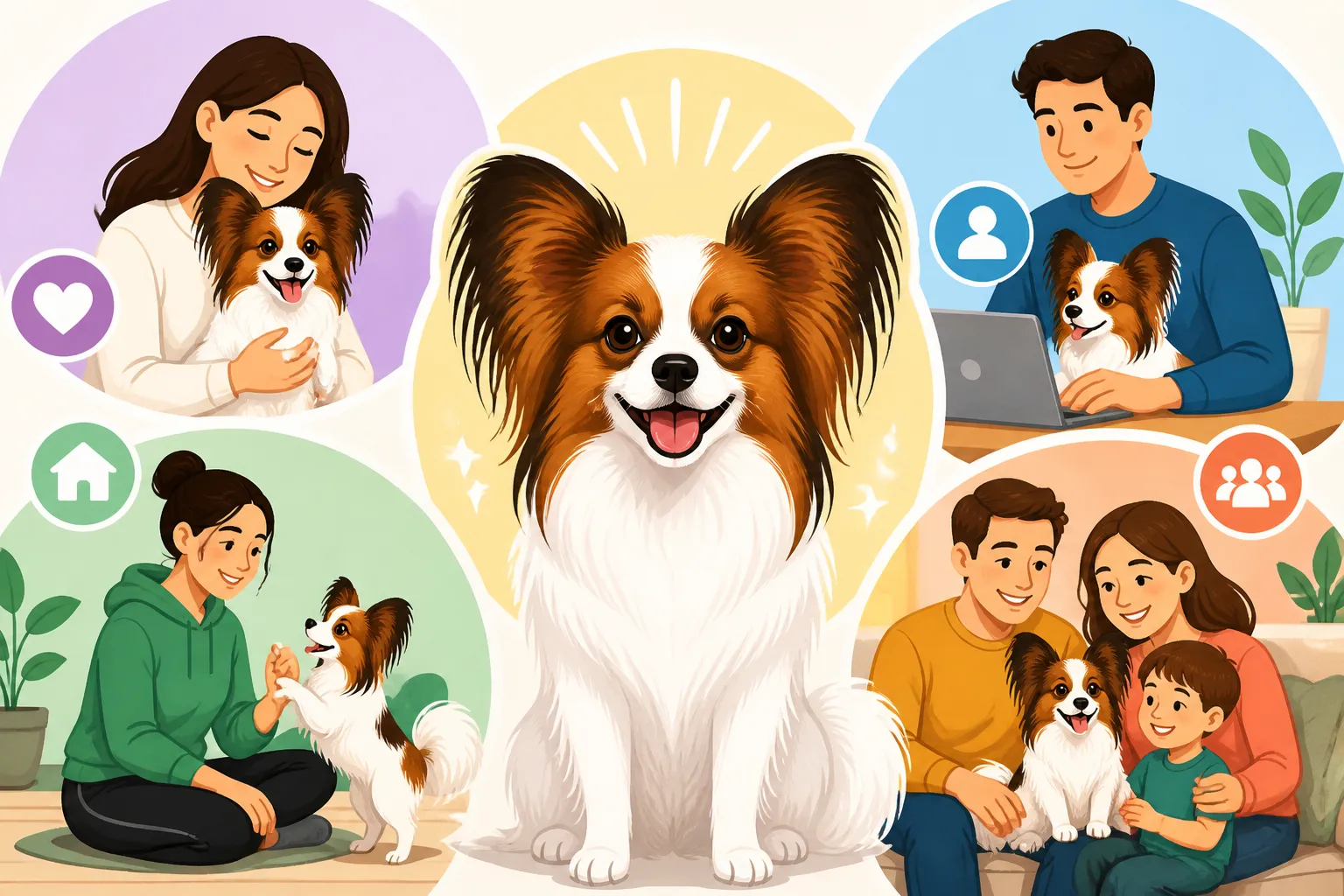
So, after diving deep into the Papillon's unique blend of personality, energy, and care needs, who actually thrives with one of these charming little dogs? It's clear they aren't for everyone, and that's perfectly okay. The ideal Papillon owner is someone looking for a spirited, intelligent, and deeply affectionate companion who will be an active participant in their life, not just a bystander.
| Trait / Need | Ideal Papillon Owner | Less Suited Owner |
|---|---|---|
| Energy Level | Enjoys daily walks, interactive play, and potentially dog sports. | Prefers a completely sedentary pet or expects the dog to entertain itself. |
| Intelligence | Loves teaching tricks, engaged in ongoing training, provides mental challenges. | Sees training as a one-time chore, prefers a less demanding intellect. |
| Companionship | Wants a "velcro" dog, has a flexible schedule or works from home, loves cuddles. | Spends long hours away, desires an independent pet, prefers solitude. |
| Vocal Nature | Willing to manage barking through training, appreciates their watchdog instincts. | Easily bothered by noise, has very close neighbors, expects silence. |
| Size Vulnerability | Diligent about safety, supervises interactions, uses ramps/steps. | Overlooks small dog fragility, allows rough play, prefers an "invincible" dog. |
| Grooming | Enjoys regular brushing, willing to do dental care, understands coat maintenance. | Dislikes grooming, wants a no-maintenance coat, avoids dental care. |
| Children | Has older, respectful children, or an adult-only household. | Has very young, boisterous children. |
| Other Pets | Patient with introductions, supervises play, understands multi-pet dynamics. | Expects instant harmony, has very high-prey-drive large dogs, or reactive pets. |
| Lifespan | Committed to long-term care, including senior dog needs and potential health costs. | Not prepared for 14+ years of responsibility, dislikes vet visits. |
The Active Companion Seeker
If you're someone who loves to be out and about, whether it's hiking on gentle trails, strolling through town, or engaging in competitive dog sports, the Papillon can be your perfect partner. They thrive on activity and mental stimulation, making them ideal for individuals or families who are active and enjoy including their dog in their adventures. They'll enthusiastically tackle an agility course or learn a new trick with boundless joy. Why a Papillon Beats Bigger Dogs at Its Own Size isn't just hyperbole; it's a testament to their spirit.
The Dedicated Trainer
For those who find joy in the process of training and building a strong, communicative bond with their dog, a Papillon is a dream come true. Their intelligence means they learn quickly, and their eagerness to please makes them incredibly receptive. If you're patient, consistent, and willing to put in the time for positive reinforcement training, you'll be amazed at what your Papillon can achieve. They love to show off their smarts and will make you feel like the best trainer in the world.
The Home-Based Companion
People who spend a lot of time at home – whether working remotely, retired, or with flexible schedules – are often excellent matches for Papillons. These dogs crave companionship and thrive when their human is present and engaged. If you're looking for a devoted shadow who will happily nap at your feet, accompany you from room to room, and be an ever-present source of joy, the Papillon will fulfill that role beautifully.
The Meticulous Caregiver
Finally, the Papillon suits an owner who is naturally attentive and proactive about care. This includes regular grooming, daily dental hygiene, and a commitment to preventive veterinary care, especially concerning potential issues like patellar luxation and senior health. If you take pride in keeping your pets well-maintained, healthy, and happy, and are prepared for the long-term commitment that their impressive lifespan entails, a Papillon will reward your diligence with years of vibrant companionship.
Ultimately, choosing a Papillon means choosing a dog that will challenge you, delight you, and love you fiercely. They are not just small dogs; they are large personalities in miniature, ready to conquer the world with you by their side, provided you're ready to embrace all that makes them uniquely wonderful.
Disclaimer
This article is for general informational purposes only and does not constitute professional advice. Laws, prices and regulations vary by location and change over time. Consult a qualified professional for guidance on your specific situation.