Caring for a Papillon Past Eleven
It's truly a special milestone when your beloved Papillon reaches those golden years, especially past the age of eleven. Many of us have felt that mix of immense joy for the long journey we've shared, coupled with a quiet anxiety about the inevitable changes that come with age. This guide aims to walk you through the specifics of caring for your senior Papillon, addressing the unique challenges and offering practical, empathetic advice to ensure their comfort, happiness, and continued quality of life in their later years.
Understanding the Aging Papillon's Needs
As our charming butterfly dogs gracefully age, their needs naturally evolve, often in subtle ways that can easily be overlooked amidst our busy lives. While a Papillon's vibrant spirit often seems ageless, their bodies tell a different story. Recognizing these shifts early on is paramount to providing them with the best possible care. It's a journey of adaptation, both for them and for us, as we learn to support their changing requirements.
When a Papillon Becomes a Senior Citizen
For many Papillon owners, the question of "when" exactly a Papillon becomes a senior citizen is a common one. Generally, while smaller breeds tend to live longer, a Papillon is considered senior around 8-10 years of age, though the changes often become more pronounced after eleven. It's not a hard-and-fast rule, of course; some Papillons will still be bouncing off the walls at twelve, while others might start showing signs of slowing down a bit earlier. This isn't just about slowing down physically, but also experiencing internal changes in organ function, metabolism, and even cognitive abilities. Knowing that your Papillon is crossing into this new phase helps you adjust your expectations and proactively seek out the right kind of support for them.
The transition to senior status isn't like flipping a switch; it's a gradual process. You might start noticing subtle shifts in their sleep patterns, a slight stiffness after naps, or a reduced enthusiasm for their usual lengthy walks. These aren't necessarily signs of immediate alarm, but rather gentle nudges that it's time to begin thinking differently about their daily routine and overall wellness. Understanding The Age a Papillon Is Considered Senior can truly help you anticipate these changes and communicate more effectively with your veterinarian about age-appropriate care.
Common Physical Changes in Senior Papillons
Many of the changes we see in older Papillons are quite typical of aging in any small dog, but with their delicate structure and lively personalities, they can present unique challenges. You might observe a general decrease in energy, a loss of muscle mass, and perhaps a noticeable stiffening of their joints, particularly if they've had any history of patellar luxation. Their once sleek and flowing coat might become a bit thinner or coarser, and their eyes might start to develop a cloudy appearance due to lenticular sclerosis, a normal aging change. You might even find yourself wondering if Whether an Old Papillon Loses Muscle is normal, and indeed, it often is, but it requires mindful management.
Beyond these more visible signs, internal changes are also at play. Organ function, such as kidney and liver efficiency, can start to decline. Their immune systems might not be as robust, making them a little more susceptible to illness. Their metabolism slows down, which means they might gain weight more easily even if their food intake hasn't changed. These physiological shifts underscore the importance of regular veterinary check-ups and a proactive approach to their health. It’s not just about managing visible symptoms, but supporting their entire system as it adjusts to aging.
Nutritional Adjustments for Senior Papillons
Just like us, as Papillons age, their dietary needs shift considerably. What worked perfectly for a youthful, energetic dog might not be the best choice for a senior whose metabolism has slowed and whose body is experiencing wear and tear. Getting their nutrition right is one of the most impactful ways we can support their health and comfort in their golden years, directly affecting their energy levels, joint health, and overall well-being.
Adapting Their Diet for Slower Metabolism
One of the most common issues senior Papillons face is a slower metabolism. This means they often require fewer calories to maintain a healthy weight. Continuing to feed them the same amount of food they ate in their prime can quickly lead to weight gain, which puts undue stress on their aging joints, exacerbates conditions like arthritis or patellar luxation, and increases the risk of other health problems. It's a frustrating cycle for owners who want to nourish their pets but inadvertently contribute to issues.
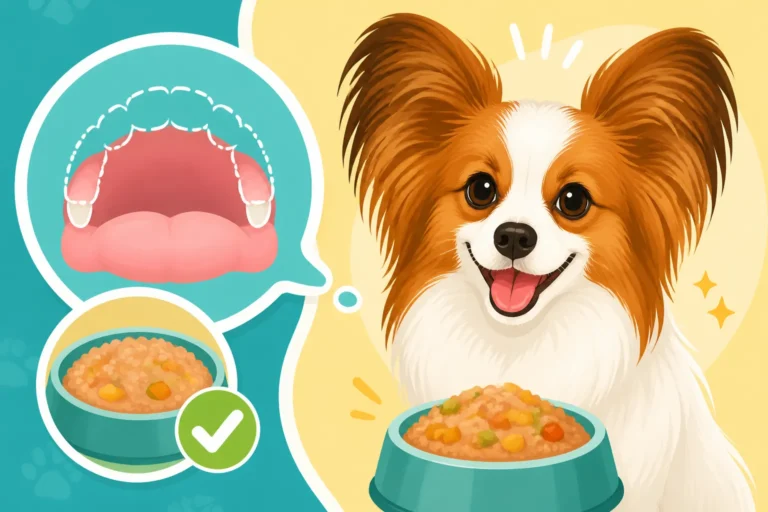
Switching to a senior-specific dog food formula is often a great first step. These diets are typically formulated with fewer calories, appropriate protein levels to maintain muscle mass without overworking kidneys, and often include beneficial supplements for joint health. It’s also crucial to monitor their weight closely, perhaps with weekly weigh-ins if they're particularly prone to fluctuation. Sometimes, even reducing portion sizes slightly or swapping out high-calorie treats for healthier options can make a significant difference. You might wonder Whether an Old Papillon Needs Softer Food, and while not always necessary, it can certainly be a consideration for those with dental issues.
Addressing Appetite Changes and Dental Health
Appetite can become a bit erratic in senior Papillons. Some might become pickier eaters, while others might show a decreased interest in food altogether. There are many reasons for this, from underlying health issues to a reduced sense of smell and taste. It's important not to dismiss a sudden loss of appetite, as it could signal a more serious problem. However, sometimes it's simply a matter of making their meals more appealing. Warming wet food slightly, adding a little low-sodium chicken broth, or offering a variety of textures can sometimes reignite their interest.
Dental health is another critical factor impacting appetite. Papillons, with their small jaws, are notoriously prone to dental disease throughout their lives. By the time they're senior, many have significant plaque, tartar, gum disease, or even painful tooth extractions. This discomfort can make eating dry kibble incredibly painful. Regular Dental Work Over a Papillon's Long Life is essential, but for seniors, a dental cleaning might require extra pre-anesthetic testing. Offering softer foods, or even soaking their kibble in water to soften it, can make mealtime much more comfortable. If you suspect dental pain, a vet visit is absolutely necessary, as ignoring it can lead to further health complications and unnecessary suffering.
| Age Group | Common Dietary Needs | Food Considerations | Monitoring |
|---|---|---|---|
| Adult | High energy, muscle support | Standard adult kibble, balanced nutrients | Weight, activity level |
| Senior (11+) | Lower calories, joint support, kidney health | Senior formulas, wet food/softened kibble, supplements (glucosamine, omega-3) | Weight, appetite, hydration, dental comfort |
Managing Mobility and Joint Health
One of the most heartbreaking changes to witness in a once sprightly Papillon is the decline in their mobility. The jumps they once made effortlessly, the zoomies around the living room – these can become a distant memory. Joint issues, particularly for a breed prone to patellar luxation, are incredibly common in senior Papillons. It's not just about discomfort; reduced mobility can lead to other problems, from difficulty getting to their potty spot to feelings of isolation if they can no longer easily join family activities.
Supporting Aching Joints and Arthritis
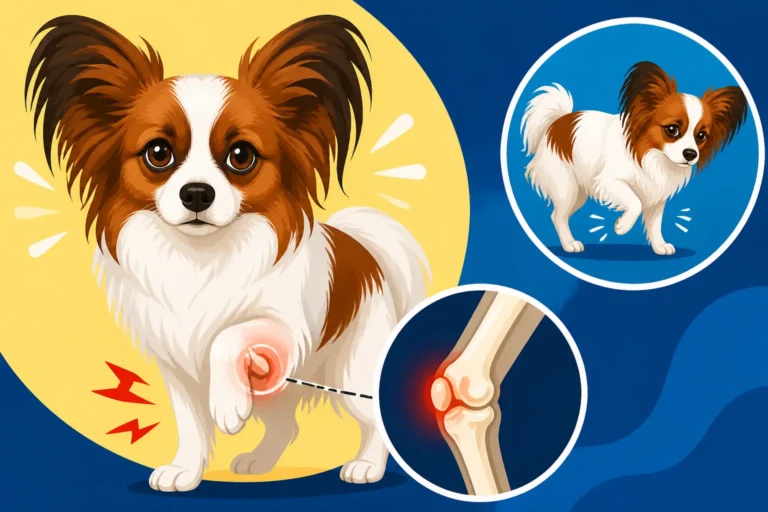
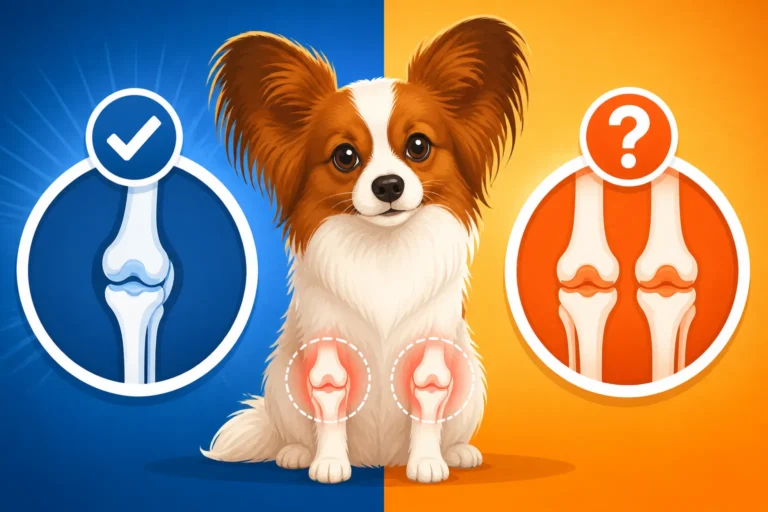
Arthritis is a harsh reality for many aging dogs, and Papillons are no exception. Years of jumping, running, and even just daily movements take their toll on cartilage and joints. This can manifest as stiffness, reluctance to jump or use stairs, or even a subtle limp, especially after resting. It’s common for owners to initially mistake these signs for just "slowing down" with age, but often, it's actual pain. Patellar Luxation Is the Papillon Problem You Will Actually Meet, and dogs with this condition in their youth are even more prone to developing arthritis in those knees as they age.
Management strategies for arthritis and joint pain are multifaceted. Your veterinarian might recommend anti-inflammatory medications (NSAIDs), joint supplements like glucosamine and chondroitin, or omega-3 fatty acids. Physical therapy, gentle massage, and even acupuncture can also be highly beneficial. Beyond medication, creating a comfortable environment is key: provide soft, orthopedic beds, use ramps or steps to allow them access to furniture without jumping, and ensure they have good traction on floors to prevent slips and falls. It's about easing their discomfort and keeping them as mobile as possible.
Environmental Modifications for Senior Papillons
Our homes, which once seemed perfectly safe for a nimble young Papillon, can become an obstacle course for an older dog with limited mobility. Hardwood floors, stairs, and high furniture are all potential hazards. One misstep can lead to a serious injury, especially if their bones are becoming more brittle with age. We owe it to our seniors to create a safe, accessible, and comfortable living space.
Consider placing non-slip rugs or runners on slick surfaces to give them better footing. Invest in pet steps or ramps for their favorite sofa or bed, saving their joints from the impact of jumping down. If stairs are unavoidable, consider a baby gate to prevent them from attempting to navigate them alone, or commit to carrying them up and down, if they are comfortable with it and you are able. Ensure their food and water bowls are easily accessible and don't require them to strain or climb. These seemingly small changes can make a world of difference in preventing injuries, reducing pain, and allowing your senior Papillon to move around their home with greater confidence and independence. This proactive approach helps to answer the concern of Whether a Papillon's Knees Get Worse With Age by mitigating further damage.
Addressing Cognitive Decline and Sensory Loss
It’s often disheartening to notice your once sharp and responsive Papillon starting to seem a bit "off." They might wander aimlessly, forget cues they've known for years, or become confused about their surroundings. These can be signs of cognitive dysfunction, essentially doggy dementia. Coupled with age-related sensory losses like hearing and vision, these changes can be incredibly disorienting for your dog and challenging for you to manage.
Navigating Canine Cognitive Dysfunction
Canine Cognitive Dysfunction (CCD) is a real and progressive condition that many senior dogs face. It's more than just "getting old"; it's a neurological disorder that affects memory, learning, and comprehension. You might observe changes in their sleep-wake cycle (e.g., restlessness at night), increased anxiety, confusion in familiar places, or a decrease in interaction with the family. It's a truly frustrating and often heartbreaking experience for owners who see their dog's personality subtly shifting. They might forget their potty training, or even seem to get lost in a corner of a room they know perfectly well.
If you suspect CCD, a trip to the vet is crucial to rule out other medical conditions that might mimic these symptoms. While there's no cure for CCD, there are ways to manage it and improve your dog's quality of life. Medications, special diets rich in antioxidants and brain-supporting nutrients (like those found in certain senior formulas), and mental enrichment activities can all help. Sticking to a consistent routine, keeping their environment stable, and being patient and understanding are also vital. For instance, if you notice Night Confusion in an Old Papillon, a night light or a comfortable, familiar crate could provide some reassurance.
Coping with Vision and Hearing Loss
As Papillons age, their senses, particularly vision and hearing, can diminish. Vision loss might start as difficulty seeing in dim light or at night, progressing to more significant impairment. You might notice them bumping into furniture, hesitating before descending stairs, or becoming more startled by sudden movements. Hearing loss can be even more insidious, often developing so gradually that you might not realize it until they stop responding to their name or the doorbell. Both can lead to increased anxiety, frustration, and a sense of isolation for your dog.
Adapting to sensory loss requires patience and thoughtful adjustments. For vision loss, keep furniture in consistent locations to help them navigate by memory. Use scent markers on key objects or doors. For walks, stick to familiar routes. For hearing loss, rely more on hand signals and vibrations (like stamping your foot) to get their attention. Invest in a vibrating collar if recall becomes an issue in a safe, enclosed area. Always approach them gently to avoid startling them. Most importantly, maintain a sense of security and love. Your calming presence and consistent routine become even more vital as their world becomes less clear or quiet. Remember that Deafness in an Old Papillon doesn't mean they can't live a full life; it just means adapting how you communicate.
Veterinary Care and Proactive Health Management
Regular veterinary care becomes even more critical for Papillons past the age of eleven. It's no longer just about vaccinations and annual check-ups; it's about proactive health management, early detection of age-related diseases, and ensuring their comfort. The goal is to catch potential problems before they become severe, maintaining their quality of life for as long as possible.
Routine Senior Wellness Exams
For senior Papillons, a yearly vet visit might not be enough. Many veterinarians recommend bi-annual (every six months) wellness exams for dogs once they reach senior status. These check-ups are more comprehensive than those for younger dogs, focusing on age-related concerns. Your vet will pay close attention to their weight, listen carefully to their heart and lungs for signs of murmurs or respiratory issues, palpate their joints, and perform a thorough oral exam. They'll also discuss any behavioral changes you've observed, which could be indicative of pain, cognitive decline, or other underlying issues. It really helps you understand How Often a Papillon Needs a Wellness Exam in their senior years.
These routine visits are your best line of defense against serious illness. Early detection of conditions like kidney disease, liver issues, diabetes, or even certain cancers can significantly impact treatment success and extend your Papillon's comfortable lifespan. Don't hesitate to bring up any concern, no matter how small it seems. You know your Papillon best, and your observations are invaluable to your vet.
Common Senior Health Concerns and Screening
Beyond the general check-up, specific screenings and tests are highly recommended for senior Papillons. Blood work, including a complete blood count (CBC) and a chemistry panel, provides a snapshot of their internal organ function. A urinalysis can reveal early signs of kidney disease or urinary tract infections. Thyroid function tests are often included, as hypothyroidism can become more common with age. These tests can reveal issues long before outward symptoms appear, allowing for earlier intervention. For example, knowing What a Papillon's Yearly Bloodwork Should Cover can help you prepare questions for your vet.
| Health Concern | Common Signs | Recommended Screening | Potential Management |
|---|---|---|---|
| Arthritis/Joint Pain | Stiffness, limping, reluctance to move | Physical exam, X-rays | NSAIDs, supplements, physical therapy, environmental mods |
| Dental Disease | Bad breath, difficulty eating, pawing at mouth | Oral exam (awake and sedated) | Dental cleaning, extractions, home care |
| Kidney Disease | Increased thirst/urination, lethargy, weight loss | Blood work (BUN, Creatinine), urinalysis | Diet change, fluid therapy, medications |
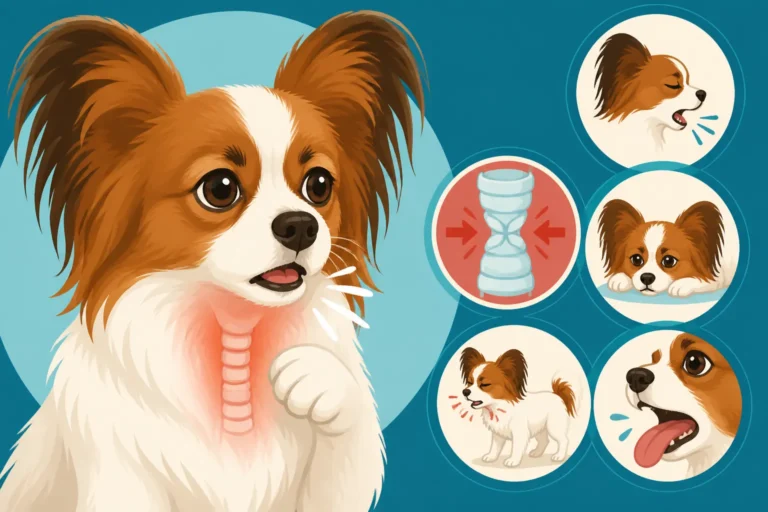
| Heart Disease | Coughing, lethargy, reduced exercise tolerance | Stethoscope exam, X-rays, ECG, echocardiogram | Medications, diet changes |
| Cognitive Dysfunction | Disorientation, changed sleep, anxiety | Behavioral history, rule out other diseases | Medications, diet, enrichment, routine |
| Cancer | Lumps/bumps, unexplained weight loss, lethargy | Physical exam, biopsies, imaging | Surgery, chemotherapy, radiation |
Heart disease, such as mitral valve disease, can become more prevalent in small breeds like Papillons as they age. Your vet will listen for heart murmurs, and if detected, might recommend further cardiac evaluations like an echocardiogram. Early diagnosis of these conditions, even if heartbreaking, allows for management strategies that can significantly improve your Papillon's comfort and extend their life. Pet insurance, like Healthy Paws, can be a lifesaver for unexpected senior health issues, helping to cover the costs of these diagnostic tests and long-term treatments.
Maintaining Grooming and Hygiene
A Papillon's beautiful, flowing coat is one of their defining features, and proper grooming continues to be important in their senior years, albeit with some adaptations. Beyond aesthetics, good hygiene plays a crucial role in their comfort and overall health, especially when mobility and self-grooming abilities decline.
Adapting Grooming for Comfort
As Papillons get older, they might find standing for long periods uncomfortable, or they might become more sensitive to touch in certain areas due to arthritis or other aches. What used to be a quick brush session might now need to be broken into shorter, more frequent sessions. Their coat might also change, becoming thinner, more prone to matting, or even a bit greasy in spots if they can't groom themselves as effectively. This means you might need to increase your brushing frequency slightly, focusing on areas prone to tangles like behind the ears, armpits, and their beautiful culottes and tail plume.
It's also important to be extra gentle. Use a soft brush, and always support their body if they're standing. If they prefer to lie down, try to accommodate that. Regular, gentle brushing stimulates circulation and helps distribute natural oils, keeping their skin healthy and their coat free of painful mats. Mats can pull on their delicate skin, causing irritation and even skin infections, so prevention is key. You might find that a calming presence and plenty of praise make the grooming experience more tolerable for an older dog.
Essential Hygiene Practices
Dental care is absolutely non-negotiable for a Papillon, regardless of age. Given their predisposition to dental disease, neglecting their teeth in their senior years can lead to severe pain, infections, and other systemic health problems. While brushing a senior Papillon's teeth might be a challenge, it's worth the effort. Consider using a soft finger brush and veterinary-approved toothpaste. If daily brushing is too much, aim for a few times a week, combined with dental wipes or water additives. As mentioned earlier, The Teeth in a Papillon's Small Jaw require constant attention, and regular professional dental cleanings under anesthesia, with appropriate pre-anesthetic blood work, are often necessary.
Nail trims are another essential part of hygiene. Overgrown nails can cause discomfort, make walking painful, and even affect their gait, putting extra strain on already fragile joints. If they're less active, their nails won't wear down naturally, requiring more frequent trimming. Ear cleaning should also continue, especially for their large, feathered ears, to prevent wax buildup and infections. Regular baths, with gentle, moisturizing shampoos, can keep their skin and coat clean and comfortable, especially if they're having trouble with incontinence or getting dirty more easily. Being vigilant about hygiene supports not only their appearance but their overall health and well-being.
Emotional Well-being and Quality of Life
Beyond physical care, a senior Papillon's emotional well-being is incredibly important. As they experience physical and cognitive changes, they can become more sensitive, anxious, or even withdrawn. Maintaining their emotional health means providing a consistent, loving environment, plenty of positive interaction, and opportunities for mental and gentle physical enrichment.
Maintaining Mental Stimulation and Routine
Just because a Papillon is older doesn't mean their sharp minds suddenly vanish entirely. While cognitive function might decline, they still benefit immensely from mental stimulation. Puzzle toys, gentle training sessions reviewing old tricks, or even just sniffing games around the house can keep their brains active and engaged. However, the key is to keep it low-stress and fun. Avoid demanding too much, and celebrate every small success. A frustrated senior Papillon is a sad Papillon.
A consistent daily routine is incredibly beneficial for older dogs, especially those with cognitive decline or sensory loss. Knowing when to expect meals, walks, and cuddle time provides a sense of security and reduces anxiety. Keep their sleeping area consistent and easily accessible. While you might wonder Whether an Old Papillon Should Still Do Agility, the answer is generally a gentle "yes" – adapted to their abilities. Slow, low-impact versions of their favorite activities, even just walking over a single low jump, can provide immense joy and mental stimulation without overstraining their bodies.
Providing Comfort and Companionship
As Papillons age, their need for comfort and companionship often intensifies. They might seek out your presence more, enjoy longer cuddle sessions, and generally want to be near you. Providing soft, comfortable beds in multiple locations throughout the house ensures they always have a cozy spot to rest, out of drafts. Many older Papillons also start to feel the cold more acutely, so a warm blanket or a cozy sweater, especially if Whether an Old Papillon Feels the Cold is a concern, can make a huge difference in their comfort.
Continue to engage them in family activities as much as possible, even if it means modifying the activity. If you're watching TV, invite them to cuddle on the sofa with you. If you're in the kitchen, give them a safe spot nearby. Your presence and touch are incredibly reassuring. Be mindful of how you approach them, especially if their senses are diminished, to avoid startling them. Gentle words, soft strokes, and simply being there are often the greatest gifts you can give your aging Papillon. These small gestures reaffirm their place in your family and contribute profoundly to their emotional well-being.
Preparing for End-of-Life Care
This is perhaps the most challenging aspect of caring for an aging Papillon, but it is an inevitable part of the journey. Thinking about end-of-life care isn't about giving up; it's about making thoughtful, compassionate decisions to ensure your beloved companion's comfort and dignity when their quality of life inevitably declines.
Recognizing Declining Quality of Life
One of the hardest parts is objectively assessing your Papillon's quality of life. As owners, our deep love can sometimes cloud our judgment, making it difficult to see when they are truly suffering or when their "good days" are becoming fewer and far between. It's crucial to look for consistent signs of discomfort, pain that can't be managed, or a loss of joy in activities they once loved. Are they still eating? Are they engaging with you? Are they able to relieve themselves without struggle? Do they still find pleasure in a gentle walk or a favorite toy? Sometimes, a Papillon will try to hide their pain, making it even harder to gauge. Learning How a Papillon Hides Pain is important for owners to identify subtle signs.
Keeping a journal of their good days versus bad days can be incredibly helpful in making these difficult decisions. Discussing this openly and honestly with your veterinarian is also vital. They can provide an objective assessment of your Papillon's medical condition and help you understand the trajectory of their health. Remember, quality of life isn't just about the absence of pain; it's about the presence of joy, comfort, and dignity.
Making Difficult Decisions and Grief Support
When the time comes, making the decision to say goodbye is one of the most agonizing choices a pet owner will ever face. It's a profound act of love and selflessness to spare them further suffering. Euthanasia, when performed gently and with compassion, can be the final gift we give to our cherished friends. Discuss options for in-home euthanasia with your vet if that feels more peaceful for your Papillon and your family, allowing them to pass in the comfort and familiarity of their own home.
Grief is a natural and intense reaction to losing a beloved pet. Allow yourself to feel that grief; it's a testament to the deep bond you shared. There are many resources available for grief support, including pet loss hotlines, online forums, and local support groups. Don't feel you have to go through it alone. Remember the many wonderful years you had together, the joy they brought into your life, and the unconditional love they gave. Your Papillon lived a long and cherished life thanks to your dedicated care, and that is a legacy to be proud of. After all, the typical How Long a Papillon Lives is a testament to good breeding and dedicated ownership, and you've provided just that.
Disclaimer
This guide offers general information and recommendations for caring for a senior Papillon. It is not a substitute for professional veterinary advice. Always consult with your veterinarian for specific diagnoses, treatments, and care plans tailored to your individual Papillon's health needs.