How a Papillon Recovers From Knee Surgery
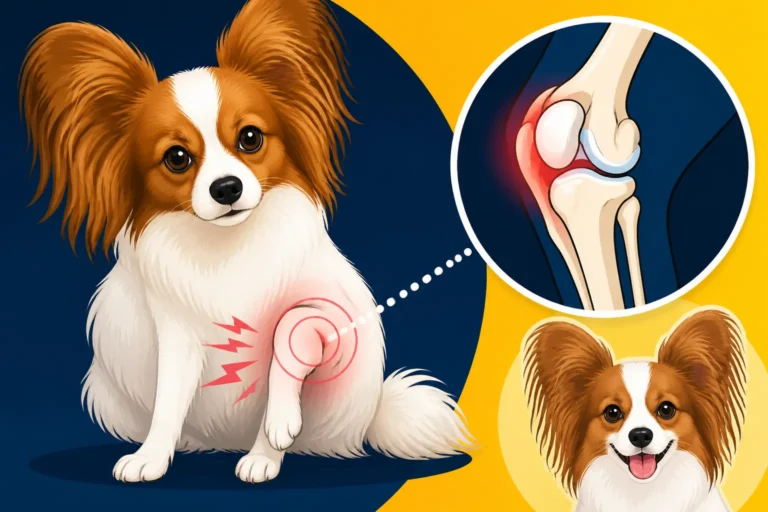
Bringing your beloved Papillon home after knee surgery can feel overwhelming, a mix of relief that the procedure is done and intense worry about doing everything right. These tiny, spirited dogs, despite their size, often face challenges like patellar luxation, and the recovery process is critical for their long-term comfort and mobility. This guide will walk you through what to expect and how to best support your little butterfly through their recovery journey, ensuring they get back on all four paws as safely and swiftly as possible.
Immediate Post-Operative Care: Bringing Your Papillon Home
That first day back from the veterinary clinic can be a bit of a blur, both for you and your furry friend. Your Papillon will likely still be feeling the effects of the anesthesia, possibly a little groggy, disoriented, or even a bit whiny. This is completely normal! The key is to provide a calm, safe, and controlled environment where they can slowly wake up and begin the crucial healing process. It’s a testament to their resilience, but also a call for us to be extra vigilant and comforting during this vulnerable time.
The First 24-48 Hours Are Crucial
When your Papillon first arrives home, they'll likely be quite sleepy and unsteady. The journey itself can be a bit jarring, so try to make it as smooth as possible, perhaps using a securely fastened carrier. Once home, have a prepared "recovery suite" ready for them. This usually means a comfortable crate or a small, enclosed playpen in a quiet area of your house, away from the hustle and bustle. Think cozy and low-traffic. Avoid any temptation for them to climb or jump, which means no access to stairs, furniture, or even slippery floors where they might lose their footing. This containment is essential to prevent accidental re-injury in these very early, fragile stages.
During these initial hours, your primary task is to be observant. Your vet will have given you detailed instructions on administering medications, feeding, and what to watch for. It's common for appetite to be reduced, so offer small, palatable meals, perhaps something soft if their usual kibble seems too much. Monitor their bathroom habits – sometimes the medications can cause constipation or diarrhea, and it’s important to note any changes for your vet. Most critically, keep an eye on their incision site for any unexpected bleeding or swelling, though a small amount of discharge or bruising can be normal.
Pain management will be at the forefront. Your Papillon will be on a schedule of pain relievers, and sticking to this schedule precisely is non-negotiable. Missing a dose can lead to unnecessary discomfort and stress, potentially hindering their recovery. They might shiver, hide, or be less responsive than usual – these are all signs that they’re not feeling quite themselves. Your calm presence and adherence to the vet's instructions are the best medicine you can provide right now.
It’s also important to remember that they've just had a significant medical procedure. Even though Anesthesia and a Five Pound Papillon can be a concern, veterinary teams take extreme precautions for small dogs, so trust that your little one was in good hands. Now it’s your turn to continue that diligent care. If you have any questions or see anything concerning, don't hesitate to call your vet; they'd rather you call a hundred times for reassurance than once when it's too late.
Understanding Your Papillon's Pain Management
Effective pain management is absolutely vital for a smooth recovery after How a Papillon Recovers From Knee Surgery. Your veterinarian will typically prescribe a combination of medications designed to keep your Papillon comfortable and minimize inflammation. This usually includes non-steroidal anti-inflammatory drugs (NSAIDs) like Rimadyl or Metacam, along with other pain relievers such as Tramadol or Gabapentin. It's paramount that you administer these medications exactly as prescribed, at the correct dosage and frequency. Set alarms, make a chart – whatever helps you stay on track, because consistency is key to their comfort.
Recognizing pain in a small dog like a Papillon can sometimes be tricky because they often try to hide their discomfort. Signs of pain might include excessive licking at the incision site (which we want to prevent!), limping more than expected, crying or yelping when touched or moved, restlessness, panting, or a reluctance to eat. Some Papillons might become withdrawn and hide, while others might become more irritable or even nip if they feel threatened or hurt. Observe your dog closely for any deviations from their baseline behavior.
Gabapentin, often prescribed alongside NSAIDs, can be particularly helpful for managing neuropathic pain and also has a mild sedative effect, which can be a double benefit. For an active, curious Papillon, this slight calming can help them tolerate the necessary crate rest without becoming overly anxious or destructive. This is especially true for dogs that might not understand why they suddenly can't zoom around the house. It's a tool to support both their physical healing and their mental well-being during a challenging time.
Under no circumstances should you ever give your Papillon human pain relievers like ibuprofen, acetaminophen (Tylenol), or aspirin. These medications are highly toxic to dogs and can cause severe, life-threatening organ damage. Always stick strictly to the medications prescribed by your veterinarian and consult them before giving any over-the-counter supplements or remedies. Your vet is the expert on canine pharmacology and will ensure your Papillon receives the safest and most effective pain relief.
Navigating the Weeks of Restricted Activity
The toughest part of recovery for many Papillon owners (and their energetic dogs!) is the prolonged period of restricted activity. It goes against everything we know and love about these vibrant, playful companions. But this phase is absolutely non-negotiable for proper healing. The surgical repair needs time to solidify, and any undue stress or re-injury can set back the recovery significantly, potentially requiring further intervention. It's a marathon, not a sprint, and patience will be your greatest virtue.
Strict Crate Rest and Exercise Limitations
After knee surgery for What Patellar Luxation Does to a Papillon, strict crate rest is paramount for several weeks, often 6 to 8, sometimes even 12, depending on the severity of the luxation and the complexity of the repair. This isn't just about keeping them still; it's about giving the bone and soft tissues around the knee ample time to heal without being stressed. Think of it like a broken limb in a cast – you wouldn't run a marathon on it, and the same principle applies to your Papillon’s delicate knee repair. Any jumping, running, twisting, or rough play can compromise the surgical site, leading to potential complications or even requiring a second surgery.
During this period, your Papillon should only be allowed out of their crate or small recovery pen for short, controlled leash walks solely for bathroom breaks. These walks should be brief, calm, and on a flat surface. No sniffing around for ages, no greeting other dogs, and absolutely no off-leash excursions. For a breed as intelligent and lively as a Papillon, this level of restriction can be incredibly challenging. They thrive on activity and interaction, so managing their mental state is as important as managing their physical recovery.
To help them cope with the confinement, provide mental enrichment within their crate. Puzzle toys, KONGs stuffed with frozen treats, or chews can keep their minds engaged and prevent boredom-induced destructive behaviors or excessive vocalization. Quiet interaction, gentle petting, and short training sessions (if allowed by your vet, focusing on calm behaviors like "stay" or "down" without using the injured leg) can also help maintain their spirits. Remember, this period feels long to us, but it’s even longer for them.
It's also crucial to prevent them from slipping. Setting Up a House That Protects a Papillon's Knees means considering their environment. If you have hardwood or tile floors, place non-slip mats or runners around their recovery area and wherever they might be allowed for their controlled bathroom breaks. A sudden slip could cause a serious setback. This meticulous attention to detail is what will pave the way for a successful outcome for Whether a Papillon Needs Knee Surgery.
Incision Care and Monitoring for Complications
One of your most important daily tasks during the initial recovery phase will be meticulous incision care and monitoring. Your veterinarian will provide specific instructions, but generally, you'll need to inspect the surgical site at least once, if not twice, a day. Look for any signs of infection or complications: excessive redness, swelling, warmth to the touch, discharge (especially pus or foul-smelling fluids), or if the incision appears to be opening up. A small amount of clear or slightly blood-tinged fluid can sometimes be normal, but anything more should be reported to your vet.
Preventing your Papillon from licking, chewing, or scratching at the incision is absolutely critical. Even though their tiny tongues seem harmless, they can introduce bacteria and pull out sutures, leading to infection or dehiscence (the incision opening). This is where the infamous "cone of shame" (E-collar) comes in. While many dogs despise them, they are a non-negotiable tool for protecting the healing wound. You might also consider soft cones, inflatable collars, or even recovery suits like a "Surgi-Snuggly" or "Suitical" if your vet approves, which can sometimes be more comfortable for little dogs, especially with their long hair.
Knowing when to call the vet is essential. Don't second-guess yourself if you notice any concerning changes at the incision site, if your Papillon suddenly develops a fever, becomes lethargic, loses their appetite completely, or seems to be in severe, uncontrolled pain despite medication. These could be indicators of infection or other serious complications that need immediate veterinary attention. It’s always better to be safe than sorry.
You'll also have scheduled recheck appointments with your veterinarian, typically within a week or two post-surgery, and then again for suture removal (if non-dissolvable sutures were used). These appointments are crucial for your vet to assess healing progress, adjust pain medications if needed, and confirm that the knee is stabilizing correctly. These check-ups are a vital part of ensuring Whether a Papillon Needs Both Knees Done isn't a future concern, as good healing of the first knee is paramount.
The Importance of Weight Management and Nutrition
During recovery from knee surgery, even a slight increase in weight can place undo strain on the healing joint, potentially delaying recovery or increasing the risk of re-injury. For a small dog like a Papillon, whose ideal weight range is typically between 5 to 10 pounds, even How Two Extra Ounces Show on a Papillon can be significant. Maintaining a lean body condition is absolutely critical, both during rehabilitation and for the rest of your Papillon's life, especially considering Why an Overweight Papillon Strains Its Knees.
With drastically reduced activity levels during crate rest, your Papillon's caloric needs will be lower than usual. It’s important to adjust their food intake accordingly to prevent weight gain. Consult your veterinarian for guidance on how much to feed and what type of food might be best during this time. You might need to reduce portion sizes of their regular kibble or switch to a lower-calorie option temporarily.
While treats are wonderful for motivation and mental enrichment, especially during confinement, be mindful of their calorie content. Opt for healthy, low-calorie options like small pieces of cooked chicken breast, green beans, or specific low-calorie training treats. Remember, every calorie counts for such a small dog. Many pet insurance providers, like Healthy Paws, emphasize the importance of preventative care and maintaining a healthy weight as part of overall wellness, recognizing its impact on joint health.
Beyond simply preventing weight gain, proper nutrition supports healing. Ensure your Papillon is receiving a complete and balanced diet. Some veterinarians might recommend specific supplements, such as omega-3 fatty acids or joint-supporting ingredients like glucosamine and chondroitin, to aid in joint health and reduce inflammation, though these should always be discussed with your vet first to ensure they are appropriate for your dog’s specific needs and recovery stage.
The Road to Rehabilitation and Long-Term Wellness
Once the initial healing phase is over, and your vet gives the green light, the real work of rebuilding strength and mobility begins. This is where rehabilitation truly shines, allowing your Papillon to gradually regain their active lifestyle. However, it's not a free-for-all; the return to full activity must be carefully managed to ensure the knee remains stable and strong for years to come.
Gradual Return to Activity and Physical Therapy
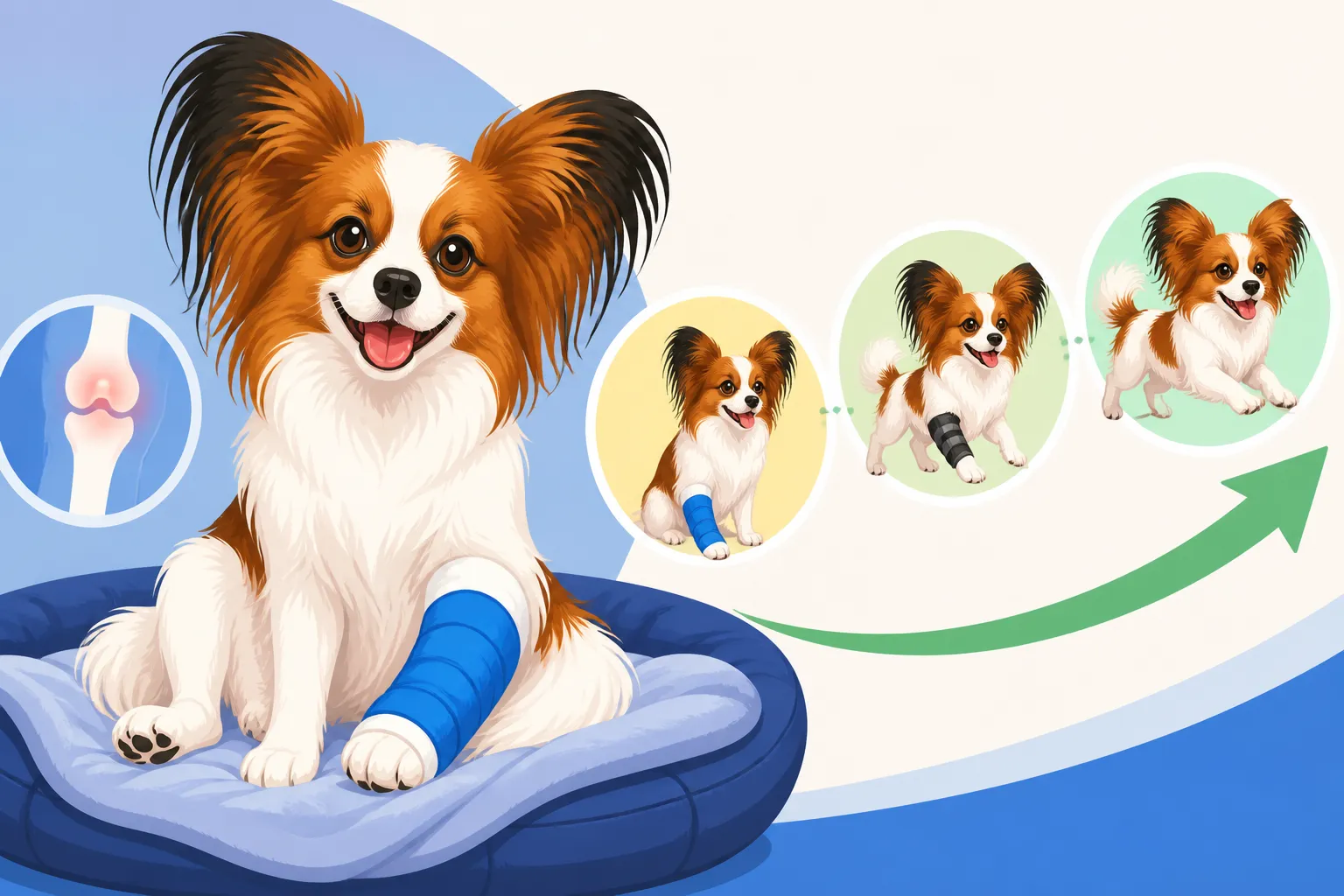
After the period of strict crate rest, your veterinarian will guide you through a gradual return to activity. This usually starts with short, controlled leash walks, slowly increasing in duration and intensity over several weeks. Think 5-10 minutes initially, two to three times a day, on flat, even surfaces. The goal is to rebuild muscle strength that has atrophied during confinement and to restore normal range of motion without overstressing the healing knee. It’s a delicate balance, and patience is still paramount.
For many Papillons recovering from knee surgery, professional physical therapy can make a world of difference. Veterinary physical therapists are experts in canine rehabilitation and can design a tailored program to suit your Papillon's specific needs. This might include modalities like hydrotherapy (underwater treadmill), therapeutic exercises to strengthen specific muscle groups, passive range of motion exercises, and even therapeutic massage. These specialized treatments can significantly improve recovery speed, muscle mass, joint flexibility, and overall functional return. You might want to ask your vet about What Rehab Costs After a Papillon's Knee Surgery as this can be an additional expense.
If professional physical therapy isn't an option, your vet or a certified rehabilitation specialist can teach you home exercises. These often involve simple movements like controlled leg lifts, gentle bicycling motions, or specific stretches, all performed slowly and carefully. Consistency with these home exercises is crucial for long-term success. It might feel slow, but each small step is contributing to a stronger, healthier knee.
It's vital to remember that even after the official rehabilitation period, high-impact activities like aggressive jumping, sudden stops, or quick turns should be introduced very cautiously, and often, some restrictions may remain permanently. Activities like agility or intense dog park play might need to be modified or approached with a clear understanding of the knee's limitations. Ensuring Whether a Papillon Should Jump Off the Sofa is a constant consideration, even long after recovery.
Home Modifications for Ongoing Knee Health
Preventing future re-injury and protecting your Papillon's knees for the long haul often involves some thoughtful home modifications. These small changes can make a huge difference in reducing strain on their joints, especially crucial if you want to avoid Whether a Papillon's Knees Get Worse With Age or a recurrence of luxation. Your Papillon might think they’re a big dog, but their delicate joints need protection.
One of the most impactful changes you can make is providing ramps or steps for furniture. Papillons love to be up on the sofa or bed with their humans, but jumping off repeatedly puts tremendous stress on their knees. Even a small jump can lead to micro-traumas or a full-blown re-luxation. Whether a Papillon Needs Ramps to Furniture is a question often answered with a resounding "yes" post-surgery. Look for stable, non-slip ramps or steps that are easy for your Papillon to navigate, encouraging them to use them every time.
Slippery surfaces are another major culprit for knee injuries in small dogs. Hardwood, laminate, and tile floors can cause your Papillon to slip and splay, twisting their legs in unnatural ways. Lay down non-slip rugs, carpet runners, or yoga mats in high-traffic areas, especially where your Papillon runs or plays. Creating secure footing reduces the risk of accidental slips and falls, which could undo all the hard work of recovery.
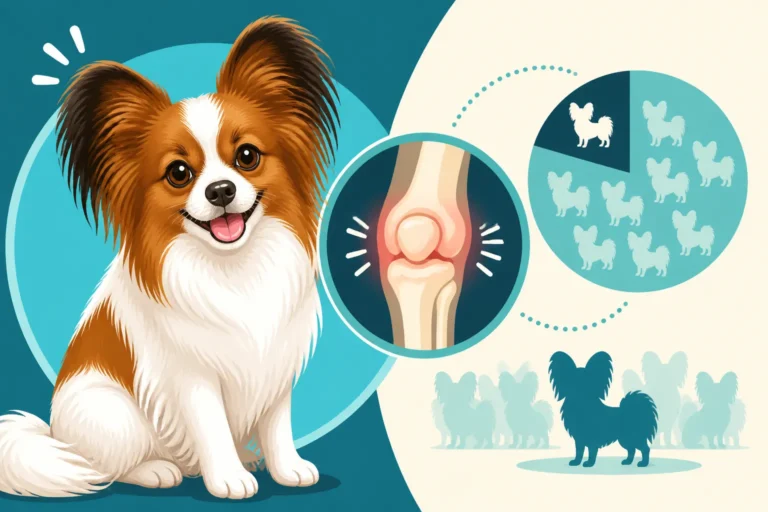
It's also important to be mindful of the other knee. Patellar luxation often affects both knees, even if only one has required surgery so far. Protecting the surgically repaired knee will naturally put more stress on the other leg, making it more susceptible to developing issues. Therefore, any home modifications or preventative measures should ideally benefit both knees. Continued vigilance and proactive care are essential.
Finally, don't underestimate the impact of regular nail trims. Why a Papillon's Nails Affect Its Knees is often overlooked. Overgrown nails force your Papillon to walk on the back of their paws rather than their pads, altering their gait and putting undue stress on their joint alignment, including their knees. Keeping nails short ensures proper foot mechanics and reduces strain, contributing to overall joint health and stability.
The Emotional and Financial Toll on Owners
Let's be real: navigating a Papillon's knee surgery recovery isn't just physically demanding for your dog; it's emotionally and financially taxing for you. The dedication required for strict crate rest, administering multiple medications, monitoring incision sites, and facilitating physical therapy is immense. It often means rearranging schedules, foregoing social plans, and constantly being on guard. It's okay to acknowledge that this is hard, and you're doing an amazing job.
Financially, knee surgery can be a significant expense. Knee Surgery Is the Bill Most Papillon Owners Meet, and it can quickly add up, especially if rehabilitation or complications arise. This is where pet insurance, like Healthy Paws, can be a lifeline for many owners. Having a policy that covers unexpected illnesses and injuries can alleviate some of the financial burden, allowing you to make medical decisions based on what’s best for your Papillon, rather than solely on cost. It’s worth investigating Whether Insurance Covers a Papillon's Knees if you haven't already. Even with insurance, there are often deductibles and co-pays, so having an emergency fund is always a good idea.
Beyond the practicalities, there's the emotional rollercoaster. Seeing your typically vibrant, playful Papillon confined and in pain can be heartbreaking. There will be days when they seem frustrated, withdrawn, or perhaps even a little grumpy because they can't do what they love. It's natural to feel guilt, sadness, or exasperation. Lean on your veterinary team for support and advice, and remember to take care of yourself too.
Finally, celebrate every small victory. The first full meal, the incision looking cleaner, a slightly longer pain-free walk, a tiny bit more muscle developing – these are all steps on the path to recovery. Your positive attitude and unwavering commitment are invaluable to your Papillon's healing. They sense your emotions, and your calm, confident demeanor will reassure them during this challenging time. The long-term outlook for patellar luxation surgery in Papillons is generally very good with proper post-operative care, so stay hopeful and keep working towards that happy, active future for your furry family member.
| Recovery Phase | Typical Duration | Key Actions | Things to Watch For |
|---|---|---|---|
| Immediate Post-Op | First 24-48 hours | Strict crate rest, administer pain meds, quiet environment, offer small meals, monitor incision. | Excessive bleeding/swelling at incision, severe pain, vomiting. |
| Weeks 1-2 | ~2 weeks | Continued strict crate rest, pain meds, daily incision checks, recheck appointment, suture removal. | Infection signs (pus, foul odor), persistent lameness, fever. |
| Weeks 3-8 | ~6 weeks | Gradually introduce short, controlled leash walks (vet guided), maintain crate rest otherwise, begin gentle PT. | Sudden lameness, reluctance to bear weight, swelling around knee. |
| Months 2-6 | Up to 4 months | Increase controlled exercise, structured physical therapy, home modifications (ramps, rugs), weight management. | Any signs of discomfort during activity, re-luxation, muscle imbalance. |
| Long-Term Wellness | Lifetime | Maintain ideal weight, continued joint support (if advised), appropriate exercise, regular vet check-ups. | Arthritis development, lameness in other knee, changes in gait. |
Disclaimer
The information provided in this article is for general educational purposes only and should not be considered a substitute for professional veterinary advice. Always consult with a qualified veterinarian regarding any medical concerns or before making any decisions about your Papillon's health care.