Why Papillons Are Surrendered
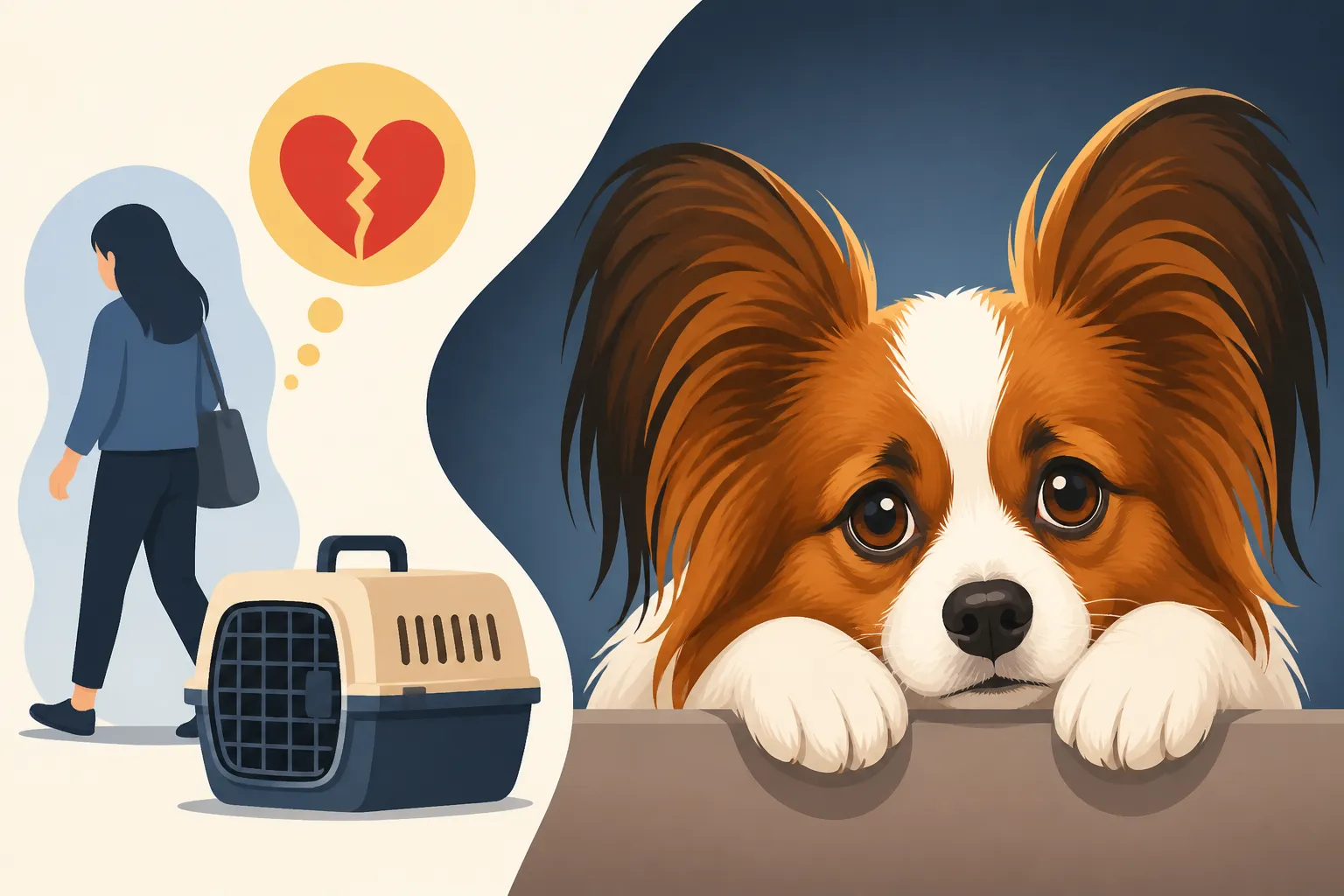
It’s a heartbreaking reality that sometimes, even beloved pets find themselves needing a new home through no fault of their own. For Papillon owners, the decision to surrender their dog often comes from a place of unexpected challenges and unforeseen circumstances, leaving both parties in a difficult spot. This guide delves into the common reasons why Papillons might end up in rescue or rehoming situations, helping prospective and current owners understand potential pitfalls and how to prevent them, ensuring these wonderful little dogs can stay in loving homes for their How Long a Papillon Lives long lives.
Misunderstandings About the Papillon's True Nature
One of the biggest contributors to Papillons being surrendered stems from a fundamental misunderstanding of the breed itself. People often see their small size, elegant looks, and flowing ears and assume they are delicate, low-energy lap dogs. While they are certainly affectionate and love a good cuddle, this perception couldn't be further from the truth. Papillons are intelligent, energetic, and highly social creatures with a surprisingly big personality packed into a small frame.
The Papillon's Unexpected Energy and Drive
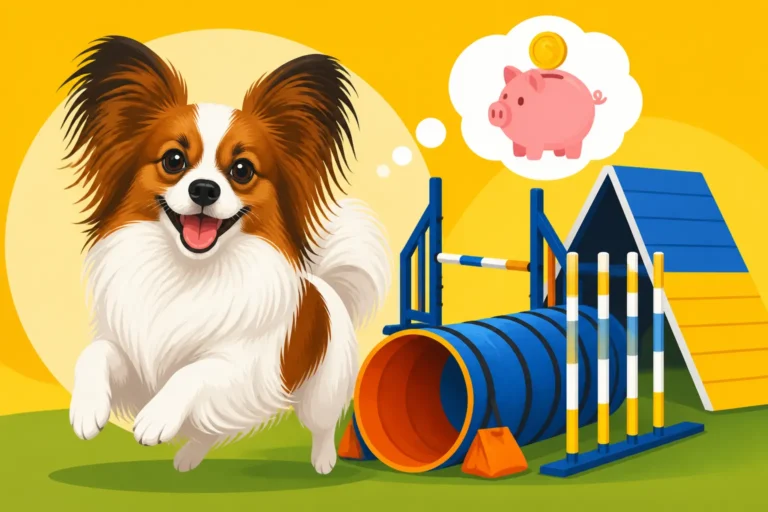
Many first-time Papillon owners are completely taken aback by the sheer energy these little dogs possess. They aren't content to just sit on the couch all day, although they will happily do that after a good run or mental workout. Papillons were bred to be active companions, and they retain a vibrant, playful spirit. They thrive on activity, whether it's long walks, games of fetch in the yard, or more structured activities like agility. When this need for activity isn't met, they can become bored, frustrated, and even destructive. Owners who expected a docile companion might find themselves overwhelmed by a dog that bounces off the walls, demanding attention and stimulation. This mismatch in expectations often leads to frustration on both sides and, eventually, the painful decision to rehome. It's vital to remember that a Papillon needs a good outlet for its brain and body every single day. What a Papillon Needs Every Day outlines a typical routine.
The Myth of the "Easy" Small Dog
The idea that small dogs are "easier" than large dogs is another pervasive myth that can lead to Papillon surrenders. While they take up less physical space, Papillons require just as much, if not more, training, socialization, and mental stimulation as their larger counterparts. Their intelligence means they learn quickly, but it also means they get bored quickly if not challenged. Owners who don't invest time in training and consistent boundaries can quickly find themselves with a demanding, unruly dog. They might develop what some call "small dog syndrome," where they believe they are the boss and act out accordingly. A Papillon needs clear leadership and consistent guidance, not to be coddled and allowed to get away with bad behavior because they're small and "cute." This is especially true when it comes to socialization; without proper exposure, a Papillon can become fearful or reactive, making daily life challenging.
Social Needs and Separation Anxiety
Papillons are deeply bonded to their people. They thrive on companionship and being an integral part of family life. This strong bond, while endearing, can sometimes manifest as separation anxiety if they are left alone for extended periods without proper training or preparation. Owners who work long hours or travel frequently, expecting their Papillon to be fine on its own, might come home to a stressed dog. Signs can include excessive barking, destructive chewing, or inappropriate urination. This isn't naughtiness; it's genuine distress. Understanding a Papillon's need for social interaction and gradually acclimatizing them to alone time is crucial. Leaving them with engaging toys from a place like Chewy or ensuring they have a comfortable, safe space can help, but they truly thrive with company. How Long a Papillon Copes Alone provides more insight into managing their alone time.
Unforeseen Health Challenges and Financial Burdens
While Papillons are generally considered a healthy breed and tend to live long lives, they are not immune to health issues. For some owners, the unexpected costs associated with veterinary care can become a significant factor in surrender.
Patellar Luxation and Other Orthopedic Concerns
One of the most common orthopedic issues in Papillons is patellar luxation, where the kneecap slips out of place. It can range in severity from a mild skip in their step to a debilitating condition requiring surgery. Owners who acquire a Papillon without knowing the genetic history of its parents or understanding the potential for this condition might be blindsided by the costs of diagnosis, pain management, and potentially surgery. What Patellar Luxation Does to a Papillon explains the condition in detail. This isn't a cheap fix, and for families already stretched thin, a major surgery bill can be catastrophic, leading to a heartbreaking choice. While pet insurance companies like Healthy Paws can help mitigate these costs, many owners don't consider insurance until it's too late or they're faced with an existing condition that won't be covered. It's crucial for prospective owners to ask What a Papillon Breeder Should Have Tested to minimize these risks.
The Ever-Present Dental Dilemma
Papillons, like many small breeds, are notoriously prone to dental disease. Their tiny jaws often lead to crowded teeth, making them a perfect breeding ground for tartar and plaque buildup. Left untreated, this can escalate to painful infections, gum disease, and tooth loss, impacting their overall health and quality of life. Regular professional dental cleanings under anesthesia are often necessary throughout a Papillon's life, and these can be costly. Dental Work Over a Papillon's Long Life details just how impactful these costs can be over fifteen years. Owners who aren't prepared for the ongoing commitment of daily tooth brushing and periodic professional cleanings might find the escalating dental bills unmanageable. The cumulative cost of several dental procedures over a long lifespan can be a significant financial strain, forcing difficult decisions.
Other Health Issues and Aging Costs
Beyond luxating patellas and dental problems, Papillons can also face other health concerns as they age, such as heart disease, eye conditions like PRA, or general geriatric care. Caring for a senior Papillon can involve more frequent vet visits, specialized diets, medications, and accommodations like ramps to protect their joints. These ongoing costs add up. What an Aging Papillon Costs a Year can be a real eye-opener for owners who hadn't considered the full financial picture of a dog living into its teens. The emotional and financial toll of managing chronic health issues can be immense, and sometimes, owners simply run out of resources or ability to cope, leading to surrender as a last resort in hopes the dog can receive better care elsewhere.
Behavioral Challenges That Become Overwhelming
Behavioral issues are frequently cited reasons for relinquishment across all breeds, and Papillons are no exception. What might start as a minor annoyance can escalate into a major problem if not addressed properly and consistently.
Persistent Barking
One of the most common complaints about Papillons is their propensity for barking. They are alert and vocal little watchdogs, quick to announce everything from a leaf blowing across the yard to the mail carrier's approach. How Much a Papillon Barks can vary greatly, but without proper training, it can become incessant and disruptive, especially in apartment settings or homes with close neighbors. Owners who live in multi-family dwellings or value peace and quiet might find the constant noise unbearable. Training a "quiet" cue and managing environmental triggers is essential, but it takes time and consistency. When owners don't know how to manage this behavior, or they simply aren't suited to a vocal dog, the barking can become a deal-breaker.
House-Training Difficulties
House-training a Papillon can be a challenge for some owners. Their small bladder size means they need frequent potty breaks, especially as puppies. Accidents are inevitable, but if an owner isn't diligent, patient, and consistent, a Papillon can develop habits of marking indoors or simply not understanding where they are supposed to relieve themselves. How Long House Training a Papillon Takes can feel endless to an unprepared owner. Combined with their small size, which can make "accidents" seem less significant to clean up, some owners inadvertently enable poor habits. When a dog consistently soils the house, it creates stress, damages property, and can erode the bond between pet and owner, eventually leading to a surrender when the owner feels they've exhausted all options.
Fear, Reactivity, and "Small Dog Syndrome"
Without proper socialization and consistent training, Papillons can develop fear-based behaviors or reactivity. This can manifest as barking or nipping at strangers, other dogs, or even children. Some Papillons, if allowed to, can develop "small dog syndrome" where they become overly assertive or aggressive due to a lack of boundaries and proper training. This isn't inherent to the breed but a consequence of inconsistent handling. Owners might pick them up when they seem threatened, which can reinforce the idea that the world is a scary place and they need to be protected. When a Papillon becomes difficult to manage in public, or even at home with guests, it limits the owner's lifestyle and can become a source of embarrassment and frustration. This can sadly lead to the dog being confined more, or eventually rehomed because the owner can't cope with the behavior.
Major Life Changes and Inability to Adapt
Sometimes, the reasons for surrender have nothing to do with the dog's breed or behavior, but rather with significant shifts in the owner's life circumstances.
Moving and Housing Restrictions
A change in housing is a common reason for surrender. Whether it's moving to an apartment with strict weight or breed restrictions, a landlord unwilling to allow pets, or simply a smaller space that the owner feels is inadequate, housing issues frequently force owners to make impossible choices. While Papillons are generally adaptable and can do well in apartments, some owners might feel a yard is essential or find that their new living situation simply doesn't accommodate a pet. Whether a Papillon Suits an Apartment is an important consideration before acquiring one. The stress of finding new housing often compounds with the difficulty of finding pet-friendly options, sometimes leaving owners feeling like they have no other recourse than to surrender their beloved dog.
New Family Members or Lifestyle Changes
The arrival of a new baby or an elderly family member moving in can drastically alter a household dynamic. A Papillon, used to being the center of attention, might struggle to adapt to reduced playtime, different routines, or the presence of a new, noisy, and unpredictable human. Similarly, a new job that requires long hours or frequent travel can mean less time for the Papillon's needs. While Papillons can be good with respectful children and can adjust to changes, the transition requires careful management and patience. Owners might find themselves overwhelmed by the demands of both a new baby and a dog who isn't adjusting well, leading them to believe they can no longer provide the Papillon with the attention it deserves. A Papillon With Children and Larger Dogs discusses how they integrate into different family structures.
Financial Hardship
Beyond specific health costs, general financial hardship can force owners to surrender their pets. Job loss, medical emergencies for a human family member, or unexpected debts can make it impossible to afford even basic pet care, including food, routine vet visits, and preventative medications (like those often purchased from Chewy or prescribed by a vet). Providing good quality food, like some of the options from Ollie, and ensuring consistent vet care is a commitment. When these financial pillars crumble, the most responsible, albeit heartbreaking, choice for some owners is to ensure their dog can go to a home where its needs can be fully met.
Common Reasons for Papillon Surrender
Here's a quick look at some of the most frequent reasons Papillons end up in rescue, categorized for clarity:
| Category | Common Reasons for Surrender | Owner Misconception/Challenge |
|---|---|---|
| Behavioral | Excessive barking | Underestimated vocal nature, lack of consistent training. |
| House-soiling/Lack of house-training | Small size equals easy care, lack of patience/consistency. | |
| Nipping/Biting (fear or dominance) | Failure to socialize, "small dog syndrome," inconsistent boundaries. | |
| Separation anxiety/Destructive behavior | Underestimated need for companionship, lack of alone-time training. | |
| Health & Cost | High veterinary bills (e.g., patellar luxation, dental care) | Unawareness of common breed health issues, no pet insurance (Healthy Paws). |
| Chronic illness/Aging care expenses | Underestimated lifetime cost of care, especially for a long-lived breed. | |
| Lifestyle | Moving/Housing restrictions | Failure to secure pet-friendly housing, belief dog needs a large yard. |
| New baby/Children in home | Underestimated impact on dog's routine/attention, lack of careful intro. | |
| New job/Increased work hours | Underestimated dog's need for companionship/activity. | |
| Owner illness/Death | Lack of a contingency plan for pet care. | |
| Breed Match | High energy level | Assumed lap dog, unaware of need for mental/physical stimulation. |
| Intelligence/Demand for interaction | Underestimated need for engagement, boredom leading to misbehavior. |
Preventing Surrender: What Future Owners Can Do
Understanding these common pitfalls is the first step in preventing them. For anyone considering adding a Papillon to their family, a little proactive planning and realistic expectation-setting can go a long way.
Thorough Research and Realistic Expectations
Before bringing a Papillon home, immerse yourself in research about the breed. Don't just look at cute pictures; understand their temperament, exercise needs, intelligence, and potential health issues. Speak to multiple Papillon breeders and owners. If you're looking for a dog that will be content with minimal exercise, a Papillon might not be the right fit. If you're sensitive to barking, you need to be prepared for consistent training from day one. Really consider if your lifestyle matches the Papillon's needs. Are you ready for What a Papillon Does All Day? This honest self-assessment is crucial.
Financial Planning and Pet Insurance
Be realistic about the financial commitment involved in owning any dog, especially a small breed with a long lifespan. Budget for annual vet visits, quality food (brands like Ollie offer nutritious options), grooming supplies, training classes, and an emergency fund. Seriously consider pet insurance from a reputable provider like Healthy Paws to help cover unexpected medical costs, particularly for common Papillon issues like patellar luxation or extensive dental work. The peace of mind it offers can be invaluable when facing a medical crisis. It's often best to get insurance when your dog is young, before any pre-existing conditions develop. What Insuring a Papillon Costs a Month is a good read.
Commitment to Training and Socialization
From the moment your Papillon puppy comes home, commit to consistent positive reinforcement training and thorough socialization. Enroll in puppy classes, expose them to a variety of sights, sounds, people, and well-behaved dogs. Early and ongoing training can address potential barking issues, house-training challenges, and build a confident, well-adjusted dog. Papillons are incredibly smart and eager to please, making them highly trainable, but only if you put in the effort. Remember, a well-trained dog is a joy to live with and far less likely to face rehoming.
Planning for Life Changes
Life is unpredictable, but you can plan for some eventualities. Consider what would happen to your Papillon if you had to move, or if your job situation changed dramatically. If you're planning a family, research how to safely and successfully integrate a dog with a new baby or young children. Having a support network of friends or family who could care for your dog in an emergency, or even knowing reputable boarding facilities, can provide a safety net. Thinking ahead about these possibilities can prevent a crisis situation from leading to surrender.
Papillons are truly wonderful, intelligent, and affectionate dogs. When their needs are understood and met, they bring immense joy and companionship for many years. By being informed, prepared, and committed, owners can ensure their Papillon remains a cherished member of the family, avoiding the heartbreak of surrender.
Disclaimer
This article is for general informational purposes only and does not constitute professional advice. Laws, prices and regulations vary by location and change over time. Consult a qualified professional for guidance on your specific situation.