How Long House Training a Papillon Takes
Oh, the house training journey with a Papillon! It's one of those things that can test even the most patient dog parent, especially when you have a tiny fluffball with a bladder the size of a thimble. It feels like you just took them out, they did their business, and five minutes later, there's a puddle on your rug, or worse, a tiny "gift" hidden under the coffee table. You're left wondering if they'll ever truly "get it" and if you'll spend their entire puppyhood on constant potty patrol. This guide is here to walk you through the realities of house training a Papillon, from understanding their unique challenges to implementing effective strategies, so you can finally see the light at the end of the potty tunnel.
Understanding the Papillon's House Training Challenges
Let's be honest, every puppy needs house training, but some breeds present a few more quirks than others. Papillons, with all their charm and intelligence, definitely fall into the category of "charming, intelligent, and sometimes surprisingly tricky to house train." It's not because they're spiteful or unintelligent; it's often a combination of their physical attributes and their clever little minds.
Why Small Size Can Be a Big Hurdle
One of the most immediate challenges with a Papillon puppy is their diminutive size. While it makes them incredibly portable and cuddle-worthy, it also means their internal plumbing is, well, miniature. A tiny bladder fills up much faster than a large breed's, leading to a much higher frequency of needing to "go." You might think you're taking them out often enough, but a Papillon puppy often needs to relieve themselves every 30-60 minutes when awake, and immediately after waking, eating, or playing.
Another aspect of their small stature is that accidents are easily overlooked. A puddle from a Papillon puppy is far less noticeable than one from a Labrador, making it simpler for them to hide their indiscretions in an inconspicuous corner or under a piece of furniture. If you don't discover these accidents quickly and clean them thoroughly with an enzymatic cleaner, the scent can linger, reinforcing that spot as an acceptable indoor potty area in your dog's mind. This can create a vicious cycle that's frustrating for both of you.
The Intelligence Factor and Its Double Edge
Papillons are renowned for their intelligence. They consistently rank high in canine intelligence surveys, with many claiming Whether a Papillon Really Ranks Eighth Overall among all breeds. This sharp mind is usually a huge asset in training, allowing them to pick up commands and tricks with astonishing speed. However, when it comes to house training, this intelligence can sometimes feel like a double-edged sword.
On one hand, a smart Papillon puppy can quickly grasp the concept of "potty outside = treat!" if you're consistent with positive reinforcement. They'll learn the routine, the cue, and the reward. On the other hand, their intelligence also means they're excellent at learning patterns – including patterns you didn't intend to teach. If you inadvertently punish them for an accident, they might not associate the punishment with the act of peeing inside, but rather with you or with peeing at all. This can lead to them hiding to eliminate, becoming secretive, or even developing anxiety around potty breaks. They can also become quite good at "holding it" until they are back inside if going outside becomes an unpleasant experience.
Weather Aversions and Their Impact
Another significant factor for Papillon owners, especially those in colder or wetter climates, is their breed's natural aversion to inclement weather. Papillons have a single, silky coat that offers little protection against the cold, wind, or rain. They are also close to the ground, meaning they get wet and muddy very quickly in precipitation.
It's a common scenario: you bundle up, leash up your reluctant Papillon, and head outside into a drizzle or a chilly breeze. Your little one might plant their feet, shiver, or lift their paws, clearly communicating their displeasure. They might perform a quick "phantom potty" – doing nothing, then rushing back inside, only to relieve themselves on your floor a few minutes later when they're warm and dry. This aversion is a huge contributor to house training setbacks and can make consistency, which is absolutely vital, incredibly difficult to maintain. When you consider Why a Papillon Refuses to Go Out in Rain, it's easy to see how this can become a persistent problem.
Setting Up for House Training Success
Approaching house training with a clear, consistent plan is your best bet for success with a Papillon. It’s not just about taking them outside; it’s about creating an environment and routine that sets them up to win.
The Power of a Consistent Schedule
Consistency is king when it comes to house training, particularly for a breed like the Papillon with its tiny bladder. Establishing a predictable routine helps your puppy understand when and where they are expected to eliminate. Without a schedule, it's like asking a child to learn to read without ever opening a book – they just won't know what's expected of them.
Your schedule should dictate not just potty breaks, but also feeding times, play times, and nap times. For a young Papillon puppy, this means taking them out first thing in the morning, immediately after every meal (for instance, if you're still following a regimen like How Often a Papillon Puppy Must Eat to Stay Safe), after every nap, before and after every play session, and right before bedtime. Even if they don't seem to need to go, take them out! You're building a habit. Over time, as your puppy grows, they'll be able to hold it longer, and your schedule can become a bit more relaxed, but those early weeks and months of strict adherence are crucial.
Crate Training: A Papillon's Best Friend (Usually)
Crate training, when done correctly, is perhaps the most effective tool for house training any dog, and Papillons are no exception. The natural instinct of a dog is not to soil their sleeping area or den. By providing a properly sized crate, you leverage this instinct to teach your Papillon to hold their bladder and bowels. Crating a Papillon Overnight is a great start, but the crate can be used throughout the day as well.
The key here is "properly sized." The crate should be just big enough for your Papillon to comfortably stand up, turn around, and lie down. If it's too large, they might use one end as a bed and the other as a bathroom, defeating the purpose. Many crates come with dividers that allow you to adjust the size as your puppy grows. Introduce the crate positively with treats and toys, never as punishment. Make it a cozy, safe den. When you can't actively supervise your Papillon, they go into their crate. This drastically reduces the opportunities for accidents in the house, allowing you to catch them when they do need to go outside.
Designated Potty Spots and Supervision
Having a specific spot in your yard or on your walk route where you consistently take your Papillon to potty can greatly speed up house training. Dogs are creatures of habit and scent; if they associate a particular area with relieving themselves, they're more likely to "go" quickly when taken there. Keep this spot clean of other dog waste to encourage their own use.
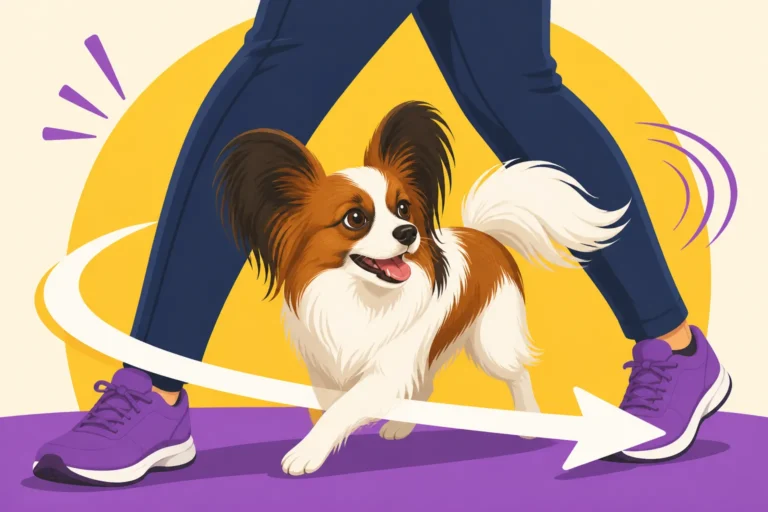
Crucially, when you take your Papillon out for a potty break, you must go with them. Don't just open the door and let them out, especially not in the early stages. Your presence ensures they actually do their business and aren't just distracted by a leaf or a bird. On a leash, walk them directly to their designated spot, wait patiently, and use a consistent potty cue like "go potty" or "do your business." The moment they finish, lavish them with praise and a high-value treat. This immediate positive reinforcement creates a strong association between going in the right spot and receiving a reward.
The Step-by-Step House Training Process
House training can feel like a marathon, not a sprint, but by breaking it down into manageable steps, you'll make steady progress.
Frequent Potty Breaks and Positive Reinforcement
For a Papillon puppy, particularly one under four or five months, frequent potty breaks are non-negotiable. Think of it as preventative action. Instead of waiting for them to tell you they need to go (which they often won't do reliably until they're older), you initiate the breaks. As mentioned, this means taking them out every 30-60 minutes, and without fail after waking, eating, and playing. The more opportunities you give them to succeed outside, the faster they'll learn.
When they do eliminate outside, make it a party! Shower them with enthusiastic praise, a happy voice, and immediately offer a super high-value treat – something they only get for pottying outside. A small piece of cooked chicken or cheese works wonders. The key is immediacy. If the reward is delayed, they won't connect it to the act of eliminating. This positive association is powerful and reinforces the desired behavior. Conversely, resist the urge to scold or punish if they have an accident inside. Your goal is to make going outside the most rewarding option, not to make going inside a terrifying one.
Managing Accidents and Cleaning Effectively
Accidents will happen, especially in the beginning. It's part of the process, and it's essential not to get discouraged or angry. If you catch your Papillon in the act of having an accident indoors, interrupt them with a sharp clap or "No!" (without scaring them), immediately scoop them up, and rush them outside to their designated potty spot. Wait for them to finish there, and if they do, praise and treat them. Even a few drops outside after an interrupted indoor accident are worth rewarding.
The most critical step after an accident is thorough cleaning. Dogs are driven by scent, and if the odor of urine or feces remains, even faintly, it signals to them that this spot is an acceptable place to go again. Standard household cleaners often only mask the smell to humans; dogs can still detect it. You need an enzymatic cleaner designed specifically for pet odors. Brands available on platforms like Amazon often have excellent options. These cleaners break down the uric acid crystals in urine, completely neutralizing the odor. Without this, you're fighting an uphill battle.
Understanding "Near Misses" and Regression
Learning to read your Papillon's pre-potty signals is a game-changer. These little tells might include sniffing around intently, circling, suddenly stopping play, or heading towards a secluded area. As soon as you see these signs, it's time for an immediate trip outside. Catching a "near miss" allows you to redirect them to the appropriate place and reinforce good habits.
Regression can also happen. Just when you think your Papillon is fully house trained, they might suddenly start having accidents again. This is often common during adolescence (around 6-12 months for small breeds) as hormones kick in and they test boundaries. It can also be triggered by changes in routine, a new environment, stress, or even a medical issue. If regression occurs, don't despair. Simply go back to basics: increase supervision, stick to a strict schedule, and reinforce heavily. The "two weeks of no accidents" rule is a good benchmark: consider them reliably house trained only after two consecutive weeks without a single indoor accident.
Common House Training Challenges and Solutions for Papillons
Papillons, being the unique little characters they are, can throw a few specific curveballs during house training. But for every challenge, there's usually a practical solution.
The "Invisible" Accident: When They Hide It
Because Papillons are so small, their accidents are also small and can be incredibly easy to miss, especially on patterned carpets or in cluttered areas. A tiny puddle or a small stool can vanish from human sight, giving your Papillon ample opportunity to create a "hidden" indoor potty spot without you even realizing it. This becomes a problem because, as we've discussed, if the scent isn't completely eliminated, they'll be drawn back to that spot.
The solution here is heightened vigilance and a bit of detective work. During the active house training phase, ensure your Papillon is either in their crate, tethered to you, or within your direct line of sight. When they're given more freedom, do a "potty sweep" of common hiding places – behind curtains, under tables, in quiet corners – several times a day. If you find an old accident, clean it immediately and thoroughly with an enzymatic cleaner. Consider restricting access to rooms where accidents frequently occur or using puppy gates to keep them in an area with easily cleanable flooring.
Weather-Related Reluctance
We've touched on how Papillons often dislike going out in bad weather. This reluctance can turn potty breaks into a frustrating standoff, leading to accidents indoors. It's a genuine discomfort for them, so simply forcing them out often won't solve the core issue.
To combat this, consider investing in weather-appropriate gear. A warm, waterproof raincoat can make a huge difference in cold or rainy conditions. Some owners even use little booties to protect sensitive paws from cold or wet ground. You can also create a more sheltered potty area in your yard – perhaps under a covered patio or a small pop-up canopy. Another strategy is to make going out in bad weather extra rewarding. Have special high-value treats that are only given for successfully pottying during less-than-ideal conditions. If you live in an apartment or high-rise, exploring indoor potty options might also be a necessary compromise.
Addressing Submissive or Excitement Urination
Some Papillons, particularly young puppies or those with a naturally more sensitive disposition, might exhibit submissive urination or excitement urination. Submissive urination typically happens when they feel overwhelmed, intimidated, or are trying to show deference (e.g., when being approached by a stranger or scolded). Excitement urination, on the other hand, occurs when they get overly thrilled, like when you first come home. Both result in an accidental puddle, which isn't a house training issue but an emotional response.
For submissive urination, the key is to avoid situations that make them feel threatened. Approach them calmly, avoid direct eye contact, and get down to their level. Don't hover over them or speak in a loud, stern voice. For excitement urination, teach your Papillon to greet you calmly. When you arrive home, ignore them for the first few minutes until they've settled down, then greet them quietly and calmly. You can also take them directly outside for a potty break before any excited greetings. Patience and a calm demeanor on your part will help them feel more secure and less prone to these types of accidents.
Indoor Potty Options: Pads and Litter Boxes
While outdoor training is the gold standard for most, sometimes indoor solutions like potty pads or litter boxes can be a helpful tool, especially for Papillons in specific living situations or with certain challenges.
The Pros and Cons of Potty Pads
Potty pads, often found at stores or online retailers like Amazon, offer a convenient indoor option for your Papillon to relieve themselves. For owners living in apartments on high floors, or those with very senior dogs who struggle to hold it, or even during severe weather, they can be a lifeline. They absorb messes, reduce odor, and can offer a sense of security that your dog always has an acceptable place to go. Whether Indoor Pads Suit a Papillon truly depends on your lifestyle and your dog's personality.
However, pads also come with significant drawbacks. The biggest one is that they teach your dog that it's sometimes okay to go inside. This can create confusion, especially if your ultimate goal is 100% outdoor pottying. Many dogs become "pad-trained" but struggle to transition to outside, seeing the rug or a bathmat as just another large pad. They can also create bad habits like marking on soft surfaces. If you do use pads, place them in a consistent, easily accessible spot, well away from food and sleeping areas. If you plan to eventually transition to outdoor-only, start that process as soon as possible, gradually moving the pad closer to the door and then outside.
Litter Box Training for Papillons
Yes, you read that right – some small dogs, including Papillons, can be litter box trained! This method is very similar to using potty pads but offers a contained, usually less messy alternative. Instead of a flat pad, you use a small, low-sided litter box with specific dog litter (which is different from cat litter, as it's not clumping and is safe if ingested).
To train your Papillon, introduce the litter box in the same way you would a potty pad. Place it in an accessible, consistent location. When you see your Papillon sniffing around or showing signs of needing to go, gently place them in the litter box. When they use it, immediately praise and reward them. If you're transitioning from pads, you can place a used pad in or under the litter in the box to transfer the scent, helping your Papillon understand its purpose. This can be a great option for those who want an indoor solution that feels a bit cleaner and more contained than pads, and Whether a Papillon Can Be Litter Box Trained often comes down to individual dog preference and owner consistency.
Lifespan of House Training: When is it "Done"?
It's easy to feel like house training is an endless task, especially during the early puppy months. But rest assured, there is an end goal, though it might be a bit more fluid than you initially imagine.
The Typical Timeline: Weeks to Months
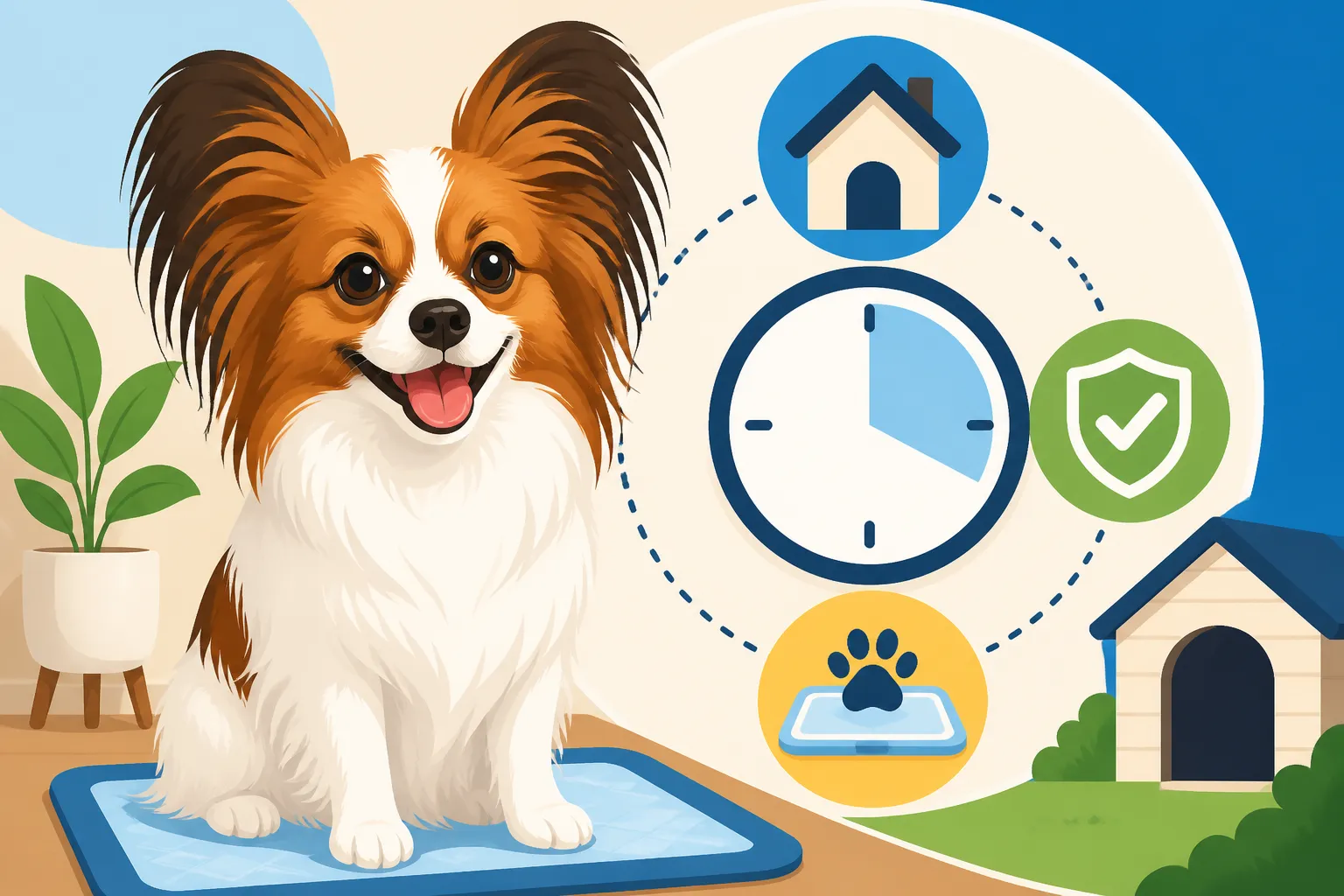
For many Papillons, you can expect reliable house training to take anywhere from 4 to 6 months of consistent effort. Some highly intelligent puppies might grasp it faster, becoming reliable within 12-16 weeks, while others, particularly those who struggle with weather or have had many indoor accidents, might take longer, sometimes up to a year. There's no single magic number, and it's less about a specific date and more about consistent progress.
The crucial period is usually the first few weeks when you bring your Papillon puppy home. This is where consistent supervision, frequent trips outside, and immediate rewards lay the foundation. By around 5-6 months, most Papillons should be able to hold their bladder for several hours and signal their need to go, provided you've been consistent. Remember, it's a developmental process, and just like human toddlers, puppies need time and repetition to master self-control. For a comprehensive overview of early development, you might find our guide on The First Year With a Papillon Puppy helpful.
| Age of Papillon Puppy | Expected Bladder Control (Approx.) | Training Focus | Common Challenges |
|---|---|---|---|
| 8-12 Weeks | 1-2 hours max | Very frequent potty breaks, crate introduction | Small bladder, easy distractions |
| 3-4 Months | 2-3 hours | Consistent schedule, active supervision | Minor regressions, learning limits |
| 5-6 Months | 3-4 hours (day), 6-8 hours (night) | Reinforcement, "two weeks accident-free" rule | Adolescent testing, excitement urination |
| 6-12 Months | 4-6 hours (day) | Maintaining routine, proofing in new environments | Adolescent regression, stubbornness |
| 1 Year + | 6-8 hours (day) | Ongoing maintenance, quick recognition of signals | Environmental changes, medical issues |
Reinforcement Throughout Life
While your Papillon may become "reliably house trained" at a certain point, it's not a one-and-done event where you never think about it again. House training is an ongoing process of reinforcement throughout their lives. Maintaining a somewhat predictable routine, even for adult dogs, helps reinforce good habits. If you travel or move to a new home, your Papillon may experience temporary confusion or stress that leads to accidents. In these situations, it's best to revert to a "puppy protocol" for a few days, offering more frequent potty breaks and extra praise.
As your Papillon ages, their physical capabilities change. Older dogs, especially those reaching the senior years (typically around 10-11 for Papillons, as discussed in Caring for a Papillon Past Eleven), may develop medical conditions that affect bladder control or simply have weaker bladders. They might need more frequent trips outside, and patience becomes even more vital. Understanding that an accident in an older dog isn't defiance but a physical limitation can help you adjust their routine accordingly.
Patience is Key for Papillon Owners
Perhaps the most important takeaway for any Papillon owner embarking on house training is patience. It's incredibly easy to get frustrated when you're cleaning up another mess, especially when you feel like you've done everything "right." But remember that your Papillon isn't doing it to spite you; they're either still learning, experiencing a physical limitation, or reacting to something in their environment.
Consistency, positive reinforcement, and a calm, understanding approach will always yield the best results. Every Papillon is an individual, and their learning curve will be unique. Don't compare your Papillon to your neighbor's dog or a past pet. Celebrate the successes, learn from the accidents, and trust that with your guidance, your clever little Papillon will eventually become a house-trained champion. If you ever feel completely stuck, consider online resources or programs, like those offered by BAXTER & Bella, which provide structured guidance and support for puppy training, including house training, to help owners stay consistent and confident in their methods.
Disclaimer
This article is for general informational purposes only and does not constitute professional advice. Laws, prices and regulations vary by location and change over time. Consult a qualified professional for guidance on your specific situation.