A Papillon’s Coat Is All Fringe and No Undercoat
One of the biggest surprises for new Papillon owners, or even those just admiring from afar, is just how different their coat is from what many assume. You see those gorgeous, flowing fringes and immediately think "heavy shedding" or "constant matting," imagining a thick, double-coated fluffball. But that's where the Papillon throws a curveball: their coat is truly unique, almost all elegant fringe with absolutely no undercoat. This guide is going to peel back the layers (pun intended!) on the Papillon's distinctive coat, helping you understand its composition, care, and what to expect daily.
The Unique Structure of a Papillon's Coat
When you first lay eyes on a Papillon, it's easy to be mesmerized by their stunning, flowing hair. It cascades beautifully, giving them an air of delicate elegance. But beneath that aesthetic appeal lies a very specific biological design that sets them apart from many other long-haired breeds. Understanding this structure is the key to appropriate grooming and appreciating just how special these little dogs are.
What "No Undercoat" Really Means for a Papillon
The term "undercoat" might not mean much to everyone, but it's a huge deal in the dog world. Many breeds, especially those from colder climates like Huskies, Samoyeds, or Pomeranians, have a dense, woolly undercoat beneath a coarser outer coat. This undercoat acts as insulation, trapping air to keep them warm in winter and helping regulate temperature in summer. It's also the primary source of the "fluffy" shedding that can turn your house into a tumbleweed farm.
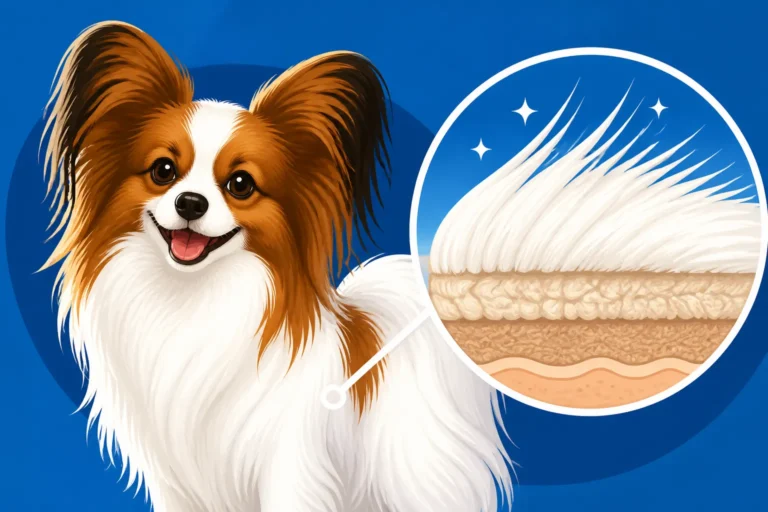
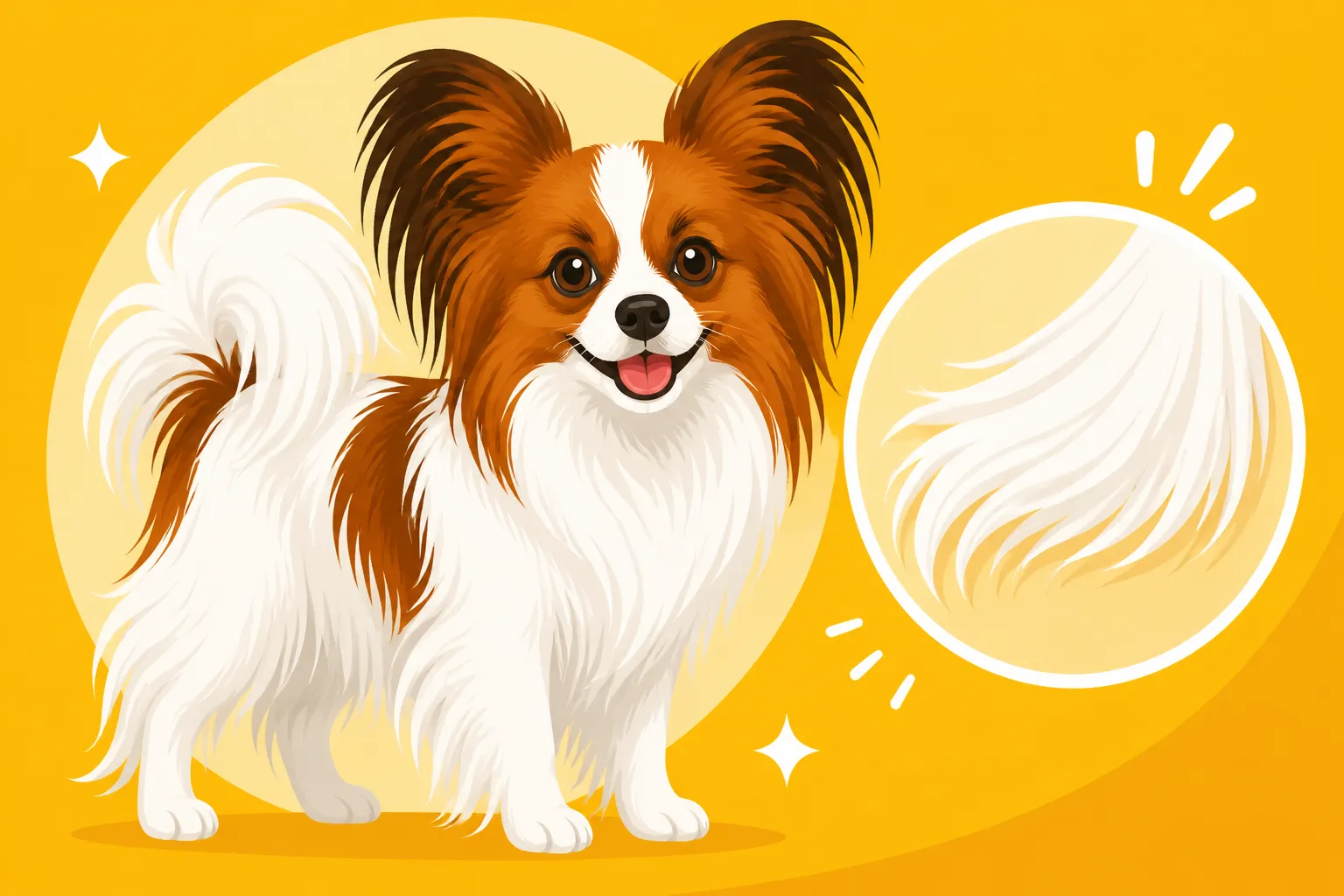
A Papillon, however, has none of that. They possess what's known as a "single coat." This means they only have the longer, silkier outer layer of hair. There's no soft, dense fuzz underneath to shed in huge clumps or to hold onto moisture. This single-coat characteristic is why their hair feels so silky to the touch, and why it tends to lie flat and flow, rather than standing off the body in a thick puff. It also impacts how they handle extreme temperatures and how you approach their grooming routine. It's a coat designed for elegance and agility, not for arctic survival. A Papillon's Coat Is All Fringe and No Undercoat delves deeper into this unique feature.
Why a Papillon's Coat is Called Silky
The word "silky" isn't just a marketing term for the Papillon's coat; it's an accurate description of its texture and feel. Unlike some long-haired breeds with coarse or wiry outer coats, the Papillon's hair is fine, soft, and has a distinct sheen. When properly cared for, it flows like spun silk. This isn't just about looking pretty; the texture also has practical implications for grooming. Silky hair is less prone to certain types of matting than woolly or cottony coats, though it still has its own challenges.
This texture is largely due to the individual hair shafts themselves. They are typically finer in diameter and have a smoother cuticle layer compared to the hair of double-coated breeds. This smoothness reflects light beautifully, giving the coat its characteristic luster. It's one of the defining features of the breed, a testament to centuries of selective breeding focused on their elegant appearance. You'll often find yourself just stroking your Papillon's back, marveling at how incredibly soft and smooth their coat truly is.
Shedding Expectations and Managing Loose Hair
Despite popular belief, having no undercoat doesn't mean a Papillon doesn't shed. Oh, if only that were true! While they certainly don't "blow coat" in the same dramatic way a Siberian Husky might twice a year, they are not a non-shedding breed. Understanding their shedding pattern is crucial for managing your home and keeping your Papillon looking their best.
Why a Papillon With No Undercoat Still Sheds
Every hair follicle on a dog (and a human, for that matter) goes through a growth cycle, and eventually, that hair reaches the end of its life and falls out to make way for new growth. For a Papillon, this means those long, silky strands will eventually detach from the follicle. Because they only have a single coat, the shedding isn't usually a massive, overwhelming event. You won't typically find large clumps of woolly undercoat around your house.
Instead, Papillon shedding tends to be more of a continuous, light affair. You'll find individual hairs, often quite long, on your furniture, clothes, and floors. This constant, low-level shedding means that regular grooming is essential not just for preventing mats, but for capturing these loose hairs before they have a chance to settle all over your home. It's a different kind of shedding management than with a double-coated breed, but management it still requires!
When a Papillon Sheds Most
While Papillons shed year-round, there can be periods when it seems a bit more pronounced. Hormonal changes, such as those related to spaying or neutering, can sometimes affect coat density and shedding patterns. Some owners report a slight increase in shedding during seasonal changes, though it's typically far less dramatic than with double-coated breeds adjusting to temperature shifts. Stress or dietary changes can also play a role, making their coat appear duller or shed more.
For females, heat cycles can also influence coat condition and shedding. It's also worth noting that puppies often go through a "coat change" around their first year, where their softer puppy fluff gives way to the more adult, silky texture. During this time, you might notice a bit more loose hair as the old coat transitions out. Paying attention to these natural cycles helps you anticipate and adjust your grooming routine accordingly, ensuring your Papillon always looks and feels fantastic. When a Papillon Sheds Most offers more specific insights.
Brushing Routines and Tools for a Papillon
Brushing is the cornerstone of Papillon coat care. It's not just about looking good; it's about comfort, skin health, and preventing painful mats. Given their long, silky hair, a good brushing routine is an act of love that keeps your furry friend happy and healthy.
How Long a Papillon Takes to Brush
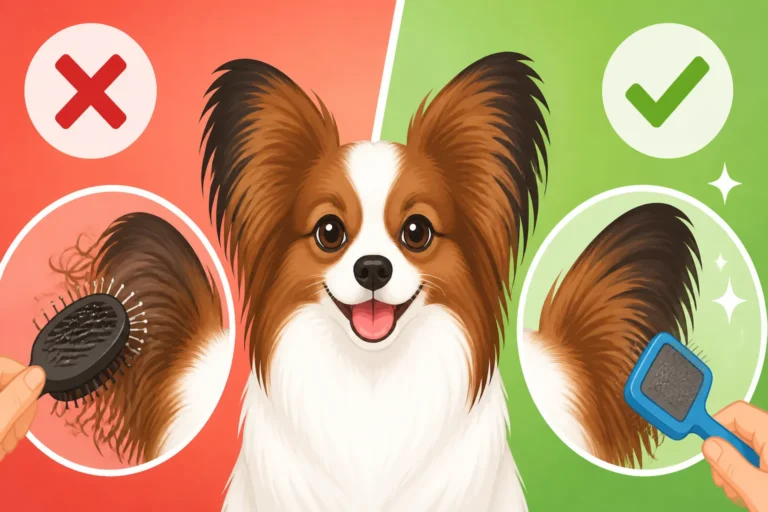
You might look at all that flowing hair and assume brushing a Papillon is an hour-long ordeal. Thankfully, due to their single coat and lack of dense undercoat, it's often much quicker than you'd expect. For a Papillon that is regularly brushed, a full session might only take about 15 to 20 minutes, perhaps a bit longer if they've been particularly active or if you've missed a day or two. The key word here is "regularly." If you let it go, then yes, you'll be spending a lot more time on detangling!
The true time-saver is consistency. Daily or every-other-day brushing prevents small tangles from becoming big, stubborn mats. When you brush frequently, you're mostly just removing loose hairs and lightly stimulating the skin, which is a quick and pleasant experience for your dog. It's when you skip sessions that the time commitment escalates dramatically, turning a relaxing ritual into a chore for both of you.
Which Brushes a Papillon Owner Has to Buy
Choosing the right tools is paramount for effective and comfortable grooming. You don't need a huge arsenal, but a few key brushes will make all the difference.
- Pin Brush: This is your primary tool for overall coat care. Look for one with smooth, rounded pins that won't scratch your dog's skin. It's excellent for working through the longer fringe on the ears, tail, and culottes, gently separating hairs and removing loose strands. Many pet supply stores, like Chewy or those found on Amazon, offer a good selection of pin brushes suitable for delicate coats.
- Slicker Brush: While often associated with double-coated breeds, a soft slicker brush can be useful for Papillons, particularly for very light matting or for removing dead hair from the body coat. Be incredibly gentle, as the fine wires can easily irritate delicate Papillon skin if used too roughly. A flicking motion, rather than deep dragging, is key.
- Metal Comb (Fine/Medium Tooth): This is indispensable for detail work, especially around the ears, behind the legs, and on the culottes where mats tend to form. After using the pin brush, follow up with the comb to ensure all tangles have been removed. The fine teeth help you find and gently work out any hidden knots.
- Detangling Spray: Not a brush, but a vital companion! A good quality detangling spray can make brushing much easier, especially if you encounter a stubborn knot. It lubricates the hair, allowing tangles to loosen without pulling or breaking the delicate strands.
| Brush Type | Primary Use | Tips for Papillons |
|---|---|---|
| Pin Brush | General brushing, untangling long fringes | Choose rounded pins; use on ears, tail, culottes, body. |
| Slicker Brush | Light matting, removing dead hair (use sparingly) | Use soft bristles only; employ a gentle, flicking motion; avoid skin irritation. |
| Metal Comb | Detail work, finding hidden tangles | Essential for ears, armpits, culottes; work slowly and patiently. |
| Detangling Spray | Lubricating coat, easing out knots | Spray lightly before brushing through tangles; prevents breakage. |
Remember, gentle strokes are always best. Your Papillon has delicate skin and fine hair that can break or pull easily. Make grooming a positive experience with praise and treats, and they'll look forward to their pampering sessions.
Where a Papillon Mats
Despite their single coat, Papillons can and do get mats. The primary areas are where their hair is longest and experiences the most friction or moisture.
- Behind the Ears: This is probably the most common spot. The hair here is fine and often rubs against the neck or collar, creating perfect conditions for tangles. It's also an area that can get damp from drinking or even just general humidity.
- Under the Armpits (Front Legs): Another high-friction zone. When your Papillon walks, runs, or lies down, the hair in their "armpits" can rub together, quickly forming tight, painful mats.
- Culottes (Feathering on Back Legs): The long hair on their hind legs, known as culottes, sweeps the ground and can pick up debris, get wet, and tangle from movement.
- Tail Plume: While usually well-maintained by the dog, the long, flowing tail plume can occasionally catch burrs or debris, leading to mats if not checked regularly.
- Fringe on Chest/Stomach: Areas that contact the ground when they lie down or get wet from walking in damp grass can also mat.
Regular checks of these areas during your daily brush are essential. If you feel a small knot, it's far easier to gently work it out with a comb and detangling spray than to tackle a large, tight mat later on. Whether a Papillon Mats Behind the Ears offers specific tips for this tricky spot.
Bathing and Drying Your Papillon
Bathing a Papillon isn't just about making them smell nice; it's about maintaining skin health and keeping their beautiful coat clean and free of irritants. Due to their long, silky hair, there's a particular technique to bathing and drying that will prevent tangles and ensure their coat remains flowing and lovely.
How Often a Papillon Should Be Bathed
This is a question many Papillon owners ponder, and the answer isn't a strict number. Generally, Papillons don't need to be bathed as frequently as some other breeds, largely because they don't have an oily undercoat that can get matted and smelly. For most Papillons, a bath every 3-4 weeks is sufficient, or when they get visibly dirty or start to develop a "doggy" smell.
However, if your Papillon is an active agility competitor who frequently gets dusty or muddy, or if they have skin allergies that require medicated shampoos, you might bathe them more often. Conversely, if your Papillon mostly enjoys indoor lounging and stays relatively clean, you could stretch it out a bit longer. Over-bathing can strip natural oils, leading to dry skin and a dull coat, so always observe your dog's individual needs. Using a gentle, moisturizing dog shampoo is always a good idea. How Often a Papillon Should Be Bathed goes into more detail.
Which Shampoo Suits a Papillon's Coat
Given their fine, silky single coat and often sensitive skin, selecting the right shampoo is crucial. You want something that cleans effectively without stripping natural oils or causing irritation.
- Hypoallergenic/Sensitive Skin Formulas: These are often a good starting point, especially if you're unsure or if your Papillon has shown any skin sensitivities in the past. Look for formulas free of harsh dyes, fragrances, and sulfates.
- Moisturizing Shampoos: Ingredients like oatmeal, aloe vera, or natural oils (coconut, argan) can help keep the coat hydrated and prevent dryness, which can lead to breakage.
- Detangling Shampoos/Conditioners: Many brands offer shampoo and conditioner combinations specifically designed to help prevent tangles in long-haired breeds. Using a conditioner after shampooing is highly recommended for Papillons to keep their hair soft, manageable, and less prone to static and mats.
- Puppy Shampoos: For young Papillons, a tearless puppy shampoo is gentle and safe for their delicate skin and eyes.
Always ensure the product is specifically formulated for dogs, as human shampoos have a different pH balance that can harm a dog's skin. Brands available on Chewy or Amazon often have customer reviews that can guide your choice, but don't hesitate to ask your veterinarian for a recommendation, especially if your Papillon has specific skin concerns.
How to Dry a Papillon
Drying your Papillon correctly is just as important as the bath itself. Improper drying can lead to mats, especially with their long fringes.
- Towel Dry Gently: After the bath, gently squeeze excess water from their coat. Avoid vigorous rubbing, which can tangle the hair. Instead, blot and pat with a soft, absorbent towel.
- Use a Pet Dryer (Low Heat/Cool Setting): A pet-specific force dryer set on a low or cool setting is ideal. Human hairdryers can get too hot and damage their delicate skin and hair. Keep the dryer moving constantly, never focusing on one spot for too long.
- Brush While Drying: As you dry, use your pin brush or a wide-toothed comb to gently brush through their coat in the direction of hair growth. This helps to straighten the hair, prevent tangles, and achieve that beautiful, flowing finish. Pay extra attention to the ears, tail, and culottes.
- Ensure Thorough Drying: It's vital that your Papillon is completely dry, especially at the skin level. Dampness can lead to skin irritation or fungal issues. Take your time, making sure every strand is dry.
- Final Comb-Through: Once completely dry, give your Papillon one last comb-through to ensure there are no lingering tangles and their coat is smooth and silky.
This careful drying process ensures your Papillon's coat looks its best and prevents discomfort from mats or damp skin. How Long a Papillon Takes to Dry explores this topic in further detail.
Dealing with Mats and Tangles
Even with the most diligent grooming routine, a Papillon might occasionally develop a mat. These knots can range from a minor annoyance to a painful problem if left unaddressed. Knowing how to handle them gently and effectively is a crucial part of Papillon ownership.
When a Mat Should Be Cut Out of a Papillon
Cutting out mats should always be a last resort. It's easy to accidentally cut the skin, especially with a squirming Papillon and tight mats. However, there are times when it becomes necessary:
- Tight, Skin-Deep Mats: If a mat is so tight it's pulling on the skin, or if it's very close to the skin and impossible to work out with a comb, cutting might be the only humane option. These mats can restrict movement, cause pain, and lead to skin infections underneath.
- Pain or Discomfort: If your Papillon is clearly in pain when you try to detangle, or if the mat is causing them to chew or scratch excessively, it might be kinder to carefully cut it out.
- Multiple Large Mats: In severe cases of neglect where multiple large mats cover significant areas of the body, a professional groomer may recommend shaving or clipping the dog short to remove all mats safely. This allows the coat to grow back healthy and mat-free.
If you must cut, always use blunt-nosed scissors and place a comb between the mat and the skin to create a barrier. Cut into the mat, not along the skin. Better yet, consult a professional groomer or your vet, as they have specialized tools and expertise to remove mats safely.
Whether Detangler Helps a Papillon
Absolutely! Detangling spray is a Papillon owner's best friend. Their fine, silky hair can easily knot, and trying to comb through a dry tangle can cause breakage, discomfort, and even damage to the hair shaft.
Detangling sprays work by lubricating the hair, making it slippery and easier for knots to loosen. They also help reduce static electricity, which can contribute to tangles, especially in dry environments. To use effectively:
- Isolate the Mat: Gently separate the matted section from the rest of the coat.
- Spray Generously: Liberally apply the detangling spray directly onto the mat, ensuring it penetrates to the core of the knot.
- Work with Fingers: Gently try to pull apart the mat with your fingers first, breaking it into smaller sections.
- Use a Comb: Starting from the outer edges of the mat, use the fine-toothed metal comb to tease out individual strands. Work slowly and patiently, holding the hair at the root to prevent pulling on the skin.
- Repeat if Necessary: Reapply spray and continue working until the mat is gone.
Using a detangler as part of your regular brushing routine, even when there are no visible mats, can also help prevent them from forming in the first place, keeping the coat smooth and manageable. Whether Detangler Helps a Papillon provides a deeper dive into this useful product.
Maintaining the Papillon's Iconic Fringe
The Papillon gets its name, "butterfly" in French, from its magnificent, fringed ears. But these elegant adornments are just one part of their signature feathering. The long hair on their ears, tail, and hind legs (culottes) truly defines the breed's exquisite look and requires special attention to keep it pristine.
How to Keep a Papillon's Ear Fringe Full
The ear fringe is perhaps the most striking feature of the Papillon. To keep it long, silky, and full, a few key practices are essential:
- Gentle and Regular Brushing: The hair on the ears is delicate and prone to tangles, especially behind the ears where friction occurs. Daily, gentle brushing with a pin brush or a soft slicker brush (used very carefully) is crucial. Always support the hair at the base with one hand as you brush to avoid pulling the skin.
- Use Detangling Spray: A light spritz of detangling spray before brushing can help prevent breakage and make combing easier.
- Protection from Dirt and Food: Papillons can sometimes get their ear fringe into their food or water bowls. Consider investing in a "snood" (a fabric head covering) during meal times to keep the ears clean and dry. Some owners also opt for raised food and water bowls.
- Avoid Over-Bathing: While clean ears are good, excessive washing can strip natural oils, making the hair brittle. Focus on spot cleaning if only the tips get dirty, and use a good quality dog conditioner during full baths.
- Nutrition: A healthy diet rich in omega fatty acids can contribute to overall coat health, including the vibrancy and strength of the ear fringe. Brands like Ollie often focus on nutrient-rich fresh food, which can positively impact coat quality.
Maintaining that signature butterfly look takes a bit of dedication, but the results are well worth it. How to Keep a Papillon's Ear Fringe Full offers specific techniques.
What a Papillon's Tail Plume Needs
The Papillon's tail, carried high over its back like a squirrel's, is adorned with a beautiful, flowing "plume" of long hair. This feathering adds to their elegant silhouette and requires similar care to the ear fringe.
- Regular Brushing: The tail plume can collect burrs, leaves, and other debris if your Papillon enjoys exploring outdoors. Daily brushing with a pin brush is vital to remove any foreign objects and prevent tangles. Start at the tip of the tail and work your way up to the base, brushing small sections at a time.
- Check for Tangles: Because the tail is often in motion, and sometimes tucked between legs, mats can form, especially closer to the base. Feel for knots as you brush and gently work them out with a comb and detangling spray.
- Avoid Excessive Trimming: The tail plume is meant to be full and long, so avoid trimming it unless absolutely necessary (e.g., for very severe matting that can't be brushed out, which should ideally be done by a professional).
A well-maintained tail plume completes the Papillon's distinctive look and demonstrates careful grooming. What a Papillon's Tail Plume Needs has more expert tips.
Keeping a Papillon's Feathering Off the Ground
The culottes (the long hair on the back of the hind legs) and the fringe on the chest and stomach can sometimes drag on the ground, especially in longer-coated individuals or those that are smaller in stature. This isn't just an aesthetic issue; it can lead to practical problems:
- Dirt and Debris: Hair dragging on the ground will pick up everything – mud, dust, leaves, burrs, even bits of sidewalk grime. This leads to constant dirtiness and increases the risk of matting.
- Moisture: Wet grass or puddles mean perpetually damp feathering, which can be uncomfortable for your dog and lead to skin issues if not dried properly.
- Hygiene Issues: The feathering around the stomach and hindquarters can also get soiled during potty breaks, requiring frequent spot cleaning.
While you don't want to drastically trim this feathering, there are strategies to manage it:
- Strategic Trimming (Sanitary Trim): A professional groomer can perform a very light, natural-looking trim that removes only the very ends of the hair that hit the ground, particularly around the feet and sanitary areas. This makes a huge difference in cleanliness without sacrificing the overall look. Whether a Papillon's Sanitary Area Needs Trimming covers this.
- Booties: For walks in muddy or snowy conditions, dog booties can protect the lower leg feathering from getting soaking wet and dirty.
- Regular Brushing and Cleaning: Even with strategic trimming, daily brushing and quick wipe-downs after outdoor excursions are essential to keep these areas clean and mat-free.
Seasonal Coat Considerations
While Papillons don't have a dense undercoat to shed seasonally, their single layer of long, silky hair still means they interact with different weather conditions in unique ways. Understanding these considerations helps you keep your Papillon comfortable year-round.
A Papillon in Summer and Winter
The Papillon's single coat, while beautiful, doesn't offer the same level of insulation or sun protection as a double coat.
Summer Considerations:
In hot weather, a Papillon can overheat, just like any dog. Their long, flowing hair can trap heat close to the body, despite the lack of an undercoat.
- Shade and Hydration: Always ensure access to plenty of fresh water and shade, especially during the hottest parts of the day.
- Avoid Hot Surfaces: Pavement, asphalt, and even sand can get incredibly hot, burning their delicate paw pads. Walk them during cooler parts of the day or choose grassy areas.
- Cooling Mats/Vests: For very hot climates, cooling mats or lightweight, wetted cooling vests can help keep them comfortable.
- Grooming: While you shouldn't shave a Papillon, keeping their coat free of mats helps air circulate. A sanitary trim and trimming hair between paw pads can also aid cooling.
Winter Considerations:
Conversely, their lack of an undercoat means Papillons are more susceptible to cold. They don't have that built-in insulation.
- Sweaters/Coats: For walks in cold, windy, or snowy weather, a warm sweater or dog coat is practically a necessity. Look for options that cover their chest and belly. Whether a Papillon Needs a Coat in Winter delves into this.
- Indoor Warmth: Ensure they have warm, draft-free sleeping areas indoors. Cozy beds with blankets for burrowing are often appreciated.
- Paw Protection: In snowy or icy conditions, paw balms or booties can protect their pads from ice, salt, and chemicals.
- Limited Outdoor Time: Short bursts outdoors for potty breaks are usually fine, but prolonged exposure to very cold temperatures should be avoided.
Being mindful of the season and adjusting your Papillon's care accordingly ensures they remain happy and healthy, regardless of the forecast.
Whether a Papillon's Fringe Makes Summer Worse
It's a common misconception that a dog's long hair automatically makes them hotter in the summer. For many breeds, a double coat acts as insulation against both cold and heat, and shaving it can actually hinder their natural temperature regulation and expose delicate skin to sunburn.
For a Papillon, with its single coat and prominent fringes, the situation is a bit different. Their fringes aren't dense like an undercoat; they are long, individual strands. While they can trap some heat, their primary function isn't insulation. Keeping the fringes clean and tangle-free is more important than drastically cutting them back.
- Airflow: A clean, brushed coat, even a long one, allows for better air circulation closer to the skin than a matted one. Mats will definitely make a Papillon feel hotter.
- Sun Protection: Their hair does offer some protection from direct sunlight, preventing sunburn on their delicate skin. Shaving them down can expose them to harmful UV rays.
- Cooling Mechanisms: Papillons, like all dogs, primarily cool themselves through panting and through their paw pads. While their coat plays a role, ensuring they have access to shade, water, and cool surfaces is more critical than altering their natural coat length significantly.
Instead of thinking of the fringe as making summer worse, think of it as a natural part of their anatomy that needs proper care to function optimally. A well-groomed, tangle-free Papillon coat is more efficient at regulating temperature than a neglected one.
Common Coat Myths and Realities
There are many misconceptions floating around about dog coats, and Papillons, with their distinctive appearance, are no exception. Separating fact from fiction helps owners provide the best possible care and manage expectations.
Why a Papillon Mats Less Than It Looks Like It Should
Looking at a Papillon's long, flowing coat, you'd be forgiven for thinking they'd be a matting nightmare. Many people associate long hair with constant tangles, especially if they've had experience with breeds like Shih Tzus or Poodles with their dense, cottony, or curly coats. However, Papillons often mat less than these breeds, and there's a good reason why.
The key lies in their "silky" texture and single coat. Unlike the woolly undercoat of many breeds, which tends to felt together easily, a Papillon's fine, smooth hair shafts are less prone to locking into tight knots. The individual hairs tend to slip past each other more readily. This isn't to say they never mat – they absolutely do, especially in high-friction areas or if neglected. But the type of matting is often different, frequently forming looser tangles rather than dense, impenetrable mats that are difficult to remove.
This unique coat characteristic means that while regular brushing is essential, it's often a more straightforward process than with dogs whose coats are designed to felt for warmth or protection. It's a pleasant surprise for many new Papillon owners!
Whether a Papillon Suits an Allergy Household
This is a really important question for many prospective dog owners. Unfortunately, the idea that a Papillon is "hypoallergenic" is largely a myth. Let's clarify what "hypoallergenic" really means in the context of dogs.
No dog is truly 100% hypoallergenic because the allergens responsible for human reactions (primarily proteins found in dander, saliva, and urine) are produced by all dogs. However, some breeds are less allergenic for sensitive individuals because they shed less dander or less hair that carries dander.
A Papillon has a single coat and does shed, albeit individual hairs rather than clumps of undercoat. Their dander production is comparable to other dogs. Therefore, they are generally not considered a good choice for people with severe dog allergies. While some individuals with very mild allergies might tolerate a Papillon, there's no guarantee.
If allergies are a concern, it's always best to spend significant time (multiple visits) with a Papillon before committing to ownership. This allows an allergic person to test their reaction to the specific dog or breed. Relying solely on the "no undercoat" characteristic to guarantee an allergy-free experience can lead to disappointment and heartbreak.
Grooming and Health Indicators
A Papillon's coat isn't just for show; it's a vital indicator of their overall health. Changes in texture, shedding patterns, or the presence of skin issues can often signal underlying health problems. Regular grooming allows you to keep an eye on these subtle cues and address them early.
What a Papillon's Coat Needs at Each Age
A Papillon's coat undergoes subtle changes throughout its life, and your grooming approach might need to adapt accordingly.
- Puppy Coat (Up to ~1 year): Papillon puppies often have a softer, slightly fluffier coat that's adorable but can be prone to static and fine tangles. This "puppy fuzz" will eventually give way to the more adult, silky texture. During this phase, introduce brushing gently and frequently to get them accustomed to it. Use a very soft pin brush and a puppy-specific detangling spray. Regular handling will prepare them for a lifetime of grooming. When a Papillon Puppy's Ears Go Up often correlates with coat changes around this age too.
- Adult Coat (1-7 years): This is when the Papillon's coat is typically at its peak silkiness and length. Routine brushing (daily or every other day) is key to preventing mats and maintaining its luster. This is when you'll establish your regular bathing schedule, and become adept at managing the ear fringe, tail plume, and culottes. Monitor for any changes that might indicate diet issues or allergies.
- Senior Coat (8+ years): As a Papillon ages, their coat might become a bit thinner, coarser, or drier. You might notice more grey hairs, especially around the muzzle and eyes. Senior dogs can also be more prone to skin issues or lumps, so gentle grooming sessions are crucial for checking their skin. They may tolerate less vigorous brushing, and warming them up before grooming can help if they have arthritis. Consider using a more moisturizing shampoo and conditioner. What an Aging Papillon's Coat Looks Like provides more insight.
Throughout all stages, consistency and gentle handling are paramount. Grooming should be a positive, bonding experience, not a source of stress.
Whether a Papillon Gets Dry Skin
Yes, Papillons can absolutely get dry skin, and their fine, single coat can sometimes make them more susceptible. Several factors can contribute to dry skin:
- Over-Bathing: Bathing too frequently or using harsh shampoos can strip the natural oils that protect their skin, leading to dryness and flakiness.
- Environmental Factors: Low humidity in the air, especially during winter months with indoor heating, can dry out both human and dog skin.
- Dietary Deficiencies: A diet lacking essential fatty acids (like Omega-3 and Omega-6) can manifest as a dull coat and dry, itchy skin. Ensuring your Papillon's food is high quality and balanced is important.
- Allergies: Environmental allergies (like pollen, dust mites) or food allergies can cause itchy, dry, and inflamed skin, which may lead to excessive scratching and secondary infections. Whether a Papillon Gets Skin Allergies explains more about this.
- Underlying Health Conditions: Less commonly, certain medical conditions can impact skin health. If dry skin is persistent or accompanied by other symptoms, a vet visit is warranted.
If your Papillon has dry skin, consider using a moisturizing shampoo and conditioner, supplementing their diet with vet-approved omega fatty acids, using a humidifier indoors, and ensuring you're not over-bathing. If the issue persists, your veterinarian can help diagnose the cause and recommend appropriate treatment.
Disclaimer
This article is for general informational purposes only and does not constitute professional advice. Laws, prices and regulations vary by location and change over time. Consult a qualified professional for guidance on your specific situation.