Why a Papillon Has No Undercoat
Many Papillon owners are often captivated by their dog's exquisite, flowing coat, but also find themselves a little bewildered by its unique nature. Unlike many other breeds you might be familiar with, your Papillon doesn't sport that thick, fluffy undercoat. This distinctive single layer can raise questions about how to best care for it, how to keep your little companion comfortable in different weather, and what it truly means for their overall well-being. This guide aims to thoroughly explore why Papillons don't have an undercoat and provide you with all the insights you need to ensure your butterfly dog's beautiful coat is always in top condition, making their care less a mystery and more a joy.
Understanding the Papillon's Unique Coat Structure
When you look at a Papillon, what immediately strikes you are those magnificent, butterfly-like ears, adorned with long, silky fringes, and a tail that plumes over their back like a graceful feather duster. This is the hallmark of their coat: a single, flowing layer that feels soft to the touch and drapes elegantly. It's truly a sight to behold, but it's fundamentally different from the coats found on many other breeds.
What a Papillon's Coat is Made Of
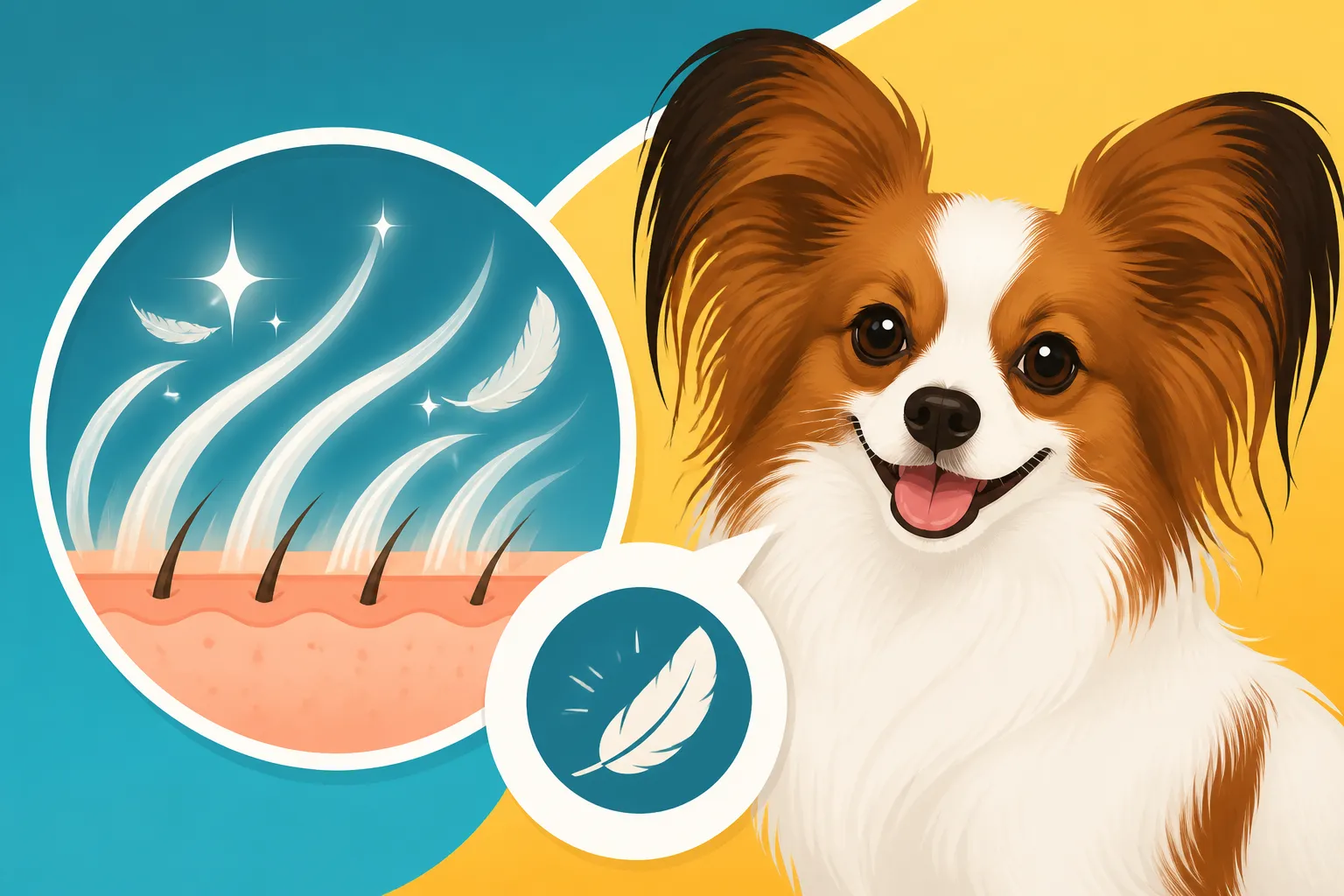
A Papillon's coat is primarily composed of what we often refer to as "guard hairs." These are the longer, more robust strands that make up the outer protective layer on most animals. For a Papillon, however, these guard hairs are all there is. They are fine, silky, and flow beautifully, especially on the ears, chest, and tail, creating what we lovingly call "feathering" or "fringes." These areas are where the coat truly shines, giving the breed its distinctive look. There's no woolly, dense layer underneath, no short, crimped hairs packed closely to the skin. It's just that single, glorious length of silky hair. You can delve more deeply into the specific composition by reading What a Papillon's Coat Is Made Of.
This single-layer structure means that while the coat can grow quite long – sometimes trailing elegantly on the ground, especially on the tail and culottes – it remains relatively lightweight and airy. It doesn't have the bulk or density that a double coat would provide. Imagine brushing through a fine silk scarf versus a thick wool blanket; the experience is entirely different. This lightness contributes to the Papillon's delicate, graceful appearance, but it also has practical implications for their comfort and care, which we'll explore further.
The Difference Between Hair and Fur in Papillons
The terms "hair" and "fur" are often used interchangeably, but in the canine world, they can sometimes indicate different coat characteristics, particularly concerning shedding and texture. While scientifically, it's all hair, dog fanciers often use "hair" to describe coats like the Papillon's: single-layered, silky, and typically with a slower growth cycle and less dramatic shedding. "Fur," on the other hand, is often associated with double coats, which have a dense undercoat that sheds profusely in seasonal "blows."
Because Papillons lack that insulating undercoat, their shedding tends to be more consistent and less noticeable than a dog with a heavy double coat. You won't find tumbleweeds of fuzz rolling across your floor every spring and fall, but rather a more gradual, lighter shedding throughout the year. This is a common point of appreciation for Papillon owners, especially those who prefer less intense clean-up. However, it's important to remember that "less noticeable" doesn't mean "no shedding." Even a Papillon sheds their beautiful hair, just without the added volume of an undercoat. If you're wondering about the specifics, we've got a whole article on Why a Papillon With No Undercoat Still Sheds. This characteristic also leads some to mistakenly believe Papillons are hypoallergenic, a topic we'll touch on later.
The Genetics Behind the Single Coat Trait
The unique coat of the Papillon isn't just a happy accident; it's the result of centuries of selective breeding and specific genetic traits. Like eye color or ear set, coat type is inherited, and for the Papillon, breeders have long favored the elegant, single layer we see today.
Evolutionary Advantages of a Single Coat
While many breeds developed their thick double coats for survival in harsh climates – think of the Alaskan Malamute or the Siberian Husky – the Papillon's ancestors, the dwarf spaniels of Europe, evolved primarily as companion animals for nobility. Their role was less about hunting or guarding and more about providing warmth, comfort, and beauty in opulent indoor settings. For a dog living primarily indoors, often pampered and carried, a heavy, insulating undercoat wasn't a necessity. In fact, a lighter coat would have been more comfortable in the heated, often stuffy, environments of castles and mansions.
This meant that the evolutionary pressure wasn't on extreme weather protection, but rather on traits that made them ideal lapdogs and decorative companions. A silky, easy-to-manage (comparatively speaking) single coat fit this purpose perfectly. It was less prone to collecting burrs from wild undergrowth and easier for human attendants to keep clean and presentable for their aristocratic owners. This historical context provides crucial insight into why the Papillon's coat developed the way it did: it suited their lifestyle and their human companions' preferences.
Breeding for a Specific Coat Type
Over generations, discerning breeders meticulously selected dogs with the desired single-coat trait, gradually refining the Papillon into the breed we know today. This was not just about aesthetics; a consistent coat type is a breed standard requirement. Breeders aimed for that characteristic flowing, silky texture and the absence of a harsh or woolly undercoat. They understood that the integrity of the coat was paramount to the breed's identity.
Genetic markers associated with coat texture and presence/absence of an undercoat play a crucial role. Responsible breeders today continue to prioritize these traits, ensuring that Papillon puppies maintain the breed's distinctive coat. When seeking a puppy, a reputable breeder will be able to discuss the lineage and the consistency of the coat type in their lines. This dedicated breeding ensures that the "butterfly dog" continues to carry its hallmark of a gorgeous, single-layer coat, a direct link to its luxurious past.
The Practical Implications of Having No Undercoat
Having a single-layer coat certainly defines much of the Papillon's charm, but it also dictates a specific approach to their daily care. Understanding these implications is key to keeping your dog comfortable, clean, and healthy.
Grooming Routines and Tools for Single-Coated Papillons
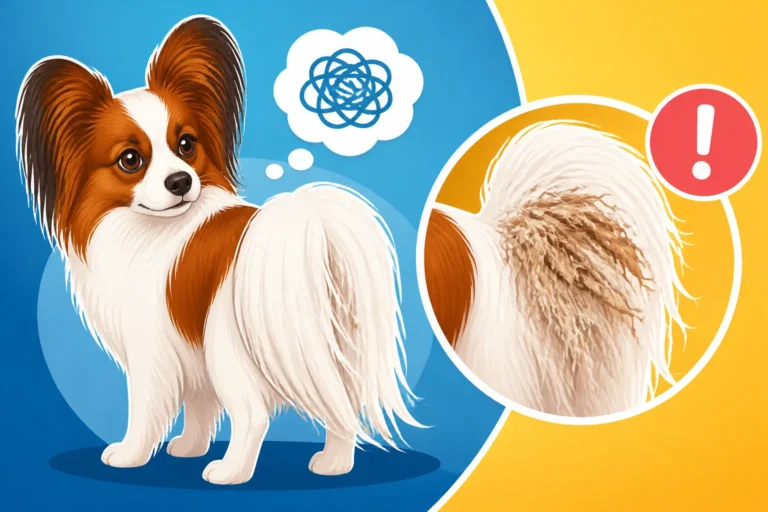
Because a Papillon's coat lacks the dense undercoat that often traps dirt and dander, you might assume they need less grooming. However, the truth is, while they may not require the intense de-shedding sessions of a double-coated breed, regular grooming is still essential. Their long, fine hair can tangle easily, especially behind the ears, under the "armpits," and in their culottes (the feathering on their hindquarters). Neglecting these areas can quickly lead to painful mats that can pull on their skin.
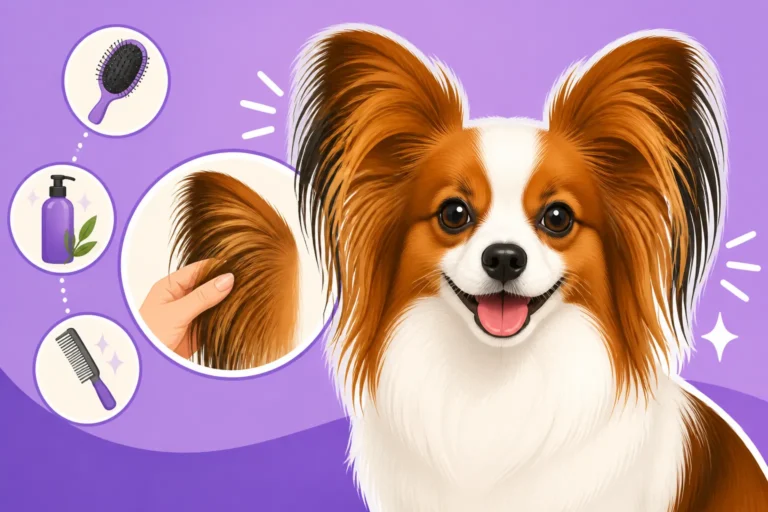
A daily or every-other-day brushing routine with the right tools is your best friend. A good quality pin brush, often found on sites like Chewy or Amazon, is excellent for working through the longer fringes, while a metal comb with both fine and wide teeth can help you meticulously check for and gently tease out any nascent tangles. Always brush gently, working from the ends of the hair towards the root, and never pull on mats. You might also want to use a detangling spray to make the process smoother and prevent breakage. For more detailed advice on selection, check out Which Brush a Papillon Needs. Regular brushing also helps to distribute natural skin oils, keeping the coat healthy and shiny, and removes any loose hairs before they can settle on your furniture.
Shedding Patterns in a Single-Coated Breed
It's a common myth that single-coated dogs don't shed. They absolutely do! However, the nature of their shedding is quite different. Instead of large clumps of undercoat being "blown" seasonally, a Papillon's single coat sheds individual hairs more gradually and consistently throughout the year. Think of it like human hair – you lose strands every day, but it's not a dramatic event.
This continuous shedding means that while you won't experience those seasonal deluges of fur, you'll still find some Papillon hairs around your home. The good news is that these fine hairs are often less intrusive than the dense, sticky fur of double-coated breeds. Regular brushing, as mentioned, is your primary defense against excessive shedding around the house. It captures the loose hairs before they have a chance to land on your clothes or upholstery. For those concerned about managing shedding, understanding Why a Papillon With No Undercoat Still Sheds will offer further clarity. Overall, while shedding is a factor, it's generally much more manageable for a single-coated Papillon owner.
Protecting Your Papillon from the Elements
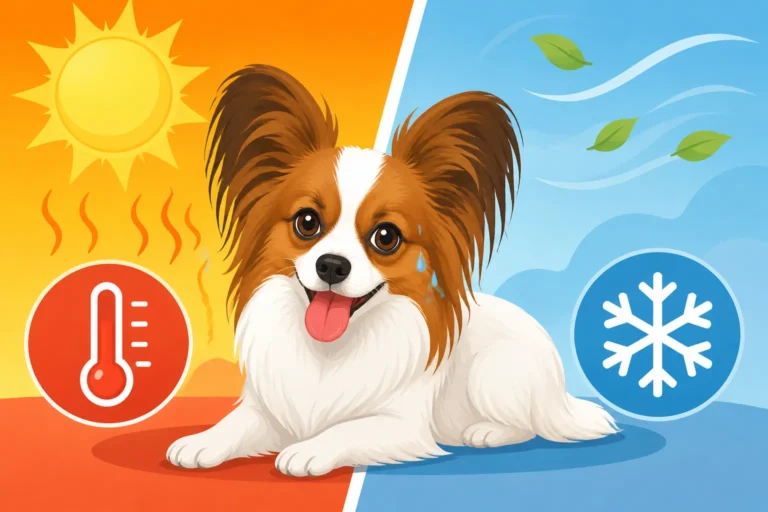
The absence of an undercoat makes Papillons particularly sensitive to extreme temperatures. They don't have that built-in insulation layer, meaning they can get cold much faster in winter and overheat more easily in summer compared to their double-coated cousins.
Cold Weather Considerations
When the temperatures drop, your Papillon needs extra protection. That beautiful, flowing single coat simply isn't designed to keep them warm in freezing conditions. Imagine wearing a silk blouse in a snowstorm – it might look elegant, but it offers little practical warmth! For short potty breaks, a quick dash outside might be fine, but for any extended time outdoors, even a brisk walk, a warm dog coat or sweater is a necessity. Look for options that cover their chest and belly, as these areas are particularly vulnerable to cold. Many excellent choices are available from retailers like Chewy or Amazon.
Beyond just wearing a coat, you'll need to be mindful of their general exposure to cold. Avoid leaving them unattended in cold cars, even for a few minutes. If you have them on a walk during chilly weather, watch for signs of shivering, reluctance to move, or hunching over, which all indicate they are uncomfortably cold. Inside the home, ensure they have cozy beds and blankets where they can burrow to stay warm. A deeper dive into this topic can be found in Whether a Papillon Needs a Coat in Winter and Whether a Papillon Feels the Cold. Their small size, combined with the lack of an undercoat, makes them much more susceptible to hypothermia than a larger, double-coated breed.
Hot Weather Considerations
Conversely, while a light coat might seem like an advantage in heat, the Papillon can still overheat rapidly, especially with exertion or in direct sun. Their coat, while thin, still covers their body, trapping some heat. Plus, their small size means they have a higher surface area to volume ratio, making them susceptible to rapid temperature changes. They can't just "shed" their undercoat to lighten up for summer.
During hot weather, ensure your Papillon always has access to fresh, cool water. Limit outdoor activities to the cooler parts of the day, early morning or late evening. Avoid walking on hot asphalt, which can burn their delicate paw pads. Provide plenty of shade if they are outdoors, and never, ever leave them in a parked car, even with the windows cracked – temperatures inside a car can skyrocket to dangerous levels in minutes. Indoor air conditioning or fans can be vital to their comfort. Knowing Whether a Papillon Overheats can help you recognize the signs and act quickly. Their single coat, while not as insulating as a double coat, still requires careful management in both cold and hot extremes.
Comparing Papillon Coat Care to Double-Coated Breeds
Understanding that your Papillon has a single coat truly changes the entire approach to their care, particularly when you compare it to the needs of a double-coated breed. The differences are more than just cosmetic; they impact everything from bathing to environmental protection.
Grooming Differences
Let's talk grooming. If you've ever owned a Golden Retriever or a Shetland Sheepdog, you know the drill: regular de-shedding tools, frequent brushing to prevent matting in the dense undercoat, and often a lot of loose fur. With a Papillon, the focus shifts. You won't be tackling a thick, woolly layer that sheds in massive seasonal bursts. Instead, your primary goal is to prevent tangles and mats in their long, silky outer coat.
For a Papillon, brushing needs to be thorough but gentle. The fine texture of their hair means it can tangle easily, especially in high-friction areas like behind the ears, in the "armpits," and in the culottes on their hind legs. A good quality pin brush followed by a metal comb is usually sufficient for daily maintenance. You'll likely spend less time raking out dead undercoat and more time carefully separating strands and ensuring the long fringes remain untangled. Bathing a Papillon is also generally quicker; without the dense undercoat to saturate and dry, their hair washes and dries much faster. However, proper conditioning is crucial to keep their single coat soft and prevent breakage. Many grooming supplies, from brushes to gentle shampoos, can be easily found on platforms like Amazon or Chewy.
Environmental Vulnerabilities
This is perhaps the most significant difference between single and double-coated breeds. A double-coated dog comes with its own built-in heating and cooling system: the undercoat acts as insulation, trapping air to keep them warm in winter and helping to regulate body temperature in summer by creating a buffer against heat. A Papillon lacks this natural buffer.
This means your Papillon is far more vulnerable to temperature fluctuations. In winter, they rely almost entirely on external protection – coats, sweaters, and a warm indoor environment – to stay comfortable. They can't fluff up an undercoat for extra warmth. In summer, while their single coat might seem cooler, it still absorbs some heat, and without the insulating air pockets of an undercoat, they can still overheat rapidly, especially during exercise. This makes diligent monitoring of weather conditions and providing appropriate attire or cooling measures absolutely essential for Papillon owners, much more so than for owners of breeds with robust double coats. You essentially become their personal climate control system!
Common Misconceptions About the Papillon's Feathering
Because of its unique characteristics, the Papillon's coat often leads to a few common misunderstandings, especially for those new to the breed or accustomed to other types of dogs. Clearing these up can help you better appreciate and care for your Papillon.
"Hypoallergenic" Claims and Reality
One of the most frequent misconceptions about breeds with single coats, like the Papillon, is that they are "hypoallergenic." This idea stems from the belief that because they shed less noticeably or lack an undercoat, they produce less dander, which is often the primary allergen for people. While it's true that many individuals with mild dog allergies find Papillons easier to live with compared to heavy-shedding, double-coated breeds, it's crucial to understand that no dog is truly 100% hypoallergenic.
All dogs produce dander, saliva, and urine, all of which contain the proteins that trigger allergic reactions. A Papillon's single coat might mean less dander is trapped and shed into the environment, but it's still present. Their silky hair itself can also carry allergens. So, while they might be a better choice for some allergy sufferers, they are not a guaranteed solution. It's always recommended for allergic individuals to spend time with a Papillon before committing to ownership to see how they react. We address this further in Whether a Papillon Suits an Allergy Household. It's about managing expectations and understanding the science behind allergies.
The "Delicate" Appearance Versus Durability
Looking at a Papillon's delicate bone structure and long, flowing coat, many people might assume the breed itself is fragile or that their coat is extremely high-maintenance. This is another common misconception. While their appearance is undeniably elegant and refined, Papillons are surprisingly hardy and robust little dogs with a spirited nature. Their bone structure, though fine, is sound when properly bred.
And as for their coat being delicate, while it requires regular grooming to prevent tangles and mats, it's not as fragile as it might seem. Their hair is quite strong and resilient with proper care. It doesn't typically break or become brittle easily if kept clean, brushed regularly, and nourished with a good diet. In fact, many Papillon owners find that maintaining their dog's coat takes less time than they initially anticipated, usually just a short, consistent daily brushing session. If you're curious about the actual time commitment, take a look at Why a Papillon's Long Coat Takes Twenty Minutes a Week. The key is consistency, not excessive effort. Don't let their dainty looks fool you; Papillons are full of life and their coats, while beautiful, are designed to keep up with their active personalities.
Grooming and Care Essentials for the Single-Coated Papillon
Maintaining that stunning Papillon coat is more about consistency and using the right techniques than it is about spending hours in intense grooming sessions. Knowing what your single-coated friend truly needs will make all the difference.
Daily Brushing: The Cornerstone of Coat Health
As we've discussed, daily brushing is non-negotiable for a Papillon. Their long, fine, single coat is prone to tangling, especially in areas where friction occurs, such as behind the ears, in the "armpits," and on their culottes (the feathered pants on their hind legs). Without an undercoat to provide bulk, tangles can quickly tighten into painful mats that pull on their delicate skin.
Your brushing routine should be thorough yet gentle. Start by using a good quality pin brush to gently work through the longer sections of their coat, lifting the hair and removing any loose strands. Then, follow up with a metal comb, working systematically through the coat from the skin outwards. Pay special attention to those high-friction areas. If you encounter a tangle, don't yank! Gently separate the hairs with your fingers or the wide-toothed side of your comb. A conditioning spray can also be immensely helpful in detangling and preventing static. Many Papillon owners find that doing this while watching TV or just relaxing with their dog makes it a pleasant bonding experience. Regular brushing also helps distribute their natural skin oils, promoting a healthy, shiny coat, and minimizes the amount of hair shed around your home. For specific guidance, revisit How Often a Papillon Needs Brushing.
Bathing and Drying Techniques
Bathing a Papillon doesn't need to be an Olympic event, but it does require some attention to detail. Since they lack an undercoat, their hair saturates quickly, and conversely, dries relatively fast. However, using the wrong products or techniques can strip their coat of its natural oils or cause tangles.
Always use a high-quality dog shampoo and conditioner, formulated for long or silky coats. Avoid harsh detergents that can dry out their skin and coat. Before bathing, give them a thorough brush to remove any existing tangles; water will only make mats tighter and harder to remove. Lather gently, focusing on areas that get dirtiest, like their feet and underbelly. Rinse meticulously to ensure no shampoo residue is left behind, as this can irritate the skin and dull the coat. After bathing, gently squeeze excess water from their coat, then blot with a towel – don't rub vigorously, as this can create tangles. Many owners then use a low-heat blow dryer, brushing the coat as they dry it to achieve that smooth, flowing look and prevent any remaining dampness from causing issues. Air drying can lead to tangles and takes much longer. Consider that a good dryer or grooming table could be found on Amazon to make the process smoother.
Paw and Nail Care for a Single-Coated Papillon
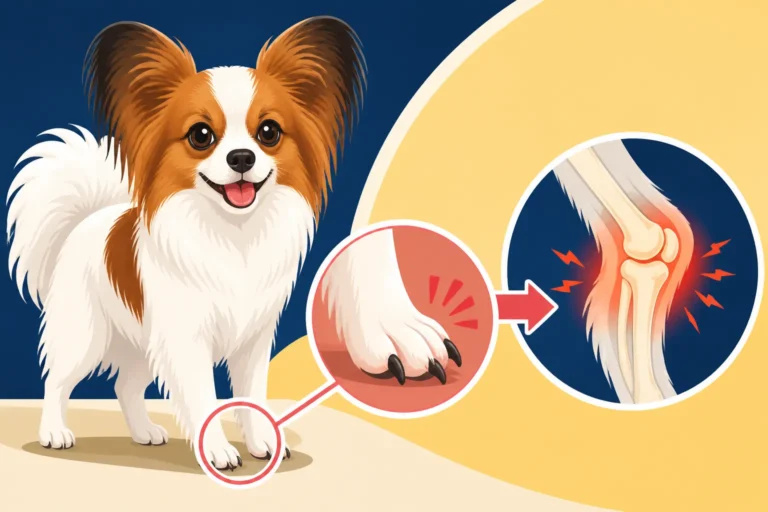
While not directly related to the absence of an undercoat, paw and nail care are crucial for a small, active breed like the Papillon, and often overlooked. Their delicate feet are covered in fine hair, and their nails grow quite quickly. Long nails can alter their gait, causing discomfort, and over time, can even contribute to orthopedic issues like luxating patellas, a common Papillon concern.
Regular nail trims, typically every 2-4 weeks, are essential. If you can hear their nails clicking on the floor, they're too long. If you're nervous about trimming, your vet or a professional groomer can easily do it. Additionally, the hair between their paw pads can grow long and collect debris, leading to discomfort or slipping on smooth floors. Gently trimming this hair flush with the paw pads will keep them more comfortable and sure-footed. Introducing these routines early in puppyhood will make them much more tolerable for your Papillon as they grow. This attention to detail ensures their physical well-being, complementing their exquisite coat.
Nutrition and Environmental Considerations for a Papillon's Coat
Just like with any living thing, what goes into your Papillon can profoundly affect what you see on the outside, especially their coat. Beyond diet, their environment plays a huge role in maintaining their signature silky texture.
Diet's Role in a Healthy Papillon Coat
A dull, dry, or brittle coat is often one of the first indicators that something might be amiss with a dog's diet. For a Papillon, whose coat is so prominent, good nutrition is paramount to maintaining its signature silkiness and luster. Quality food provides the building blocks for healthy hair growth.
Look for a well-balanced dog food with high-quality protein sources, as protein is the main component of hair. Essential fatty acids, particularly Omega-3 and Omega-6, are also incredibly important for skin and coat health. These often come from sources like fish oil, flaxseed, or certain animal fats. Many premium dog food brands, including those found on platforms like Ollie or Chewy, specifically formulate their recipes to promote healthy skin and coat. If your Papillon's coat seems lackluster despite good grooming, consult your vet about their diet. They might suggest a specific supplement, like fish oil, to boost those beneficial fatty acids. A healthy internal system truly radiates outwards, making a noticeable difference in the texture and shine of your Papillon's beautiful single coat.
Climate Control and Coat Protection
Because their single coat offers limited insulation, Papillons are uniquely sensitive to environmental extremes, making thoughtful climate control a critical aspect of their care. This means being proactive, rather than reactive, to weather changes.
In colder climates, coats and sweaters are not just accessories; they are necessities for any outdoor excursions. Even a short walk in chilly weather can quickly make a small Papillon uncomfortable, leading to shivering and a reluctance to move. Indoors, ensure they have draft-free, warm sleeping areas, perhaps a cozy bed with blankets for burrowing. For hot climates, the concern shifts to preventing overheating. While their single coat might seem less insulating, it still covers their body and can contribute to heat retention. Provide plenty of shade, access to cool water, and limit strenuous activity to cooler parts of the day. Never leave a Papillon in a car, even for a moment, on a warm day. Their lack of an undercoat means they rely heavily on you to manage their exposure to the elements, acting as their personal thermostat. Being mindful of these needs helps protect their overall health and ensures their coat remains vibrant and undamaged by environmental stress.
Troubleshooting Common Papillon Coat Issues
Even with the best care, a Papillon's coat can sometimes present challenges. Knowing how to identify and address common issues specific to their single-layered hair can save you and your pup a lot of frustration.
Dealing with Tangles and Mats
Tangles and mats are the bane of any long-haired dog owner's existence, and Papillons are no exception. Their fine, silky, single coat is particularly prone to knotting, especially in areas of high friction. If left unchecked, small tangles can quickly escalate into tight, painful mats that pull on the skin and can even lead to skin infections underneath.
The key to prevention is consistent daily brushing, as we’ve emphasized. However, if you find a mat, resist the urge to pull or cut it out with scissors without caution. Instead, arm yourself with a good detangling spray (you can find excellent options on Amazon), a metal comb, and potentially a mat splitter. Apply the detangling spray directly to the mat, let it soak in for a minute, then gently work at the edges of the mat with the wide-toothed side of your comb or your fingers, teasing out small sections of hair. Work slowly, patiently, and always support the skin at the base of the mat to minimize pulling. For very tight mats, a professional groomer is your best bet, as they have specialized tools and techniques to remove them safely without injuring your dog. You can learn more about how to manage specific coat areas in Whether a Papillon's Chest Frill Mats and Whether a Papillon Mats Behind the Ears.
Dryness, Brittleness, and Static
A Papillon's single coat, while beautiful, can sometimes suffer from dryness, brittleness, or excessive static, especially in dry environments or during winter months. These issues often indicate a lack of moisture or essential fatty acids, either internally or externally.
If your Papillon's coat feels dry or brittle, first evaluate their diet. Ensure they are receiving a high-quality food rich in Omega-3 and Omega-6 fatty acids. Adding a fish oil supplement, after consulting with your vet, can often work wonders for improving coat health from the inside out. Externally, use a moisturizing shampoo and conditioner during baths, and consider a leave-in conditioner or coat oil designed for dogs. For static electricity, which can be particularly annoying and lead to more tangles, using an anti-static spray before or during brushing can be very effective. Humidifiers in your home can also help, especially during dry winter months, by adding moisture to the air and reducing static buildup. If the problem persists, it's always wise to consult your veterinarian, as severe skin or coat issues can sometimes be symptoms of underlying health conditions that need attention.
Papillon Coat Lifespan and Changes
A Papillon's coat isn't static; it evolves as they move through different life stages. Understanding these changes can help you adjust your care routine accordingly, ensuring their coat remains a crowning glory throughout their years.
Coat Development from Puppy to Adult
A Papillon puppy's coat is generally softer and shorter than an adult's, lacking the full feathering that develops later. It’s adorable, of course, but it’s just the beginning! As they grow, their coat will gradually lengthen and thicken, with the signature fringes on their ears, tail, and legs becoming more prominent. This transition typically happens over the first year to 18 months of their life. You might notice slight changes in texture or even color intensity during this period.
During this developmental phase, consistent, gentle grooming is paramount. It's the perfect time to get your puppy accustomed to being brushed, bathed, and handled all over. Regular positive experiences with grooming tools and routines will set them up for a lifetime of stress-free coat care. Remember that while their adult coat is developing, it's still a single layer, so keep an eye on temperature regulation even for playful pups. Being patient and diligent during this time will ensure their magnificent adult coat comes in beautifully and is a joy to maintain. The article The Age a Papillon's Adult Coat Arrives provides more detail on this transformation.
Coat Changes in an Aging Papillon
As your Papillon enters their senior years, typically around 10-12 years old, you might observe subtle changes in their coat. Just like humans, older dogs can experience shifts in hair texture, thickness, and even color. Their once vibrant and silky coat might become a bit thinner, coarser, or perhaps even softer and more sparse in certain areas. You might also notice some graying, particularly around the muzzle and eyes.
These changes are a natural part of the aging process. While they don't necessarily indicate a health problem, they do warrant a slight adjustment to your grooming routine. Older dogs might be less tolerant of long grooming sessions, so breaking them into shorter, more frequent bursts can be helpful. Their skin can also become more delicate, so extra gentleness during brushing is key. A good quality, moisturizing shampoo and conditioner can help maintain the coat's condition. Additionally, ensuring they're on a senior-appropriate diet that supports skin and coat health is more important than ever. Observing these changes and adapting your care ensures your beloved Papillon remains comfortable and looks their best, regardless of their age. You can learn more about general care for older Papillons in Caring for a Papillon Past Eleven.
Here is a quick comparison table summarizing the key differences in coat types:
| Feature | Papillon (Single Coat) | Double-Coated Breed (e.g., Shetland Sheepdog) |
|---|---|---|
| Coat Layers | Single layer of guard hairs | Dense undercoat with coarser guard hairs |
| Texture | Silky, fine, flowing | Often soft/woolly undercoat, harsh outer coat |
| Shedding | Consistent, lighter, year-round | Seasonal "blows" of undercoat, heavy shedding |
| Grooming Focus | Detangling, preventing mats, maintaining silkiness | De-shedding undercoat, preventing mats |
| Insulation | Low; relies on external protection | High; natural insulation against cold and heat |
| Drying Time | Faster | Slower, due to dense undercoat |
| Allergy Impact | Potentially better for mild allergies | Generally more allergenic due to dander trapping |
Disclaimer
This article is for general informational purposes only and does not constitute professional advice. Laws, prices and regulations vary by location and change over time. Consult a qualified professional for guidance on your specific situation.