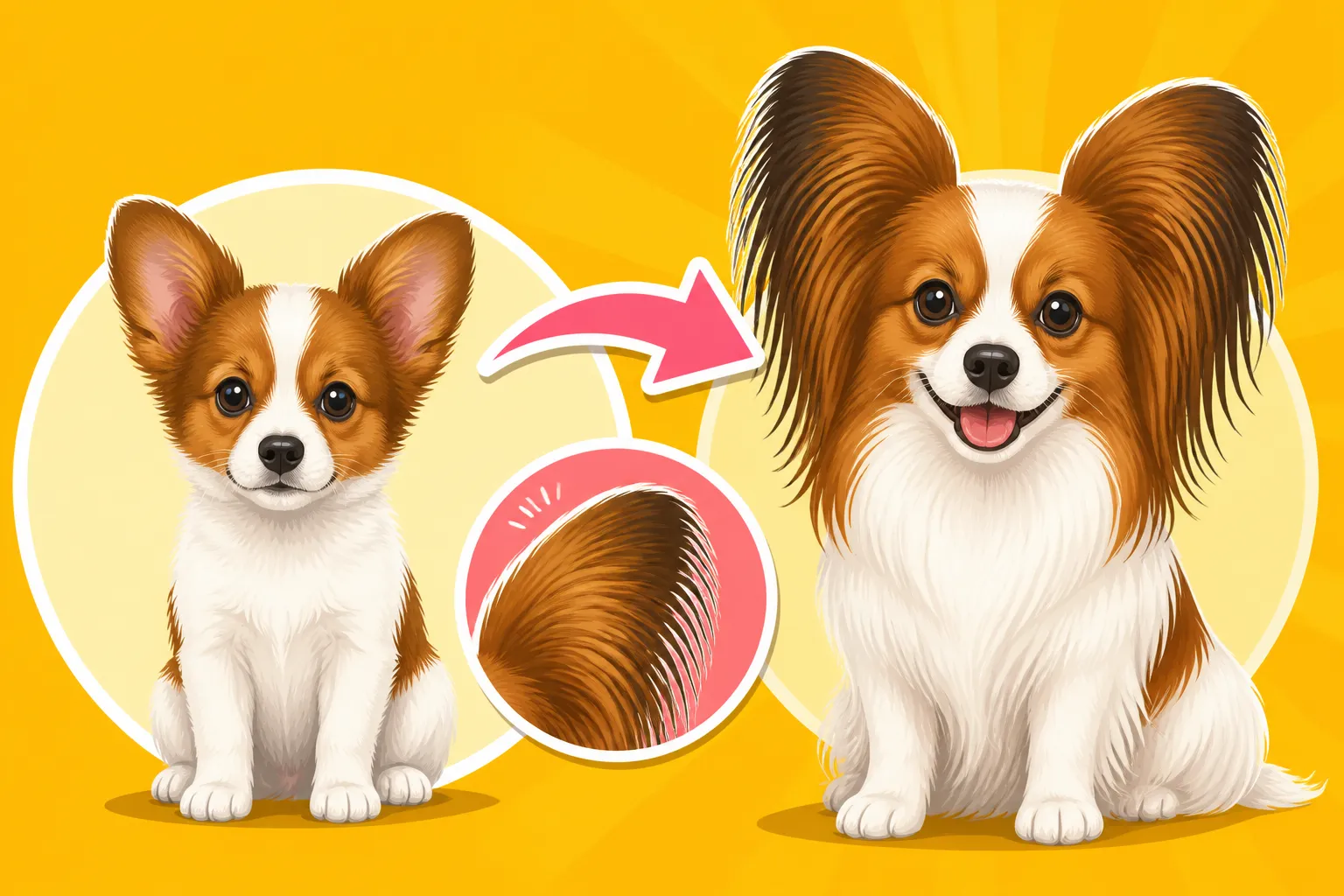
When a Papillon’s Ear Fringe Grows In
Oh, the joy (and sometimes the anxiety!) of watching those adorable Papillon ears develop. Many of us eagerly anticipate the day our little butterfly dog sports those magnificent, flowing ear fringes, and it can feel like forever waiting for them to reach their full glory. It's a common worry, wondering if they're growing correctly or fast enough. This guide is here to walk you through the entire journey of your Papillon's ear fringe growth, from those wispy puppy hairs to the majestic feathering that gives them their iconic look.
The Iconic Butterfly Ears: What Makes Them Special
There's no mistaking a Papillon, is there? That elegant, alert expression, those dark, intelligent eyes, and, of course, those magnificent ears. It's the very feature that lends them their name, "Papillon," French for "butterfly." But it's not just the shape of their ears; it's the luxurious, flowing fringe that truly completes the butterfly illusion, making them one of the most distinctive and beautiful toy breeds. This delicate feathering isn't just for show; it's a defining characteristic of the breed standard.
The Papillon's Name and Distinctive Feature
The name "Papillon" perfectly captures the breed's most striking feature: those large, erect ears, carried obliquely like the spread wings of a butterfly. But a butterfly's wings aren't just bare membranes, are they? They're adorned with intricate patterns and delicate scales. For our canine companions, this adornment comes in the form of the glorious ear fringe. This long, silky hair, starting at the base and flowing over the ear leathers, enhances the shape, making the ears appear even larger and more expressive. It frames their intelligent little faces, adding to their dainty, yet undeniably regal, appearance. Without that fringe, they'd simply be a dog with big ears, losing much of their charm and signature look.
The ear fringe isn't just aesthetically pleasing; it's often softer and finer than the body coat, requiring its own special attention as it develops. It’s the crowning glory, literally, and contributes significantly to the overall impression of grace and elegance that Papillon enthusiasts adore. The way it moves when they cock their head, or bounces as they trot, is just captivating.
Early Stages: From Floppy to Fabulous
When a Papillon puppy first enters the world, those iconic ears are not yet standing proudly. Just like many other breeds, they are born with soft, floppy ears that lie flat against their heads. This is completely normal and part of their natural development. Over the first few weeks and months, the cartilage in their ears begins to firm up, gradually allowing them to stand erect. This process usually starts around 3-4 weeks of age and can continue, with ears flopping up and down, sometimes one at a time, until around 3-4 months old, though some might take a little longer.
During this initial ear-rising phase, the hair on the ears is still primarily puppy fluff – soft, fine, and not yet the long, flowing fringe we anticipate. While there's always some hair, it's not the dramatic feathering that will eventually cascade from their ears. The focus during these early months is primarily on the structural development of the ear itself, getting those "butterfly wings" to stand up correctly. The true journey of the magnificent fringe, in its full length and density, begins a little later, after the ears have largely settled into their upright position.
The Timeline of Fringe Development: When the Magic Starts
The question "When does a Papillon's ear fringe grow in?" is one that delights and, let's be honest, sometimes frustrates new Papillon owners. It's not a sudden event, like a light switch, but rather a gradual, enchanting process that unfolds over many months. Understanding this timeline can help manage expectations and appreciate each stage of your furry friend's transformation.
The First Glimmer: Noticing Initial Feathering
You'll likely start to notice the very first signs of distinct ear feathering emerging around 3 to 4 months of age, sometimes a little earlier or later depending on the individual puppy and their genetic makeup. At this stage, it won't be the luxurious mane you see on adult Papillons. Instead, look for finer, slightly longer hairs beginning to sprout from the edges and inner surfaces of the ear leather. These initial wisps are often quite delicate, maybe a bit softer and less dense than the body coat that's coming in.
Think of it as nature's subtle hint of the grandeur to come. These first feathers might appear almost translucent in certain lights, contrasting with the denser, shorter puppy fur on the rest of their ears. It’s not uncommon for one ear to seem a little further along than the other, which is just another part of their unique, slightly lopsided puppy charm. This stage is exciting because it signals the beginning of the journey towards those iconic butterfly ears.
Steady Growth Through Puppyhood and Adolescence
Once those first wisps appear, the ear fringe growth enters a period of steady, albeit often slow, progression. From about 4 months up until 8-10 months, you'll observe the fringe lengthening and gradually increasing in density. This isn't a race; it's more like watching a beautiful plant slowly unfurl its leaves. The growth isn't uniform or rapid, which can sometimes lead to an "awkward teenage phase" where the fringe might look a bit scraggly, uneven, or not quite as full as you might imagine. This is perfectly normal!
During these months, your Papillon is also growing in their adult coat on the rest of their body, and all that energy is going into overall development. The ear fringe, while continually growing, may not seem to "fill out" as quickly as you'd like. Consistency in gentle grooming becomes important here, not just for aesthetics but to prevent any developing tangles from impeding growth or pulling out delicate new hairs.
Reaching Full Splendor: The Adult Ear Fringe
So, when does the ear fringe truly finish growing and reach its maximum length and density? For many Papillons, that full, rich, long ear fringe that defines the breed isn't fully developed until they are between 18 months and 2 years old. In some cases, especially for those with genetics for truly profuse feathering, it can even take a bit longer to achieve peak magnificence. This means you’ll be enjoying the gradual evolution of their ears for quite some time after their puppy days are over.
It's around this same period that the rest of their long, silky adult coat truly arrives and matures. The Age a Papillon's Adult Coat Arrives on their body generally aligns with the full development of their ear fringe, as both are part of their overall coat maturation. The fringe will become thicker, the individual hairs longer and more lustrous, and it will cascade beautifully over their ears, creating that stunning butterfly effect. So, if your young Papillon's fringe still looks a bit thin or short, remember that patience is a virtue when it comes to coat development!
Factors Influencing Ear Fringe Growth
While we all hope for that glorious, abundant ear fringe on our Papillons, it's important to understand that several factors play a role in how quickly and how profusely it grows. It's not just about waiting; it's a combination of genetics, health, and a bit of environmental influence.
Genetic Predisposition and Lineage
Without a doubt, genetics are the primary determinant of your Papillon's ear fringe. Just like people inherit hair color and texture, dogs inherit their coat characteristics from their parents. Some Papillon lines are simply bred to have more profuse, longer, and denser ear feathering than others. If your puppy's parents (and grandparents, if you know their history) have magnificent fringes, your puppy has a strong genetic likelihood of developing similar feathering.
Conversely, if the genetic predisposition isn't there for a super abundant fringe, no amount of special care will turn sparse hair into a dense waterfall of silk. This is why a reputable breeder will often show you pictures of the parents or even allow you to meet them; it gives you a glimpse into what your puppy might grow up to look like. So, while you can optimize conditions, you can't fundamentally change their genetic blueprint.
The Role of Nutrition and Overall Health
While genetics lay the foundation, proper nutrition and overall health are crucial building blocks for strong, healthy hair growth, including the ear fringe. A dog that is well-fed with a balanced diet, rich in high-quality proteins, essential fatty acids (like Omega-3s and Omega-6s), and vitamins, will generally have a healthier, more lustrous coat. These nutrients are vital for skin health, which directly impacts hair follicle development and strength.
On the flip side, if a Papillon puppy or adult is experiencing nutritional deficiencies, is battling parasites, or suffering from an underlying health issue, their coat can suffer. Hair might become brittle, dull, grow slower, or even be sparse. Ensuring your Papillon gets a high-quality diet, perhaps from a brand like Ollie that focuses on fresh, balanced meals, can make a real difference in the vibrancy and health of their coat, including that precious ear fringe. It's not just about growth; it's about the quality of the hair itself.
Hormonal Changes and Spay/Neuter Effects
Hormonal fluctuations can have a noticeable impact on a dog's coat, and the Papillon's ear fringe is no exception. Intact (unspayed or unneutered) dogs often have slightly different coat textures and growth patterns compared to those who have been spayed or neutered. While the effects aren't always dramatic for every individual, some owners report changes in coat texture, density, or even a different shedding pattern after their Papillon undergoes these procedures.
For instance, sometimes a spayed or neutered Papillon's coat can become softer, or in some cases, even a bit cottony, which can affect the appearance and manageability of the ear fringe. It's a subtle change for many, but it's something to be aware of. Whether a Spayed Papillon's Coat Changes can be a concern for owners who prioritize a specific coat texture. These hormonal shifts are a natural part of their biological changes, and while they might influence the quality of the fringe, they generally don't halt its growth entirely.
Navigating the Challenges of Growing Ear Fringe
Waiting for that luxurious ear fringe to fully develop can feel like an eternity, and along the way, it’s natural to encounter some little quirks and worries. It’s part of the journey with any long-coated breed, and particularly with a Papillon whose ears are so central to their charm.
The 'Awkward' Phase and Owner Expectations
Just like human teenagers go through a phase where their hair might not quite cooperate, your Papillon's ear fringe will likely have its own "awkward" stage. During the months of gradual growth, say from 6 months to well over a year, the fringe might not look perfectly symmetrical, evenly dense, or as long as you envision. It can appear thin in places, scraggly, or simply not as full and flowing as the adult dogs you see in photos or at dog shows. This is completely normal!
Many owners get anxious during this period, wondering if their Papillon will ever achieve that magnificent look. Rest assured, unless there's an underlying health issue, it's just a phase of maturation. Their body is putting energy into growing the entire coat, and the delicate ear fringe often takes its sweet time to fill in. Patience is truly key here, and trying not to compare your young pup to a fully mature adult Papillon will save you a lot of unnecessary worry.
Dealing with Tangles and Mats in Delicate Hair
The Papillon's ear fringe, with its fine, silky texture, is unfortunately quite prone to tangling and matting as it grows longer. The delicate hairs can easily catch on things, rub against collars, or simply knot up from everyday movement and static electricity. Mats aren't just unsightly; they can be painful, pulling at the skin and potentially leading to skin irritation or infection if left untreated.
This is why a consistent grooming routine is absolutely essential from an early age. Even if the fringe isn't super long yet, getting your puppy used to gentle brushing will pay dividends as it grows. How Often a Papillon Needs Brushing needs to be a daily or every-other-day affair for the ears, especially. Using the right tools and techniques can make all the difference, preventing those tiny tangles from becoming big, painful mats. It’s far easier to gently brush out a small knot than to deal with a matted clump later on. And remember to brush the ears separately and thoroughly. Whether a Papillon's Ears Should Be Brushed Separately is a common question, and the answer is a resounding yes!
When the Fringe Seems Stunted or Uneven
It can be disheartening if one ear seems to have a gloriously flowing fringe while the other appears sparse, or if neither ear seems to be developing the length and density you expected. There are several reasons why a Papillon's fringe might appear stunted or uneven. As discussed, genetics play a significant role; some dogs are just genetically predisposed to less profuse feathering.
However, sometimes environmental factors can contribute. Persistent rubbing of one ear, perhaps due to an unnoticed ear irritation, an ear infection, or even just habitual scratching, can cause breakage or slow down growth on that side. Minor injuries or rough play could also result in localized hair loss or damage. Why a Papillon's Ear Fringe Is Thin can also stem from underlying health issues, nutritional deficiencies, or hormonal imbalances. If you have concerns about significantly uneven growth or persistent sparseness, especially if accompanied by other symptoms, it’s always a good idea to consult your veterinarian to rule out any medical causes.
Essential Care for a Gorgeous Ear Fringe
A Papillon's ear fringe isn't just born; it's grown and nurtured. To ensure that your Papillon develops the most beautiful, flowing ear feathering possible, a dedicated and gentle care routine is absolutely essential. This isn't just about aesthetics; it's about keeping them comfortable and healthy.
Grooming Tools and Techniques for Delicate Ears
The key to preventing mats and encouraging healthy fringe growth lies in regular, gentle grooming with the right tools. You'll want to invest in a good quality fine-toothed metal comb and a soft pin brush. The pin brush is excellent for gently detangling and smoothing the longer fringe, while the comb is crucial for getting right down to the skin and ensuring there are no hidden tangles. Which Brush a Papillon Needs often includes recommendations for these types of tools.
When brushing, always be delicate. Start at the very ends of the hair and work your way up, holding the hair closer to the base to avoid pulling the delicate skin on the ear. For the intricate areas, a smaller comb is ideal. Which Comb Reaches a Papillon's Skin can make a huge difference, ensuring you're not just brushing the top layer but getting all the way through. Many owners also find a good quality detangling spray, readily available on platforms like Amazon or Chewy, to be invaluable. A light mist can help prevent static, add moisture, and make combing through any minor tangles much easier without causing breakage. This dedication to gentle, thorough brushing needs to be consistent.
Maintaining Cleanliness and Health
Beyond brushing, maintaining the cleanliness and overall health of your Papillon's ears is paramount. The long fringe can sometimes trap debris, dirt, or moisture, which can lead to skin irritation or even ear infections if not addressed. Regularly inspect your Papillon's ears, both the hair and the ear leather underneath, for any signs of redness, unusual discharge, foul odor, or excessive wax buildup.
While the fringe itself doesn't need to be washed daily, routine bathing of your dog, perhaps every few weeks or once a month, helps keep the entire coat clean and fresh. When bathing, be sure to use a dog-specific shampoo and conditioner that won't strip natural oils or irritate their delicate skin. After bathing, thoroughly dry the ear fringe using a cool setting on a blow dryer. How Often a Papillon Should Be Bathed often depends on their activity level and coat type, but consistent ear care is always needed. Using a vet-approved ear cleaner to gently wipe the visible parts of the ear canal can also prevent issues. What to Clean a Papillon's Ears With is an important piece of knowledge for any Papillon owner to have.
Protecting the Fringe from Damage
Long, flowing ear fringe, while beautiful, is also susceptible to damage. It can get caught on furniture, stepped on during play, or even chewed on by another dog or a curious puppy. Think about how easily your own long hair can get tangled or broken. For a Papillon, this delicate fringe is even more vulnerable.
Consider practical measures to protect it. For very active Papillons, or those in environments where their ears might get snagged, some owners gently gather the fringe and secure it with a soft fabric scrunchie or "snood" during playtime or walks through brushy areas. This is especially common for show dogs to keep their fringe pristine. Also, be mindful of environmental factors; extreme cold can make hair brittle, and mud or burrs can quickly create massive tangles. How Long a Papillon's Coat Grows means that the fringe can become quite long, making protection even more vital. Taking proactive steps can help maintain the integrity and beauty of the fringe throughout its growth.
| Age (Approx.) | Ear Fringe Development | What to Expect | Care Focus |
|---|---|---|---|
| Birth – 2 Months | Puppy fluff, ears often floppy | Ears begin to stand up; hair very soft. | Gentle handling; get used to touch. |
| 3 – 4 Months | First wisps of feathering visible | Finer, softer hairs emerge from ear edges. | Introduce very gentle brushing; mat prevention. |
| 5 – 8 Months | Noticeable lengthening and slight increase in density | "Awkward" phase; fringe may look uneven or thin. | Consistent daily brushing; detangling spray. |
| 9 – 18 Months | Continued lengthening and filling in | Fringe gains more body and length, approaching adult look. | Regular thorough grooming; check for mats daily. |
| 18 Months – 2+ Years | Full adult length and density achieved | Fringe is luxurious, flowing, and defines the butterfly ears. | Maintain consistent grooming; protect from damage. |
Encouraging Optimal Ear Fringe Growth
You've got the genetics, you're providing good health, and you're navigating the awkward growth stages. Now, how do you actively encourage that ear fringe to reach its absolute fullest, most glorious potential? It comes down to a blend of thoughtful diet, consistent care, and a good dose of patience.
Diet and Supplements for Coat Health
We've touched on nutrition, but it bears repeating: what goes into your Papillon's body directly impacts the quality of their coat. A diet rich in high-quality animal protein provides the amino acids necessary for strong hair growth. Look for dog foods where a named meat source is the first ingredient. Beyond protein, essential fatty acids, particularly Omega-3s (found in fish oils) and Omega-6s, are crucial for skin and coat health, contributing to shine, softness, and reduced breakage.
Many Papillon owners find that supplementing their dog's diet with a good quality fish oil (like salmon or sardine oil) can make a noticeable difference in coat luster and skin health. However, always consult your veterinarian before adding any supplements to your dog's diet to ensure it's appropriate for their individual needs and won't interfere with their overall health. Remember, a healthy internal system reflects externally in a vibrant, flourishing coat, including that precious ear fringe.
Routine Care for Maximum Length and Density
This is where consistency truly shines. It's not enough to brush your Papillon's ears once a week; for optimal fringe growth and health, a daily or every-other-day routine is best. This consistent, gentle grooming prevents tiny tangles from becoming stubborn mats, which can pull out or break delicate hairs, hindering overall length and density. How Long a Papillon Takes to Brush isn't long if you do it frequently, maybe just a few minutes dedicated to the ears.
Beyond brushing, regular bathing using appropriate shampoos and conditioners for long-coated dogs will keep the hair clean, soft, and less prone to breakage. After bathing, always gently towel dry and then use a cool setting on a blow dryer, brushing the hair as you go. This helps straighten the hair shaft, prevents frizz, and ensures the skin underneath is completely dry, which is important for health. Whether a Papillon Must Be Blow Dried is often recommended for the fringe to get that smooth, flowing look. Also, ensure you are brushing the ears specifically, as Whether a Papillon's Ears Should Be Brushed Separately is crucial for their unique structure.
Patience and Realistic Expectations
Perhaps the most important "tip" for encouraging optimal ear fringe growth is simply patience. Nature takes its course, and while we can provide the best possible conditions, we cannot rush the biological process. Your Papillon's ear fringe will not transform overnight. It will grow in stages, sometimes seemingly pausing, sometimes bursting with new length. Celebrate each milestone, from the first wisps to the increasingly luxurious feathering.
Remember that genetics play a primary role, and while good care can optimize what they have, it cannot change their fundamental genetic potential. Don't fall into the trap of comparing your young Papillon's developing fringe to that of a mature show dog or another Papillon whose lineage might be known for exceptionally profuse feathering. Every Papillon is unique, and their ear fringe will develop into its own beautiful expression. Even a Phalene, with its dropped ears, requires dedicated coat care for its fringe. Whether a Phalene's Ear Fringe Differs is a good reminder that not all Papillon-type dogs have standing ears, but all benefit from good grooming. Enjoy the journey, cherish your dog, and appreciate the magnificent butterfly ears they do develop.
Disclaimer
This article is for general informational purposes only and does not constitute professional advice. Laws, prices and regulations vary by location and change over time. Consult a qualified professional for guidance on your specific situation.