Whether a Papillon Gets Carsick Before a Trial
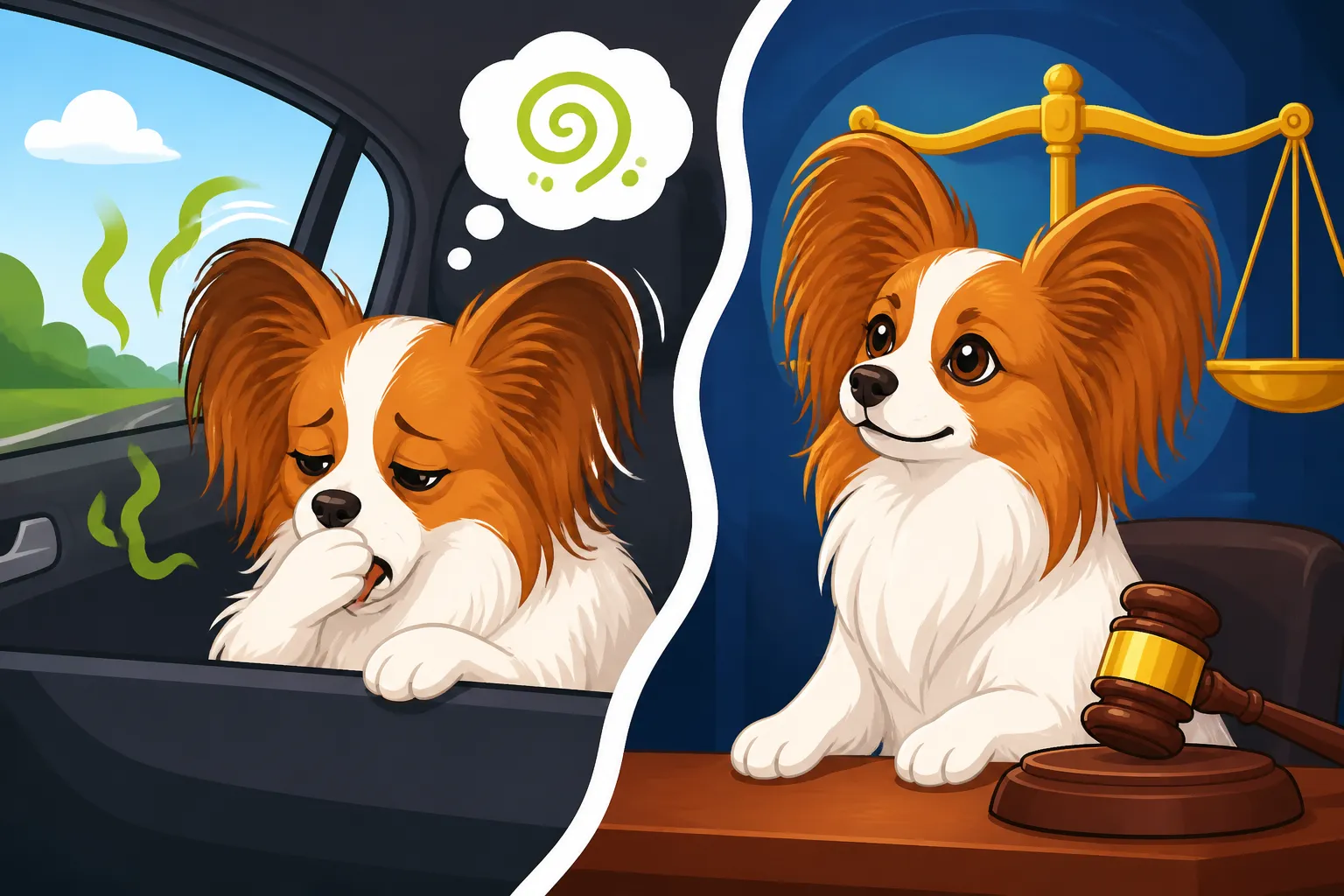
Oh, the sheer frustration of having a Papillon who gets carsick, especially when you're trying to head off to an exciting event like an agility trial! It's supposed to be a fun, bonding experience, and instead, you're dealing with drooling, trembling, or worse, a tiny mess in the crate before you even get out of the driveway. This guide is here to help you understand why your little butterfly might get nauseous and, more importantly, what steps you can take to make car rides, especially those leading to big adventures, much more comfortable for both of you.
Understanding Why Your Papillon Gets Carsick
When it comes to carsickness in dogs, especially small breeds like Papillons, it's rarely just about the motion itself. While the inner ear's vestibular system can certainly get confused by the movement, especially if they can't see out a window or their head isn't stable, there's often a significant psychological component at play. Think about it: a car ride might signal a vet visit, a trip to the groomer, or perhaps, in the case of a trial, a high-stress, albeit exciting, day.
Motion Sickness Versus Anxiety-Induced Nausea
For many dogs, particularly puppies and young dogs, the primary culprit for carsickness is indeed genuine motion sickness. Their vestibular system, which controls balance, isn't fully developed, or they simply haven't learned to compensate for the movement. This often presents as drooling, lip-licking, yawning, and eventually vomiting. However, as they mature, if the carsickness persists, it’s a strong indicator that anxiety is now a major player, or perhaps even the root cause. This is especially true if their car rides are inconsistently associated with positive experiences. For a Papillon going to a trial, the anticipation and excitement, coupled with the enclosed space and motion, can easily tip them into a state of anxious nausea.
Anxiety can manifest in ways that mimic motion sickness, but it often includes additional cues like whining, pacing, trembling, or even trying to hide. They might associate the car with unpleasant experiences, or simply find the confinement and lack of control overwhelming. This is why addressing both the physical sensation of motion and the emotional state is crucial. It's not enough to just give them medication for motion sickness if their little heart is pounding with fear or apprehension.
The Impact of Trial Day Nerves
Trial days are a unique beast when it comes to carsickness. You, the handler, are probably feeling a mix of excitement and nerves, and your Papillon, being the sensitive, intelligent companion they are, picks up on everything. They sense your mood, the change in routine, the unusual sounds of equipment being loaded into the car, and the longer journey. This heightened state of awareness and anticipation can contribute significantly to their pre-trial carsickness.
Even if your Papillon absolutely adores agility and thrives on competition, the stress of the journey can still be immense. It's an internal conflict: they want to go, they want to play, but the ride itself is unpleasant. This creates a really tricky situation where their excitement actually works against them. It's similar to how some humans might feel nauseous before a big presentation or an exciting event—it's not food poisoning, it's their body reacting to stress and adrenaline. We often forget how keenly our dogs tune into our emotions and the environment, and a trial morning is often anything but calm. Considering What Mental Work a Papillon Needs, they are highly intelligent and often very in tune with their owners, making them susceptible to picking up on environmental and emotional cues that can amplify stress.
Recognizing the Signs of Carsickness in Your Papillon
Sometimes, carsickness isn't just a dramatic episode of vomiting. Papillons, being small and often quite stoic, might try to hide their discomfort, or their symptoms might be subtle at first. Learning to read these quieter signals can help you intervene before things get really bad and make the experience much less traumatic for your little companion.
Subtle Cues: More Than Just Drooling
The classic sign of motion sickness is excessive drooling, but before that waterfall starts, you might see more subtle hints. Look for frequent lip-licking or swallowing, as if they're trying to soothe an upset stomach or clear their mouth of saliva. Yawning repeatedly, when they aren't tired, can also be a sign of nausea. Sometimes, you'll see them become unusually still, almost "glued" to their spot, trying not to move, or conversely, they might start to pace restlessly in their crate, unable to settle. A quick glance at their gums might reveal they are paler than usual, indicating a bit of shock or discomfort.
Another subtle cue can be a change in breathing. They might pant lightly, even if the car isn't hot, or their breathing might become shallow and quick. This isn't always obvious but if you know your dog's normal breathing patterns, any deviation can be a red flag. Pay attention to how they interact with you too; a dog that usually leans into you for comfort might turn away, or one that usually sits quietly might start to nudge you for attention, signaling discomfort.
Behavioral Changes: When the Car Becomes the Enemy
Beyond the subtle physical signs, behavioral changes are a huge indicator that your Papillon is struggling. They might start whining softly, a low-level complaint that escalates if ignored. Trembling, even on a warm day, is a classic sign of anxiety or nausea. They might try to hide, pushing themselves into a corner of their crate, under a blanket, or trying to burrow into your lap if they're not secured. Some dogs will refuse treats or even their favorite toy, which is a major red flag for a highly food-motivated Papillon.
If the carsickness has been a recurring issue, you might notice behavioral changes even before they get into the car. They might become reluctant to approach the vehicle, try to pull away on the leash when you get close, or show signs of stress like a tucked tail or flattened ears as soon as the car keys come out. This pre-emptive anxiety, sometimes akin to Signs a Papillon Has Separation Anxiety but focused on the car, is a clear sign that the car itself has become a negative stimulus.
Physical Symptoms: The Unmistakable Mess
Of course, the most undeniable signs of carsickness are physical: vomiting or, less commonly but still possible, diarrhea. If your Papillon is throwing up, it's no longer a subtle issue, and you need to intervene immediately. Vomiting can be a single event or repeated. Diarrhea, especially if soft or loose, can also be a sign of extreme stress or nausea. After a bout of carsickness, your Papillon might appear lethargic or withdrawn, wanting to sleep and recover from the ordeal.
It's important to differentiate between carsickness-induced vomiting and other issues. If your Papillon is vomiting without car travel, or displaying other symptoms like excessive thirst, appetite changes, or changes in urination, it's always best to consult your vet. Conditions like Whether a Papillon Gets Hypoglycemia as a Puppy can also manifest as lethargy and nausea, so ruling out underlying health issues is always a good first step, especially with such a small breed.
| Symptom Category | Subtle Cues | Behavioral Changes | Overt Physical Symptoms |
|---|---|---|---|
| Early Warning | Frequent lip-licking, swallowing, yawning | Restlessness, reluctance to enter car | |
| Moderate | Excessive drooling, light panting | Whining, trembling, seeking to hide | |
| Severe | Pale gums, rapid breathing | Refusing treats/toys, heightened anxiety | Vomiting, diarrhea, post-event lethargy |
Practical Strategies to Prevent or Reduce Carsickness
Dealing with carsickness requires a multi-faceted approach, combining environmental adjustments, behavioral training, and sometimes, medical intervention. The goal is to make the car a neutral or even positive space for your Papillon.
Pre-Travel Preparation: A Calm Beginning
Preparation begins well before you even open the car door. Always ensure your Papillon has had a chance to relieve themselves right before the trip. A full bladder or bowel will only add to their discomfort if they're feeling nauseous. When it comes to food, it's generally best to avoid feeding them a large meal right before a car ride, especially if they are prone to motion sickness. A light snack a couple of hours beforehand might be okay, but many owners find an empty stomach works best. This is where managing Getting a Picky Papillon to Eat might become critical, as you don't want them entirely empty but also not overly full.
Make sure your Papillon is calm before getting into the car. A frantic, excited dog is more likely to experience nausea. Engage in some quiet play or a short, gentle walk to burn off a little excess energy, but nothing too strenuous that would make them over-excited or physically tired. For a trial day, try to keep the morning routine as normal and stress-free as possible.
Acclimatization and Desensitization: Making Friends with the Car
One of the most effective long-term strategies is to gradually introduce your Papillon to the car, making each experience positive. Start with simply letting them explore the parked car, offering high-value treats and praise. Don't even turn the engine on. Once they're comfortable, try turning the engine on for a few minutes while giving treats, then turn it off. Progress to very short trips – literally just backing out of the driveway and pulling back in. Slowly increase the duration and distance of these "happy rides."
The key is to end every session on a positive note, before any signs of carsickness appear. Never push them to the point of nausea during these training exercises. Consistency is vital. Even if your Papillon is an adult who has always struggled, this desensitization process can still yield significant improvements. Think of it like building their confidence, one small, positive step at a time, similar to how you'd train for How Long a Papillon Will Work in a Session in agility; short, positive, and incremental.
Car Setup: Safety and Stability
How your Papillon travels in the car can make a huge difference. A secure, well-ventilated space helps immensely. A sturdy crate or a well-fitting car harness that connects to the seatbelt will prevent them from being jostled around, which can exacerbate motion sickness. For Papillons, a crate that allows them to see out the window (but not be directly in the sun) can sometimes help, as it provides a stable visual reference point. However, for some dogs, seeing too much motion can actually make it worse, so experiment with whether a covered crate works better.
Ensure plenty of fresh air by cracking windows a little (but not enough for them to stick their head out entirely, as wind in the face can be irritating). A cooler car is generally better than a warm one. Avoid strong air fresheners or scents, as these can trigger nausea in sensitive dogs. Many owners find a soft, familiar blanket or toy in the crate provides comfort and absorbs some of the motion. Ensuring their space is stable, rather than bouncing around freely, can greatly reduce the conflict between their eyes and inner ear, which is often a major component of motion sickness. Think about how How a Papillon Rides in a Car affects their comfort and safety.
Dietary Considerations: What and When to Feed
When managing carsickness, what you feed and when you feed it plays a crucial role. As mentioned, avoiding a heavy meal right before travel is usually a good idea. Some Papillons do better on a completely empty stomach, while others benefit from a very light, bland snack a couple of hours before the journey. This might be a few plain crackers or a tiny bit of boiled chicken. You might notice your Papillon becoming a bit of a picky eater if they associate food with subsequent nausea. If your Papillon consistently struggles with car travel, consider discussing their diet with your vet. Some dogs with sensitive stomachs benefit from a fresh food diet, like those offered by Ollie, which can be gentler on their digestive system overall.
Beyond pre-travel meals, it's worth considering their overall diet. A healthy gut can sometimes contribute to better tolerance of motion. Ensuring they are on a high-quality, easily digestible food can make a difference. Many pet stores and online retailers like Chewy offer a wide variety of sensitive stomach formulas that might be beneficial.
Natural Remedies and Calming Aids
For mild cases, natural remedies can sometimes offer relief. Ginger, a well-known anti-nausea herb, can be given in small doses (check with your vet for appropriate amounts). You can find ginger capsules, or even give a tiny piece of fresh ginger. Some dogs respond well to calming supplements containing ingredients like L-theanine, tryptophan, or chamomile. Pheromone diffusers or sprays designed for travel anxiety can also be helpful; a quick spray in their crate before the journey can create a calming atmosphere.
Essential oils, diluted and used carefully, are another option, but always consult with a vet or certified aromatherapist before using them on your dog, as some can be toxic. For dogs that get stressed, there are calming treats available that some owners find useful for car rides, though their effectiveness varies from dog to dog. Remember, these are aids, not cures, and work best in conjunction with desensitization training.
Veterinary Solutions: When You Need the Big Guns
If natural remedies and behavioral modifications aren't enough, don't hesitate to talk to your veterinarian. They can prescribe medications specifically designed to prevent or alleviate motion sickness in dogs. These typically fall into two categories: anti-nausea medications and anti-anxiety medications. Some modern anti-nausea drugs are highly effective and can make a world of difference for a severely affected Papillon.
Your vet might also explore if there are any underlying health conditions contributing to the nausea. While less common, certain issues could exacerbate car sickness. Discussing your Papillon’s health history, including any prior reactions like Whether a Papillon Is Sensitive to Anesthesia for other procedures, will help your vet choose the safest and most effective medication. Remember, these are prescription drugs and require a vet's evaluation.
Managing Carsickness on Trial Day
Trial days are different from casual drives. The stakes feel higher, the schedule is tighter, and both you and your Papillon might have elevated stress levels. Specific strategies for these days are key to a smoother journey.
Timing Meals and Potty Breaks Carefully
On trial day, strict management of food and water is critical. As a general rule, avoid feeding a full meal less than 3-4 hours before you leave for the trial. If your Papillon needs something in their stomach to avoid acid reflux nausea, offer a very small, bland biscuit or a few pieces of their regular kibble (no more than a tablespoon for a Papillon) at least 2 hours before departure. Some dogs do best with no food at all until arrival.
Ensure multiple potty breaks before you get into the car and immediately upon arrival at the trial site. Excitement and anxiety can stimulate the bowels, so giving them ample opportunity to relieve themselves can prevent accidents and discomfort in the car. Keep water available up until about an hour before departure, then offer it again once you've arrived and they've settled. Hydration is important, but a sloshing stomach full of water can contribute to nausea. This careful balance can be tricky, especially if you have a dog prone to Why a Papillon Skips Meals and Why It Matters.
Utilizing Calming Aids and Distraction
If you use calming supplements or prescription medication, ensure you administer it at the recommended time before departure, usually 30-60 minutes in advance, to allow it to take full effect. Have some familiar, calming items in their crate, such as a favorite blanket or a toy that smells like home. For some Papillons, a special chewer or puzzle toy (if they can handle it without getting sick) can provide a welcome distraction during the ride.
Soft, classical music or a calming audiobook played at a low volume can sometimes create a more peaceful car environment for sensitive dogs. Keep your own demeanor calm and reassuring. Your voice can be a powerful tool; speak to them in a soothing tone, even if they can’t directly see you. Avoid high-pitched, excited tones that might amp up their pre-trial adrenaline.
Keeping the Car Environment Optimal
Maintain a cool, well-ventilated environment in the car. This means planning your departure time to avoid the hottest parts of the day if possible, or using your car's AC to keep the temperature comfortable. Ensure good airflow without direct drafts that might make them uncomfortable. If your Papillon is in a crate, consider covering it lightly with a thin blanket, which can reduce visual stimulation and create a den-like, secure feeling. Some dogs benefit from seeing out, others do better with reduced visual input, so this is a point of personal experimentation.
Place the crate or secured harness in a spot where they experience the least motion. Often, this is over the back axle, rather than directly over the wheels. Avoid sudden acceleration, braking, or sharp turns. Drive smoothly and consciously, as if you're transporting precious cargo – because you are! When planning Traveling With a Papillon to a trial, every detail counts.
Having a "Sick Kit" Ready
Even with the best precautions, accidents can happen. Being prepared will reduce your stress and allow you to quickly manage any mess. A "sick kit" should be a permanent fixture in your car when traveling with a carsick Papillon. Here’s what it should contain:
- Paper towels or a roll of old towels: For immediate cleanup.
- Wet wipes or pet-safe cleaning spray: To clean surfaces.
- Plastic bags: For soiled towels or vomit.
- Fresh blanket/towel: To replace any soiled bedding in the crate.
- Small bottle of water and a travel bowl: For a rinse or a comforting drink after the ordeal.
- Change of clothes for yourself: Just in case you get caught in the crossfire!
- A small, bland treat: To offer after cleanup, if they're willing to take it, as a positive reset.
Having this kit readily available will save you a lot of time and anxiety if your Papillon does get sick. You can quickly clean up, get them comfortable, and continue your journey without added stress, making for a much better experience for everyone. Many of these items can be easily sourced from Amazon for convenience.
When to Seek Professional Help
While many cases of carsickness can be managed at home, there are times when it's really important to involve your veterinarian. If you’ve tried all the common strategies and your Papillon is still profoundly miserable in the car, or if you suspect there’s more than just motion sickness or anxiety at play, a vet visit is the next crucial step.
Persistent and Severe Symptoms
If your Papillon consistently vomits, trembles uncontrollably, experiences diarrhea, or becomes lethargic after every car ride despite your best efforts with environmental adjustments and over-the-counter remedies, it’s definitely time for a veterinary consultation. Persistent and severe symptoms indicate significant discomfort and potentially an underlying issue that needs addressing. Your vet can assess the situation, rule out any medical conditions, and discuss stronger prescription medications that could significantly improve your dog’s quality of life during travel.
It's not fair for your Papillon to endure such distress repeatedly, especially if you want them to be an active participant in activities like agility trials. A vet can also provide guidance on long-term management strategies and help you devise a plan tailored to your dog's specific needs, which might include referral to a veterinary behaviorist if anxiety is particularly severe. This comprehensive approach is part of What a Papillon Breeder Should Have Tested for their dogs' overall well-being.
Exacerbated by Stress or Other Factors
If you notice that the carsickness is markedly worse when your Papillon is already stressed (perhaps from an unusual day, or if you yourself are feeling particularly anxious), or if it seems tied to specific triggers beyond just the motion of the car, a vet can help disentangle these factors. Sometimes, what looks like carsickness is actually a manifestation of generalized anxiety that is exacerbated by the car environment. In such cases, managing the underlying anxiety is key, and your vet can explore options like behavioral therapy or anxiolytic medications.
They can also help distinguish true motion sickness from anticipatory nausea, which is purely psychological. Understanding the root cause is essential for effective treatment. Sometimes, dogs develop a conditioned response where they expect to get sick, and that expectation alone can trigger the symptoms.
Ruling Out Underlying Health Concerns
While less common, some health conditions can mimic or worsen carsickness. For example, certain gastrointestinal issues, inner ear infections, or even neurological problems could contribute to nausea, dizziness, or general malaise during car rides. Your vet might recommend diagnostic tests to rule out these possibilities, ensuring that you're treating the correct problem. They might check for anything from common stomach upset to more complex issues like Whether a Papillon Gets a Liver Shunt or other metabolic imbalances that could affect how your Papillon feels generally, and thus how they tolerate stress and motion. A full physical exam and possibly blood work can provide a complete picture of your Papillon’s health, ensuring no stone is left unturned in making their car journeys more comfortable.
Disclaimer
This article is for general informational purposes only and does not constitute professional advice. Laws, prices and regulations vary by location and change over time. Consult a qualified professional for guidance on your specific situation.