Getting a Picky Papillon to Eat
It can be incredibly frustrating, not to mention downright worrisome, when your tiny Papillon, with all its lively energy and delicate build, decides mealtime is an optional activity. You pour out their kibble, maybe even add a little something extra, and they just stare at it, sniff disdainfully, or perhaps take a single, tentative bite before walking away. Given how small Papillons are, every skipped meal feels like a monumental problem, leaving you wondering if they're getting enough nutrients to sustain their famously long and active lives. This guide is here to walk you through the common reasons behind a picky Papillon's eating habits and offer practical, empathetic strategies to get your little butterfly back to enjoying their dinner.
Understanding Why Your Papillon Might Be a Picky Eater
Before you pull your hair out trying every new food on the market, it's crucial to understand that pickiness can stem from a variety of sources. For a small dog like a Papillon, a slight discomfort can manifest as a complete refusal to eat, making it tricky to pinpoint the exact issue without a little detective work.
Ruling Out Medical Concerns First
This is always, always, your first stop when your Papillon suddenly turns their nose up at food, or if their pickiness becomes extreme. Our little companions can't tell us in words if they're feeling unwell, so a change in eating habits is often one of the clearest signals we get. Dental problems are incredibly common in Papillons due to their small jaws, which can lead to crowded teeth and plaque buildup. Imagine trying to eat with a toothache or inflamed gums – it's no fun at all, and it can certainly make them reject food, especially hard kibble. You might notice them chewing more slowly, dropping food, or showing sensitivity around their mouth. The Teeth in a Papillon's Small Jaw goes into more detail about these issues.
Beyond dental woes, a simple upset stomach from something they shouldn't have eaten, or even a more serious underlying health condition, could be at play. We're talking about things like kidney issues, liver problems, or even internal parasites. Puppies, especially, can be prone to hypoglycemia, or low blood sugar, which can make them lethargic and lose their appetite quickly. Whether a Papillon Gets Hypoglycemia as a Puppy explains this further. Don't let their small size fool you into thinking minor issues aren't significant; for a Papillon, what might be a nuisance for a larger dog can be quite impactful. If your Papillon is also showing other symptoms like lethargy, vomiting, diarrhea, or unusual panting, or if their refusal to eat lasts more than 24 hours (or even less for a puppy), a vet visit is absolutely non-negotiable.
The Behavioral Side of Pickiness
Once you've gotten a clean bill of health from the vet, it's time to consider the behavioral and environmental aspects of pickiness. Papillons are incredibly intelligent and sensitive creatures. They thrive on routine and can be easily affected by changes in their environment or even your own mood. A new pet, a change in your work schedule, moving furniture, or even a stressful car ride can make them feel anxious, leading to a temporary loss of appetite. Signs a Papillon Has Separation Anxiety can shed light on how stress manifests.
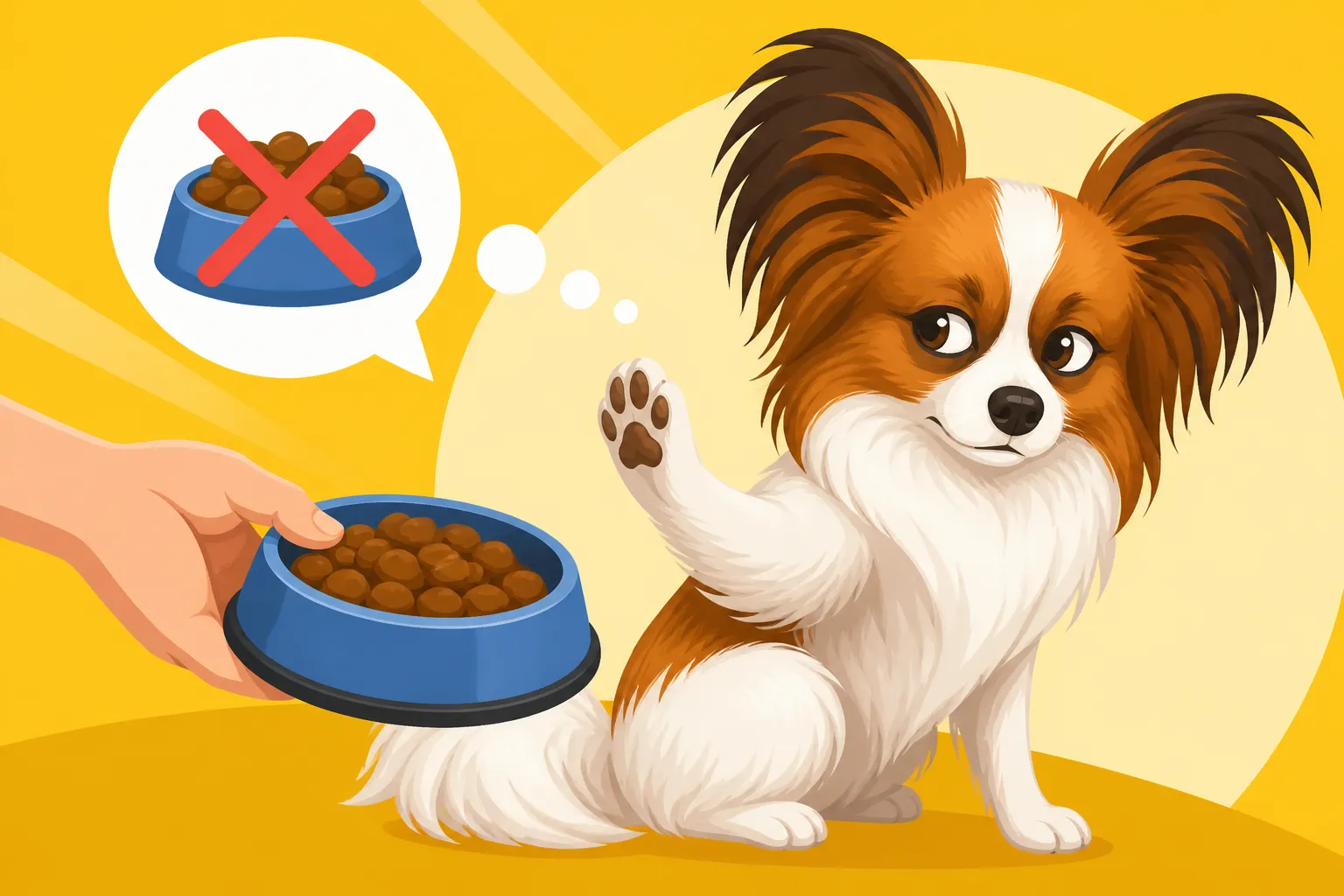
Sometimes, the issue isn't what's in the bowl, but where the bowl is. Is it in a high-traffic area where they feel vulnerable? Is there too much noise or activity during meal times? Papillons, despite their bold nature, can prefer a calm, predictable environment to eat in. Furthermore, some Papillons might be "finicky" simply because they've learned that if they hold out long enough, something better will come along. This isn't out of malice, but rather a clever adaptation based on past experiences. If you've ever found yourself hand-feeding them, or immediately offering a spoonful of wet food when they turn away from kibble, you might have inadvertently taught them that being picky gets them what they want.
When "Holding Out" Becomes a Habit
Papillons are incredibly smart, often topping lists for canine intelligence. The Papillon Is the Smartest Toy Breed There Is explores just how clever they are. This intelligence, while wonderful for training, can also make them expert manipulators when it comes to food. If your Papillon learns that by refusing their regular meal, they'll be offered a rotating menu of tasty human scraps, special wet foods, or even raw meats, they'll quickly adopt the strategy of "holding out."
It's a classic scenario: you put down their bowl, they sniff, look at you with those big, beautiful eyes, and then turn away. Your heart sinks. You worry. So, you try mixing in some chicken, or maybe some cheese, just to get them to eat something. Success! But what you've actually reinforced is that refusing the initial offering leads to an upgrade. Over time, this can escalate, creating a truly picky eater who expects gourmet service at every meal. Breaking this cycle requires patience and a unified front from everyone in the household. It’s about teaching them that the food offered is the food available, and if they don't eat it now, it goes away.
Crafting a Mealtime Routine for Success
One of the most powerful tools in combating pickiness, once medical issues are off the table, is the implementation of a consistent and predictable mealtime routine. Dogs, and especially intelligent breeds like Papillons, thrive on routine. It provides them with security and clarity about what to expect.
Consistency is Key
Think about your own day – you probably have certain times you expect to eat. Your Papillon is no different. Establishing set meal times, say, 8 AM and 5 PM, and sticking to them every single day, helps regulate their metabolism and creates a sense of anticipation. It teaches them that food will be available at these times, and not randomly throughout the day whenever they decide to look hungry.
More importantly, it’s about controlling the window of opportunity. Once you've placed their food bowl down, give them a specific amount of time to eat – perhaps 10 to 15 minutes. This might feel harsh at first, especially if you're used to leaving food out all day. However, free-feeding often contributes to pickiness, as it tells your dog that food is always available, so there's no urgency to eat. After the allotted time, if they haven't eaten, politely (but firmly) pick up the bowl. Don't offer any other food, treats, or table scraps until the next scheduled mealtime. Yes, this can feel like tough love, and you might worry they'll starve, but a healthy Papillon won't intentionally starve themselves. They will quickly learn that mealtime is when they get to eat, and if they miss it, they wait until the next opportunity.
The Art of Portion Control and Timing
It’s easy to overfeed a Papillon, even accidentally, because they are so small. A few extra kibbles here, a couple of training treats there, a tiny piece of cheese from your plate – it all adds up. If your Papillon is getting too many calories outside of their regular meals, they simply won't be hungry when it's time to eat their main food. This isn't pickiness; it's satiety. Understanding How Many Cups a Day an Adult Papillon Eats is vital to ensure you're not inadvertently filling them up on snacks.
Carefully measure their food according to their ideal weight and activity level, and stick to that amount. If you're giving treats during training sessions, make sure they are small, low-calorie, and accounted for in their daily food allowance. When you're trying to establish a good eating routine, it's often best to temporarily cut back on all treats and focus solely on getting them to eat their meals. This helps them understand that their main source of deliciousness comes from their bowl. Furthermore, consider the timing of walks and playtime. A good energetic walk or play session before mealtime can often stimulate appetite, making them more inclined to eat when the bowl is finally put down.
| Strategy | Description | Benefits for Picky Papillons | Potential Challenges |
|---|---|---|---|
| Set Meal Times | Offer food at fixed times, twice a day. | Establishes predictability, regulates hunger. | Initial anxiety for owners, dog may skip meals for a day or two. |
| Limited Access | Remove food after 10-15 minutes, regardless of consumption. | Teaches urgency, prevents "holding out" habit. | Must resist giving in to sad eyes or perceived hunger. |
| Portion Control | Accurately measure daily food, reduce treats. | Ensures genuine hunger at meal times. | Requires discipline from all family members, careful measuring. |
| Quiet Space | Feed in a low-traffic, calm area free from distractions. | Reduces stress, allows focus on eating. | May not be feasible in very busy households without designated zones. |
| Enhance Flavor | Warm food, add low-sodium broth or safe toppers. | Increases palatability, stimulates appetite. | Can lead back to "holding out" if overused or given too easily. |
Making Food Irresistible to Your Tiny Connoisseur
Once you've ruled out medical issues and established a solid routine, it's time to get creative with making their regular food more appealing. Sometimes, it's not the food itself, but how it's presented, or a small addition that makes all the difference for a discerning Papillon palate.
Enhancing Palatability with Temperature and Toppers
Just like us, dogs can appreciate a meal that's a bit more enticing. If you feed kibble, try adding a splash of warm (not hot!) water or low-sodium chicken or beef broth. This releases the aromas of the food, making it much more appetizing. Think about how a warm meal smells compared to a cold one – it's the same for our dogs. You could even slightly warm wet food in the microwave for a few seconds to achieve a similar effect, stirring thoroughly to ensure no hot spots.
For a boost in flavor and texture, consider healthy toppers. A small spoonful of plain canned pumpkin (not pie filling!), a dollop of plain yogurt, a tiny amount of cooked, shredded chicken, or even a specialized meal topper can work wonders. Brands like Chewy offer a fantastic array of toppers, from freeze-dried liver sprinkles to liquid flavor enhancers, that can make your Papillon's regular meal feel like a special treat without significantly altering their diet or nutrient balance. The trick here is to use them sparingly and strategically. Don't make it an expectation every single meal, or you'll be back to square one with them holding out for the "special sauce." Instead, use it as an occasional enticement or when you're transitioning to a new food.
Exploring Different Food Formats
If your Papillon consistently turns their nose up at one type of food, it might be time to consider a different format altogether. Not all kibbles are created equal, and some Papillons simply don't like the texture or size of certain pieces. Which Kibble a Papillon Can Actually Pick Up can sometimes be an issue; a piece that's too big can be uncomfortable for their small mouths.
There's traditional kibble, of course, but also wet food, which many picky eaters find more appealing due to its smell and texture. Some owners find success with fresh food diets, like those offered by brands such as Ollie. These often resemble human food and are highly palatable, and can be a fantastic option for extremely picky dogs, providing a complete and balanced meal. You can also explore freeze-dried raw or air-dried foods, which offer a different texture and often intense flavor that can tempt a fussy eater. When introducing any new food, remember the golden rule: transition gradually over several days to a week. Mix a small amount of the new food with their old food, slowly increasing the proportion of the new food while decreasing the old. This prevents stomach upset and gives them time to adjust.
You might want to experiment with different protein sources too. If they're currently on chicken, try lamb or fish. Just remember that too many rapid changes can also contribute to pickiness, as your Papillon might learn to expect a new flavor every time.
| Food Type | Description | Pros for Picky Papillons | Cons for Picky Papillons |
|---|---|---|---|
| Dry Kibble | Processed dry pellets, widely available. | Convenient, cost-effective, aids dental health (some). | Can be bland, some dogs dislike texture, small pieces needed. |
| Wet Food | Canned or pouch food, high moisture content. | Highly palatable, strong aroma, soft texture. | More expensive, can stick to ear fringes (Whether Wet Food Sticks in a Papillon's Fringe), messier. |
| Fresh Food | Gently cooked or raw, often delivered fresh (e.g., Ollie). | Very palatable, high-quality ingredients, often human-grade. | Most expensive, requires refrigeration, can have specific storage needs. |
| Freeze-Dried | Raw or cooked food that's been freeze-dried. | High nutritional value, intense flavor, lightweight. | Can be crumbly, rehydration often recommended, higher cost. |
The Power of a Calm Feeding Space
Just like us, our Papillons prefer to eat in peace. The environment where they eat can significantly impact their willingness to dive into their dinner. Imagine trying to enjoy a meal in the middle of a bustling carnival – it’s just not conducive to a relaxing experience. For a small dog, feeling exposed or vulnerable while eating can reduce their appetite.
Consider placing their food bowl in a quiet, low-traffic area of your home. This could be a corner of the kitchen, a designated spot in a less-used room, or even their crate if they see it as a safe haven. Make sure there are no other pets or children constantly disturbing them during mealtime. If you have multiple pets, feed them in separate rooms to prevent any resource guarding or competition that might stress your Papillon. The goal is to create a serene and consistent dining spot where your Papillon feels secure and can focus entirely on their food without feeling rushed or threatened. This simple change can often make a surprising difference, especially for sensitive or anxious Papillons.
When to Call in the Professionals
While many picky eating habits can be managed with routine changes and tempting strategies, there are certainly times when you shouldn't hesitate to seek expert advice. Knowing when to escalate your concerns is crucial for your Papillon's long-term health and well-being.
Identifying When Pickiness Becomes a Health Risk
It's one thing for your Papillon to be a bit fussy and skip a meal here and there, especially if they make up for it at the next feeding. It's quite another if their pickiness leads to genuine health concerns. For a dog as small as a Papillon, weight loss can happen surprisingly quickly and can be a significant red flag. Keep an eye on their body condition; you should be able to feel their ribs easily, but not see them prominently. Whether a Papillon's Coat Hides Weight Loss is something to be mindful of, as their beautiful long fur can sometimes obscure a dwindling physique.
Beyond weight loss, watch for other symptoms that accompany the lack of appetite:
- Lethargy or weakness: Are they less playful, sleeping more, or struggling to keep up on walks?
- Vomiting or diarrhea: Any digestive upset is a sign something is truly wrong.
- Changes in thirst or urination: These can indicate kidney issues or other internal problems.
- Persistent refusal: If your Papillon consistently goes more than 24 hours without eating, especially if they're also refusing treats, it's an emergency. For puppies, this window is even shorter, perhaps 12 hours. Signs a Papillon Puppy Is Not Thriving are often subtle and manifest quickly.
These are not signs of a "finicky" eater but rather a sick dog who needs immediate medical attention.
The Value of Veterinary and Nutritional Guidance
If you've implemented all the behavioral strategies, tried different foods, and your Papillon is still consistently refusing meals or showing any of the health risk signs, it's time to involve your veterinarian. They can conduct a thorough examination, perform diagnostic tests like blood work, urine analysis, or even imaging (X-rays or ultrasound) to identify or rule out any underlying medical conditions. Don't be shy about explaining the history of the pickiness, what you've tried, and any subtle symptoms you've noticed. Sometimes, knowing What a Papillon's Yearly Bloodwork Should Cover can give you a better idea of what to discuss with your vet.
If medical causes are ruled out, your vet might refer you to a certified veterinary nutritionist or a professional dog behaviorist. A veterinary nutritionist can help you formulate a diet that is both appealing to your Papillon and nutritionally complete, potentially exploring options you hadn't considered, like specialized prescription diets or custom fresh food plans. They can guide you through safe and effective dietary changes. A behaviorist, on the other hand, can help identify any deep-seated anxieties or behavioral patterns contributing to the pickiness and develop a tailored training plan to address them. These professionals are invaluable resources when you feel like you've tried everything and are still struggling to get your precious Papillon to eat.
Disclaimer
This article is for general informational purposes only and does not constitute professional advice. Laws, prices and regulations vary by location and change over time. Consult a qualified professional for guidance on your specific situation.