Signs a Papillon’s Fringe Is Pulling
Oh, the glorious ears of a Papillon! Those flowing, butterfly-wing fringes are truly iconic, aren't they? But alongside their undeniable beauty comes a unique set of care considerations, and one of the most frustrating things to notice is when that delicate fringe starts to pull. It’s not just a cosmetic issue; it often signals discomfort or a deeper problem for our little companions. This guide is here to help you recognize the subtle and not-so-subtle signs that your Papillon's precious ear fringe, or other long feathering, might be pulling, and what you can do about it.
Understanding the Papillon's Delicate Fringe
When we talk about a Papillon's fringe, we're usually referring to those magnificent, long silky hairs that adorn their ears, giving them their characteristic butterfly appearance. But really, the term can extend to the equally beautiful long feathering on their chest, culottes (the back of their thighs), and their glorious tail plume. All this long, flowing hair is part of what makes them so captivating, but it also demands a particular kind of attention to prevent discomfort and damage.
The Unique Structure of Papillon Coats
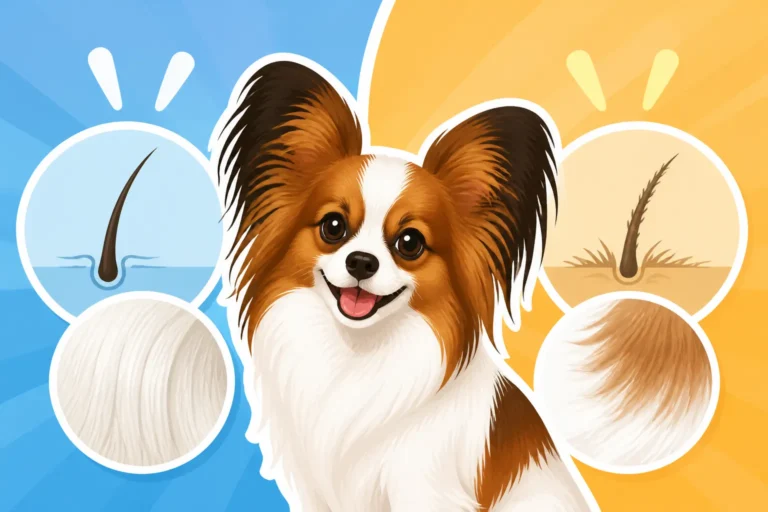
Unlike many breeds, a Papillon's coat is single-layered, meaning they lack the dense undercoat that some dogs have. This gives their hair its signature fine, silky texture, but it also makes it surprisingly resilient to matting compared to, say, a Poodle or a fluffy Pomeranian. Still, "resilient" doesn't mean "invincible." This fine, wispy hair can still get tangled and pull, especially in high-friction areas. Knowing that A Papillon's Coat Is All Fringe and No Undercoat helps us understand why gentle care is paramount. The long, flowing hair of The Ear Fringe That Gives the Papillon Its Name is particularly susceptible due to its prominence and movement.
Think about it: those ear fringes are constantly moving as your Papillon explores the world, shakes its head, or snuggles into your lap. This constant motion, combined with exposure to food, water, and even just the air, means the hair can catch on itself, leading to small tangles that quickly escalate into painful knots. Their other areas of feathering, like the culottes, can also tangle if they sit on rough surfaces or if moisture gets trapped after a potty break.
Differentiating Normal Shedding from Actual Pulling
Every dog sheds, and Papillons are no exception, even with their single coat. You'll find fine hairs around the house, especially during seasonal changes. This is perfectly normal. However, "pulling" is different. It refers to hair that is being painfully tugged out from the root, often due to matting, external forces, or underlying skin irritation.
When your Papillon sheds normally, the hairs you find tend to be individual, fine strands. If you notice clumps of hair, or if the hair loss is concentrated in specific areas, especially where there's also redness or sensitivity, that's a strong indicator of pulling. A common frustration for owners is confusing a little loose hair with a more serious issue. Normal shedding is part of maintaining a healthy coat, allowing old hair to make way for new. Pulling, on the other hand, often comes with an emotional toll on your dog, manifesting as pain or anxiety when groomed. It’s a distinction that can save your Papillon a lot of discomfort.
Recognizing the Early Warning Signs of Pulling Fringe
Catching signs of pulling early can prevent a minor tangle from turning into a painful, large mat that might require veterinary intervention or even sedation to remove. Our Papillons are often stoic, but there are always clues if you know what to look for.
Visual Cues in the Coat and Skin
The most obvious signs are usually visual. Take a moment to really look at your Papillon's coat during your regular grooming routine.
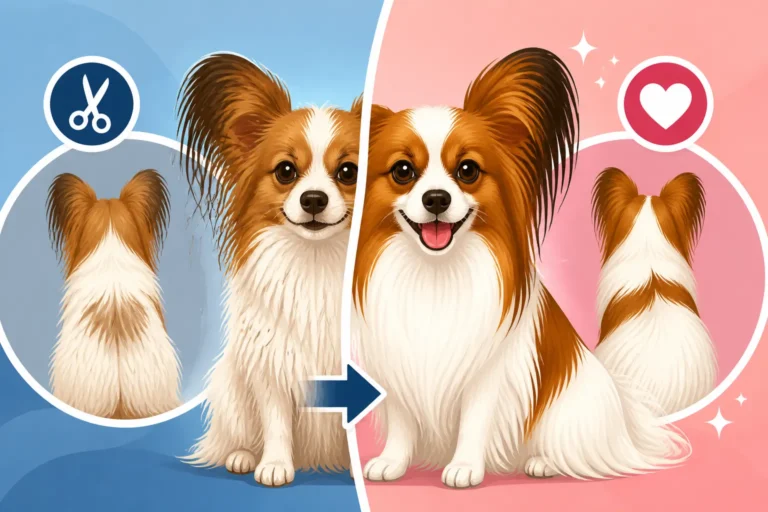
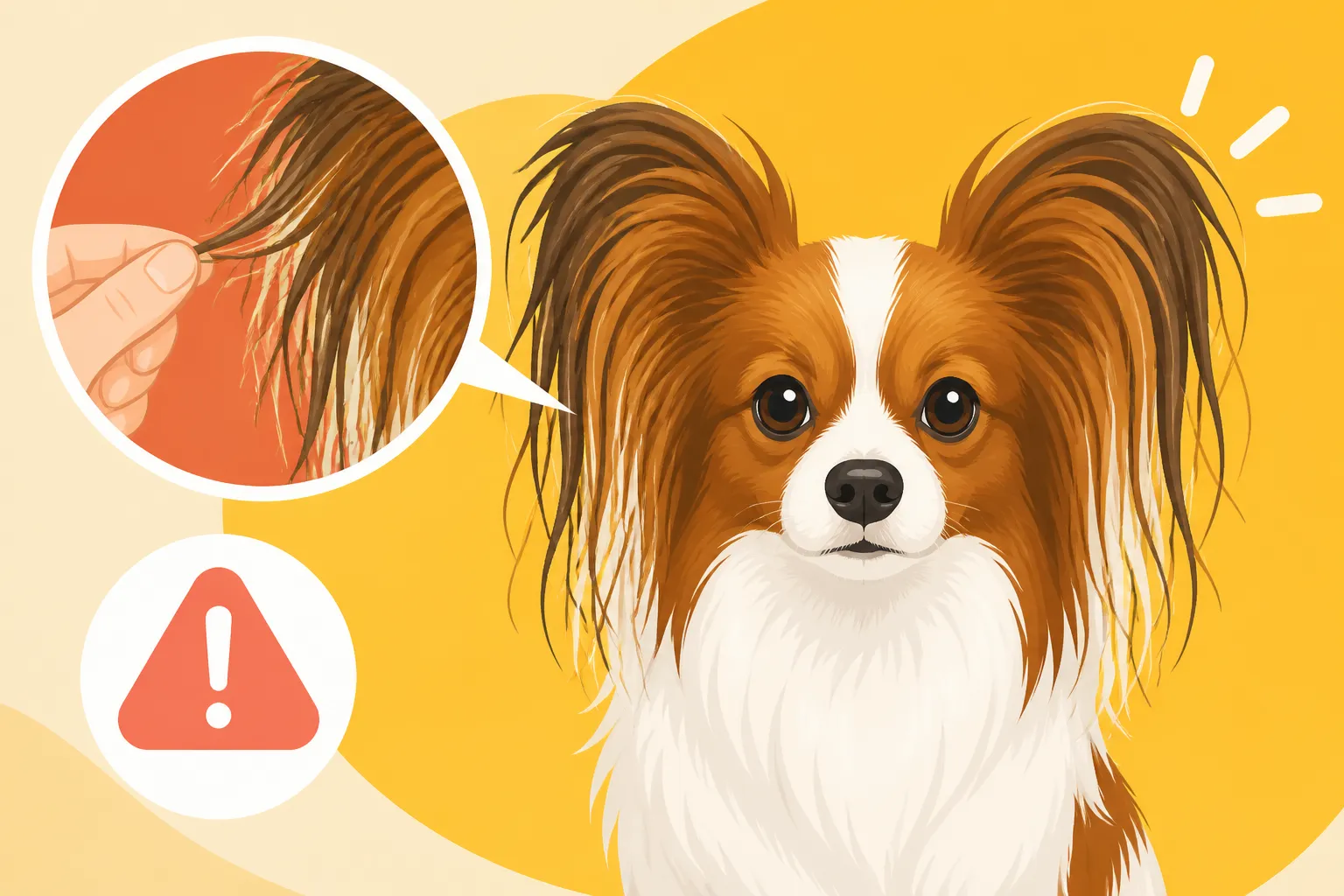
- Tighter, Duller Patches: Healthy Papillon fringe is light, airy, and silky. If you see areas that look dense, dull, or clumped together, especially behind the ears, under the armpits, or in the culottes, it's a red flag. These are likely mats forming, which pull on the skin. Imagine your own hair getting knotted tightly against your scalp – that's what your Papillon is feeling.
- Redness or Inflammation: When hair pulls, it irritates the delicate skin underneath. Gently part the hair in suspect areas and look for any redness, bumps, or swelling. The skin might also appear dry or flaky, which can exacerbate itching and lead to your Papillon scratching or rubbing, making the pulling worse.
- Missing Patches or Thinning Hair: If a mat has been present for a while and pulling severely, you might see actual bald spots where the hair has been completely ripped out or fallen out due to stress on the follicle. This is often accompanied by broken hairs around the edges of the patch.
- Discoloration: Sometimes, saliva or discharge from scratching an irritated area can lead to reddish-brown staining on the white parts of their fringe. This staining indicates persistent licking or scratching, which points to irritation.
These visual cues are your primary indicators. Regular, thorough examination, even if it's just a quick once-over while petting them, can make all the difference. Remember, Why a Papillon's Long Coat Takes Twenty Minutes a Week to keep pristine; this time isn't just for beauty, it's for health monitoring.
Changes in Behavior and Demeanor
Our Papillons are masters of communication, even without words. Their behavior often speaks volumes about their comfort levels.
- Reluctance to Be Groomed: A Papillon that usually tolerates or even enjoys brushing might suddenly become evasive, snappy, or anxious when you approach with a brush. This isn't naughtiness; it's a clear sign they associate grooming with pain because of existing pulling. They're trying to tell you, "Please, not there, it hurts!"
- Excessive Head Shaking or Pawing at Ears: If the pulling is concentrated in the ear fringe, you might see your Papillon shaking its head more frequently or pawing at its ears, trying to relieve the discomfort. This could be mistaken for an ear infection, but if the ear canal itself looks clear, the problem might be external, related to the hair.
- Rubbing Against Furniture or the Floor: Dogs will often try to scratch an itch or alleviate pain by rubbing against surfaces. If your Papillon is repeatedly rubbing its side, hindquarters, or face against the carpet or furniture, especially after being touched, it's a sign they're trying to relieve irritation.
- Lethargy or Withdrawal: While less common for simple pulling, if the pain is significant or leads to secondary skin infections, your Papillon might become less active, withdrawn, or even a little grumpy. Any noticeable change in their usual vibrant personality warrants investigation.
Observing these subtle behavioral shifts is key. It's easy to dismiss a little head shake, but combined with visual cues, it forms a clearer picture.
Common Culprits Behind Fringe Pulling and Their Solutions
Once you've identified that your Papillon's fringe is indeed pulling, the next step is to figure out why. There are several common culprits, ranging from simple maintenance issues to more complex health problems.
Matting, Tangles, and Friction: The Usual Suspects
This is by far the most common reason for pulling fringe. Papillons, with their delicate, long hair, are prone to mats if not brushed regularly.
- Lack of Regular Brushing: Even though their coats are relatively easy, "easy" doesn't mean "no brushing." Skipping daily or every-other-day brushing allows small tangles to form. These tangles then tighten with movement and moisture, creating painful mats that pull at the skin. Think about how How Often a Papillon Needs Brushing is emphasized; it's truly foundational.
- Environmental Factors: Playing outside, rolling in leaves or burrs, getting wet and not being dried properly, or even just humidity can contribute to tangles. The friction from collars, harnesses, or even dog beds can also rub delicate hair into knots. A tight collar, for instance, can cause matting around the neck.
- Incorrect Grooming Tools: Using the wrong type of brush or comb can actually break the hair or skip over tangles, allowing them to worsen. A brush that's too harsh can also irritate the skin. You need tools designed for fine, long hair.
Solutions: The best defense here is a good offense! Regular, thorough grooming is non-negotiable. Invest in a good quality pin brush and a metal comb. Start brushing from the tips and work your way up to the skin, section by section. Always use a detangling spray or a light conditioner, which you can find on sites like Amazon or Chewy, to help the brush glide through. Whether a Papillon Should Be Brushed Damp is often recommended, as it can reduce static and hair breakage. Pay special attention to high-friction areas like behind the ears, armpits, and under the tail. Where a Papillon Mats most often will be those spots you need to focus on.
Skin Irritation and Allergies
Sometimes, the pulling isn't just about mats; it's about an underlying skin issue that makes your Papillon itch and scratch, leading to self-inflicted pulling.
- Allergies: Papillons can suffer from environmental allergies (pollen, dust mites) or food allergies, just like people. These allergies often manifest as itchy skin, causing your dog to chew, lick, or scratch relentlessly, damaging their coat and pulling out hair.
- Dry Skin: If your Papillon's skin is dry, it can be itchy and uncomfortable. This might be due to low humidity, harsh shampoos, or even a nutritional imbalance. Whether a Papillon Gets Dry Skin is a real concern for the breed, making them more prone to discomfort.
- Parasites: Fleas, mites, or other external parasites cause intense itching. While you might not see the pests themselves, you'll definitely see your Papillon scratching and biting, which can lead to hair pulling and skin inflammation.
- Contact Dermatitis: This occurs when your Papillon's skin reacts to something it comes into direct contact with, like a new laundry detergent on their bedding, certain plants, or even a harsh grooming product.
Solutions: If you suspect skin irritation or allergies, a trip to the vet is a must. They can help identify the cause and recommend appropriate treatment, which might include medicated shampoos, dietary changes, or anti-itch medication. For dry skin, consider adding a high-quality omega-3 fatty acid supplement to their diet or using a moisturizing shampoo. Always use gentle, dog-specific shampoos and conditioners.
Nutritional Deficiencies or Health Issues
While less common as a direct cause of "pulling" in the sense of mats, poor overall health and nutrition can certainly impact coat quality, making it weaker and more prone to breakage and, subsequently, tangles that pull.
- Poor Diet: A diet lacking essential fatty acids, vitamins, and minerals can lead to a dull, dry, and brittle coat. Such hair is more susceptible to breakage and matting, indirectly contributing to pulling. While Papillons are generally hardy, ensuring they get the right nutrients is vital for coat health.
- Hormonal Imbalances: Conditions like hypothyroidism can affect coat quality, leading to thinning hair, dry skin, and a brittle coat.
- Systemic Illness: Any chronic illness that affects a dog's general health can also impact their skin and coat, making them more vulnerable to problems.
Solutions: Ensure your Papillon is on a high-quality, balanced diet. Consult your vet if you have concerns about their nutrition or overall health. They can perform blood tests to check for underlying conditions and recommend supplements if necessary. A healthy body from the inside out will reflect in a healthy, resilient coat.
| Sign of Fringe Pulling | Common Causes | What It Looks Like | What to Do |
|---|---|---|---|
| Tighter, Dull Patches | Matting, Tangles, Friction | Hair clumped, often near skin, dull appearance, pulls on skin. | Brush daily, use detangler, trim if severe. |
| Redness/Inflammation | Matting, Allergies, Parasites | Red skin, bumps, swelling, often under matted areas. | Vet visit, gentle cleaning, identify allergen/parasite. |
| Missing Patches | Severe Matting, Excessive Scratching | Bald spots, broken hair around edges. | Vet consult, professional grooming. |
| Excessive Head Shaking | Ear Fringe Mats, Ear Irritation | Frequent, vigorous head shakes, pawing at ears. | Check ears, brush ear fringe, vet if no improvement. |
| Reluctance to Groom | Pain from Pulling, Existing Mats | Dodging brush, snapping, whining during grooming. | Be gentle, use detangler, address mats carefully. |
| Rubbing Against Surfaces | Itchiness, Skin Irritation | Repeatedly rubbing body/face on carpet or furniture. | Identify irritant, vet check for allergies/parasites. |
Proactive Care and Intervention Strategies
Now that we know what to look for and why it happens, let's talk about what we can actually do to prevent and address fringe pulling. A consistent routine is your Papillon's best friend.
Mastering Gentle Grooming Techniques
This is the cornerstone of preventing fringe pulling. Regular, correct grooming keeps those beautiful locks healthy and mat-free.
- Daily Brushing with the Right Tools: Aim for a quick brush-through every day, especially focusing on the fringes and areas prone to matting. A good quality pin brush (without plastic tips that can snag) and a fine-toothed metal comb are essential. The comb helps you find those smaller tangles the brush might miss. For example, a reliable pin brush can be found at Chewy. Which Brush a Papillon Needs is crucial for effective and pain-free grooming.
- Section by Section: Don't just brush over the top. Gently part the hair, layer by layer, and brush from the skin out. This ensures you're getting all the way through the coat and not just smoothing the top layer over hidden tangles. How Long a Papillon Takes to Brush isn't long if done consistently, but rushed jobs often miss crucial spots.
- Detangling Sprays: Keep a good quality detangling spray on hand. A quick spritz on knots before you attempt to brush them out can make a world of difference, lubricating the hair and allowing tangles to loosen more easily. Many excellent options are available on Amazon.
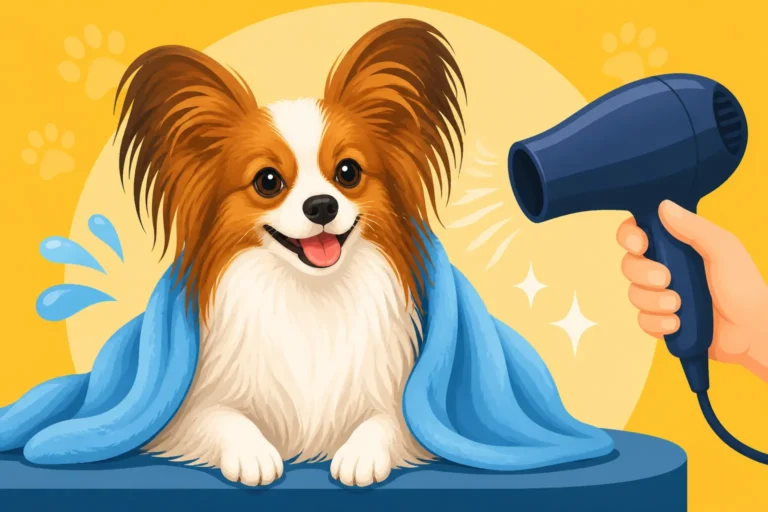
- Proper Bathing and Drying: Bathe your Papillon only when necessary, typically every few weeks or when they get truly dirty. Always use a conditioning shampoo and rinse thoroughly. After bathing, gently blot the hair dry with a towel, then use a low-heat hairdryer while brushing lightly to ensure no damp spots remain. Damp hair is more prone to matting. How Often a Papillon Should Be Bathed is less frequent than some might assume.
Environmental and Lifestyle Adjustments
Beyond the brush, consider how your Papillon's environment might be contributing to the problem.
- Harness Over Collar: If your Papillon wears a collar constantly, the friction can cause matting around the neck. Consider using a comfortable, well-fitting harness for walks instead of a collar, which reduces neck friction. This also has the added benefit of being safer for their delicate tracheas. Whether a Papillon Should Wear a Harness Instead of a Collar is a common piece of advice.
- Clean Living Spaces: Keep your home clean, especially their bedding. Dust and debris can get trapped in their long hair, contributing to tangles. Regular washing of their beds and blankets is a simple but effective step.
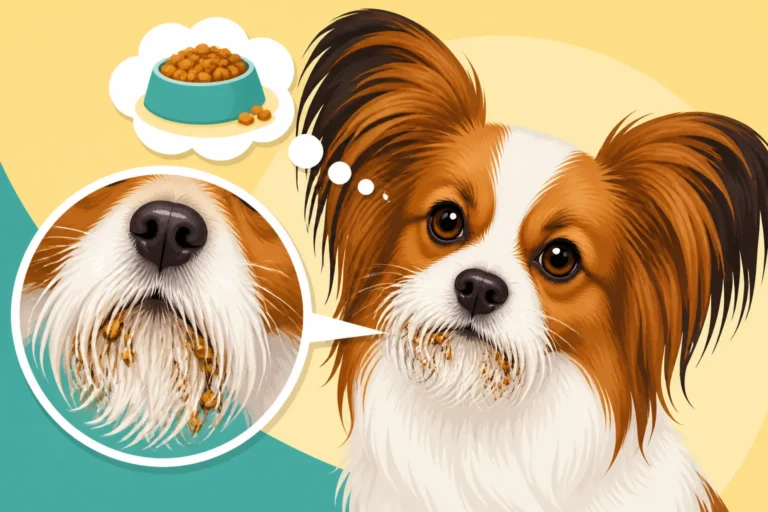
- Protecting Fringes: If your Papillon is prone to getting food or water in its ear fringes, you might gently hold them back with soft hair ties during meal times. Just be sure to remove the ties afterward to prevent skin irritation or further matting.
- Careful Play: While we encourage active play, be mindful of rough play with other dogs, especially those with strong jaws or claws, which can accidentally tug or tear your Papillon's delicate fringes.
Seeking Professional and Veterinary Guidance
Sometimes, despite our best efforts, a mat can become too tight or painful to remove safely at home. Or, you might suspect a deeper health issue.
- Professional Grooming: Don't feel ashamed to take your Papillon to a professional groomer if you encounter a mat you can't tackle. They have specialized tools and experience to remove mats safely and with minimal stress to your dog. They can also offer advice on specific grooming challenges for your Papillon.
- Veterinary Consultation: If you notice persistent redness, skin lesions, excessive scratching that doesn't resolve with basic grooming, or if your Papillon is exhibiting significant pain or behavioral changes, it's time for a vet visit. They can diagnose underlying allergies, infections, or other health issues that might be contributing to the pulling. They can also help if a mat has caused a skin infection. Whether a Papillon Needs a Yearly Eye Exam or a full wellness checkup can often catch these issues before they become severe.
Taking a proactive approach to your Papillon's grooming and health care will ensure those beautiful fringes remain a source of joy, not discomfort. After all, a happy Papillon with a healthy coat is a truly magnificent sight!
Disclaimer
This article is for general informational purposes only and does not constitute professional advice. Laws, prices and regulations vary by location and change over time. Consult a qualified professional for guidance on your specific situation.