What Papillon Owners Wish They Had Known
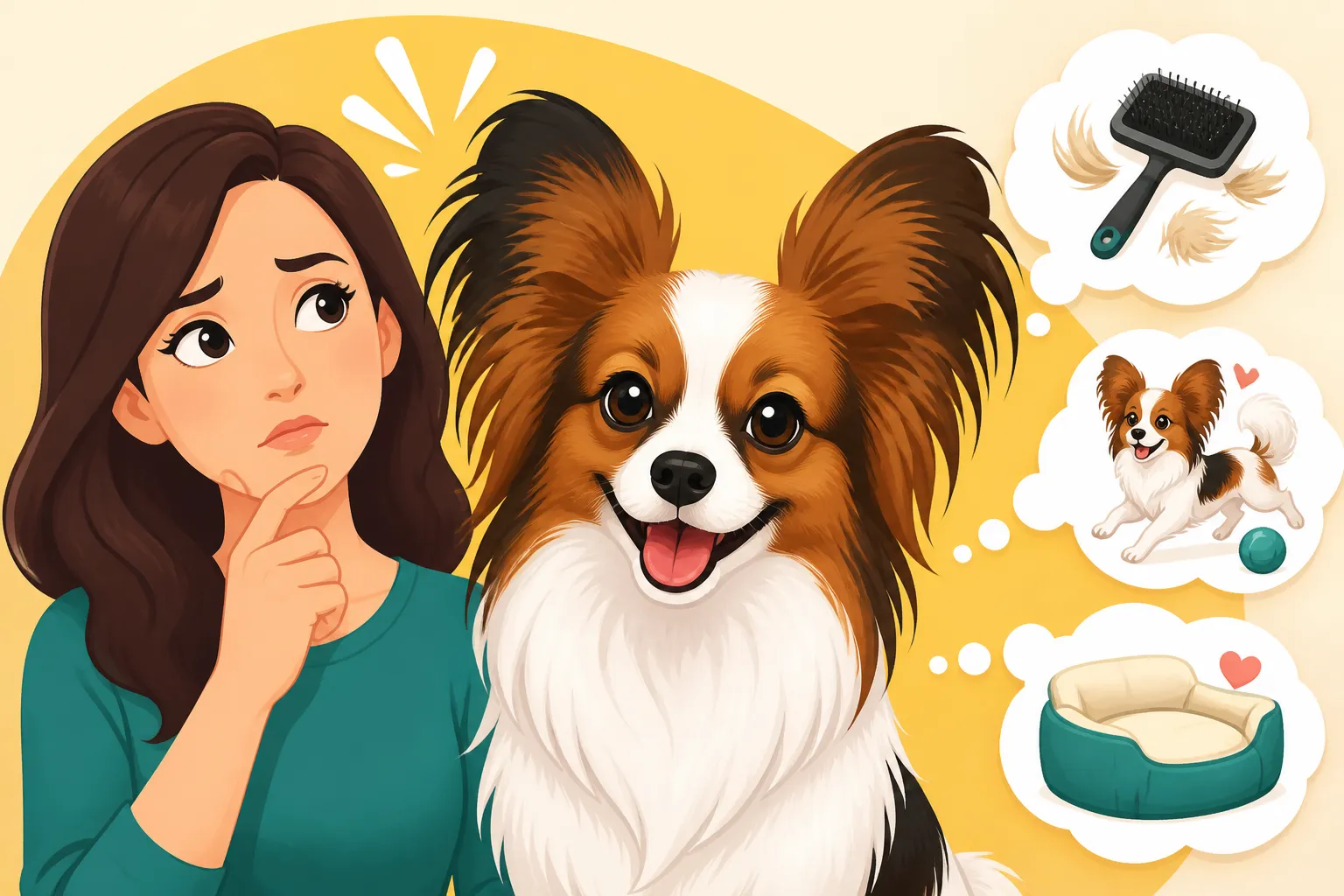
Oh, the Papillon! Those adorable butterfly-eared wonders. Many of us fall head over heels for their delicate looks and vibrant personalities, often imagining a dainty lap dog content with cuddles and quiet evenings. But here's the thing: many new Papillon owners quickly discover there's a whole lot more to these spirited little dynamos than meets the eye, and if you don't know what to expect, you might be in for a few surprises. This guide will walk you through the common realizations and sometimes unexpected challenges that Papillon owners often wish they'd understood before bringing their furry friend home.
Understanding the Papillon's True Nature Beyond the "Lap Dog" Stereotype
It's easy to look at a Papillon and think "fragile, elegant, indoor dog," but that couldn't be further from the truth. These little guys pack a huge personality and intelligence into their tiny frames, often behaving like much larger dogs. If you're expecting a perpetually placid companion, you might be surprised by their boundless energy and inquisitive minds. They're not just accessories; they're active participants in life.
The Big Dog in a Tiny Package Mentality
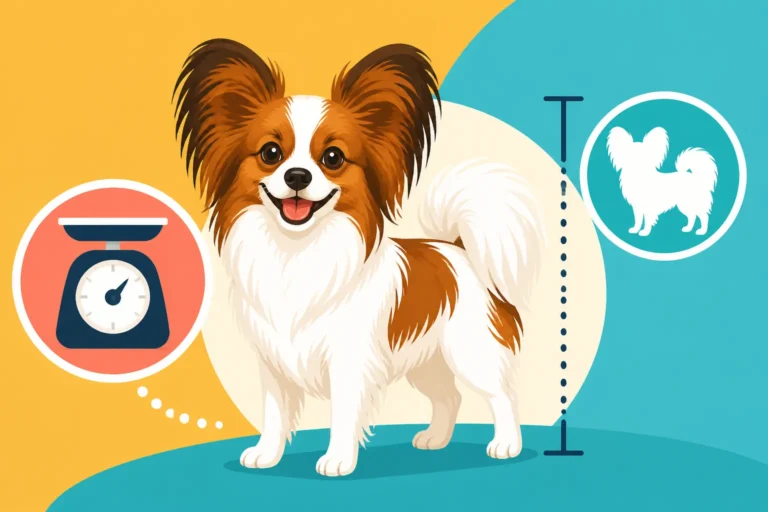
One of the biggest eye-openers for new Papillon owners is just how utterly fearless and self-assured these dogs are. They genuinely don't seem to grasp that they weigh a fraction of what a Labrador or a German Shepherd does. This "big dog" mentality is both charming and, at times, a little nerve-wracking. They'll confidently approach larger dogs at the park, not out of aggression, but often with an air of "let's play!" or "I'm just as important as you are."
This bold attitude can lead to some tricky situations if not managed carefully. A Papillon might not back down from a dog ten times its size, which can quickly turn dangerous if the larger dog isn't well-socialized or has a high prey drive. It's not about them being aggressive; it's about their sheer lack of inhibition when it comes to social interactions. You'll often find yourself being the one to step in and guide interactions, rather than relying on them to be naturally cautious.
This isn't to say they're always looking for trouble; far from it. It's more about their boundless confidence and curiosity. They believe they can do anything and go anywhere, which means you, as their owner, need to be their protector and their voice of reason in a world that isn't always built for tiny, spirited dogs.
Their Need for Mental and Physical Engagement
Many people assume small dogs only need a short walk around the block and plenty of lap time. While Papillons do love a good cuddle, they thrive on mental and physical stimulation. They are incredibly intelligent, often ranking very high in canine intelligence surveys. This means a bored Papillon is often a mischievous Papillon, and sometimes, a destructive one.
They excel at learning new tricks, and not just basic obedience. Many Papillon owners find their dogs picking up complex sequences and problem-solving games with remarkable speed. Puzzle toys, interactive feeders, and regular training sessions are not just fun; they're essential for their well-being. Leaving a Papillon alone for long stretches with nothing to do can result in unwanted behaviors like excessive barking or chewing things they shouldn't.
Think of them as little sponges, constantly eager to soak up new information and experiences. A quick walk isn't enough; they need opportunities to explore, sniff, and engage their brains. Skipping this vital aspect of their care is one of the things Papillon owners What Papillon Owners Wish They Had Known most regret not understanding sooner.
The Surprising Stamina of a Papillon
Despite their delicate appearance, Papillons are surprisingly hardy and possess remarkable stamina. They were originally bred to be active companion dogs, not just decorative lap warmers, and they retain much of that athleticism. If you're planning on short, leisurely strolls, your Papillon might just look at you, wag their tail, and ask for more!
They absolutely love to run, play, and explore. Many excel in dog sports like agility, rally, and obedience. They can easily keep up on longer walks, hikes, and even some trail runs, often outlasting their human companions. This isn't a breed that will be content to sit on the couch all day, every day. They need outlets for their energy, and providing those outlets is key to a happy, well-behaved Papillon. Don't let their size fool you into thinking they don't need significant exercise; they do, and they'll thank you for it with enthusiastic play and contented snoozing afterwards.
Health Realities Many Owners Don't Anticipate
While generally a healthy breed with a long lifespan, Papillons are still susceptible to certain conditions that owners should be aware of. Preparing for these potential health issues can save a lot of heartache and unexpected expenses down the road. It's not about being pessimistic, but about being a responsible, informed owner.
The Ever-Present Patellar Luxation Concern
One of the most commonly encountered health issues in Papillons is patellar luxation, or slipping kneecaps. It's a condition where the kneecap (patella) dislocates or moves out of its normal groove. It can range from a mild, occasional slip to a severe, constant dislocation that causes significant pain and lameness. Many Papillon owners What Patellar Luxation Does to a Papillon are caught off guard by the prevalence of this issue.
You might notice your Papillon occasionally skipping a step, holding a back leg up for a few seconds, or even yelping in pain. While some mild cases can be managed with supplements, weight control, and activity modification, more severe cases often require surgery to correct. This is a significant consideration, as knee surgery can be costly and involves a recovery period. It's crucial to find a reputable breeder who screens their breeding dogs for patellar luxation, as it has a strong genetic component.
Being proactive means observing your dog's gait and activity, and discussing any concerns with your vet. Early detection and management can make a huge difference in their comfort and long-term mobility. Whether a Papillon Needs Knee Surgery is a big question for many owners, and it's best to be prepared for the possibility.
Dental Care: A Lifelong Commitment
Small breeds, Papillons included, are notoriously prone to dental disease. Their tiny jaws often mean crowded teeth, which creates more surfaces for plaque and tartar to accumulate. This isn't just a cosmetic issue; poor dental health can lead to painful infections, tooth loss, and even systemic health problems affecting the heart, kidneys, and liver. Many owners underestimate the importance and frequency of dental care for a Papillon until they're facing a hefty vet bill for multiple extractions.
Daily tooth brushing is truly the gold standard for Papillons, starting from puppyhood to get them accustomed to it. Regular professional dental cleanings under anesthesia are also often necessary throughout their lives, sometimes annually or every other year, depending on the individual dog and the effectiveness of home care. How Often a Papillon Needs a Dental Cleaning is more frequent than many expect.
It's a continuous effort, but one that pays off immensely in preventing pain and maintaining your Papillon's overall health and quality of life. Think of it as a vital part of their routine care, just like feeding and walking. You can find special small brushes and enzymatic toothpastes specifically designed for tiny mouths on places like Chewy.
Anesthesia Sensitivity and Precautionary Measures
Due to their small size, Papillons can be more sensitive to anesthesia than larger dogs. This isn't to say they can't be safely anesthetized – modern veterinary medicine has made huge strides in tailoring protocols for small breeds – but it does mean extra precautions are often necessary. Many Papillon owners Why a Five Pound Papillon Is Harder to Anesthetize wish they'd known more about this before their first dental or spay/neuter procedure.
Before any procedure requiring anesthesia, your vet will likely recommend pre-anesthetic bloodwork to check organ function and ensure your Papillon is a good candidate. They may also suggest intravenous fluids during the procedure to help maintain blood pressure and hydration, and careful monitoring of vital signs (heart rate, breathing, temperature) is absolutely crucial. Recovery can also take a little longer for very small dogs, and keeping them warm is important.
It's important to discuss these concerns thoroughly with your veterinarian and choose a clinic that is experienced with anesthetizing toy breeds. Don't hesitate to ask about their protocols for small dogs and what measures they take to ensure safety.
Training and Behavior: More Than Just Pretty Faces
Papillons are not only beautiful but also incredibly smart and trainable. This means they pick up on things quickly, both good and bad. Many owners expect a biddable, quiet companion, only to find themselves with a vocal, opinionated little dog if they don't provide consistent training and socialization.
House Training Challenges and Solutions
Let's be honest, house training any puppy can be a challenge, but tiny dogs like Papillons can sometimes present unique hurdles. Their bladders are small, meaning they need to go out very frequently, especially as puppies. Accidents are almost inevitable, and it can be frustrating if you're not prepared for the consistency and patience required. How Long House Training a Papillon Takes can feel like an eternity to some.
One common mistake is not taking them out often enough, or assuming a quick trip outside is sufficient. A young Papillon puppy might need to go out every 30 minutes to an hour when awake, and immediately after waking up, eating, or playing. Bad weather can also be a deterrent; some Papillons are surprisingly particular about getting their paws wet! For these, a designated potty spot on a covered patio or even Whether Indoor Pads Suit a Papillon can be a temporary solution, though outdoor potty training should always be the primary goal.
The key is consistency, positive reinforcement, and managing their environment. Crate training can be incredibly helpful, as dogs are naturally clean creatures and are reluctant to soil their sleeping area. Celebrating every successful potty break outdoors with praise and a small treat helps solidify the desired behavior.
The Barking Tendency: Why They Do It
Papillons can be quite vocal. This often comes as a surprise to owners who envision a quiet companion. While some are more reserved, many Papillons are natural alarm bells, alerting you to anything and everything they perceive as unusual – a leaf blowing down the street, the mail carrier, a squirrel in the yard, or even just a change in air pressure. Why a Papillon Barks So Much is often due to their watchdog instincts and keen senses.
This isn't necessarily a bad trait; they make excellent little watchdogs! However, unchecked barking can quickly become a nuisance, especially if you live in an apartment or have close neighbors. Understanding why they bark is the first step. Is it boredom? Anxiety? Excitement? Or are they genuinely trying to tell you something?
Training a "quiet" cue from an early age is vital. Rewarding them for being quiet or for stopping barking on command can help manage this behavior. Providing plenty of mental stimulation and exercise can also reduce boredom-related barking. Remember, they're smart, so they'll learn quickly if you're consistent.
Socialization: Crucial for a Well-Adjusted Papillon
Because of their small size, it's tempting to shelter Papillon puppies, carrying them everywhere and limiting their exposure to the outside world. While protecting them from physical harm is important, limiting their socialization can lead to fearfulness, anxiety, or reactivity as adults. Many owners wish they had understood the critical window for socialization.
Early and positive exposure to a wide variety of sights, sounds, people, and appropriate dogs (especially calm, gentle ones) is paramount. This means carefully planned puppy classes, supervised playdates with vaccinated, friendly dogs, and carrying them to busy but safe public places to observe the world. The goal isn't to make them fearless of everything, but to teach them that the world is a generally safe and interesting place.
A well-socialized Papillon is a confident, happy dog that can adapt to different situations without becoming overwhelmed or defensive. Without it, you might find yourself with a dog that barks excessively at strangers, is fearful of new experiences, or struggles with other dogs. A Papillon with Children and Larger Dogs requires careful and early socialization for everyone's safety and comfort.
Grooming Expectations: Keeping That Butterfly Look
The Papillon's coat is one of its most striking features, with those beautiful fringed ears and plume tail. Many prospective owners are intimidated by the long coat, fearing endless grooming hours. However, the reality is often more manageable than expected, provided you understand the specific needs of their unique coat type.
Managing the Fine, Single Coat
Unlike many long-haired breeds, the Papillon has a single coat, meaning no dense undercoat. This is fantastic news for allergy sufferers and generally means less shedding than you might expect for a long-haired dog. However, this fine, silky hair can still tangle and mat if not properly maintained.
Regular brushing, 2-3 times a week, is usually sufficient to prevent mats and keep their coat looking its best. A good quality pin brush and a metal comb are your best friends. Pay particular attention to areas prone to matting: behind the ears, in their "armpits," and on their culottes (the feathering on their hind legs). Many owners learn quickly that ignoring a small tangle can lead to a much larger, painful mat in no time. For brushing supplies, Chewy offers a wide range of brushes suitable for a Papillon's delicate coat.
While their coat is long, it doesn't typically require extensive professional grooming in terms of trims or cuts, unless you prefer a shorter style for convenience or to prevent tangles. Their coat continues to grow throughout their life, but it’s not a perpetually shedding, high-maintenance affair like some other long-haired breeds.
Ear Fringe Care: The Breed's Signature Feature
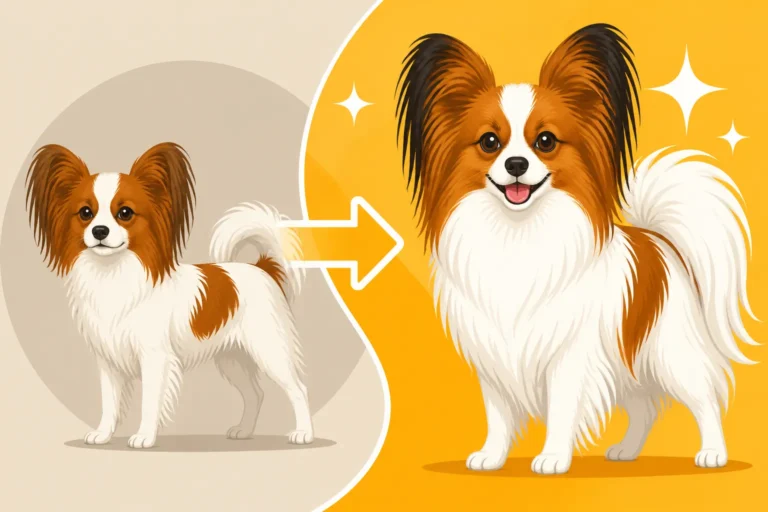
Those magnificent butterfly ears are what give the Papillon its name ("papillon" is French for butterfly), and the long, flowing fringe is truly a sight to behold. This ear fringe, however, requires special attention. It's often the first place to collect food, dirt, or become matted if neglected.
To keep the fringe looking its best and prevent painful mats, gentle daily or every-other-day brushing is ideal. Use a soft pin brush or a fine comb and be very careful, as the skin around the ears is delicate. You might also want to gently wipe down the fringe after meals, especially if your Papillon is a messy eater. Some owners even use snoods or ear covers during meal times to keep the fringe clean.
Maintaining the ear fringe is a commitment, but it's crucial for their comfort and health, preventing dirt buildup and skin irritation. It also keeps them looking truly regal! How to Keep a Papillon's Ear Fringe Full involves consistent, gentle care.
Nail Trims and Paw Health
This might seem like a minor point, but for a small, active dog, nail health is incredibly important and often overlooked. Overgrown nails can be painful, causing the toes to splay and affecting their gait, which can put undue strain on their joints, especially relevant for a breed prone to patellar luxation. Many owners struggle with nail trims, particularly if not started early.
Papillons need their nails trimmed regularly, typically every 2-4 weeks. If you can hear their nails clicking on the floor, they're too long. Teaching your Papillon to be comfortable with paw handling and nail trims from a young age is crucial. Use positive reinforcement and high-value treats to make it a positive experience. If you're nervous about trimming yourself, your vet or a professional groomer can do it.
Don't forget to check the hair between their paw pads, too. This hair can grow long and collect debris, leading to discomfort or matting, which can also affect their footing, particularly on smooth surfaces. A quick trim of this hair periodically will keep their paws neat and healthy.
Lifestyle Adjustments: What Life with a Papillon Really Means
Bringing a Papillon into your home isn't just about adding a pet; it's about integrating a vibrant, intelligent, and sometimes opinionated little creature into your daily life. They become central to your routine, and understanding the adjustments you might need to make can ensure a harmonious household.
Protecting Them from the World (and Themselves)
Because of their small stature and fearless attitude, Papillons are inherently vulnerable in certain situations. They can easily be stepped on, dropped, or injured by larger, boisterous dogs who don't realize how delicate a Papillon can be. This means you, as their owner, become their primary protector. Many owners quickly learn Whether a Papillon Should Be Picked Up When Threatened.
This often involves creating a "Papillon-safe" home environment. Think about slippery floors – area rugs can prevent slips and falls that could injure their delicate knees. Ramps or steps to furniture they frequent can save them from repeated jumps that stress joints. Setting Up a House That Protects a Papillon's Knees is something many wish they'd considered before an injury occurred. They are also masters of squeezing through small gaps in fences, so a secure yard is a must if they'll be unsupervised outdoors.
Furthermore, their bold personality means they might not back down from a threat, or they might run off to explore if given the chance. Always supervise them closely, especially in unfamiliar environments or around larger dogs. It's not about stifling their spirit, but about keeping them safe in a world that isn't always designed for a five-pound dog.
Their Love for Routine and Company
Papillons thrive on routine and genuinely adore their human companions. They are not a breed that does well being left alone for long hours every day. They form strong bonds with their families and often suffer from separation anxiety if not gradually accustomed to alone time or if left isolated for extended periods.
Many owners discover that their Papillon becomes their shadow, following them from room to room, just wanting to be near. They genuinely crave interaction and participation in family life. This means if your lifestyle involves long days away from home, a Papillon might not be the best fit unless you have a plan for their care, such as a dog walker, doggy daycare, or another companion animal.
Establishing a predictable routine for meals, walks, playtime, and potty breaks helps them feel secure and confident. A stable environment where they know what to expect minimizes stress and helps them blossom into well-adjusted, happy companions. This breed truly gives back the love and attention they receive tenfold.
Budgeting for a Long and Healthy Life
Papillons are known for their longevity, often living well into their teens, with some even reaching Whether a Papillon Can Reach Seventeen. While this is wonderful, it also means a longer commitment to their care and a greater potential for age-related health expenses. Many new owners focus on the initial puppy cost but overlook the cumulative costs over 15+ years.
Beyond the daily expenses of quality food (check out Chewy for options tailored to small breeds), regular vet check-ups, and grooming supplies, it's wise to budget for potential medical issues. As mentioned, patellar luxation can lead to surgery, and dental cleanings are a lifelong necessity. Investing in pet insurance early in their lives can be a lifesaver, helping to offset the costs of unexpected illnesses or accidents.
Consider the long game: what will their care look like when they're 12, 14, or even 16? Will they need special diets, joint supplements, or medications for conditions that arise in their senior years? Being realistic about the lifetime financial commitment is a huge part of responsible Papillon ownership. What an Aging Papillon Costs a Year can be substantial.
Papillon vs. Other Toy Breeds: A Reality Check
When choosing a toy breed, many people compare Papillons to other popular small dogs like Pomeranians or Chihuahuas. While all toy breeds share some characteristics, the Papillon has distinct traits that set it apart, and understanding these differences can help manage expectations.
Comparing Papillons to Pomeranians
Both Papillons and Pomeranians are small, fluffy, and undeniably cute, making them popular choices. However, their temperaments and care requirements can differ significantly. Papillons generally have a single, silky coat that is less prone to matting and less dense than a Pomeranian's double coat. This often means Papillon grooming, while consistent, might be less intensive than managing a Pom's thick undercoat, which requires dedicated brushing to prevent matting and manage shedding.
Temperament-wise, while both are intelligent, many Papillon owners find their dogs to be incredibly biddable and eager to please, especially in training. They often possess a keen focus and athleticism that makes them excel in dog sports. Pomeranians, while smart, can sometimes be a bit more independent or "spicy," with a strong personality that requires consistent training to ensure they don't develop a demanding streak. A Papillon might be more naturally inclined to work with you, whereas a Pomeranian might prefer to decide if your idea is a good one. Papillon or Pomeranian for a First Dog often comes down to these subtle personality differences.
| Feature | Papillon | Pomeranian |
|---|---|---|
| Coat Type | Single, long, silky. Less undercoat shedding. | Double, dense undercoat. Heavier shedding. |
| Grooming Need | Regular brushing (2-3x/week) to prevent mats. | More frequent, thorough brushing for undercoat. |
| Ears | Large, erect, butterfly-like, heavily fringed. | Small, erect, less fringing. |
| Temperament | Intelligent, athletic, eager to please, bold. | Intelligent, lively, can be opinionated/bossy. |
| Energy Level | High, excels in dog sports. | Moderate to high. |
| Vocalization | Can be barky as a watchdog. | Often prone to barking. |
Papillons and Chihuahuas: Different Personalities
Another common comparison is between the Papillon and the Chihuahua. Both are among the smallest dog breeds, but their general demeanor often contrasts quite a bit. Chihuahuas are known for their fierce loyalty, often bonding very strongly with one person, and can be quite feisty or wary of strangers if not well-socialized. They can be prone to shivering and tend to feel the cold more acutely.
Papillons, while also loyal, are typically more generally outgoing and friendly with new people and situations, provided they've been socialized. They tend to be less "one-person" dogs and more inclusive of the whole family. Their longer coat, while not an undercoat, provides a bit more insulation than many smooth-coated Chihuahuas. Papillons are generally sturdier and more athletic in build and temperament. Whether a Papillon Is Sturdier Than a Chihuahua is a frequent query.
While Chihuahuas can certainly be trained, Papillons often demonstrate a more pronounced enthusiasm for learning complex commands and participating in structured activities like agility. If you're looking for a tiny dog that feels like a true working partner in a small package, the Papillon often fits that bill more readily. A Chihuahua might be perfectly happy to be a lap warmer and occasionally chase a toy, while a Papillon might be asking you for a mental puzzle or a training session.
Ultimately, choosing a Papillon means embracing a spirited, intelligent, and surprisingly athletic companion who will keep you on your toes and fill your life with joy. They are far more "dog" than their delicate appearance suggests, and understanding their true nature is the first step to a wonderful, long relationship.
Disclaimer
This article is for general informational purposes only and does not constitute professional advice. Laws, prices and regulations vary by location and change over time. Consult a qualified professional for guidance on your specific situation.