What Neuroaxonal Dystrophy Does to a Papillon
Discovering that your beloved Papillon, typically a whirl of energy and grace, might be developing a neurological condition is a truly heartbreaking and confusing experience. Their agility, their joyful bouncing gait – these are defining traits. When those start to falter, it’s natural to feel a wave of fear and uncertainty about what the future holds. This guide is here to walk you through everything you need to know about Neuroaxonal Dystrophy (NAD) in Papillons, shedding light on what this challenging condition entails and how you can best support your furry family member.
Understanding Neuroaxonal Dystrophy in Papillons
Neuroaxonal Dystrophy, often just called NAD, is a devastating inherited neurological disorder that primarily affects young Papillons. It's a progressive condition, meaning it gets worse over time, gradually chipping away at a dog's coordination and quality of life. Unlike some conditions that might manifest suddenly after an injury or illness, NAD is a cruel genetic hand dealt to certain puppies, and it slowly, relentlessly impacts their ability to move and function normally. It’s a condition that can leave owners feeling helpless, watching their vibrant companions decline.
The Neurological Basis of the Disease
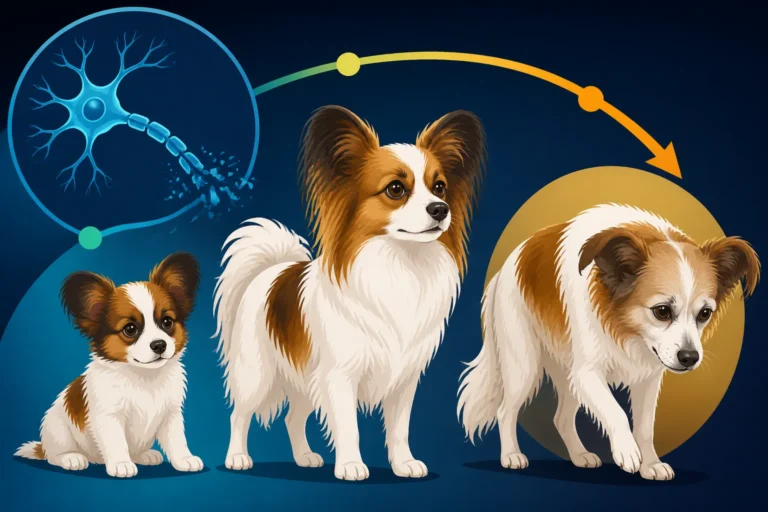
At its core, Neuroaxonal Dystrophy is a disorder that damages the axons within the nervous system. Axons are like the electrical wires of the body's communication network; they transmit signals between nerve cells. Imagine your home’s wiring system starting to fray, losing its insulation, and eventually breaking connections – that's essentially what happens with NAD. These damaged axons, particularly in certain areas of the brain and spinal cord, become swollen and dysfunctional, accumulating abnormal material. This cellular breakdown disrupts the smooth flow of information from the brain to the rest of the body, leading to the clinical signs we see. Because the Papillon is a breed known for its sharp intellect and keen senses, witnessing these neurological deficits can be particularly jarring.
This damage isn't just a minor glitch; it's a structural compromise that hinders everything from coordinated movement to balance. The severity and location of these "frayed wires" determine the specific symptoms and how quickly the disease progresses. While researchers are always learning more about these complex neurological pathways, the fundamental problem lies in this progressive deterioration of nerve cell axons. This makes NAD a truly internal, insidious condition that can be incredibly challenging for both the affected dog and their dedicated human family.
Why Papillons Are Susceptible
The susceptibility of Papillons to Neuroaxonal Dystrophy isn't random; it's rooted in genetics. This condition is inherited in an autosomal recessive pattern. This fancy term simply means that for a Papillon to develop NAD, it must inherit two copies of the faulty gene – one from each parent. If a dog only inherits one copy, it's considered a "carrier" and won't show symptoms, but it can pass the gene on to its offspring. This hidden aspect of carriers is why the disease can unexpectedly crop up in litters even from seemingly healthy parents, creating immense heartache and confusion for breeders and new owners.
The prevalence of NAD in Papillons underscores the importance of understanding specific breed health issues. While the breed is generally considered healthy, with a remarkable lifespan for a small dog, conditions like NAD remind us that vigilance and responsible breeding practices are absolutely critical. Without proper genetic testing, these recessive traits can remain dormant for generations, only to appear when two carriers are unknowingly bred together. It's a stark reminder that even the most well-intentioned breeding can result in tragic outcomes if genetic health isn't thoroughly investigated.
Recognizing the Signs and How the Disease Progresses
One of the most distressing aspects of Neuroaxonal Dystrophy is watching the progression of symptoms. Owners often first notice subtle changes in their Papillon's movement, which gradually worsen. Because Papillons are typically so agile and playful, any disruption to their coordination can be an immediate cause for concern. It’s important to remember that these changes are not the dog’s fault, nor are they something that can be trained away; they are manifestations of an underlying neurological decline.
Early Symptoms to Watch For
The signs of Neuroaxonal Dystrophy usually begin to appear when a Papillon is quite young, typically between 6 to 18 months of age, although the exact timing can vary. You might notice your spirited puppy starting to stumble more often, or perhaps they seem less coordinated when playing or running. A common early symptom is what’s called "ataxia," which is a fancy word for uncoordinated or wobbly movements. This might present as a wide-based gait, where they spread their legs further apart to maintain balance, or a noticeable clumsiness when navigating familiar spaces. They might miss steps, overstep, or struggle with activities that were once second nature, like jumping onto the sofa. For more insight into what this looks like, you might want to read about How a Papillon With Neuroaxonal Dystrophy Moves.
Beyond just physical coordination, some Papillons might show changes in their head posture, often holding their head in an unusual way or experiencing tremors, especially when focusing or attempting to move. They might also develop what's known as "intention tremors," where the trembling becomes more pronounced as they try to perform a deliberate action, such as reaching for a toy or food bowl. These early signs can be subtle at first, easily mistaken for normal puppy clumsiness or a momentary lapse, but they will become more consistent and noticeable as the disease advances. Recognizing these initial indicators can prompt earlier veterinary consultation, even if there's no cure, which allows for supportive care and adjustments to their environment.
Stages of Progression and Impact on Quality of Life
Once symptoms begin, Neuroaxonal Dystrophy is unfortunately progressive, meaning the neurological damage continues to accumulate and the symptoms become more severe. Owners report that their Papillons will experience a gradual decline in motor function, leading to increased difficulty with walking, running, and maintaining balance. The ataxia becomes more pronounced, and the tremors more persistent. Over time, the affected Papillon may struggle to stand without swaying, may fall frequently, and eventually, the coordination issues can become so severe that they can barely move without assistance. This progressive nature is why it's so heartbreaking for families, as they witness their once lively pet slowly lose their physical capabilities. For more details on the timeline, check out The Age Neuroaxonal Dystrophy Shows in a Papillon and How Fast Neuroaxonal Dystrophy Progresses in a Papillon.
The impact on a Papillon's quality of life can be profound. While their cognitive function generally remains intact – their bright eyes still hold their spirit and their minds are often still sharp – their bodies fail them. This disconnect can be incredibly frustrating for the dog and agonizing for the owner. Activities they once loved, like chasing squirrels or playing fetch, become impossible. Daily tasks such as eating and drinking can become difficult if severe tremors affect their head and neck. Owners must then adapt their homes and routines to provide maximum support, which might involve physical therapy, special feeding arrangements, or even mobility aids to help their Papillon maintain as much comfort and independence as possible for as long as they can. Sadly, there is currently no cure for NAD, and the disease often leads to euthanasia due to severe debilitation and compromised welfare. This heavy reality makes early detection and compassionate care all the more essential.
Diagnosing Neuroaxonal Dystrophy
When you suspect something is wrong with your Papillon, getting an accurate diagnosis is the first crucial step. The journey to a definitive diagnosis for Neuroaxonal Dystrophy can sometimes be lengthy and emotionally taxing, as many neurological conditions present with similar symptoms. It’s a process that requires patience, a keen eye from your veterinarian, and sometimes, the expertise of a veterinary neurologist.
The Diagnostic Process
The diagnostic process usually begins with a thorough physical and neurological examination by your primary veterinarian. They'll assess your Papillon's gait, reflexes, balance, and general coordination. This initial exam helps them pinpoint whether the issues are indeed neurological and start to narrow down potential causes. If NAD is suspected, or if the symptoms are complex, your vet will likely recommend a referral to a veterinary neurologist. These specialists have advanced training and equipment to perform more detailed assessments, which might include magnetic resonance imaging (MRI) of the brain and spinal cord to look for structural abnormalities or lesions, and cerebrospinal fluid (CSF) analysis to rule out inflammatory or infectious diseases.
While these imaging techniques and fluid analyses are vital for ruling out other conditions, they don't directly diagnose NAD. The hallmark of NAD – the axonal damage – isn't always clearly visible on standard imaging. The true path to confirmation often involves a combination of clinical signs, ruling out other diseases, and critically, genetic testing. For families facing these investigations, understanding that an accurate diagnosis is key to appropriate management and future breeding decisions, even if the news is difficult, can be a small comfort. It's a challenging road, but each step brings you closer to understanding what your Papillon is facing.
The Role of Genetic Testing
For Papillons, the most definitive and non-invasive way to diagnose Neuroaxonal Dystrophy is through genetic testing. Since NAD in Papillons is known to be caused by a specific gene mutation, a simple DNA test can identify whether a dog is clear, a carrier, or affected by the condition. This test typically involves collecting a cheek swab or a blood sample, which is then sent to a specialized veterinary genetics laboratory. This DNA test provides a clear, unequivocal answer, which is invaluable for owners and breeders alike. If your Papillon shows symptoms consistent with NAD, a positive genetic test result confirms the diagnosis, ruling out other neurological diseases that might present similarly. For more information on this vital step, please see The DNA Test for Papillon Neuroaxonal Dystrophy.
Genetic testing isn't just for symptomatic dogs; it's also a powerful tool for preventative breeding practices. Breeders can test their breeding stock to ensure they are not unknowingly passing on the gene. This means that even if a dog appears completely healthy, a genetic test can reveal if it's a carrier. This proactive approach is fundamental to reducing the incidence of NAD in the breed over time. Many responsible breeders will perform this test as part of their comprehensive health screenings, alongside other essential tests outlined in resources like What a Papillon Breeder Should Have Tested. When considering a Papillon puppy, always ask about the parents' genetic testing results for NAD and other known conditions. Having pet insurance from providers like Healthy Paws can also offer peace of mind, potentially covering a significant portion of diagnostic costs, which can quickly add up when investigating complex neurological issues.
Genetic Inheritance and Prevention Strategies
Understanding how Neuroaxonal Dystrophy is passed down through generations is crucial not only for diagnosing affected individuals but, more importantly, for preventing future cases. The genetics of NAD can seem a bit complicated at first glance, but grasping the basics empowers owners and breeders to make informed decisions that safeguard the health of the Papillon breed. It's a story of recessive genes, carriers, and the critical importance of responsible breeding practices.
Autosomal Recessive Inheritance Explained
As mentioned earlier, Neuroaxonal Dystrophy in Papillons follows an autosomal recessive inheritance pattern. Let's break down what that truly means for a Papillon family. Every dog has two copies of each gene – one inherited from their mother and one from their father. In the case of NAD, there's a specific gene mutation that, when present in two copies, causes the disease.
- Clear dogs: Have two normal copies of the gene. They won't develop NAD and cannot pass the mutated gene to their offspring.
- Carrier dogs: Have one normal copy and one mutated copy of the gene. They do not show symptoms of NAD themselves because the normal copy compensates. However, they can pass the mutated gene on to 50% of their offspring. This is why carriers are so important in the conversation – they are outwardly healthy but can produce affected puppies. For example, if you're curious about whether a carrier Papillon ever goes blind, the answer is no for NAD (though other eye conditions exist, like Progressive Retinal Atrophy covered in What PRA1 Does to a Papillon's Retina, which is a different issue).
- Affected dogs: Have two mutated copies of the gene. These are the dogs that will develop Neuroaxonal Dystrophy.
The implications for breeding are profound. If two carriers are bred together, statistically, 25% of their puppies will be clear, 50% will be carriers, and 25% will be affected. This is why testing is so vital; otherwise, two perfectly healthy-looking carrier parents could produce a litter where one in four puppies suffers from this devastating condition. You can delve deeper into this specific scenario by reading Whether Two Carrier Papillons Can Produce an Affected Puppy.
Responsible Breeding Practices and Genetic Screening
Given the autosomal recessive nature of NAD, preventing the disease largely falls on the shoulders of responsible breeders. The single most effective strategy is comprehensive genetic screening of all breeding dogs for the NAD mutation. By knowing the genetic status of their breeding stock (clear, carrier, or affected), breeders can make informed choices to avoid producing affected puppies. The key principle is never to breed two carriers together.
Responsible breeding strategies include:
- Testing All Breeding Dogs: Before any breeding takes place, both the male and female Papillon should be DNA tested for NAD. This ensures breeders know exactly what genetic material they are working with.
- Careful Pairing:
- Clear x Clear = All puppies will be Clear. No risk of NAD.
- Clear x Carrier = 50% Clear, 50% Carrier. No puppies will be affected, but carriers will still be produced. These carrier puppies should ideally be tested before being bred themselves.
- Carrier x Affected (not recommended) = 50% Carrier, 50% Affected.
- Affected x Clear (not recommended) = All puppies will be Carriers.
- Carrier x Carrier = 25% Clear, 50% Carrier, 25% Affected. This pairing should be strictly avoided.
While removing all carriers from the breeding pool might seem like the simplest solution, it could drastically reduce the genetic diversity of the breed, which has its own set of long-term health implications. Therefore, breeding a "Clear" dog to a "Carrier" dog is generally considered acceptable, as it ensures no affected puppies are born, while still allowing valuable genetics from the carrier parent to be passed on to some offspring. These carrier offspring would then need to be tested and ideally bred only to clear mates. This methodical approach, coupled with strong ethical oversight, helps to phase out the mutated gene over generations, ultimately contributing to a healthier future for the Papillon breed. It's an investment in the long-term well-being that ensures the Papillon remains a vibrant and cherished companion for years to come, affirming that Whether the Papillon Is a Healthy Breed is often determined by such careful considerations.
Living With an Affected Papillon
Receiving a diagnosis of Neuroaxonal Dystrophy for your Papillon can feel like a punch to the gut. The immediate question often becomes, "What now?" While there's no cure for NAD, and that's a hard truth to swallow, living with an affected Papillon is about maximizing their comfort, managing symptoms, and ensuring their remaining time is filled with love and dignity. It's a journey that demands immense patience, compassion, and a commitment to adapting their world to their changing needs.
Supportive Care and Management Strategies
Since there's no specific treatment to halt or reverse the progression of Neuroaxonal Dystrophy, management focuses entirely on supportive care. This means alleviating symptoms, maintaining comfort, and enhancing your Papillon's quality of life for as long as possible. One of the primary areas of focus is mobility. As coordination declines, your Papillon may struggle with slippery floors, stairs, or even getting up from a lying position.
- Environmental Modifications: Consider putting down non-slip rugs on hard floors, installing ramps for furniture access (which can also help with conditions like patellar luxation, a common Papillon problem, as detailed in What Patellar Luxation Does to a Papillon), and using raised food and water bowls to make eating easier if head tremors are present.
- Physical Therapy & Exercise: Gentle, controlled exercise can help maintain muscle mass and joint flexibility. Your vet or a certified canine rehabilitation therapist can guide you on appropriate exercises, stretches, and even hydrotherapy to support their mobility without over-straining them.
- Nutritional Support: Ensuring they receive adequate nutrition is vital, especially if their ability to eat or drink becomes compromised. This might involve hand-feeding, using special bowls, or even dietary supplements recommended by your vet to support overall health.
- Pain Management: While NAD itself isn't typically considered painful, the secondary effects of uncoordinated movement, falls, or compensatory postures could lead to muscle soreness or joint strain. Regular veterinary check-ups will help identify any pain that can be managed with medication or other therapies.
For owners facing the financial burden of ongoing supportive care, veterinary insurance, such as a plan from Healthy Paws, can be a lifesaver. While pre-existing conditions are usually excluded, if a policy is in place before any symptoms or diagnosis, it can help cover the costs of neurological consultations, physical therapy, assistive devices, and medications. This allows you to focus on your Papillon's well-being without constant worry about escalating bills.
Emotional Support for Papillons and Their Owners
Living with a dog battling a progressive neurological disease is an emotional marathon. For the Papillon, who remains mentally alert while their body fails, it can be a source of frustration and confusion. They might not understand why they can no longer jump or run as they once did. Providing consistent, gentle reassurance, a stable routine, and maintaining their familiar environment helps reduce stress and anxiety. Lots of positive reinforcement, praise, and cuddles become even more important. Remember, their minds are still keen, so engaging them with scent games, puzzle toys, or gentle interaction can keep their spirits up.
For owners, the journey is often fraught with grief, helplessness, and the heavy weight of knowing what lies ahead. It's okay to feel overwhelmed, sad, or even angry. Finding support groups, either online or in person, where you can connect with other owners facing similar challenges, can be incredibly validating and provide a safe space to share experiences and coping strategies. Your veterinarian can also be a vital source of support, offering guidance on recognizing signs of declining quality of life and helping you make difficult decisions when the time comes. Embracing the bond you share and focusing on creating joyful, comfortable moments together becomes the ultimate goal, reminding us that Caring for an Aging Papillon sometimes starts much earlier than expected, involving deep emotional resilience and unwavering dedication.
The Future of Neuroaxonal Dystrophy in Papillons
While the current reality of Neuroaxonal Dystrophy in Papillons can be grim, the future holds promise due to ongoing research and the dedication of responsible breeders and owners. Every step taken to understand this condition, from its genetic roots to its progression, contributes to a collective effort to eradicate it from the breed. The commitment to genetic testing and selective breeding is slowly, but surely, changing the landscape for Papillons.
Research and Genetic Advances
The identification of the specific gene mutation responsible for Neuroaxonal Dystrophy in Papillons was a monumental breakthrough. This genetic marker is what allows for the accurate DNA test we have today. However, research doesn't stop there. Scientists continue to study the mechanisms of the disease, hoping to understand more about how the axonal damage occurs and whether there are any potential therapeutic interventions that could slow progression or even repair some of the damage. While Why Neuroaxonal Dystrophy Has No Treatment in a Papillon remains a challenge, future gene therapies or pharmaceutical interventions could emerge from ongoing research into similar neurological conditions in both humans and animals. Organizations dedicated to canine health research, often funded by breed clubs and generous donors, play a crucial role in advancing our understanding and developing new tools to combat inherited diseases.
A Healthier Future Through Responsible Breeding
The most significant and immediate impact on the future of NAD in Papillons lies squarely in the hands of the breeding community. Widespread and consistent genetic testing, combined with a commitment to responsible breeding practices, is the most powerful weapon against this disease. As more breeders utilize DNA testing to identify clear, carrier, and affected dogs, the incidence of NAD-affected puppies will dramatically decrease. If carriers are always bred to clear mates, the problematic gene can gradually be diluted and eventually eliminated from breeding lines without sacrificing genetic diversity.
This commitment not only prevents heartbreak for future puppy owners but also upholds the integrity and health of the Papillon breed for generations to come. Prospective puppy buyers have a role to play too: by asking breeders about NAD testing and other health clearances, they create demand for health-conscious breeding, further encouraging best practices. The goal is to reach a point where Whether Neuroaxonal Dystrophy Is Common in Papillons becomes a question with a resounding "no" as the answer. Pet insurance providers like Healthy Paws also indirectly support this by covering diagnostic tests for new conditions, freeing up owners to pursue comprehensive testing and care without financial hesitation, thus contributing to the overall health data and breeding transparency within the community.
Here's a quick overview of NAD characteristics:
| Characteristic | Description |
|---|---|
| Inheritance Pattern | Autosomal Recessive: Requires two copies of the mutated gene (one from each parent) for a Papillon to be affected. |
| Age of Onset | Typically 6-18 months of age, though individual variation occurs. |
| Key Symptoms | Progressive ataxia (uncoordinated movement), wobbly gait, intention tremors (tremors worsen with voluntary movement), head tremors, difficulty with balance and mobility. Cognitive function generally remains intact. |
| Diagnosis | Primarily through DNA testing for the specific gene mutation. Clinical signs and ruling out other neurological conditions also contribute. |
| Treatment | No cure currently exists. Management focuses on supportive care, environmental modifications, physical therapy, and symptom alleviation to maintain quality of life. |
| Prognosis | Poor, due to progressive neurological degeneration. Most affected dogs are eventually euthanized due to severe loss of mobility and quality of life. |
| Prevention | DNA testing of all breeding stock to identify clear, carrier, and affected dogs. Avoid breeding two carriers together. |
Disclaimer
The information provided in this article is for educational purposes only and is not intended to be a substitute for professional veterinary advice, diagnosis, or treatment. Always seek the advice of your veterinarian or other qualified animal health provider with any questions you may have regarding a medical condition.