The Age a Papillon Is Considered Senior
It’s a bittersweet moment when you start noticing little changes in your vibrant Papillon, the tiny dog who still acts like they can take on the world. You might wonder, is this the start of their senior years? For a breed known for its incredible longevity, pinpointing exactly when a Papillon is considered "senior" can feel a little nebulous, and honestly, a bit heartbreaking to contemplate. This guide aims to clear up that confusion, helping you understand the typical age a Papillon transitions into its golden years, what to look for, and how best to support your cherished companion through this natural stage of life.
Defining "Senior" for a Papillon: It's More Than Just a Number
Unlike larger breeds that might show significant signs of aging by seven or eight years old, a Papillon, being a toy breed, tends to mature slower and live much longer. This means their senior years typically start later, but just like with people, it's not a hard-and-fast rule.
The General Rule for Small Breeds vs. Papillons
Generally speaking, veterinarians often consider small dog breeds to be "senior" when they reach around 10 to 12 years of age. This is because smaller dogs usually have a longer lifespan compared to their giant counterparts. For instance, a Great Dane might be considered senior by 6 or 7, while a Chihuahua or a Yorkie might still be zipping around well into their early teens.
Papillons specifically are known for their exceptional longevity. It's not uncommon to hear of Paps living to 15, 16, or even 17 years old. Because of this, while 10 or 11 years might be the technical start of their senior phase according to general veterinary guidelines, many Papillon owners find their dogs are still incredibly spry and full of life well past this benchmark. You might find your 10-year-old Papillon still tearing around the agility course or demanding a long walk, making it hard to think of them as "senior" in the traditional sense. It really underscores how robust and energetic these little dogs can be.
Individual Variation: Why Your Papillon Might Age Differently
Just like humans, every Papillon is an individual, and their journey into seniority can vary greatly. While we can use a general age range as a guide, your Papillon’s actual health and vitality will depend on a multitude of factors. Think about the Papillon you know who's always been a couch potato versus the one who's a perpetual motion machine – their bodies will respond to age differently.
Genetics play a huge role. A Papillon from a long line of healthy, long-lived dogs with no significant breed-specific health issues might naturally have an easier time transitioning into old age. On the other hand, a Papillon with a history of conditions like Patellar Luxation Is the Papillon Problem You Will Actually Meet might start showing signs of discomfort and aging in their joints much earlier than their peers, even if they're chronologically younger. Lifestyle also makes a massive difference. A Papillon that has been kept at a healthy weight, fed a high-quality diet, received consistent veterinary care, and engaged in appropriate exercise throughout its life will likely age more gracefully than one with a history of obesity or neglect. Their "biological age" might be significantly younger than their chronological age. It’s a testament to the power of good care throughout their entire lives, not just when they start to slow down.
Early Signs Your Papillon is Entering Its Golden Years
It’s easy to miss the subtle shifts, especially when you’re used to your Papillon’s lively personality. They’re masters at hiding discomfort, so paying close attention to nuanced changes is key to identifying when their senior journey truly begins.
Subtle Changes in Behavior and Energy Levels
One of the first things you might notice is a slight dip in their famous Papillon energy. Those explosive "zoomies" that used to happen multiple times a day might become less frequent or shorter in duration. Your Papillon might start opting for a cozy nap on your lap over chasing a toy across the room. While they might still be eager for walks, they might tire more easily, or show less enthusiasm for extending the outing. This isn’t necessarily a sign of illness, but rather a natural slowing down.
They might also become a bit pickier about when and how they want to play. Maybe they still love a good game of fetch, but they don't want to play for as long, or they prefer quieter, less physically demanding interactions. You might also notice subtle changes in their interaction with you or other pets. Some older Paps become a bit more clingy, seeking comfort and reassurance, while others might become a little more irritable if disturbed during a nap. It's important to differentiate these age-related shifts from actual pain or distress, which would warrant a vet visit. This is often where you begin to notice What Changes in a Papillon After Eleven.
Physical Indicators of Aging
Beyond behavior, there are several physical signs that your Papillon is getting older. One of the most common and visible signs is the appearance of gray hairs, particularly around their muzzle, eyebrows, and chin. This is often an early indicator, even if their body still feels young. Their beautiful, silky coat, which is usually quite abundant, might start to thin slightly, or lose some of its luster. Their eyes, once bright and sparkling, might appear a little duller, and you might even start to see a slight cloudy haze develop, which could indicate the early stages of cataracts.
Stiffness after resting is another frequent complaint. Your Papillon might take a little longer to "unfurl" from a nap, or show a slight hesitancy when jumping up or down from furniture. Their gait might become a little less fluid. Weight changes can also occur; some senior Papillons tend to gain weight due to decreased activity, while others might lose muscle mass, making them appear a bit thinner or bonier, even if they’re eating well. It’s important to monitor their weight closely, as excess weight puts extra strain on aging joints. You might even start to notice Whether an Old Papillon Loses Muscle, especially in their hindquarters.
| Age Range (Years) | Common Physical Signs | Behavioral Changes | Key Health Focus |
|---|---|---|---|
| 8-10 (Pre-Senior) | Minor graying, subtle coat changes, slight joint stiffness | Shortened play sessions, increased napping, occasional slower pace | Routine vet checks, healthy weight, preventative dental care |
| 11-13 (Early Senior) | More noticeable graying, potential clouding eyes, muscle loss | More frequent naps, less enthusiasm for long walks, mild night confusion | Twice-yearly vet checks, joint support, vision/hearing monitoring |
| 14+ (Advanced Senior) | Significant graying, thinning coat, visible cataracts, pronounced stiffness | Disorientation, altered sleep patterns, reduced interaction, increased vocalization | Comprehensive health monitoring, comfort care, pain management, mental enrichment |
Common Health Concerns in Senior Papillons
As our little butterflies gracefully age, they become more susceptible to certain health issues. Being aware of these common concerns can help you provide proactive care and catch problems early.
Dental Disease and Oral Health
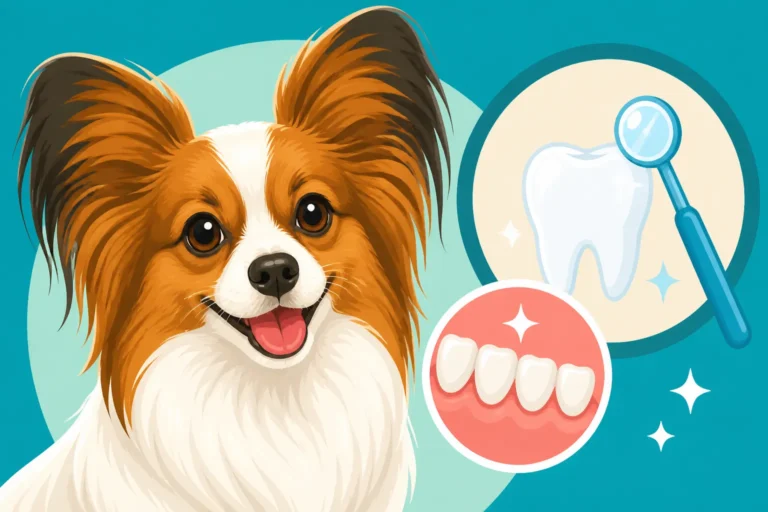
For Papillons, with their tiny mouths and often crowded teeth, dental disease is a prevalent and serious concern throughout their lives, but it becomes particularly pressing in their senior years. Years of plaque and tartar buildup can lead to gingivitis, periodontal disease, and painful infections. Imagine the discomfort of living with aching teeth! Not only is it painful, but oral bacteria can enter the bloodstream, affecting vital organs like the heart, kidneys, and liver.
In senior Papillons, dental issues can escalate, leading to tooth loss, difficulty eating, and a general decline in health. Regular professional dental cleanings under anesthesia become even more critical, though the risks of anesthesia can be a concern for older dogs (more on that later!). Between cleanings, diligent home care, including daily brushing with a dog-specific toothpaste, can make a significant difference. It’s heartbreaking to see an older Papillon struggling to eat their favorite food because their mouth hurts. This is why Dental Work Over a Papillon's Long Life is such a consistent cost for Papillon owners, and why understanding How Common Dental Disease Is in Papillons is so important. Proactive care truly pays off here.
Joint Issues and Mobility Challenges
Arthritis, or osteoarthritis, is a common affliction for aging dogs, and Papillons are no exception. Years of running, jumping, and playing can take a toll on their small joints. If your Papillon has a history of patellar luxation – a condition where the kneecap slips out of place – it's likely to worsen with age, leading to increased pain and stiffness. You might notice them limping, struggling to get up after lying down, or hesitating before jumping onto the sofa. It's a tough pill to swallow when your once-bouncy companion can no longer navigate their world with the same ease.
Managing joint pain in senior Papillons often involves a multi-faceted approach. This can include veterinarian-prescribed anti-inflammatory medications, joint supplements containing glucosamine and chondroitin, therapeutic laser treatments, or even acupuncture. Maintaining a healthy weight is absolutely crucial to minimize stress on their joints. Furthermore, creating a home environment that accommodates their reduced mobility, such as providing ramps to furniture, can significantly improve their quality of life.
Vision and Hearing Impairments
Just as our own senses can dim with age, so too can our Papillons'. Many senior Paps will experience some degree of vision loss. This can range from the common nuclear sclerosis, a bluish haze in the lens that usually doesn't significantly impair vision, to cataracts, which can progress to full blindness. They may also develop conditions like The Papillon Type of Progressive Retinal Atrophy and the CNGB1 Gene, which can lead to night blindness first, then progress over time. You might notice them bumping into furniture in dimly lit rooms or becoming hesitant to navigate unfamiliar spaces.
Hearing loss is also a common age-related change. It can start subtly, with your Papillon ignoring you when called from another room, or seeming less responsive to household noises. Eventually, they might become completely deaf. It can be frustrating when your dog doesn't respond, but it's important to remember they simply can't hear you. Adjusting your communication to include more hand signals and visual cues, and ensuring they are always on a leash in unfamiliar or unsecured areas, becomes paramount. Supporting a Papillon with sensory impairments means creating a safe and predictable environment, and being patient and understanding as they navigate their world differently. It’s also important to be aware of Deafness in an Old Papillon and how to support them.
Tailoring Care for Your Senior Papillon
As your Papillon moves into their senior years, their needs will shift. What worked for them as a spry youngster might not be appropriate for their changing bodies. Adapting your care routine is a huge part of ensuring their comfort and well-being.
Nutrition Adjustments for Older Paps
Just like us, a senior Papillon's metabolism tends to slow down. They typically require fewer calories to maintain a healthy weight, especially if their activity levels have decreased. Continuing to feed them the same amount of food they ate in their prime can easily lead to weight gain, which exacerbates joint problems and other age-related health issues. Discuss with your veterinarian the best senior-specific dog food, or if you cook for your pup, how to adjust their diet to be lower in calories but still nutrient-dense.
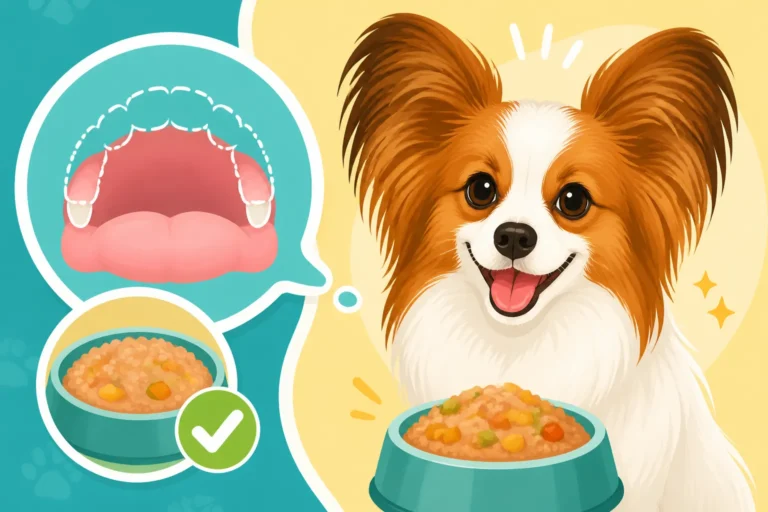
Beyond calorie content, consider the texture of their food. If your Papillon is struggling with dental disease or has had extractions, a softer food – perhaps canned food, or kibble moistened with warm water or broth – might be easier and more comfortable for them to eat. Many senior diets also include ingredients beneficial for joint health, such as omega-3 fatty acids, glucosamine, and chondroitin. Even if they are already on a good diet, adding specific joint supplements may be recommended by your vet. It's about nourishment that supports their aging body without overloading it. Sometimes, you’ll even be asking Whether an Old Papillon Needs Softer Food as a direct solution to their discomfort.
Creating a Senior-Friendly Home Environment
Your home, which your Papillon knows like the back of its paw, can become a challenging landscape as they age and their mobility or senses decline. Simple modifications can make a world of difference. Investing in pet ramps or steps for furniture, especially their favorite sleeping spots like the sofa or your bed, can prevent painful jumps and falls. This is particularly important for small dogs prone to knee and back issues. Whether an Aging Papillon Needs Steps Everywhere becomes a very real question for dedicated owners.
Ensure they have comfortable, orthopedic bedding that supports their joints and provides warmth. Older dogs can feel the cold more acutely due to thinner coats and reduced circulation. Non-slip rugs on hardwood or tile floors can help prevent slips and falls, which can be disastrous for a dog with fragile bones or compromised balance. Keeping pathways clear of clutter and maintaining a consistent layout can also help a vision-impaired Papillon navigate their home with confidence. A predictable routine, especially around feeding, potty breaks, and bedtime, can also reduce anxiety in a senior dog, particularly if they are experiencing cognitive changes.
Veterinary Care: More Frequent Check-ups and Monitoring
One of the most crucial aspects of caring for a senior Papillon is increasing the frequency of their veterinary check-ups. While annual visits are often sufficient for younger adult dogs, most vets recommend twice-yearly exams for senior pets. This allows for earlier detection of age-related diseases when they are often more manageable. Regular blood work, urinalysis, and sometimes even specific imaging like X-rays or ultrasounds, become routine to monitor organ function, screen for diseases like kidney or liver issues, diabetes, or thyroid problems, and catch developing problems before they become critical.
These frequent visits are also an opportunity to discuss any changes you’ve noticed in your Papillon’s behavior or physical health. Your vet can assess their pain levels, adjust medications, or recommend new therapies to improve their comfort and quality of life. For instance, if your Papillon starts showing signs of increased thirst or urination, a vet visit is essential to rule out conditions like diabetes or kidney disease. Proactive veterinary care is key to managing the challenges of aging and extending their healthy lifespan. This is where How Often a Papillon Needs a Wellness Exam truly shifts from a recommendation to a necessity.
Emotional and Mental Well-being in Older Papillons
It’s not just their bodies that change; a Papillon’s mind can also be affected by the aging process. Supporting their emotional and mental health is just as important as their physical care.
Coping with Cognitive Changes
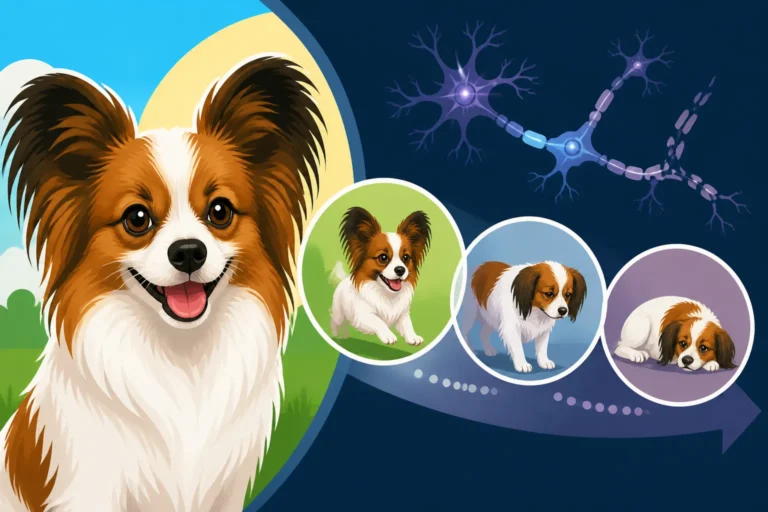
Sometimes, an older Papillon might start acting… well, a little confused. They might stare blankly at walls, get "stuck" in corners, or forget their house training. These can be signs of Canine Cognitive Dysfunction (CCD), often likened to Alzheimer's in humans. Affected dogs might show signs of disorientation, changes in sleep-wake cycles (pacing at night, sleeping all day), altered interactions with family, and a decrease in activity levels. It can be incredibly frustrating and sad to see your intelligent, once-sharp Papillon struggling with basic tasks. The distress you feel is completely valid.
While there’s no cure for CCD, there are ways to manage it and improve their quality of life. Your vet might recommend supplements like S-adenosylmethionine (SAMe) or diets rich in antioxidants and omega-3 fatty acids, which can support brain health. Maintaining a consistent routine, providing gentle mental stimulation with puzzle toys appropriate for their abilities, and offering lots of reassurance can help. If you notice your Papillon struggling with disorientation, particularly at night, this could be a clear sign of Night Confusion in an Old Papillon. Keeping nightlights on and ensuring their bed is easily accessible can help minimize anxiety.
Maintaining Social Connections and Comfort
Even as they slow down, senior Papillons still crave connection and affection. They might not want to play as vigorously, but they still thrive on gentle interaction with their family. Continue to talk to them, pet them, and include them in quiet family activities. If they’re less mobile, bring the comfort to them, perhaps by sitting on the floor for a cuddle session.
Creating a secure and predictable environment is crucial. Sudden changes in routine, new people, or unfamiliar places can be more stressful for an older dog. Their world might be shrinking, so ensuring their immediate surroundings are safe, comfortable, and consistent provides immense peace of mind for them. Gentle massage can also be wonderfully comforting for an older dog, helping to soothe aching joints and strengthening your bond. Remember, they have given you years of unconditional love; now it’s our turn to provide them with the ultimate comfort and security in their twilight years.
The Joy and Responsibility of Caring for a Senior Papillon
Caring for a senior Papillon is a profound journey, filled with its unique challenges and immeasurable rewards. It calls for patience, attentiveness, and a deep well of love.
Embracing Their Slower Pace
It’s easy to lament the loss of their youthful vigor, but there’s a quiet beauty in a senior Papillon. They might not be able to hike miles with you anymore, or perform dazzling agility routines, but they offer a different kind of companionship. This is a time to embrace their slower pace, to appreciate the quiet moments, the gentle head resting on your lap, or the soft snores from their cozy bed. You might find new ways to bond, perhaps through gentle grooming sessions, quiet cuddles, or short, leisurely strolls that allow them to sniff and explore at their own speed.
The goal shifts from pushing them to be active to ensuring their comfort and happiness in every moment. Focus on the quality of their life, celebrating their presence and the rich history you share. There’s something incredibly fulfilling about providing comfort to a creature who has given you so much joy over the years. It reminds us of the true depth of the human-animal bond, and how it evolves over time.
Financial Considerations for Senior Pet Care
Let's be realistic: senior pet care can be expensive. With more frequent vet visits, potential diagnostic tests, medications for chronic conditions like arthritis or heart disease, and specialized senior diets, the costs can add up quickly. This is often an aspect that new owners don't fully anticipate when they first bring home a bouncy puppy. It can feel overwhelming, especially if your Papillon develops multiple age-related conditions. This is often why owners wonder What an Aging Papillon Costs a Year.
Many owners find a good pet insurance plan, like those offered by Healthy Paws, can be a lifesaver, helping to cover a significant portion of these unexpected vet bills. However, it's crucial to enroll in pet insurance before your dog is considered senior or develops pre-existing conditions, as many policies won't cover conditions that are already present. Building an emergency fund specifically for your pet's future health needs can also provide peace of mind. It’s a responsibility we take on when we welcome a pet into our lives, and planning for these later-life expenses is a vital part of being a responsible owner.
Disclaimer
The information provided in this article is for general informational purposes only and is not a substitute for professional veterinary advice. Always consult with a qualified veterinarian regarding your Papillon's specific health concerns and before making any decisions related to their medical care or treatment.