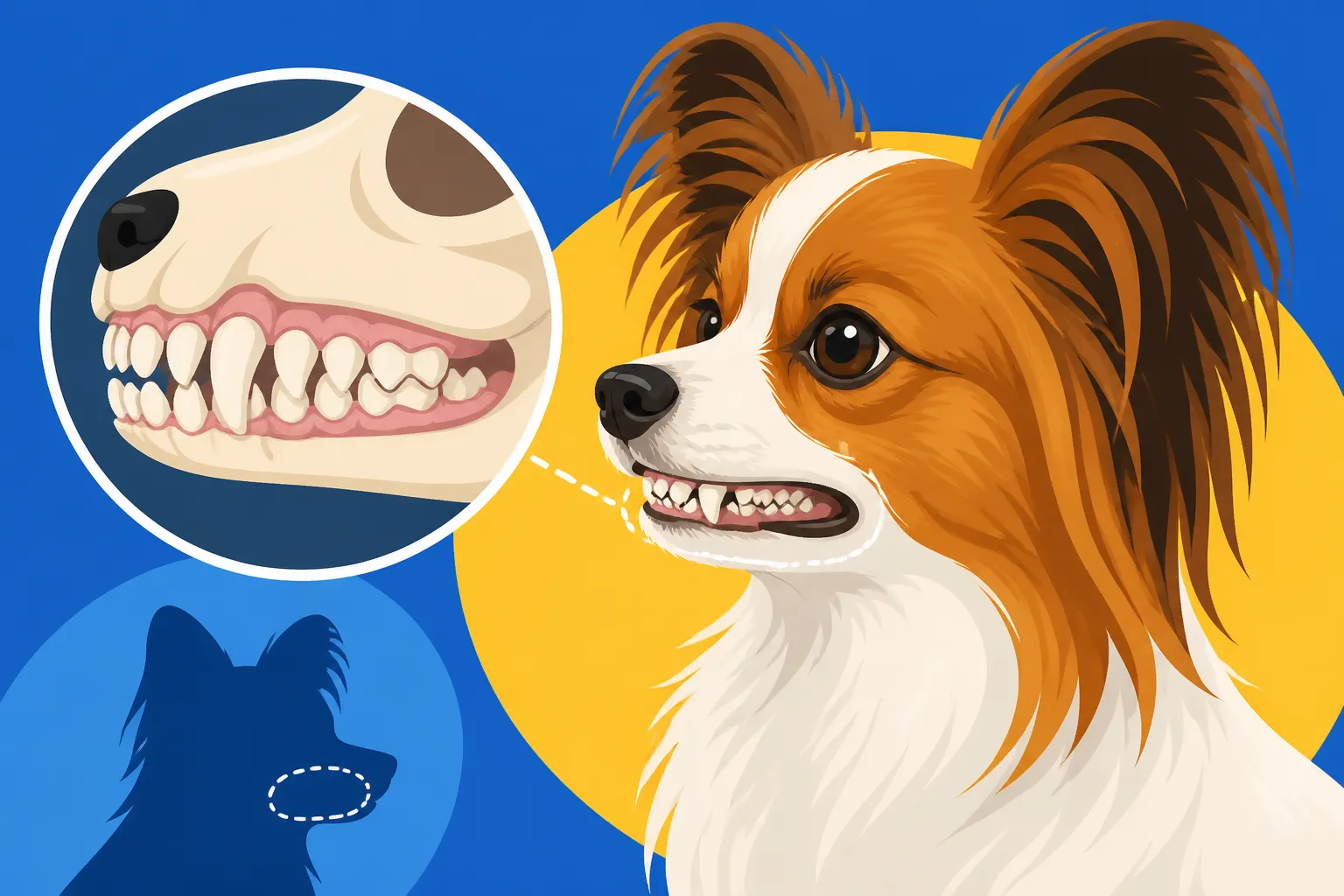
Why a Papillon’s Jaw Crowds Its Teeth
It’s a scenario many Papillon owners know all too well: you peer into your little butterfly's mouth, expecting dainty teeth, and instead find a surprisingly crowded landscape. This isn't just an aesthetic concern; a Papillon's jaw often struggles to accommodate all 42 adult teeth, leading to a cascade of potential health issues that can range from mild discomfort to serious systemic problems. This guide will delve deep into why this happens, what specific problems it causes, and most importantly, how you can proactively care for your Papillon's unique dental needs to ensure they live a long, happy, and pain-free life.
The Unique Anatomy of a Papillon's Mouth and Jaw
When you bring home a Papillon, you're embracing a miniature marvel, but this small size comes with its own set of fascinating — and sometimes challenging — anatomical quirks. The dental structure is certainly one of them. Unlike some other features that scale down with body size, a dog's tooth count largely remains constant across breeds, from a Great Dane to a tiny Papillon.
Why Small Breeds Have Big Dog Teeth
Imagine trying to fit all your furniture into a much smaller room; that's essentially what happens in a Papillon's mouth. Adult dogs, regardless of their size, typically develop 42 permanent teeth. These include incisors for nipping, canines for gripping, and a full set of premolars and molars for crushing and grinding food. While the teeth themselves might be slightly smaller in a Papillon compared to a larger breed, the reduction in jaw size is often disproportionately greater than the reduction in tooth size.
This means a lot of teeth are trying to fit into a relatively tiny space. This isn't just a Papillon trait, it's common across many toy breeds. Their evolution towards miniature stature prioritized overall body size, often without a corresponding genetic blueprint to also shrink the number or even the relative size of the teeth. The result? Teeth that are too large for the jaw, leading to misalignment, rotations, and a general lack of proper spacing. This crowding is a primary reason why a Papillon's jaw crowds its teeth, setting the stage for a lifetime of potential dental challenges.
The Genetic Predisposition to Dental Crowding
It's not just a roll of the dice; genetics play a significant role in why some Papillons have more crowded teeth than others. Years of selective breeding for increasingly smaller sizes in many toy breeds have, inadvertently, led to a predisposition for dental problems. Breeders often focused on desirable physical traits like ear set, coat, and overall "cuteness" (for lack of a better word), sometimes overlooking the subtle but crucial aspects of jaw and dental health.
This means that a Papillon puppy is often born with a genetic blueprint for a small jaw, but with the standard instruction to grow 42 adult teeth. There simply isn't enough room. This genetic predisposition can also manifest in other ways, such as the persistence of deciduous (baby) teeth. It’s incredibly common for Papillons to retain their baby teeth long after the adult teeth have started to erupt, creating a "double row" of teeth. If you've ever wondered "Whether a Papillon Retains Its Baby Teeth", the answer is a resounding yes, and it significantly exacerbates the crowding problem. This issue further complicates the dental landscape, preventing adult teeth from settling into their proper positions and making hygiene even more difficult. Reputable breeders are increasingly aware of these issues and strive to breed for better dental health, but it remains a widespread challenge in the breed.
Common Issues Arising from Crowded Papillon Teeth
The aesthetic aspect of crowded teeth might seem minor, but the functional and health consequences for your Papillon are anything but. When teeth are packed together, they create an ideal environment for bacteria to thrive, leading to a cascade of serious oral health problems.
Accelerated Plaque and Tartar Buildup
Imagine trying to clean between tightly packed books on a shelf; it's nearly impossible to reach every crevice. The same principle applies to your Papillon's crowded mouth. When teeth overlap or are rotated, they create tiny, inaccessible pockets where food particles, saliva, and bacteria can accumulate undisturbed. This sticky film, known as plaque, starts forming almost immediately after a meal.
In a healthy, well-spaced mouth, some plaque might be naturally removed by chewing on kibble or toys. But with crowding, these areas become safe havens for plaque. If not removed within 24-48 hours, plaque begins to mineralize and harden into tartar (calculus), a substance so hard it cannot be removed by brushing alone. Papillons, due to their crowded mouths, often show significant tartar buildup at a much younger age than larger breeds or those with better dental spacing. This accelerated buildup is why you might notice "How Early Tartar Appears on a Papillon" within just a few years, sometimes even sooner for particularly predisposed individuals. Once tartar forms, it acts like a rough surface, attracting even more plaque and tartar, creating a vicious cycle of accumulation.
Increased Risk of Periodontal Disease
The rapid accumulation of plaque and tartar isn't just unsightly; it's a breeding ground for periodontal disease, the most common health issue in dogs. Periodontal disease starts with gingivitis, an inflammation of the gums caused by bacterial toxins. You might notice red, swollen, or bleeding gums, or even bad breath – often the first sign owners pick up on.
If left unaddressed, gingivitis progresses to full-blown periodontal disease, a much more serious condition. The bacteria and inflammation begin to destroy the supporting structures of the tooth, including the periodontal ligament and the bone that holds the tooth in place. This process is irreversible and incredibly painful, leading to gum recession, deep pockets around the tooth roots, and ultimately, tooth mobility and loss.
Beyond the mouth, the constant bacterial load and inflammation from severe periodontal disease can have far-reaching systemic effects. Bacteria from infected gums can enter the bloodstream, traveling to and impacting vital organs such as the heart, kidneys, and liver. For instance, chronic dental infections have been linked to an increased risk of heart problems, especially for conditions like endocarditis. Understanding "What a Papillon Gets Heart Disease" means understanding the interconnectedness of their oral and overall health. It’s a stark reminder that a healthy mouth contributes to a healthy body.
Other Oral Health Complications
Beyond plaque, tartar, and periodontal disease, crowded Papillon teeth can lead to several other uncomfortable and potentially serious issues:
- Malocclusions and Abnormal Wear: When teeth are misaligned or rotated, they don't meet correctly when the dog chews. This can lead to abnormal wear patterns, with some teeth being ground down excessively while others might be spared. This uneven wear can expose the sensitive inner pulp of the tooth, leading to pain and infection. In severe cases, misaligned teeth can even dig into the opposing gum tissue or palate, causing chronic irritation, sores, and pain.
- Tooth Resorption: Though more commonly recognized in cats, tooth resorption can occur in dogs, including Papillons, especially in cases of chronic inflammation. This condition involves the body's own cells breaking down and reabsorbing parts of the tooth structure. It's incredibly painful and often requires extraction of the affected tooth.
- Fractured Teeth: Crowded teeth can be weaker or more susceptible to fractures due to unusual forces exerted during chewing or if they impact each other incorrectly. A fractured tooth, especially if it exposes the pulp, is an emergency as it's a direct pathway for bacteria into the jawbone and bloodstream.
- Oral Pain and Behavior Changes: It's important to remember that dogs are often masters at hiding pain. A Papillon suffering from chronic dental pain due to crowding, gum inflammation, or infection might not vocalize their discomfort directly. Instead, you might notice subtle changes: reluctance to play with toys, decreased appetite, chewing on only one side of their mouth, drooling, pawing at their face, or simply a general decrease in energy or enthusiasm. These signs indicate that serious intervention is likely needed, as the pain can significantly impact their quality of life.
Proactive Care and Management Strategies for Papillon Teeth
Given the inherent challenges of a Papillon's crowded mouth, a proactive and consistent dental care routine is not just recommended, it's absolutely essential. Ignoring their dental health is akin to ignoring a slowly ticking time bomb for their overall well-being.
Daily Oral Hygiene at Home
The cornerstone of preventing severe dental disease is daily home care. Yes, daily! This might sound like a huge commitment, especially with a tiny, sometimes squirmy, Papillon, but it truly makes the biggest difference. The goal is to remove plaque before it hardens into tartar.
- Brushing: The gold standard is tooth brushing. You'll need a small toothbrush designed for dogs, or even a finger brush, and pet-specific enzymatic toothpaste (never human toothpaste, as it contains ingredients toxic to dogs like xylitol). Start slowly and make it a positive experience with praise and treats. Focus on the outside surfaces of the teeth, especially the molars and canines, as this is where plaque tends to accumulate most. Aim for at least 30 seconds per side. Consistently brushing "Why a Papillon's Teeth Need Brushing Daily" can significantly reduce plaque buildup.
- Dental Wipes and Gels: If brushing is truly impossible, dental wipes can help remove some plaque from accessible tooth surfaces. Oral gels or water additives containing plaque-reducing enzymes or antibacterial agents can also be beneficial, but remember these are adjunctive therapies. They help, but they don't replace the mechanical action of brushing.
- Early Start: Begin practicing handling your Papillon puppy's mouth from a very young age. This desensitization will make future brushing and vet exams much easier. Even if you're just gently rubbing their gums with your finger, it's a start.
Professional Veterinary Dental Care
Even with the most diligent home care, professional dental cleanings under anesthesia are almost always necessary for Papillons. Think of it like your own dental hygiene: you brush daily, but you still see the dentist for a professional cleaning.
A professional cleaning goes far beyond what you can do at home. It includes:
- Comprehensive Oral Exam: The vet performs a thorough check of every tooth, gum line, and oral cavity, often identifying issues hidden from a cursory glance.
- Scaling Above and Below the Gumline: Using specialized ultrasonic and hand instruments, the vet meticulously removes all plaque and tartar from the visible tooth surfaces and, crucially, from below the gumline where periodontal disease really takes hold. This subgingival cleaning is impossible without anesthesia and is vital for gum health.
- Polishing: After scaling, the teeth are polished to smooth out any microscopic etches left by the instruments. A smooth surface is much less prone to plaque re-adherence.
- Dental X-rays: This is perhaps the most important part of a thorough cleaning, especially for crowded mouths. Dental X-rays allow the vet to see what's happening below the gumline, revealing hidden problems like bone loss, root abscesses, un-erupted teeth, or tooth resorption. Without X-rays, up to 75% of dental disease can be missed.
- Extractions or Other Treatments: If severe disease or overcrowding is present, extractions might be necessary. This is often the case for retained baby teeth or adult teeth compromised by advanced periodontal disease.
These procedures can be costly, and the thought of "What a Papillon's Dental Costs" might give you pause, but it’s a necessary investment in your dog’s health. Many Papillon owners find that investing in pet insurance from a provider like Healthy Paws can significantly ease the financial burden of these essential and often repeated procedures throughout their dog's long life.
Dietary Considerations and Chew Toys
What your Papillon eats and chews on can also play a supporting role in their dental health.
- Kibble Size and Type: Choose a high-quality kibble with appropriately sized pieces that your Papillon can comfortably chew. Some specialized dental diets are designed with unique kibble shapes and textures that mechanically help scrub plaque from the tooth surface as the dog chews. Look for diets approved by the Veterinary Oral Health Council (VOHC) for proven efficacy.
- Dental Chews: Not all dental chews are created equal. Again, prioritize VOHC-approved dental chews. These have been scientifically proven to reduce plaque and/or tartar. Be very cautious with extremely hard chews (like antlers, bones, or nylon chews) as these can lead to slab fractures of the teeth, which are painful and require veterinary intervention. Always supervise your Papillon with any chew toy to ensure they chew safely and don't try to swallow large pieces. Remember, dental chews are a supplement to brushing and professional cleanings, not a replacement.
- Fresh Food and Veggies: While there’s some anecdotal evidence that certain raw foods or crunchy vegetables might help clean teeth, there’s no scientific proof they replace professional care. Always discuss dietary changes with your vet to ensure they are balanced and appropriate for your Papillon.
When to Seek Veterinary Intervention for Dental Issues
Even with the best home care, your Papillon will likely need veterinary dental attention throughout their life due to their crowded teeth. Knowing when to act is crucial to prevent suffering and more serious health complications.
Recognizing the Signs of Trouble
Papillons are incredibly resilient and often stoic about pain, which means they might hide dental discomfort until it's quite advanced. It's up to us, their human companions, to be vigilant and recognize the subtle cues that something is amiss. Don't wait for obvious signs like a swollen face; by then, the problem is often severe.
Look out for these indicators:
- Bad Breath (Halitosis): This is often the first and most noticeable sign. While "doggy breath" is common, foul, putrid, or exceptionally strong breath is a hallmark of bacterial overgrowth from plaque and infection.
- Reluctance to Eat or Chew on Hard Things: Your Papillon might suddenly show less interest in their kibble, prefer softer foods, or drop food from their mouth. They might also stop playing with their favorite chew toys.
- Pawing at the Mouth or Rubbing Face: Any unusual head shaking, pawing at their mouth, or rubbing their face against furniture could signal discomfort.
- Drooling: Excessive drooling, especially if it's bloody or discolored, is a definite red flag.
- Bleeding Gums: While brushing, you might notice blood on the brush or in their saliva. Healthy gums should not bleed.
- Loose or Missing Teeth: This is a clear sign of advanced periodontal disease and immediate veterinary attention is needed.
- Facial Swelling: Swelling under an eye or on the jawline can indicate an abscessed tooth root, which is incredibly painful and dangerous.
- Behavioral Changes: A decrease in energy, irritability, or withdrawal can all be subtle signs that your Papillon is in pain. They might also become less tolerant of being touched around the head.
If you observe any of these signs, even if they seem minor, it's time to schedule a veterinary dental examination. Early detection and intervention can save your Papillon from unnecessary pain, prevent irreversible damage, and potentially extend their lifespan. Remember, a Papillon's comfort and quality of life depend heavily on a healthy mouth. To gain a broader perspective on their health journey, considering "Fifteen Years of a Papillon, Priced Out" often reveals that consistent dental care is a major factor in long-term wellness and cost management. Also, knowing "How Common Dental Disease Is in Papillons" highlights just how prevalent these issues are, reinforcing the need for vigilance.
Understanding Dental Procedures and Costs
When your veterinarian recommends a dental procedure, it's natural to have questions, especially concerning the scope and expense. For Papillons with crowded teeth, the plan might extend beyond a simple cleaning.
- Anesthesia: All professional dental cleanings and procedures require general anesthesia. This allows for a thorough, pain-free examination, X-rays, scaling, and any necessary extractions. Because Papillons are small, their anesthetic protocols are carefully tailored. They require precise dosing, constant monitoring of vital signs (heart rate, respiration, blood pressure, temperature), and often IV fluids to maintain hydration and blood pressure. It's a valid concern, and topics like "Anesthesia and a Five Pound Papillon" are important for owners to understand. Many vets will require "Whether a Papillon Needs Bloodwork Before a Dental" to ensure your Papillon is a good candidate for anesthesia and to catch any underlying health issues.
- Extractions: Due to crowding, retained baby teeth, or advanced periodontal disease, extractions are a common procedure for Papillons. Removing compromised teeth eliminates sources of pain and infection, giving the remaining healthy teeth more space and making home care easier. While losing a tooth might sound sad, it's often the kindest and healthiest option for your dog.
- Specialized Treatments: In some severe cases, root canals or even orthodontics might be discussed, though these are less common for general crowding and more for specific tooth fractures or severe bite misalignments.
- Cost Considerations: Dental procedures, especially those involving anesthesia, X-rays, and extractions, can be a significant expense. The cost varies widely based on location, the vet's experience, and the extent of the work needed. This is where pet insurance can be a game-changer. Companies like Healthy Paws offer various plans that can cover a substantial portion of these unexpected (or expected!) dental bills, allowing you to make medical decisions based on what’s best for your Papillon, not just what you can afford out-of-pocket. It’s worth exploring "How Often a Papillon Needs a Dental Cleaning" to budget for future care.
| Home Dental Care Tool | Purpose | Frequency | Papillon-Specific Tip |
|---|---|---|---|
| Small Toothbrush/Finger Brush | Daily plaque removal from tooth surfaces | Daily | Choose brushes specifically designed for tiny dog mouths. Focus on the outer surfaces first, as these accumulate the most plaque. |
| Pet Toothpaste | Enzymatic action to break down plaque; freshens breath | Daily | Use a palatable flavor (poultry or beef are often favorites) to make the experience more appealing for your Papillon. Never use human toothpaste. |
| Dental Wipes | Quick cleaning for visible plaque on accessible teeth | Daily or every other day | Good for puppies or Papillons resistant to brushing. They're a helpful supplement but less effective at reaching below the gumline. |
| Oral Rinses/Water Additives | Reduce bacteria in the mouth, freshen breath, reduce plaque adhesion | Daily (as directed) | Use as an adjunct to brushing. Ensure your Papillon tolerates the taste and that the product is veterinary-approved. |
| VOHC-Approved Dental Chews | Mechanical scraping action, sometimes enzymatic benefits | Daily (with supervision) | Select appropriate size and hardness to avoid choking hazards or tooth fractures. Look for the VOHC seal of approval for proven effectiveness. |
Disclaimer
This article is intended for informational purposes only and does not constitute veterinary advice. Always consult with a qualified veterinarian for any health concerns or before making any decisions about your Papillon's care.