Whether a Papillon Needs Bloodwork Before a Dental
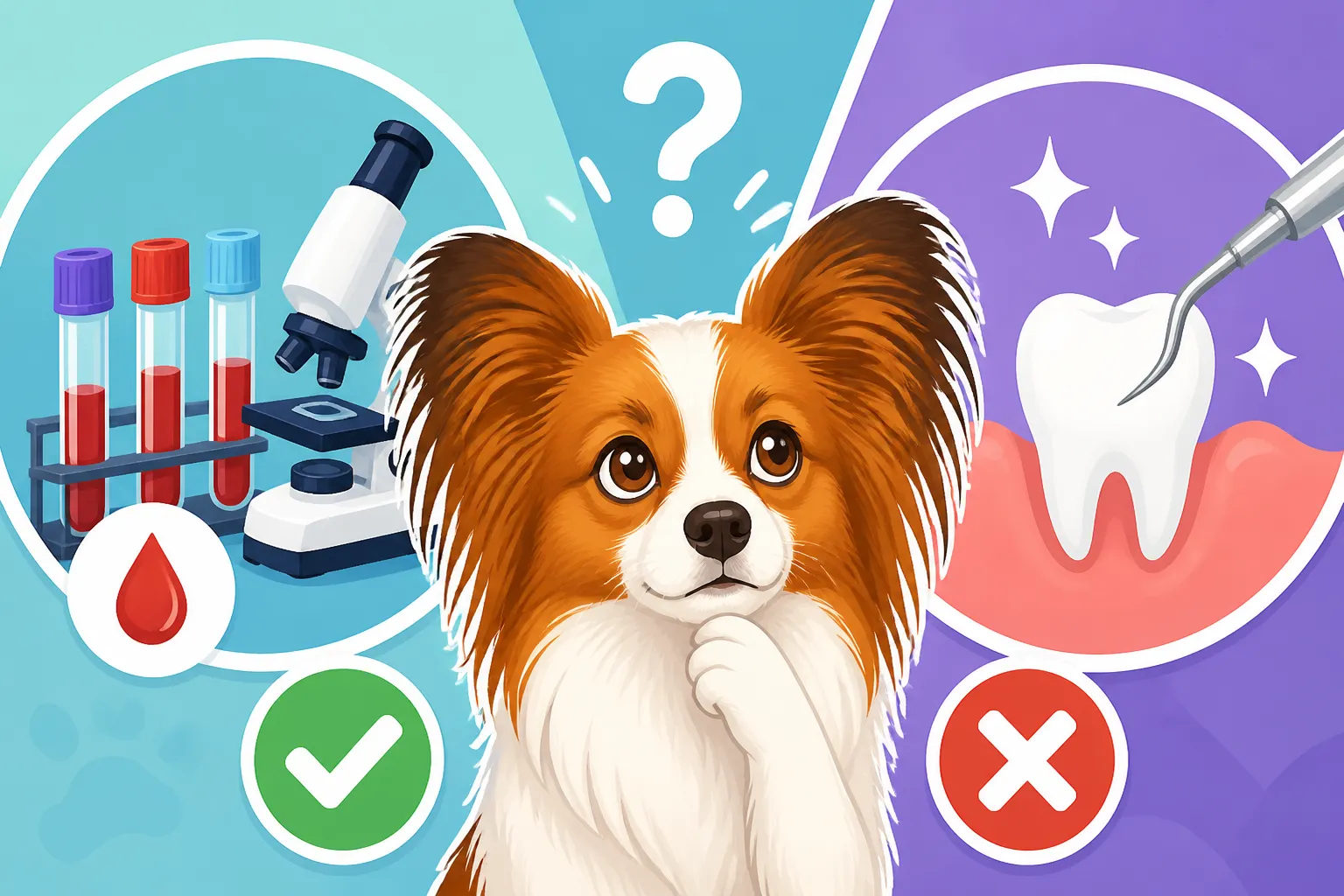
It’s a common scenario: your veterinarian suggests pre-anesthetic bloodwork for your beloved Papillon before their dental cleaning, and you find yourself wondering if it's truly necessary or just an added expense. You love your little companion, of course, but veterinary bills can certainly add up, and it's easy to feel overwhelmed by all the recommendations. This guide is here to shed light on why that bloodwork is often a crucial step in ensuring your Papillon's safety and well-being during a dental procedure.
Understanding the Risks of Anesthesia for Papillons
Bringing your Papillon in for any procedure requiring anesthesia can feel nerve-wracking, and rightly so. Anesthesia, while generally safe, carries inherent risks for any dog, and these risks can sometimes be magnified in smaller breeds like our dainty Papillons. It's not about being overly dramatic; it's about understanding the unique physiological quirks that make them a little different.
Why Small Dogs Like Papillons Are Different
Papillons are marvels of miniature engineering, full of spirit and energy despite their small stature, typically weighing in at a mere five to ten pounds. This small size, while endearing, also means their bodies process medications and regulate temperature differently than a larger dog. Think about it: a five-pound Papillon has a much higher surface area-to-volume ratio compared to, say, a 60-pound Labrador. This makes them much more prone to hypothermia during anesthesia, as they lose body heat more rapidly.
Their tiny organs, while perfectly functional, are also more sensitive to the various drugs used in anesthesia. A dosage that's fine for a medium-sized dog could be an overdose for a Papillon, or vice versa if not precisely calculated. Their metabolic rates can also be different, affecting how quickly they metabolize anesthetic agents. This is why discussions around Anesthesia and a Five Pound Papillon are so important, emphasizing the need for meticulous care and tailored protocols. Without a clear picture of their internal health, administering anesthesia becomes a much riskier guessing game.
The Importance of Pre-Anesthetic Screening
Imagine driving a car without knowing if the engine has oil, if the brakes work, or if the battery is charged. You might get to your destination, but the risk of a breakdown is significantly higher. Pre-anesthetic screening, especially bloodwork, is essentially your Papillon's pre-trip vehicle inspection. It gives your veterinary team a vital snapshot of your dog's internal health, revealing how well their major organs are functioning.
This information is absolutely critical because many health issues, especially in their early stages, don't show obvious external signs. Your Papillon might seem perfectly healthy, eating well, playing, and acting like their usual spunky self, even if their kidneys or liver are under stress. These organs are responsible for metabolizing and eliminating anesthetic drugs from the body. If they aren't working optimally, the drugs could stay in your Papillon's system longer, leading to a prolonged and potentially complicated recovery, or even severe organ damage. This foundational screening helps the vet tailor the anesthetic protocol specifically for your Papillon, choosing the safest medications and dosages to minimize risks.
What Pre-Dental Bloodwork Reveals
When your vet talks about bloodwork, they're not just looking for one specific thing. They're gathering a comprehensive picture that helps them understand your Papillon's internal landscape. It’s like putting together pieces of a puzzle to see the whole image of their health.
Comprehensive Organ Function Assessment
Pre-anesthetic bloodwork typically consists of a couple of key components, most commonly a Complete Blood Count (CBC) and a Chemistry Panel. Each provides distinct, valuable insights:
-
Complete Blood Count (CBC): This test gives information about the different types of cells circulating in your Papillon’s blood.
- Red Blood Cells: A low count could indicate anemia, which might compromise oxygen delivery during anesthesia. A high count (polycythemia) could mean dehydration, affecting blood flow.
- White Blood Cells: Elevated levels often point to infection or inflammation, which could complicate a dental procedure, especially if there’s already significant dental disease. Low levels might indicate a compromised immune system.
- Platelets: These tiny cells are crucial for blood clotting. A low platelet count could mean your Papillon is at a higher risk of excessive bleeding during or after surgery. Given that dental procedures involve potential bleeding, knowing this beforehand is vital to prevent complications, especially in a breed that might have other clotting concerns. You can delve deeper into what these tests cover when thinking about What a Papillon's Yearly Bloodwork Should Cover.
-
Chemistry Panel: This panel assesses the function of various organs and systems in the body.
- Kidney Function (BUN, Creatinine): These values indicate how well your Papillon's kidneys are filtering waste products from the blood. Impaired kidney function means anesthetic drugs may not be cleared efficiently, leading to longer recovery times or potential kidney damage.
- Liver Enzymes (ALT, ALP, Bilirubin): The liver is a powerhouse, metabolizing many drugs. Elevated liver enzymes can signal liver disease, which would require careful consideration of anesthetic drug choices to avoid further stress on this vital organ.
- Blood Sugar (Glucose): Especially important for small breeds like Papillons, low blood sugar (hypoglycemia) can be a significant risk during fasting and anesthesia. Knowing their baseline glucose helps the vet monitor and prevent dangerous drops. This is particularly relevant, and you might recall concerns about Signs a Papillon Puppy Has Low Blood Sugar or in very tiny adults.
- Electrolytes (Sodium, Potassium, Chloride): Imbalances can indicate dehydration or underlying systemic diseases, impacting heart function and overall stability during anesthesia.
These comprehensive results allow your veterinary team to make informed decisions. They might opt for different anesthetic drugs that are metabolized in a less demanding way or adjust fluid rates during the procedure to support kidney function. It's all about tailoring the care to your individual Papillon, not just applying a one-size-fits-all approach.
Identifying Hidden Health Concerns
What makes pre-dental bloodwork so indispensable is its ability to uncover what often lies beneath the surface. You might look at your Papillon, see them thriving, and assume everything is perfectly fine. However, many health conditions, particularly in their early stages, are silent. They don't announce themselves with obvious symptoms.
For instance, a Papillon could have early stages of kidney disease, which might not be apparent until it's quite advanced and clinical signs appear. Bloodwork can pick up subtle changes in kidney values before your dog starts drinking excessively or losing weight. Similarly, a mild form of liver disease, perhaps even a congenital condition like a liver shunt, could be detected. If a Papillon has a liver shunt, it means blood isn't properly detoxified, and certain anesthetic drugs could be toxic to their system. Understanding this beforehand is crucial for safety. You can read more about what to look for concerning Signs a Papillon Has a Liver Shunt.
Even conditions like certain clotting disorders, which might not always be routinely tested for unless there’s a specific concern, could be hinted at by CBC results, prompting further investigation. It’s about being proactive rather than reactive, catching potential issues before they become emergencies during or after the dental procedure. This layer of vigilance helps prevent surprises and ensures the dental cleaning, a routine but necessary procedure for many Papillons due to their small jaws and tendency for The Teeth in a Papillon's Small Jaw, goes as smoothly as possible.
| Test Component | What it checks for | Why it's important for Papillons |
|---|---|---|
| Complete Blood Count (CBC) | ||
| Red Blood Cells | Anemia, dehydration | Anemia can reduce oxygen delivery; dehydration impacts circulation. |
| White Blood Cells | Infection, inflammation, immune response | Indicates systemic infection or inflammation that could complicate recovery. |
| Platelets | Blood clotting ability | Crucial for preventing excessive bleeding during dental procedures. |
| Chemistry Panel | ||
| BUN, Creatinine | Kidney function | Kidneys eliminate anesthetic drugs; poor function means slow clearance. |
| ALT, ALP, Bilirubin | Liver function | Liver metabolizes drugs; impaired function requires careful drug selection. |
| Glucose (Blood Sugar) | Diabetes, hypoglycemia risk | Small Papillons are prone to hypoglycemia during fasting and anesthesia. |
| Electrolytes | Hydration, organ balance | Imbalances affect heart rhythm and fluid management during surgery. |
The Financial and Emotional Investment
Let's be real, the cost of veterinary care can be a significant concern for any pet owner. When your vet recommends bloodwork, it’s natural to weigh the immediate cost against the perceived necessity. However, looking at it purely from a financial perspective often misses the bigger picture of your Papillon’s long-term health and your own peace of mind.
Balancing Safety and Cost
The cost of pre-dental bloodwork for a Papillon can vary depending on your location and the specific lab panels run, but it's a legitimate expense. You might ask, "Is this just another way to increase the bill?" The answer, unequivocally, is no. This small upfront investment is a critical safeguard. For more detailed insights into this specific expense, you can look into What a Papillon's Pre Dental Bloodwork Costs.
Consider the alternative: foregoing bloodwork to save a few dollars. If an undetected kidney issue, for example, leads to complications during anesthesia, your Papillon could face a much longer hospital stay, emergency treatments, or even permanent organ damage. The bills for managing such an emergency would far outweigh the initial cost of pre-anesthetic testing. Worse still, the emotional toll of seeing your beloved Papillon suffer from preventable complications is immeasurable.
This is where pet insurance can truly shine. Companies like Healthy Paws often cover diagnostic tests, including pre-anesthetic bloodwork, especially when it’s deemed medically necessary for a procedure. If you're wondering What Insurance Covers on a Papillon, this is exactly the kind of situation where it provides significant value, turning a potentially large, unexpected bill into a manageable deductible and reimbursement. It shifts the financial burden, allowing you to prioritize your Papillon's safety without undue stress about the cost of essential diagnostic steps.
Making an Informed Decision with Your Vet
Ultimately, the decision to proceed with pre-dental bloodwork is one you make in partnership with your veterinarian. They are your primary resource and the best one to assess your Papillon’s individual risk factors. Factors like your Papillon's age will play a role; while it's important for all dogs, it becomes even more critical for senior Papillons. As dogs age, their organ function can naturally decline, making them more susceptible to anesthetic complications. If you're caring for an older Papillon, discussing comprehensive pre-anesthetic testing is paramount, especially when considering Caring for a Papillon Past Eleven.
Don't hesitate to ask questions. A good vet will explain why they recommend specific tests, what they hope to learn, and how those results will influence the anesthetic plan. This open communication is key to feeling confident in the care your Papillon receives. While some healthy young Papillons with no medical history might have a slightly lower risk, the potential to uncover a hidden issue makes the bloodwork a highly recommended, almost indispensable, step for the vast majority. It’s about making the most informed decision possible to protect your little friend.
Preparing Your Papillon for a Dental Procedure
Beyond the bloodwork, a successful dental procedure and recovery involve a broader approach to your Papillon’s health and well-being. It’s not just about what happens on the day of the procedure, but the preparations leading up to it and the care that follows.
Beyond Bloodwork: A Holistic Approach
While bloodwork is foundational, it’s part of a larger picture of pre-anesthetic care. Before any anesthetic procedure, your veterinarian will conduct a thorough physical examination. This often includes listening to the heart and lungs, checking lymph nodes, and assessing overall body condition. If a heart murmur is detected, for example, your vet might recommend additional diagnostics like an echocardiogram (an ultrasound of the heart) to determine its severity and whether it poses an anesthetic risk. For breeds like the Papillon, who can sometimes be prone to heart issues later in life, a cardiac exam is a wise precaution.
Maintaining your Papillon at a healthy weight is also crucial. An overweight Papillon will put extra strain on their cardiovascular system and joints, and it can also complicate anesthesia. Anesthesia doses are often calculated based on ideal body weight, not actual weight if a dog is overweight. Plus, carrying extra pounds can make recovery slower and harder. It’s worth remembering that even a few extra ounces can significantly impact a tiny Papillon, and Why an Overweight Papillon Strains Its Knees is a concern not just for mobility, but for overall health.
You might also discuss any medications your Papillon is currently taking, as some can interact with anesthetic drugs or affect organ function. Honesty and transparency about your Papillon's full health history are essential. Your vet might also recommend specific pre-surgical fasting guidelines, which are critical to follow precisely to prevent aspiration during anesthesia.
Post-Procedure Care and Monitoring
The journey doesn't end when your Papillon wakes up from anesthesia. Post-procedure care is just as vital for a smooth recovery. Your vet will provide detailed instructions on managing pain, monitoring appetite and water intake, and observing for any unusual symptoms. Your Papillon might be a little groggy or disoriented for the first 24 hours, which is normal.
Good at-home dental care can also play a huge role in the long run, potentially reducing the frequency of future professional dental cleanings. Daily brushing, using dog-specific toothpaste, is the gold standard for preventing plaque and tartar buildup. While challenging with their tiny mouths, getting into a routine of Brushing a Papillon's Teeth in a Very Small Mouth is incredibly beneficial. Regular check-ups with your vet can also help monitor dental health and address issues before they become severe, potentially extending the time between major dental procedures. If you're consistent, you might find that the need for deep cleanings becomes less frequent, though certainly not eliminated altogether. Even with the best home care, most Papillons will still need regular professional dental attention, and understanding How Often a Papillon Needs a Dental Cleaning is key to their long-term oral health.
Disclaimer
This article is intended for informational purposes only and is not a substitute for professional veterinary advice, diagnosis, or treatment. Always seek the advice of your veterinarian or other qualified health provider with any questions you may have regarding a medical condition or treatment for your Papillon.