What Changes in a Papillon After Eleven
It’s a bittersweet moment when you realize your spirited Papillon, who still bounces around like a puppy, is actually hitting their senior years. Many of us with these wonderful little companions forget they even age, given their zest for life and often youthful appearance. However, once a Papillon crosses the threshold of eleven years old, you’ll start to notice subtle—and sometimes not-so-subtle—changes in their body, behavior, and overall needs. This guide will walk you through these shifts, helping you understand what to expect and how to provide the best possible care for your cherished senior butterfly dog.
Physical Changes You'll Notice First
Just like us, our Papillons’ bodies begin to show the wear and tear of time. These changes often appear gradually, but paying close attention can help you catch them early and address them effectively.
Changes in Coat and Skin
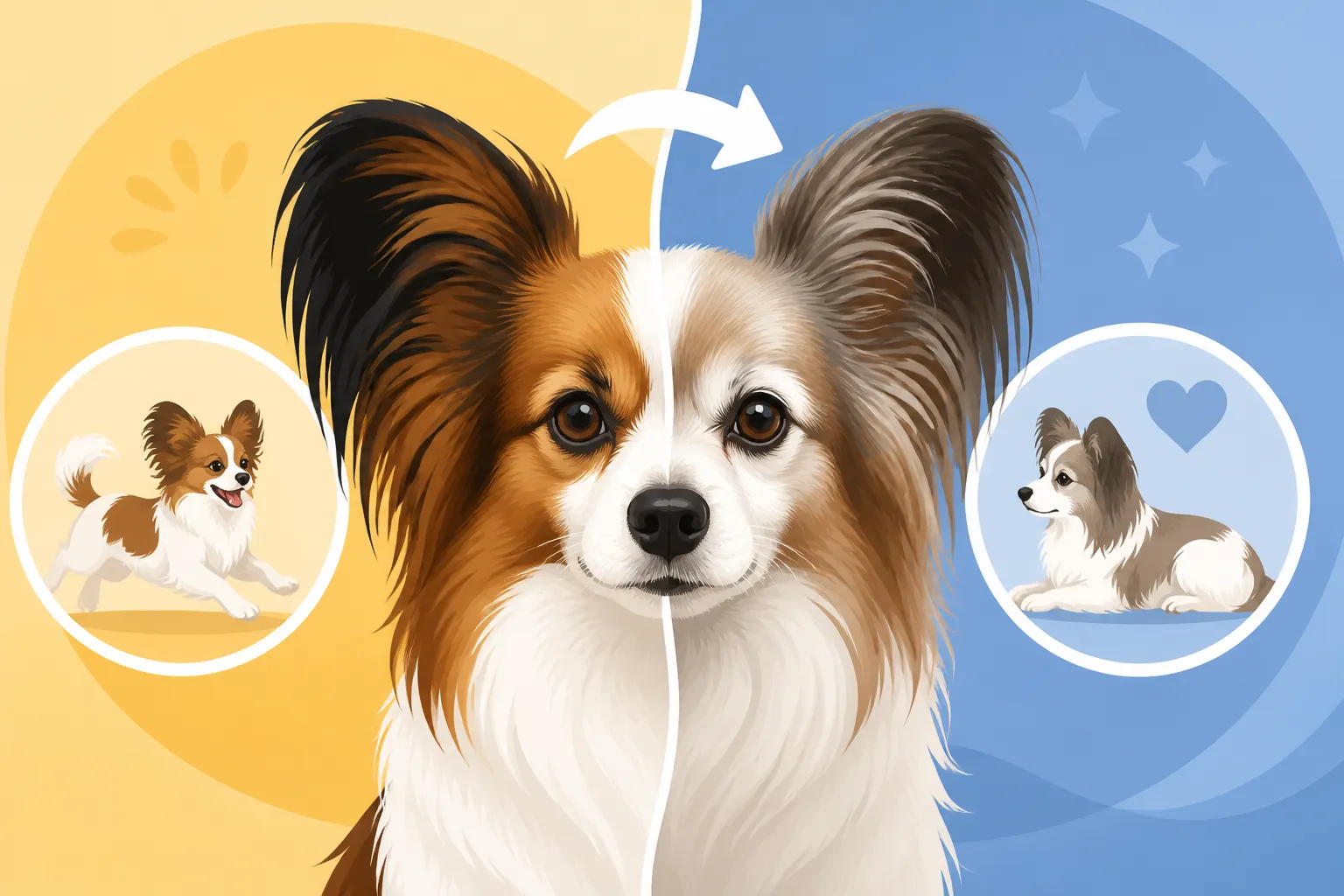
One of the first things you might notice as your Papillon ages is a change in their beautiful, silky coat. That lustrous, flowing hair might start to thin slightly, especially over their back or flanks. You might also observe that the coat isn't quite as vibrant or shiny as it once was, sometimes appearing a little duller or coarser. This is a normal part of aging, often due to changes in metabolism and reduced oil production in the skin.
Beyond the coat, the skin itself can become drier and less elastic. You might see more dandruff, or notice that any small cuts or scrapes take a bit longer to heal. Some senior Papillons might even develop benign skin growths, like fatty tumors (lipomas) or small warts, which are usually harmless but should always be checked by your vet. Maintaining a good grooming routine, perhaps with gentler brushes and moisturizing shampoos, becomes even more crucial now. Regular brushing helps distribute natural oils and stimulates circulation, which is beneficial for skin health.
Hearing and Vision Decline
It's common for Papillons, like many older dogs, to experience some degree of sensory decline. Their sharp hearing might dull, leading to them not responding to their name or the doorbell as quickly as before. You might find yourself having to speak a bit louder or use more hand signals to get their attention. This isn’t a sign of defiance; it’s simply that their ears aren’t as effective at picking up sounds anymore. If you suspect your Papillon is struggling with their hearing, a vet check can confirm it and rule out any treatable causes like ear infections.
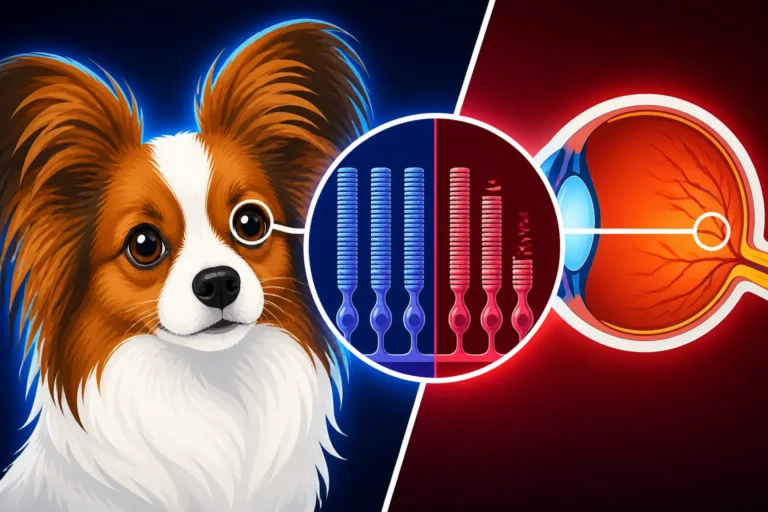
Vision changes are also very prevalent. Many older Papillons, particularly those affected by conditions like Progressive Retinal Atrophy (PRA1), might start to show signs of vision impairment, especially in low light. You might notice them hesitating more at dusk or bumping into furniture in dimly lit rooms. This "night confusion" can be distressing for both you and your dog. While some vision loss is inevitable, understanding what to look for, like dilated pupils in dim light or increased cautiousness, can help you adapt your home environment to keep them safe. Regular eye exams with your veterinarian, and possibly a veterinary ophthalmologist, are essential to monitor eye health and detect conditions like cataracts or glaucoma, which can also affect older Papillons. You might be interested in reading more about The Papillon Type of Progressive Retinal Atrophy and the CNGB1 Gene and Why a Papillon Can Go Blind at Night and Still See in Daylight.
Dental Health Worsening
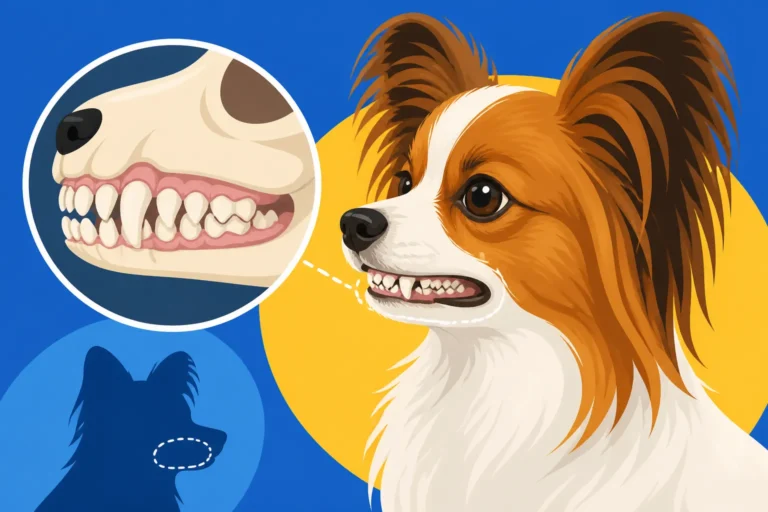
Papillons are famously prone to dental issues throughout their lives due to their small jaws and crowded teeth. As they age past eleven, these problems tend to accelerate. The accumulation of tartar and plaque can lead to severe gum disease, tooth decay, and painful infections. You might notice incredibly bad breath, difficulty eating kibble, pawing at their mouth, or even a reluctance to let you touch their face.
Untreated dental disease isn't just uncomfortable; it can lead to more serious systemic health issues, as bacteria from infected gums can enter the bloodstream and affect vital organs like the heart and kidneys. This makes regular dental check-ups and professional cleanings more important than ever. While the cost of these procedures can be a concern, comprehensive pet insurance plans, like those offered by Healthy Paws, can often help offset the expense, making necessary care more accessible. Even if your Papillon has lost some teeth, they can still live a happy life, often with a diet adjusted to softer foods. For a deeper dive, check out The Teeth in a Papillon's Small Jaw.
Mobility and Joint Health Challenges
The graceful, athletic movements of a younger Papillon can become more challenging as they get older. Joint health and muscle mass naturally decline, affecting their overall mobility.
Worsening Patellar Luxation or Arthritis
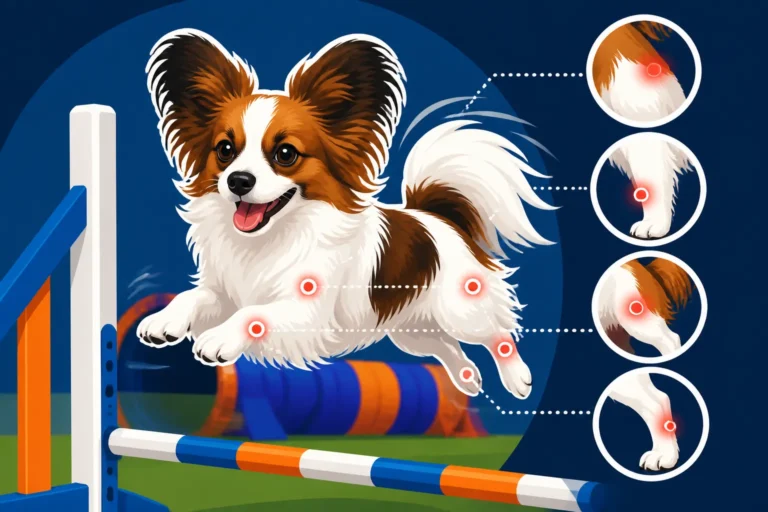
Many Papillons are genetically predisposed to patellar luxation, where the kneecap slips out of place. While some dogs live with lower grades of luxation without much trouble in their younger years, aging can bring this issue to the forefront. The continuous wear and tear, coupled with a natural reduction in cartilage quality, can lead to the development of arthritis in affected joints. Even Papillons without a history of patellar luxation can develop osteoarthritis purely due to age.
You might notice your Papillon limping, having difficulty jumping onto furniture (which they once did with ease), or showing stiffness, especially after resting or in cold weather. They might be reluctant to go for long walks or play as vigorously. This pain and discomfort can significantly impact their quality of life. Your vet can diagnose arthritis through physical examination and X-rays and recommend pain management strategies, including anti-inflammatory medications, joint supplements (like glucosamine and chondroitin), and physical therapy. Understanding Patellar Luxation Is the Papillon Problem You Will Actually Meet can provide more context.
Muscle Loss and Weakness
As Papillons age, they can experience sarcopenia, which is the natural loss of muscle mass. This isn’t just about looking less toned; it directly impacts their strength, balance, and coordination. You might observe a sway in their walk, difficulty getting up from a lying position, or struggles with stairs. Their back legs, in particular, often show noticeable thinning.
Maintaining some level of gentle exercise, coupled with a high-quality, protein-rich diet, can help mitigate muscle loss. Your vet might also suggest specific exercises or even physical therapy to help keep them strong and mobile. It's a fine balance between keeping them active and not overdoing it, especially if they have underlying joint issues. Learning Whether an Old Papillon Loses Muscle can offer further insights.
Changes in Gait and Activity Levels
The once-dashing gait of your Papillon might become slower, more deliberate, or even slightly wobbly. Their boundless energy for chasing squirrels or playing fetch might diminish, replaced by a preference for cozy naps on the sofa. They might still enjoy short, gentle strolls, but endurance will likely decrease.
These changes are normal, but it's important to distinguish between normal slowing down and pain-induced reluctance. If your Papillon consistently avoids certain movements, cries out, or struggles significantly, it's time for a vet visit. Adjusting their exercise routine to shorter, more frequent sessions and incorporating mental stimulation can keep them engaged without putting undue stress on their aging body. Consider investing in pet ramps or steps for furniture to protect their joints from repetitive jumping, especially since Whether a Papillon Should Be Stopped From Jumping Off Furniture is often a concern for many owners.
Internal Health and Organ Function
Beyond the visible changes, a Papillon's internal systems also undergo significant shifts as they move into their golden years. Regular veterinary check-ups become paramount to catch and manage these often silent health issues early.
Heart Health Concerns
Heart disease is a common concern in aging small breeds, and Papillons are no exception. Mitral Valve Disease (MVD) is particularly prevalent, where the mitral valve in the heart thickens and starts to leak, leading to a heart murmur. In its early stages, MVD might not cause any noticeable symptoms, but as it progresses, you might observe coughing (especially at night or when excited), reduced exercise tolerance, increased panting, or even fainting spells.
Routine veterinary exams are crucial, as your vet can listen for heart murmurs during these visits. If a murmur is detected, further diagnostics like X-rays, an echocardiogram (ultrasound of the heart), and blood tests might be recommended to assess the severity and guide treatment. Medications can often help manage the symptoms and slow the progression of heart disease, significantly improving your Papillon’s comfort and How Long a Papillon Lives.
Kidney and Liver Function
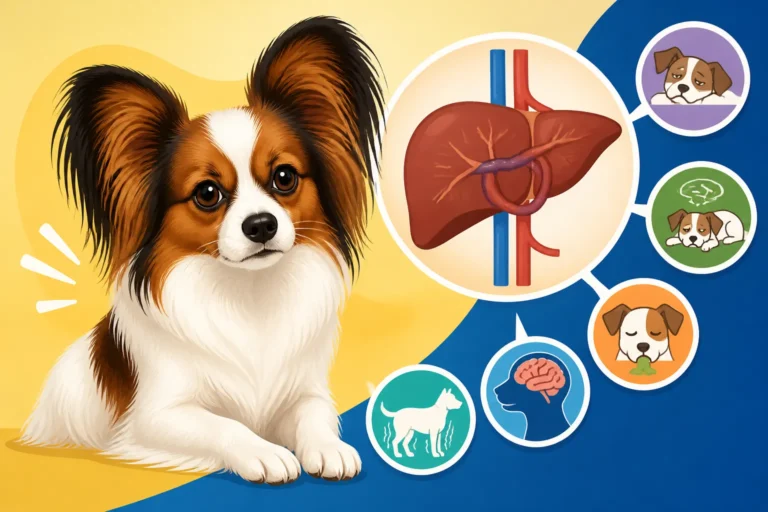
The kidneys and liver are vital organs responsible for filtering toxins from the body and maintaining overall health. As Papillons age, these organs can become less efficient. Kidney disease is a progressive condition often first indicated by increased thirst and urination. Liver issues can manifest in various ways, from changes in appetite to lethargy or even jaundice in severe cases.
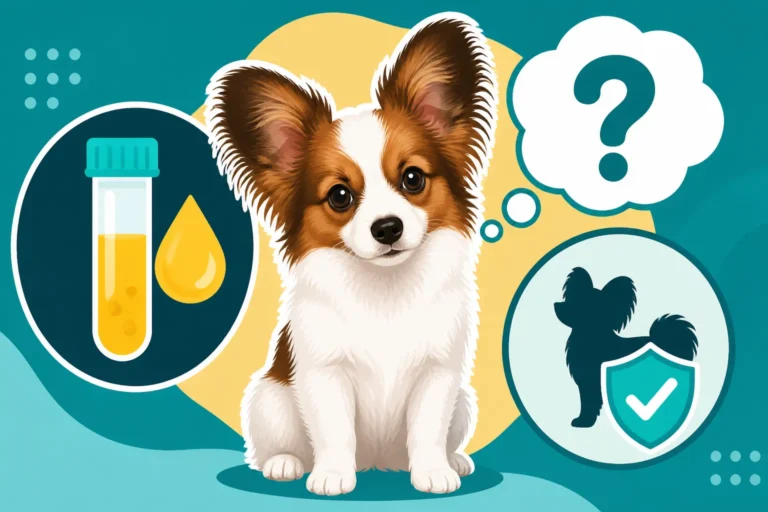
Because early signs can be subtle, regular blood and urine tests, usually performed during annual or biannual wellness exams, are key to detecting problems before they become critical. Early detection allows for dietary changes, medications, and fluid therapy that can support organ function and extend your Papillon's healthy years. Insurance from providers like Healthy Paws can be invaluable for covering the costs associated with chronic disease management, including frequent bloodwork and medications. For example, What a Papillon's Yearly Bloodwork Should Cover will certainly address these concerns.
Increased Cancer Risk
Unfortunately, aging increases the risk of various types of cancer in dogs, just as it does in humans. While Papillons are generally a healthy breed, they are not immune. Cancers can affect any part of the body, from skin tumors to internal organ cancers.
Being vigilant about any new lumps, bumps, unexplained weight loss, changes in appetite or energy levels, or unusual bleeding is important. While not all growths are cancerous, any new finding should be examined by your vet. Early detection and treatment, which might involve surgery, chemotherapy, or radiation, offer the best prognosis. Regular thorough physical exams by your vet are your first line of defense against many age-related illnesses, including cancer.
Behavioral and Cognitive Shifts
The personality and mental acuity of your Papillon can also change after they turn eleven. These shifts can sometimes be challenging to navigate, but understanding them is the first step toward compassionately supporting your aging friend.
Cognitive Dysfunction Syndrome (CDS)
Often referred to as "doggy dementia," Cognitive Dysfunction Syndrome (CDS) affects a significant number of older dogs. The signs can be subtle at first but typically involve a decline in memory, learning, and awareness. You might notice your Papillon getting confused in familiar environments, staring blankly at walls, or struggling to navigate around obstacles they used to know well.
Common signs of CDS include:
- Disorientation: Getting lost in the house, standing in corners, or forgetting where their food bowl is.
- Changes in Social Interactions: Becoming more withdrawn, less enthusiastic about greetings, or sometimes more clingy.
- Sleep-Wake Cycle Disturbances: Restlessness at night, pacing, or barking, and sleeping more during the day.
- House-soiling: Having accidents inside despite being reliably house-trained for years.
- Changes in Activity Levels: Decreased interest in play or exploring, or increased aimless wandering.
While there's no cure for CDS, strategies like maintaining a consistent routine, providing mental enrichment (puzzle toys, gentle training), and sometimes medication or specific dietary supplements can help manage symptoms and improve their quality of life. This can be a particularly tough change for owners, so understanding Night Confusion in an Old Papillon can be helpful.
Changes in Temperament and Social Interaction
An aging Papillon might experience shifts in their temperament. Some become more sensitive and easily startled, while others might become a bit more irritable, especially if they are in pain or feeling disoriented. They might tolerate less handling or become less patient with children or other pets. Conversely, some older Papillons become more clingy, seeking comfort and reassurance from their owners more frequently.
These changes are often a reflection of underlying physical discomfort, sensory loss, or cognitive decline. If your Papillon suddenly becomes uncharacteristically grumpy or withdrawn, a vet visit is warranted to rule out pain or illness. Providing a quiet, safe space where they can retreat, respecting their need for personal space, and maintaining gentle, positive interactions can help them feel more secure.
Altered Sleep Patterns and Anxiety
Just as with CDS, older Papillons often experience disrupted sleep patterns. They might sleep more during the day but become restless, anxious, or vocal at night. This nocturnal restlessness can be a sign of discomfort, cognitive decline, or a reduced ability to cope with environmental stimuli.
Increased anxiety can also manifest in other ways, such as increased barking, destructive chewing, or fear of noises they once ignored. Creating a calm, predictable routine, ensuring they are comfortable (a soft, orthopedic bed can make a huge difference), and providing gentle reassurance can help. In some cases, your vet might suggest calming supplements or medications to help manage severe anxiety or sleep disturbances.
Nutritional and Hydration Needs
As a Papillon enters their senior years, their body's metabolic rate and nutritional requirements change. What worked for them as a younger dog might not be ideal anymore.
Appetite Changes and Weight Management
You might notice shifts in your senior Papillon's appetite. Some dogs become pickier eaters, turning up their nose at food they once devoured. This could be due to a decreased sense of smell or taste, dental pain, or underlying medical conditions. Conversely, some older dogs, especially if their activity levels drop significantly, might gain weight more easily.
Weight management is crucial. An overweight senior Papillon puts extra strain on already aging joints, exacerbating conditions like arthritis or patellar luxation. On the other hand, unexplained weight loss can be a red flag for many serious health issues, including dental pain, kidney disease, heart disease, or cancer. Regular monitoring of their weight and body condition score, along with dietary adjustments as recommended by your vet, are essential. You might need to look into Whether an Old Papillon Needs Softer Food if dental issues are present.
Increased Water Intake or Dehydration Risk
Changes in water consumption are significant indicators of health. Increased thirst and urination can be a sign of kidney disease, diabetes, or other endocrine disorders. While it’s good for them to drink, excessive drinking warrants a vet check. Conversely, some older Papillons might simply forget to drink enough, especially if they are less active or have cognitive decline, increasing their risk of dehydration.
Ensuring fresh water is always available and easily accessible is vital. You might consider placing multiple water bowls around the house, offering wet food to increase water intake, or even adding a little low-sodium broth to their water to encourage drinking.
Dietary Adjustments for Seniors
Many commercial pet food brands offer specialized "senior" formulas designed to meet the unique needs of older dogs. These diets often have reduced calorie content to prevent weight gain, adjusted protein levels to support muscle mass without overtaxing kidneys, and sometimes contain joint-supporting ingredients like glucosamine.
However, a "senior" diet isn't a one-size-fits-all solution. Your vet is the best resource for recommending the most appropriate diet based on your Papillon's individual health status, weight, and any existing medical conditions. They might suggest specific therapeutic diets for kidney, heart, or dental issues. Supplements, such as omega-3 fatty acids for joint and cognitive health, might also be beneficial, but always discuss these with your vet before adding them to your Papillon's regimen.
Adapting Your Home and Routine for Your Senior Papillon
As your Papillon changes, so too should their environment and daily routine. Thoughtful adaptations can significantly enhance their comfort, safety, and overall quality of life. For a general overview of these adjustments, you might want to look at What Changes in an Aging Papillon's Care.
Creating a Safe and Accessible Environment
The home you shared with a bouncy, athletic younger Papillon might present challenges for a slower, less agile senior.
- Ramps and Steps: Provide ramps or pet steps to allow easy access to furniture (beds, sofas) they still enjoy, preventing painful jumps and reducing strain on their joints. This is particularly important if they are developing arthritis or have a history of patellar luxation.
- Non-Slip Surfaces: Hardwood, tile, or laminate floors can become treacherous for older dogs with reduced muscle strength and balance. Place non-slip rugs or runners in frequently used areas to provide better traction and prevent falls.
- Clear Pathways: Keep pathways clear of clutter to reduce tripping hazards, especially if your Papillon's vision is declining. Maintaining a consistent layout can also help dogs with cognitive dysfunction navigate more easily.
- Cozy Retreats: Ensure they have a warm, comfortable bed, possibly an orthopedic one, in a quiet, draft-free area where they can rest undisturbed.
Adjusting Exercise and Play
While their activity levels will naturally decrease, senior Papillons still benefit from regular, gentle exercise and mental stimulation.
- Shorter, More Frequent Walks: Instead of one long walk, try two or three shorter, slower strolls throughout the day. This allows them to stretch their legs, sniff around, and maintain some muscle tone without overexertion. Always gauge their energy levels and stop if they show signs of fatigue or discomfort.
- Mental Enrichment: Puzzle toys, sniff games, and short, positive training sessions can keep their minds engaged. Learning new, simple tricks or reviewing old ones can be excellent for cognitive health and bonding.
- Gentle Play: Adapt play sessions to their capabilities. A soft toy tossed a short distance or a gentle game of tug can still be enjoyable. Avoid high-impact activities or intense roughhousing that could lead to injury.
The Importance of Regular Veterinary Care
More than ever, regular veterinary check-ups are the cornerstone of care for a senior Papillon. Many age-related conditions progress silently, and early detection is key to effective management.
- Increased Frequency: While younger adults might get an annual check-up, senior Papillons often benefit from semi-annual (every six months) veterinary visits. This allows your vet to monitor their health more closely, catch subtle changes, and adjust treatment plans as needed. This aligns with advice on How Often a Papillon Needs a Wellness Exam.
- Comprehensive Diagnostics: These visits will typically include a thorough physical examination, blood work (to check organ function, blood counts, and screen for metabolic diseases), and a urinalysis. These tests can reveal issues like kidney disease, liver problems, diabetes, or anemia long before overt symptoms appear.
- Proactive Management: Your vet can help you create a proactive health plan, including dental care, pain management for arthritis, dietary recommendations, and strategies for managing cognitive decline or other behavioral changes. Investing in pet insurance from companies like Healthy Paws when your Papillon is younger can prove invaluable for covering the increased veterinary costs associated with senior care, offering peace of mind when these health challenges inevitably arise. Knowing The Age a Papillon Is Considered Senior can help you plan ahead for these increased care needs.
As your Papillon embarks on their senior years, remember that while changes are inevitable, they don't have to diminish the joy and companionship they bring. With understanding, patience, and attentive care, you can ensure their golden years are as comfortable, happy, and fulfilling as possible.
Summary of Senior Papillon Changes
To help visualize the common changes and when they might typically appear, here's a quick overview:
| Area of Change | Typical Onset (Post 11 Years) | Common Manifestations | Owner Action |
|---|---|---|---|
| Physical | |||
| Coat & Skin | 11-13 years | Thinner, duller coat; dry skin, benign growths. | Gentle grooming, moisturizing shampoo, vet checks for new growths. |
| Hearing | 11-14 years | Delayed response to sounds, ignoring commands. | Louder voice, hand signals, vet check for ear health. |
| Vision | 11-14 years | Night blindness, hesitation in dim light, bumping into objects, cloudy eyes. | Nightlights, consistent furniture placement, vet eye exams. |
| Dental Health | Accelerates 11+ years | Bad breath, difficulty eating, gum inflammation, tooth loss. | Regular professional cleanings, soft food, home dental care. |
| Mobility | |||
| Joint Health/Arthritis | 11-13 years | Stiffness, limping, reluctance to jump/climb, pain after rest. | Vet for pain management, joint supplements, ramps/steps. |
| Muscle Loss | 12-14 years | Weakness in hind legs, wobbly gait, difficulty rising. | Gentle exercise, high-protein diet, physical therapy. |
| Activity Levels | 11-12 years | Slower pace, less endurance, increased napping. | Shorter walks, mental stimulation, monitor for pain. |
| Internal Health | |||
| Heart Health | 11-14 years | Coughing, panting, reduced stamina, heart murmur. | Regular vet exams, echocardiograms, medication as prescribed. |
| Kidney/Liver | 12-15 years | Increased thirst/urination, lethargy, appetite changes. | Biannual blood/urine tests, prescription diets, medication. |
| Cancer Risk | 11+ years | New lumps/bumps, unexplained weight loss, changes in appetite/energy. | Prompt vet checks for any changes, regular physical exams. |
| Behavioral/Cognitive | |||
| Cognitive Dysfunction | 12-15 years | Disorientation, altered sleep, house-soiling, changes in social interaction. | Consistent routine, mental enrichment, medication/supplements with vet guidance. |
| Temperament | 12-14 years | Increased irritability, clinginess, anxiety, sensitivity to noise. | Quiet space, consistent routine, vet check for pain/illness, calming aids. |
| Sleep Patterns | 12-15 years | Restlessness at night, increased daytime napping. | Consistent schedule, comfortable bed, vet for sleep aids if needed. |
Disclaimer
This article is intended for informational purposes only and is not a substitute for professional veterinary advice. Always consult with a qualified veterinarian for any health concerns or before making any decisions about your Papillon's care or treatment. Individual results may vary.