Whether an Old Papillon Feels the Cold
It's a common worry among Papillon parents, especially as our tiny companions start to show the silver around their muzzles: do old Papillons feel the cold more acutely? The answer, unequivocally, is yes, and understanding why and what you can do about it is crucial for ensuring their comfort and well-being during their golden years. This guide will walk you through the unique challenges senior Papillons face in colder temperatures and provide actionable steps to keep them toasty and thriving.
The Unique Vulnerabilities of Senior Papillons to Cold
As our beloved Papillons transition into their senior years, their bodies undergo subtle yet significant changes that can make them much more susceptible to the cold than their younger, more robust counterparts. It’s not just about a little shiver; it’s a genuine physiological shift that requires our careful attention.
Why Small Size is a Major Factor for Papillons
Papillons are, by nature, a small breed, and this diminutive stature plays a huge role in how they experience cold. Think about it: a larger dog has more body mass to generate and retain heat. A Papillon, with its delicate frame, simply doesn't have that same thermal buffer. Their small size means they have a higher surface area to volume ratio, which basically translates to them losing heat to the environment much faster than bigger dogs. It's like a tiny teacup of hot water cooling down quicker than a large pot. This isn't just theory; it's a fundamental physical principle that impacts their daily comfort. They don't have layers of insulating fat or dense muscle mass that breeds like a Labrador or a Husky might possess.
On top of this, many senior Papillons might experience some muscle loss as they age, a natural process that further reduces their body's ability to produce and maintain warmth. When you combine this with their naturally fine bone structure and often single-layered, silky coat, it becomes clear why a brisk autumn breeze that a young dog barely notices can send shivers down a senior Papillon's spine. They simply lack the inherent physical insulation that other breeds, or even younger Papillons, take for granted. This vulnerability is present even in temperate conditions, let alone truly chilly weather.
Age-Related Changes Affecting Temperature Regulation
Beyond their inherent small size, the aging process itself brings a host of physiological changes that directly impact a senior Papillon's ability to regulate its own body temperature. One of the primary culprits is a slowed metabolism. Just like in humans, an older dog's metabolic rate tends to decrease, meaning their body generates less internal heat. This is compounded by the fact that many senior dogs naturally become less active, further reducing their internal heat production from physical exertion. Imagine an engine running at a lower RPM; it just doesn't produce as much heat.
Furthermore, older dogs may experience changes in their circulatory system. Blood flow might not be as efficient, especially to extremities like paws and ears, making these areas feel colder more quickly. Their fat reserves, which act as natural insulation, can also diminish with age, particularly if they're experiencing weight loss or muscle wasting. These combined factors create a perfect storm where an old Papillon struggles to stay warm, even in what we might consider mild indoor temperatures. It’s not them being "dramatic"; it's a genuine struggle against their own aging biology. If you're wondering how to keep them comfortable, a deeper dive into Whether an Old Papillon Needs a Warmer Bed could provide some excellent insights.
Underlying Health Conditions and Cold Sensitivity
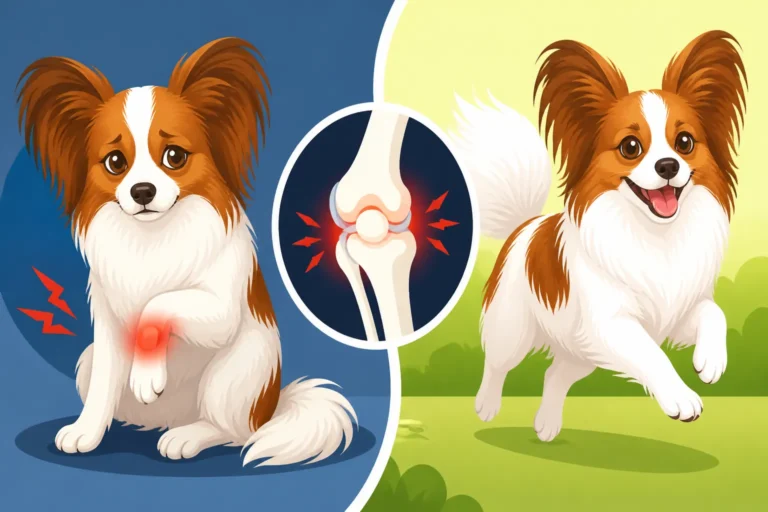
It's not just age and size; various health conditions common in older Papillons can significantly amplify their sensitivity to cold. For instance, arthritis, a prevalent issue in senior dogs, can make moving painful and stiff. When a dog is cold, their muscles and joints become even stiffer, exacerbating the discomfort of arthritis. This leads to a vicious cycle where they move less to avoid pain, which in turn generates less body heat, making them colder still. Addressing these underlying conditions is key to improving their overall comfort. You might find more information about caring for them holistically in our guide on Caring for a Papillon Past Eleven.
Conditions like hypothyroidism, where the thyroid gland doesn't produce enough hormones, can also lead to an inability to regulate body temperature effectively. Dogs with hypothyroidism often feel cold even in warm environments and may struggle with lethargy and weight gain despite a normal appetite. Similarly, heart disease, which can be seen in Papillons as they age, might affect circulation, causing poor blood flow to the extremities and making them feel colder. For those concerned about specific health issues, reading about Whether a Papillon Gets Hypothyroidism or Whether a Papillon Gets Heart Disease can be very informative. If your older Papillon is showing signs of discomfort or unusual cold sensitivity, it's always best to consult your veterinarian to rule out any treatable underlying conditions. They might recommend blood tests or other diagnostics to get to the root of the problem. Many pet parents find that having a robust pet insurance plan, like those offered by Healthy Paws, can provide peace of mind for unexpected diagnostic and treatment costs associated with these age-related health challenges.
Recognizing the Signs Your Old Papillon is Cold
Sometimes, your Papillon will make it abundantly clear they're chilly, but other times, the signs can be much more subtle. Learning to read both the obvious and nuanced cues is vital for their comfort and health. Our little furballs, especially as they age, can be surprisingly stoic, making it our job to be their observant advocates.
Obvious Physical and Behavioral Cues
When a Papillon is really cold, they usually aren't shy about showing it. The most common and unmistakable sign is shivering or trembling. This isn't just a nervous twitch; it's a physiological response where the body rapidly contracts and relaxes muscles to generate heat. You might also notice them hunching their body, tucking their tail tightly between their legs, or lifting their paws off a cold surface. These are all attempts to minimize their surface area exposure to the cold and retain warmth.
Behaviorally, they'll actively seek out warm spots. This could mean burrowing deep under blankets, cuddling excessively close to you, or positioning themselves directly in a patch of sunlight. They might become reluctant to go outside for walks, or if they do, they'll try to get the potty business done as quickly as possible and rush back indoors. Their ears and paws might feel noticeably cold to the touch. If you’ve ever seen a dog huddle by a heating vent, that’s a clear indication they’re feeling the chill. Sometimes, an older Papillon might even start to display signs of Night Confusion in an Old Papillon if they get too cold and disoriented in their usual sleeping spots.
Subtle Indicators You Might Miss
Beyond the obvious shivers and huddling, senior Papillons can exhibit more subtle signs of cold that are easy to overlook if you're not paying close attention. One of the most common is an increase in stiffness, especially after resting. When their muscles are cold, they become less flexible, making it harder to stand up, walk, or climb stairs. This might be mistaken for worsening arthritis, but cold can certainly exacerbate it. Our article on Whether an Old Papillon Loses Muscle also touches upon how this can affect their overall movement and body temperature.
Lethargy and a general reluctance to engage in usual activities can also be indicators. While older dogs naturally slow down, an excessive decrease in energy might be their way of conserving heat. They might seem quieter than usual, or perhaps whine softly without an obvious cause. Changes in appetite can also be a subtle sign; some dogs might eat less if they're too cold, while others might seek more food to fuel their metabolism. Even their sleeping patterns can change – they might try to sleep in unusual places, or be restless as they try to find a warmer spot. Our little dogs are surprisingly adept at hiding pain and discomfort, so learning how to observe these subtle shifts is really important. Understanding How a Papillon Hides Pain can help you become a more perceptive caregiver.
When a Papillon Needs More Than Just a Blanket
While a warm bed or a cozy sweater can go a long way in providing comfort, there are times when a Papillon's cold symptoms indicate something more serious than just needing to bundle up. If your senior Papillon is shivering uncontrollably, appears weak, disoriented, or struggles to walk, these could be signs of hypothermia, a dangerously low body temperature. This is a medical emergency and requires immediate veterinary attention. Don't try to warm them up too quickly with very hot water or direct heat, as this can be harmful; wrap them in blankets and get to the vet.
Beyond acute hypothermia, persistent cold sensitivity, even with adequate indoor warmth and clothing, warrants a veterinary check-up. As mentioned earlier, underlying conditions like hypothyroidism, kidney disease, or heart issues can significantly impact a dog's ability to regulate body temperature. A vet can perform diagnostic tests, such as blood work, to identify or rule out these medical causes. Addressing the root cause is far more effective than just piling on more blankets. If you notice a consistent struggle with staying warm, combined with other symptoms like changes in appetite, increased thirst, or unusual lumps, it’s always best to consult your vet. Early diagnosis and treatment can make a world of difference to their quality of life. Regular wellness exams are crucial for senior dogs, and you can find more details in our post about How Often a Papillon Needs a Wellness Exam.
Practical Strategies for Keeping Your Senior Papillon Warm
Once you understand why your senior Papillon feels the cold, the next step is to put practical measures in place to keep them comfortable and warm. It’s all about creating a safe, cozy environment that caters to their specific needs.
Indoor Warmth: Beds, Blankets, and Room Temperature
Making your home a haven of warmth is probably the most impactful thing you can do for your senior Papillon. Their primary resting spots should be a priority. Invest in a high-quality, orthopedic dog bed, preferably one that is raised off the cold floor and has good insulation. Even better, consider a self-warming dog bed or one with a low-level heating element designed specifically for pets. These beds can make a huge difference, especially during chilly nights. Our guide on Whether an Old Papillon Needs a Warmer Bed offers some great suggestions for this.
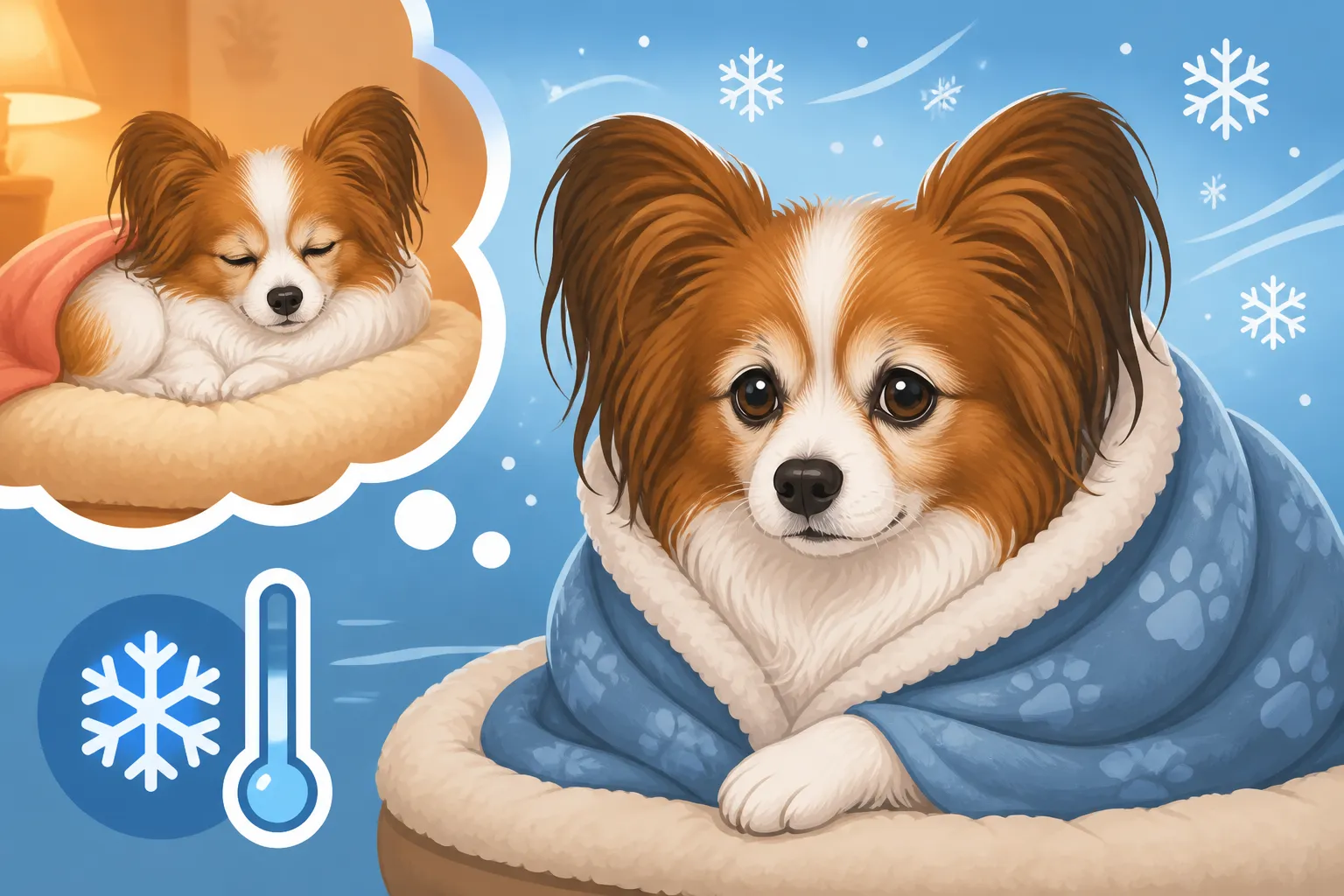
Beyond the bed itself, strategically placed blankets are a must. Papillons absolutely adore burrowing, and providing them with soft, plush blankets – think fleece or faux fur – allows them to create their own warm little nests. You'll often find them happily tucked away, completely hidden under a pile of blankets, which is a clear sign they’re making good use of them. Our article on Whether a Papillon Burrows Under Blankets explores this adorable behavior further. Pay attention to drafts near windows, doors, or even gaps in floorboards. Even a seemingly small draft can quickly chill a tiny Papillon. Use draft stoppers or arrange furniture to block these cold air currents. Maintain a comfortable room temperature, aiming for consistent warmth rather than fluctuating highs and lows. If you typically keep your home cooler, consider setting the thermostat a few degrees higher, especially at night or when your Papillon is less active.
Outdoor Gear and Limiting Exposure
While it's tempting to think a Papillon's long coat offers ample protection, remember that it's often a single layer without a dense undercoat, making it less effective against biting cold or dampness. For outdoor excursions, especially during colder months, a well-fitting dog coat or sweater is essential. Look for options made from warm materials like wool or fleece, and ensure it covers their chest and belly, as these areas are particularly vulnerable to heat loss. There are many stylish and functional options available, and a good fitting coat will not impede their movement. Delving into Whether a Papillon Needs a Coat in Winter can offer more specific advice on choosing the right attire.
When it comes to walks, less is often more in harsh weather. Short, frequent potty breaks are better than one long, chilling stroll. Pay attention to the ground temperature; cold concrete or snow can quickly sap heat from their paws. Dog booties can offer excellent protection against cold, ice, salt, and chemicals, but introduce them gradually to get your Papillon accustomed to wearing them. Our resource, Whether a Papillon Should Wear Boots, provides tips for getting your dog comfortable with paw protection. On really frigid or wet days, consider using indoor potty pads or a sheltered outdoor area to minimize their exposure. Ultimately, the goal is to limit the time your senior Papillon spends in truly cold conditions, ensuring their outdoor time is safe and comfortable. Be mindful of how long they've been out; even a few minutes can be too much for an old, cold-sensitive Papillon. Our guide on How Long a Papillon Can Stay Out in Cold provides more specific timeframes.
Nutritional and Hydration Support
Believe it or not, a proper diet and adequate hydration play a significant role in your senior Papillon's ability to maintain body temperature. A well-balanced diet provides the necessary calories and nutrients for their metabolism to function efficiently, which is directly linked to internal heat production. As dogs age, their nutritional needs can change, often requiring diets that are easily digestible and provide specific support for joint health or cognitive function. Talk to your veterinarian about the best food for your aging Papillon to ensure they're getting all the necessary fuel. While it might seem counterintuitive, an overweight Papillon can also struggle with temperature regulation, and extra weight puts undue strain on their joints, which can be exacerbated by cold. Maintaining a healthy weight is key.
Hydration is equally important. Water is critical for all bodily functions, including circulation and metabolic processes. Dehydration can impair their ability to regulate body temperature. Always ensure your Papillon has access to fresh, clean water. During colder months, some dogs might drink less, so you might need to encourage them by adding a splash of low-sodium broth to their water or offering wet food to boost their fluid intake. While food and water directly contribute to their internal furnace, supplements like omega-3 fatty acids can also support overall health, including circulation and joint comfort, which indirectly helps them cope with the cold.
Regular Vet Check-ups and Proactive Care
Perhaps the most critical, yet often overlooked, aspect of keeping your senior Papillon warm and comfortable is proactive veterinary care. Regular check-ups are essential to catch any underlying health conditions early that could be contributing to their cold sensitivity. Your vet can monitor for conditions like arthritis, hypothyroidism, or heart disease, all of which can make a Papillon feel colder and less able to cope with temperature fluctuations. Early diagnosis means earlier treatment, which can significantly improve their quality of life. For more on this, check out our piece on How Often a Papillon Needs a Wellness Exam.
During these visits, discuss your Papillon’s activity levels, appetite, and any changes in their behavior or mobility. This open communication helps your vet understand the full picture of your dog's health. They might recommend specific joint supplements, medications, or dietary adjustments that can indirectly help with temperature regulation and overall comfort. Managing the costs of senior pet care can sometimes be a concern, but companies like Healthy Paws offer pet insurance plans that can help alleviate the financial burden of unexpected illnesses or chronic conditions. This allows you to focus on getting your Papillon the best possible care without worrying about the vet bill, ensuring they stay as healthy and comfortable as possible as they age.
Here's a quick summary of how to spot if your Papillon is cold and what you can do:
| Sign Your Papillon Is Cold | What It Means | Action You Can Take | When to Consult a Vet |
|---|---|---|---|
| Shivering/Trembling | Body's attempt to generate heat | Provide a warm blanket, sweater, move to warmer spot | If shivering is uncontrollable or prolonged |
| Hunching/Tucking Tail | Minimizing surface area to conserve heat | Offer a cozy, insulated bed, reduce drafts | If accompanied by lethargy or extreme weakness |
| Seeking Warm Spots (Sun, Heater) | Instinctive search for heat | Ensure consistent room temperature, provide a heated bed | If persistent seeking of extreme heat (too close to a vent) |
| Cold Ears/Paws to the Touch | Poor circulation to extremities | Warm massage, booties for outdoor use, ensure indoor warmth | If paws/ears are consistently cold and dog seems unwell |
| Reluctance to Go Outside/Move Less | Avoiding cold or discomfort from stiff joints | Shorter walks, dog coat/sweater, gentle indoor exercise | If sudden, severe reluctance to move, or lameness is present |
| Increased Stiffness After Resting | Cold muscles/joints are less flexible | Warm compresses (mild), joint supplements (vet approved), soft bed | If stiffness is severe, painful, or worsening rapidly |
| Lethargy/Changes in Appetite | Conserving energy/heat, or general malaise | Ensure warmth, offer palatable food, monitor hydration | If lethargy is severe, or appetite changes persist for days |
| Whining/Restlessness | Discomfort, inability to get warm enough | Adjust bedding, check for drafts, offer reassurance | If persistent, inconsolable, or accompanied by other symptoms |
Disclaimer
This article is intended for informational purposes only and does not constitute veterinary advice. Always consult with a qualified veterinarian for any health concerns or before making any decisions about your pet's medical care or treatment plan. Individual situations may vary, and a professional veterinary diagnosis is essential.