How a Papillon Handles a Toddler
Bringing a new baby into a home with a beloved dog is a huge adjustment for everyone involved, and when that dog is a tiny, delicate Papillon, the concerns can feel magnified. Many Papillon owners worry constantly about their little butterfly-eared companion being accidentally hurt by a curious, clumsy, or simply unpredictable toddler. This guide will delve into the unique dynamics of Papillons and toddlers, offering realistic insights and actionable strategies to help create a safe, harmonious, and happy environment for both your furry family member and your growing child.
Understanding the Papillon Temperament Around Children
It's easy to look at a Papillon, with its elegant coat and dainty frame, and assume it's simply too fragile for the chaos of a toddler. While their small size is certainly a factor, understanding their inherent personality traits is key to predicting and shaping their interactions with young children. They aren't just pretty faces; they're incredibly bright and often more resilient than they appear, but they do have specific needs that must be respected.
The Papillon's Natural Disposition
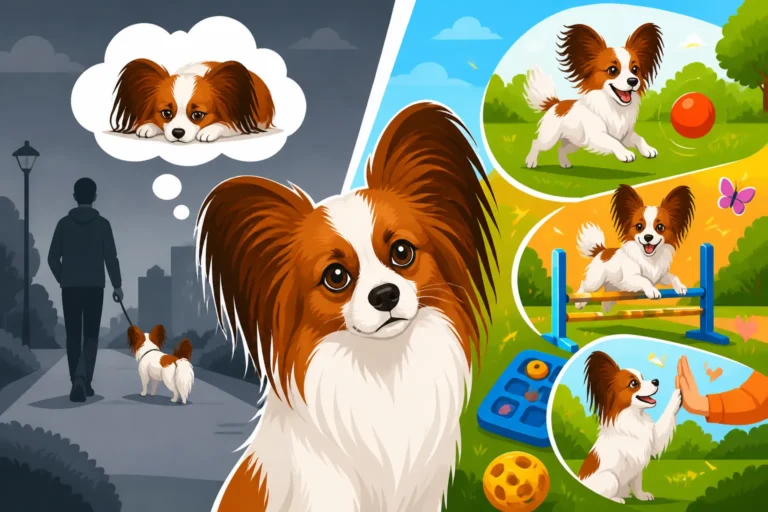
Papillons are renowned for their intelligence, vivacity, and surprisingly robust personalities. They are often described as big dogs in small bodies, possessing a confidence and fearlessness that belies their size. They love to be involved in family activities, thrive on mental stimulation, and form deep bonds with their human companions. This means they are often eager to be part of the action, even if the action involves a small human. They aren't typically "yappy" or inherently nervous dogs unless they've been poorly socialized or have had negative experiences. Their high intelligence means they can learn quickly, both good habits and bad, and this applies to how they learn to interpret and respond to a toddler's presence. They are generally cheerful and affectionate, but also highly sensitive to tone of voice and sudden movements. The Papillon Is the Smartest Toy Breed There Is This sensitivity means they can be easily startled or feel overwhelmed if not properly introduced and managed in a busy household with a small child. They often display a playful side, enjoying games of fetch or even learning complex tricks, which can be a wonderful way to interact with older, more coordinated children, but less so with a wobbly toddler.
Why Size Matters for Both Dog and Child
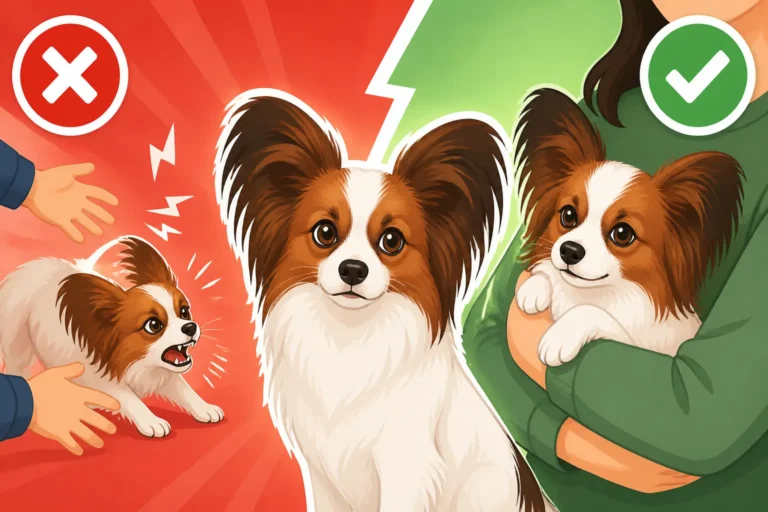
Let's be brutally honest: a Papillon typically weighs between five and ten pounds. A toddler, on the other hand, can weigh anywhere from 20 to 35 pounds and is often clumsy, uncoordinated, and lacks impulse control. This significant size disparity is the root of most concerns. A toddler can accidentally step on, fall on, or drop a Papillon without any malicious intent, causing serious injury. A Papillon's delicate bones, particularly in its legs and spine, are simply not built to withstand such impacts. Moreover, a toddler's movements can be sudden and erratic – flailing arms, quick dashes, loud shrieks – all of which can be alarming to a small dog, even one as confident as a Papillon. It's not just about the child hurting the dog; it's also about the dog's potential reaction to feeling threatened. While true aggression is rare in well-bred Papillons, a dog that feels cornered or constantly pestered might resort to a warning growl or even a nip out of fear. This is not a flaw in the dog's character, but a natural, instinctual response to feeling unsafe. It's crucial for owners to remember that What Happens When a Papillon Is Dropped can be catastrophic, and prevention is always better than cure.
Common Challenges and Realistic Expectations
Integrating a Papillon with a toddler isn't a pipe dream, but it does require constant vigilance, proactive training, and realistic expectations. You can't expect either party to understand the other's nuances without your careful guidance and management. Ignoring the potential for conflict or injury sets everyone up for failure.
Preventing Accidental Injuries to Your Papillon
The primary challenge is protecting your small Papillon from accidental harm. Toddlers explore with their hands and mouths, and often don't understand the concept of a living, breathing creature that can be hurt. They might grab a Papillon's ear fringe, pull its tail, or attempt to "ride" it like a pony. These actions, innocent as they may be from a child's perspective, can be terrifying and physically damaging to a Papillon. A Papillon’s small size also means they can easily be tripped over, especially if they are underfoot. Even if your child is generally gentle, there will be moments of excitement, frustration, or simple clumsiness where accidents can happen in the blink of an eye. This is why constant, active supervision is non-negotiable. It means you are always within arm's reach when your toddler and Papillon are in the same space. Consider using baby gates or playpens to create physical barriers when you can't offer 100% focused supervision. Products like those found on Amazon can be incredibly helpful here, offering a range of robust baby gates that can section off areas, creating safe zones for both your child and your dog.
Managing a Papillon's Reaction to Toddler Behavior
A Papillon's response to a toddler's unpredictable nature can range from curious caution to outright fear. Some Papillons might simply retreat, seeking a quiet corner or a higher perch to escape the commotion. Others might try to engage, perhaps nipping playfully at fast-moving feet, which can escalate quickly. A Papillon that feels continuously overwhelmed, startled by loud noises, or poked and prodded might start to show signs of stress: lip licking, yawning excessively, avoiding eye contact, or growling. It's vital to recognize these as communication signals, not defiance. Punishing a growl, for instance, teaches your dog not to warn you, potentially leading to a sudden bite with no prior notice. Instead, teach your Papillon that a toddler's presence often means good things, like treats or praise for calm behavior, and that they always have an escape route. Understanding How Sensitive a Papillon Is to their environment and human emotions will help you interpret their reactions and intervene appropriately. Whether a Papillon Suits a House With Toddlers really depends on the family's commitment to management and training.
The Importance of a Safe Space for Your Dog
Every Papillon living with a toddler absolutely needs a designated "safe zone" – a sanctuary where they can retreat and be completely undisturbed. This isn't just a nicety; it's a critical component of their emotional well-being and stress management. This safe space could be a crate, a dog bed elevated on a platform, or an entire room sectioned off with a baby gate. The key is that the toddler is never allowed into this space, and the Papillon can go there any time it feels overwhelmed or tired. Teach your Papillon a "go to your bed" or "place" command, reinforcing it with high-value treats. This empowers your dog to choose to remove itself from a stressful situation. This space should also be where your Papillon eats, sleeps, and has its toys, further reinforcing it as a positive haven. For instance, you can find a comfortable dog bed or even a covered crate on Amazon that becomes your Papillon's personal retreat. This ensures they have a place to truly relax, preventing them from becoming constantly anxious or irritable from feeling trapped.
Strategies for a Harmonious Household
Creating a positive relationship between your Papillon and your toddler is a marathon, not a sprint. It requires consistency, patience, and a commitment to proactive management from every adult in the household. Think of yourselves as the benevolent mediators, guiding both child and dog toward respectful coexistence.
Educating and Supervising Your Toddler
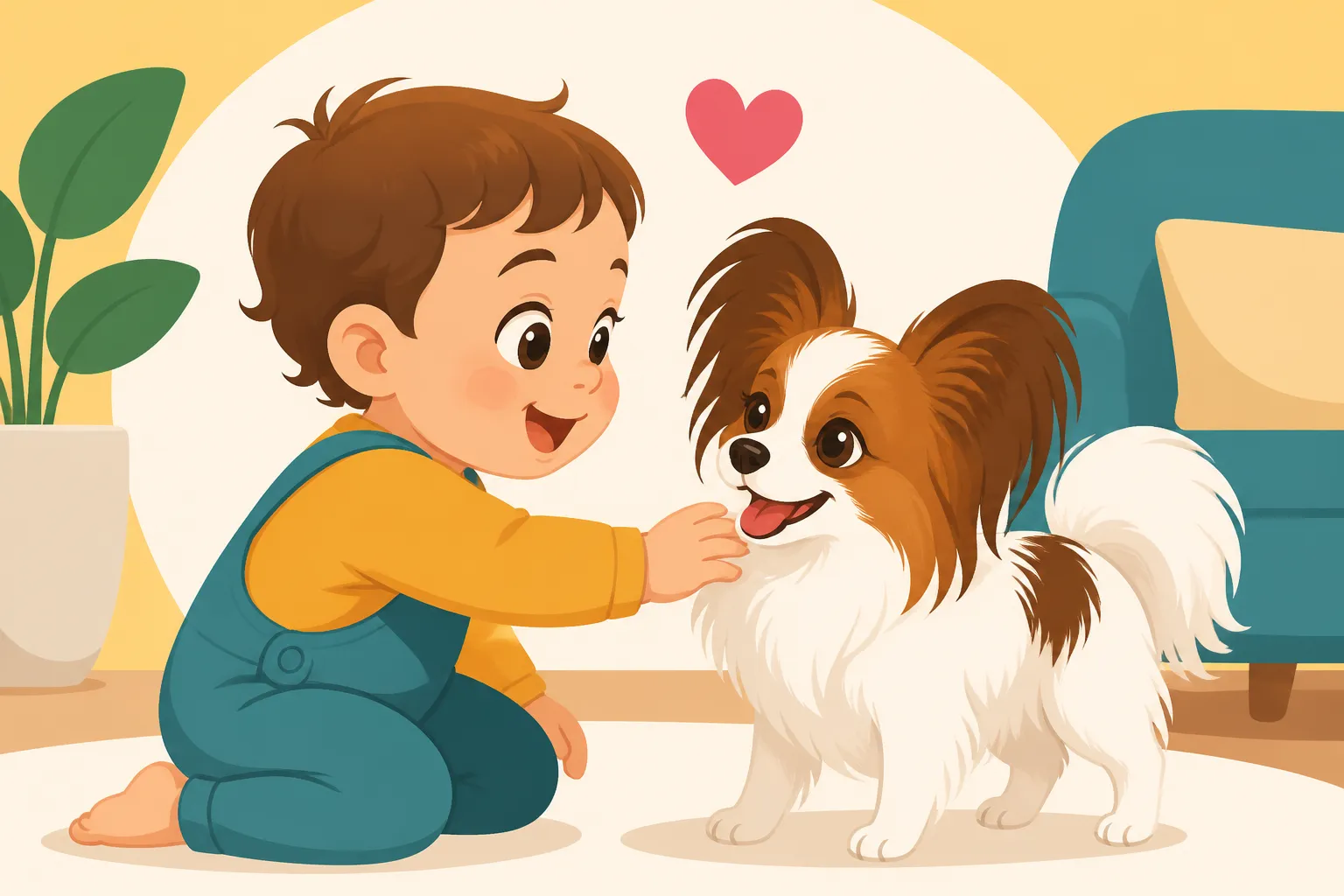
The most impactful strategy involves actively teaching your toddler how to interact with the dog, paired with unwavering supervision. Toddlers learn by doing and by imitation. Start early by demonstrating gentle touches. Take your child's hand and guide them to softly pet your Papillon on the back, avoiding sensitive areas like the head, ears, or tail. Use simple, clear language: "Gentle hands," "Soft pets." Praise your child enthusiastically when they interact appropriately. Just as importantly, teach them what not to do: no pulling, no poking, no sitting on the dog. Reinforce that when the dog walks away, it means "leave me alone." Crucially, never, ever leave a toddler and a small dog unsupervised, not even for a second. Even the most well-behaved dog or child can have an accident when left alone. This level of supervision means active engagement, not just being in the same room. You are constantly observing, ready to intervene if either party shows signs of stress or inappropriate behavior. Remember, Why a Papillon Suits Older Children Better is often due to older children's improved impulse control and understanding of canine body language.
Training Your Papillon for Toddler Interactions
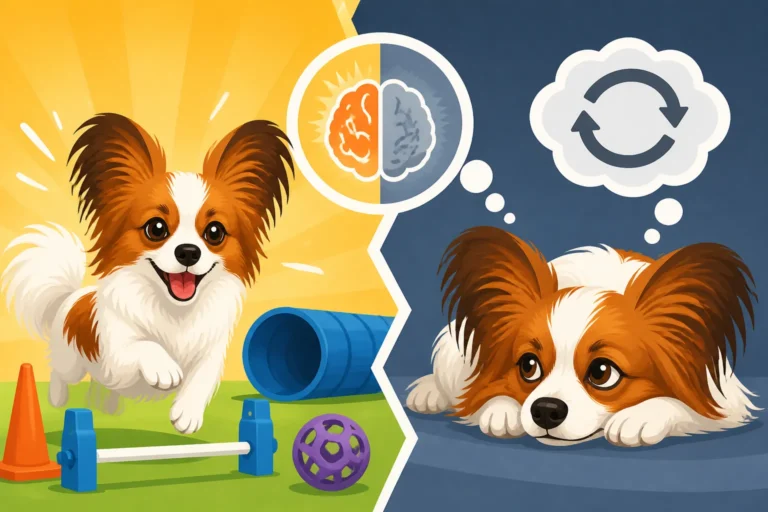
Your Papillon's training is equally vital. Beyond basic obedience, focus on commands that help manage interactions with a toddler. A solid "stay" or "settle" command can be invaluable, allowing you to direct your dog to a safe spot when the toddler is particularly active. Teach your Papillon to "go to its bed" or "crate" on command, turning its safe space into a positive command that yields rewards. Counter-conditioning is also a powerful tool: whenever the toddler is present and behaving calmly, give your Papillon a high-value treat or engage in a quiet game. This helps your dog associate the toddler's presence with positive outcomes. Many owners find online resources incredibly helpful, such as the BAXTER & Bella online puppy school, which offers comprehensive training programs that can be adapted to teaching calm behavior in busy family environments, including around children. Their methods often focus on positive reinforcement, which is crucial for a sensitive breed like the Papillon, as Why Harsh Correction Fails on a Papillon can lead to fear and distrust. Regular, short training sessions (remember, How Long a Papillon Will Work in a Session is usually fairly brief before they get bored) can build a foundation of confidence and good manners.
Establishing Clear Boundaries and Routines
Both Papillons and toddlers thrive on routine and clear boundaries. When life is predictable, stress levels decrease for everyone. Establish consistent times for your Papillon's meals, walks, and potty breaks. This helps create a sense of security and reduces anxious behaviors. Similarly, a structured routine for your toddler's play, nap times, and quiet activities can indirectly benefit your dog. When it comes to boundaries, be consistent. If the Papillon isn't allowed on the sofa when the toddler is present, ensure this rule is always enforced. If the dog's crate is off-limits to the child, make sure that boundary is always respected. This means all adults in the home must be on the same page. Clear boundaries not only protect your dog but also teach your child respect for animals and personal space. For instance, setting up stairs or a ramp for your Papillon to access furniture can prevent jumping, which is better for their delicate knees, and also allows them to safely join you on the sofa without the risk of being underfoot if the toddler is also climbing. However, consider if Whether a Papillon Is Safe on a Sofa when a toddler is also around; sometimes, a designated dog bed nearby is safer. What a Papillon Needs Every Day includes mental stimulation, exercise, and a sense of security, all of which are supported by a predictable routine.
| Toddler Behavior (Innocent But Risky) | Papillon Reaction (Potential) | Owner Solution (Proactive) |
|---|---|---|
| Sudden movements, running | Startle, retreat, chase | Crate training, baby gates, "place" command, positive association with calm toddler, active supervision. |
| Grabbing, poking, pulling | Fear, growl, nip | Teach "gentle hands" to toddler, redirect child's attention, always supervise, provide dog a safe retreat. |
| Loud noises (screaming, crying) | Anxiety, barking, hiding | Desensitize dog with positive reinforcement, provide quiet safe space, reward calm behavior. |
| Trying to "share" food | Begging, potential for toxic food | Teach "leave it" to dog, educate child not to feed dog, keep dog away from child's eating area. |
| Attempting to sit on dog | Extreme fear, potential serious injury | Immediate, firm redirection of child, constant supervision, never leave unattended. |
When Professional Help is Needed
Even with the best intentions and diligent efforts, sometimes the dynamic between a Papillon and a toddler can be challenging. It's crucial to know when to seek external help, as ignoring warning signs can lead to escalating problems and potentially unsafe situations.
Recognizing Warning Signs
A Papillon will almost always communicate its discomfort before resorting to a bite. These signals are often subtle and easily missed if you're not looking for them. Watch for:
- Body Language: Lip licking, yawning (when not tired), turning head away, avoiding eye contact, tail tucked low or between legs, low body posture, whale eye (showing the whites of the eyes), stiff body, raised hackles.
- Vocalizations: Low growls, soft whines, stressed barks. These are warnings.
- Behavioral Changes: Increased retreating or hiding, refusal to eat when the toddler is present, excessive shedding, panting, destructive behaviors when left alone (which could indicate stress or What a Bored Papillon Destroys).
- Changes in Affection: Reluctance to be petted or handled by family members, becoming withdrawn.
If you consistently see these signs, it's a clear indication that your Papillon is struggling, and intervention is needed. These are not signs of a "bad" dog, but a stressed one.
Consulting a Certified Professional Dog Trainer or Behaviorist
If you're noticing persistent stress signals, escalating avoidance, or any instances of growling or snapping from your Papillon towards your toddler, it's time to call in a professional. Do not try to solve these complex issues solely through online advice. A certified professional dog trainer (CPDT) or a veterinary behaviorist (Dip ACVB) can observe the interactions in your home, assess your Papillon's individual personality and stress triggers, and provide a tailored plan to address the specific challenges you're facing. They can help you implement safe management strategies, refine your Papillon's training, and teach you how to further educate your toddler in appropriate interactions. These professionals use force-free, positive reinforcement methods that build trust and confidence, which is essential for a sensitive breed like the Papillon. They can provide invaluable support and guidance, giving you the tools to create a truly harmonious home where both your tiny dog and your growing child can thrive safely and happily. Starting with When to Start Training a Papillon Puppy sets a good foundation, but specific toddler-dog training may require expert guidance.
Disclaimer
This article is for general informational purposes only and does not constitute professional advice. Laws, prices and regulations vary by location and change over time. Consult a qualified professional for guidance on your specific situation.