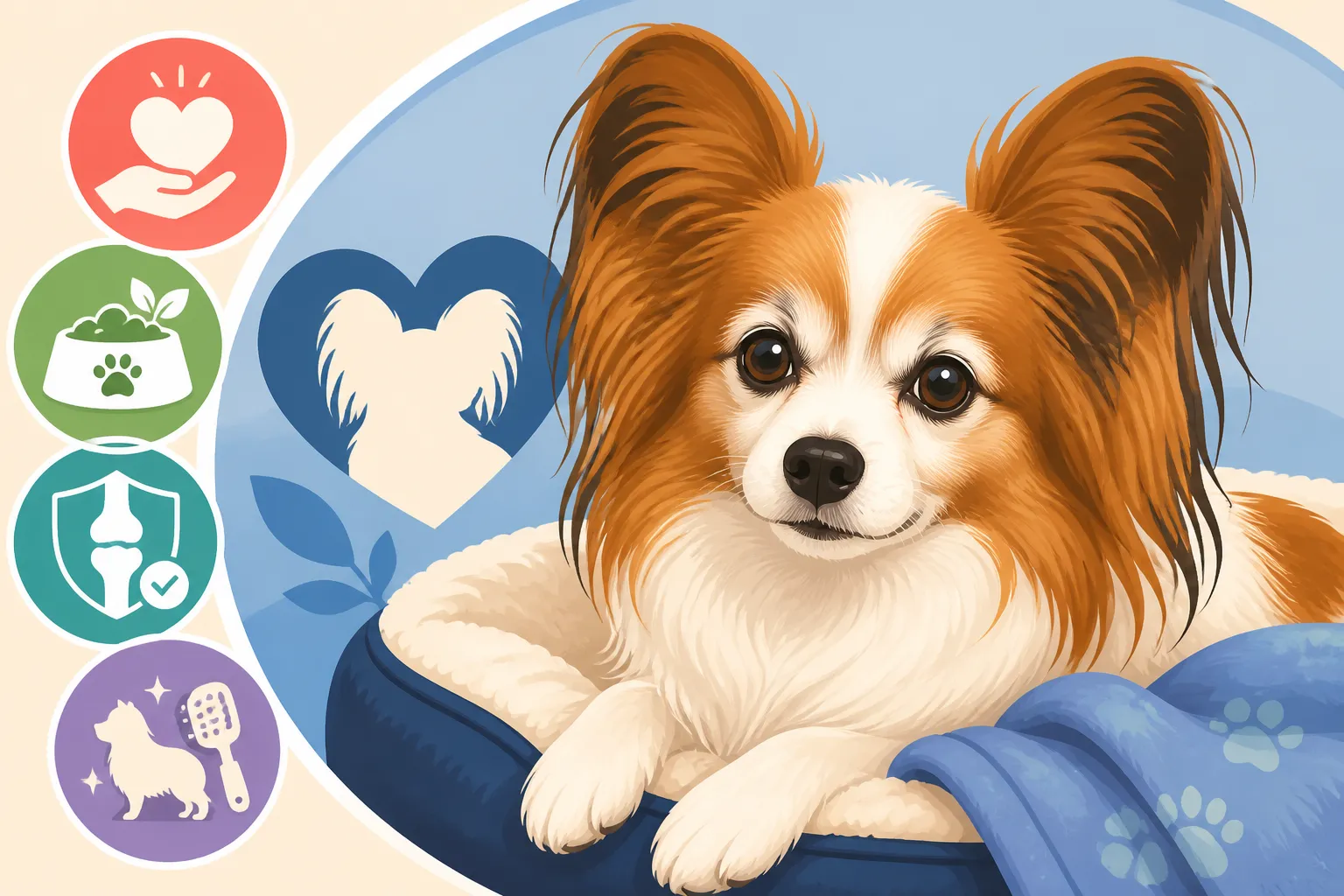
Caring for an Aging Papillon
Watching your beloved Papillon grow older is a journey filled with mixed emotions. On one paw, you're grateful for their remarkably long lifespan, often outliving many other breeds. On the other, you start noticing the subtle, then not-so-subtle, shifts that signal their golden years are here. This guide is here to walk you through the compassionate care an aging Papillon truly needs, helping you embrace this new chapter with confidence and keep your little butterfly dog as comfortable and joyous as possible.
Understanding the Senior Papillon
Just like people, dogs don't suddenly wake up one morning "old." The process is gradual, but for Papillons, with their zest for life and often youthful appearance, the signs can sometimes creep up on us. Understanding when and how your Papillon transitions into their senior years is the first step in providing tailored care.
When Does a Papillon Become "Senior"?
For toy breeds like the Papillon, the "senior" designation often comes a bit later than for larger dogs, who tend to age faster. Generally, you can expect your Papillon to be considered senior around 8 to 10 years of age. However, this isn't a hard-and-fast rule. Some Papillons, blessed with great genes and diligent care, might still be zipping around like youngsters at 11 or 12, while others might start showing signs of slowing down a year or two earlier. It’s all about individual variation and genetics. What's crucial is recognizing that even if they still act young, their internal systems are undergoing age-related changes, necessitating a shift in care and attention. Think of it as crossing a threshold where preventative care and vigilance become even more paramount. You can learn more about this by reading The Age a Papillon Is Considered Senior.
It’s important to remember that age is just a number, and your Papillon might defy expectations. I’ve known Paps who were still competing in agility well into their teens, albeit at a reduced level, simply because they loved it and their bodies allowed it. The key is to observe your dog, not just the calendar. Are their energy levels consistently lower? Do they sleep more deeply and for longer stretches? Are they slower to get up after a nap? These are all indicators that their body is aging, regardless of the precise number of candles on their birthday cake.
Common Physical Changes in Aging Papillons
As your Papillon moves into their senior years, you'll likely notice a range of physical changes. Their boundless energy might wane slightly; those long, vigorous walks might become shorter, gentler strolls. They might spend more time napping in sunbeams, which is perfectly normal. Their coat, usually so silky and vibrant, might start to thin a little or develop some grey hairs, especially around the muzzle and eyes. You might also notice a subtle shift in their body condition. Some seniors tend to gain weight more easily due to a slower metabolism, while others might start to lose muscle mass, making them appear a bit frailer.
Beyond these visible changes, there are often internal shifts. Their immune system might not be as robust, making them a little more susceptible to infections. Their organs, like kidneys and liver, might not function with the same youthful efficiency. Digestion can also become a bit more sensitive. It's not about them becoming "sick," but rather about their systems running a bit less optimally, requiring more support. Being aware of these common changes helps you address them proactively, rather than waiting for them to become major issues. This kind of vigilance is a hallmark of Caring for a Papillon Past Eleven.
You might also notice a change in their sleep patterns, often sleeping more during the day but potentially experiencing more restless nights. They may seem a bit less interested in their usual toys, or take longer to respond to commands. Their stride might become a little stiffer, or they might struggle a bit more with stairs or jumping onto furniture. These are all subtle clues that their body is changing and could benefit from some adjustments in their environment and routine.
The Emotional Side of a Senior Papillon
Aging isn't just physical; it affects a Papillon's emotional and mental state too. Some senior Papillons become even more clingy and dependent, seeking comfort and reassurance from their humans. They might follow you from room to room more consistently, needing to be close. Others can become a bit more anxious or irritable, especially if they are experiencing discomfort or sensory decline. Loud noises or sudden movements that never bothered them before might now cause a startle or a bark.
Maintaining a predictable routine becomes incredibly important for their emotional well-being. Familiarity and consistency can help reduce anxiety and keep them feeling secure. Their personalities, while fundamentally the same, might show nuances you haven't seen before. They might be less tolerant of boisterous young children or other pets, simply because their patience isn't what it once was, or they might feel more vulnerable. It’s vital to respect these shifts and provide a calm, understanding environment.
It’s also not uncommon to see a subtle shift in their confidence. A Papillon who once fearlessly greeted every new person might now hang back or bark more defensively. This isn't necessarily a sign of aggression, but often a manifestation of increased insecurity due to vision, hearing, or general body aches. Providing them with safe spaces, gentle interactions, and reinforcing their sense of security can make a world of difference in their emotional comfort during these golden years. Understanding What Changes in a Papillon After Eleven can help you anticipate some of these emotional shifts.
Nutritional Adjustments for Older Papillons
Just as our own dietary needs change as we age, so do those of our canine companions. A senior Papillon's metabolism slows down, their activity levels typically decrease, and they may face new health challenges that require specific nutritional support. Continuing to feed them the same food they ate as a spry youngster might not be the best choice.
Why Diet Needs to Change
As your Papillon ages, their body becomes less efficient in several ways. Their metabolism slows down, meaning they don't burn calories as quickly. If their food intake isn't adjusted, this can easily lead to unwanted weight gain, which puts extra strain on their joints, heart, and other organs. Their muscle mass can also start to decline, even if their body weight stays the same, so maintaining adequate protein intake is crucial. Beyond weight, organ function becomes a bigger concern. The kidneys, liver, and heart might benefit from specific nutrient profiles that are less taxing or more supportive of their diminishing function.
Dental issues are also rampant in older Papillons, as their small mouths are prone to The Teeth in a Papillon's Small Jaw. Chewing hard kibble might become uncomfortable or even painful if they have sensitive gums or missing teeth. This can lead to a decrease in appetite, or them simply not getting the nutrients they need because they can't properly consume their food. Additionally, their digestive system might become more sensitive, making them more prone to upset stomachs or constipation, highlighting the need for easily digestible ingredients and possibly increased fiber.
Choosing the Right Senior Food
When selecting food for a senior Papillon, look for formulas specifically designed for "senior" or "mature" dogs. These diets typically have a slightly lower calorie content to prevent weight gain, while maintaining a good protein level to help preserve muscle mass. Ingredients should be highly digestible, often featuring quality animal proteins and easily assimilated carbohydrates. Some senior foods also include supplements like glucosamine and chondroitin for joint support, and omega-3 fatty acids for cognitive function and anti-inflammatory benefits. Brands like Chewy offer a wide selection of senior dog foods, making it easier to find options tailored to smaller breeds.
Consider the texture of the food. If your Papillon has significant dental issues, a wet food, a gently cooked fresh food (like those offered by Ollie), or kibble softened with water or broth might be easier for them to eat. Even switching to a smaller kibble size can make a difference. It's a good idea to consult your veterinarian before making a drastic dietary change, especially if your Papillon has any pre-existing health conditions like kidney disease or diabetes, as they may require prescription diets.
| Feature | Young Adult Papillon Diet | Senior Papillon Diet |
|---|---|---|
| Calorie Level | Moderate to high, for energy | Lower, to prevent weight gain |
| Protein Level | Moderate to high, for muscle building | Moderate to high, for muscle maintenance |
| Fat Level | Moderate | Slightly lower |
| Digestibility | Good | High, for sensitive digestion |
| Fiber Content | Moderate | Slightly higher, for bowel regularity |
| Joint Support | Often minimal | Often includes glucosamine/chondroitin |
| Omega Fatty Acids | Present | Higher levels, for brain/coat/anti-inflam. |
| Texture | Typically dry kibble | May need softened kibble, wet, or fresh food |
Addressing Picky Eaters and Hydration
It's not uncommon for senior Papillons to become a bit pickier with their food, or to experience periods of decreased appetite. This could be due to a subtle underlying health issue, discomfort, or simply a reduced sense of smell and taste. If your Papillon suddenly refuses to eat for more than a day, or consistently eats very little, a vet visit is in order to rule out medical causes. For general pickiness, warming wet food slightly, adding a little low-sodium chicken broth, or trying a different protein source can sometimes stimulate their appetite. Small, frequent meals throughout the day might also be more appealing than one or two large ones.
Hydration is also critical, especially for older dogs. Adequate water intake supports kidney function and overall health. Always ensure fresh water is available, and consider offering multiple water bowls around the house. Adding a little water or broth to their food can boost their daily intake. Some Papillons enjoy drinking from a pet fountain, which can encourage more sips. If your senior Papillon seems to be drinking significantly more or less than usual, it’s worth mentioning to your vet, as this can be a symptom of various health conditions. Getting your Papillon to eat normally without teeth, or with few teeth, might require special considerations like those mentioned in Whether a Papillon Eats Normally Without Teeth.
Managing Mobility and Joint Health
As Papillons age, their joints naturally experience wear and tear. While they are a generally hardy breed, they are still prone to certain orthopedic issues that can become more pronounced in their senior years, such as What Patellar Luxation Does to a Papillon. Addressing these challenges proactively is key to maintaining their comfort and quality of life.
Recognizing Signs of Joint Pain
Your Papillon, being a stoic little dog, might try to hide discomfort. It's up to you to be a keen observer. Signs of joint pain aren't always obvious limping. It can manifest as reluctance to jump onto furniture they once easily scaled, hesitation before going up or down stairs, or a general stiffness, especially after waking up from a nap. You might notice they move more slowly, their gait becomes less fluid, or they might struggle to find a comfortable position when lying down. Some dogs may lick or chew excessively at a particular joint.
Other subtle indicators include a change in their exercise tolerance; they might tire more quickly on walks, or simply stop walking altogether. They might also react sensitively if you touch or brush a particular area of their body, even pulling away or yelping. Changes in mood, such as increased irritability or withdrawal, can also be a sign of chronic pain. If you suspect your Papillon is experiencing joint discomfort, don't just assume it's "old age." A veterinary check-up can help identify the cause and formulate a pain management plan.
Supporting Ailing Joints
Once joint pain is identified, there are many ways to support your senior Papillon. Veterinary-prescribed anti-inflammatory medications can provide significant relief, but there are also supplements that can help. Glucosamine and chondroitin, often found in combination, are popular choices believed to support cartilage health. Omega-3 fatty acids, especially EPA and DHA, have natural anti-inflammatory properties and can be found in fish oil supplements or specially formulated senior diets. Always discuss supplements with your vet before introducing them, to ensure they are appropriate and correctly dosed for your individual dog. Brands like Chewy and Amazon offer a variety of joint supplements, but vet guidance is paramount.
Physical therapy, even gentle exercises or swimming, can help maintain muscle strength around the joints, which provides better support. Warm compresses on stiff joints can also offer temporary relief. For some conditions like patellar luxation, if severe, surgery might have been an option in their younger years, but for seniors, the focus is often on comfort and managing pain without invasive procedures. You might also want to explore gentle chiropractic care or acupuncture, always performed by a certified veterinary professional, as complementary therapies. Understanding Whether a Papillon Gets Arthritis From a Slipping Knee is crucial for long-term joint health.
Preventing Further Injury
Beyond treating existing pain, preventing further injury is vital. Maintaining a healthy weight is perhaps one of the most impactful things you can do; even a few extra ounces can put considerable strain on a Papillon's small joints. Ensure they have soft, comfortable bedding that supports their body and is easy to get in and out of. Non-slip rugs or runners on hardwood or tile floors can prevent slips and falls that could exacerbate joint issues or cause new injuries.
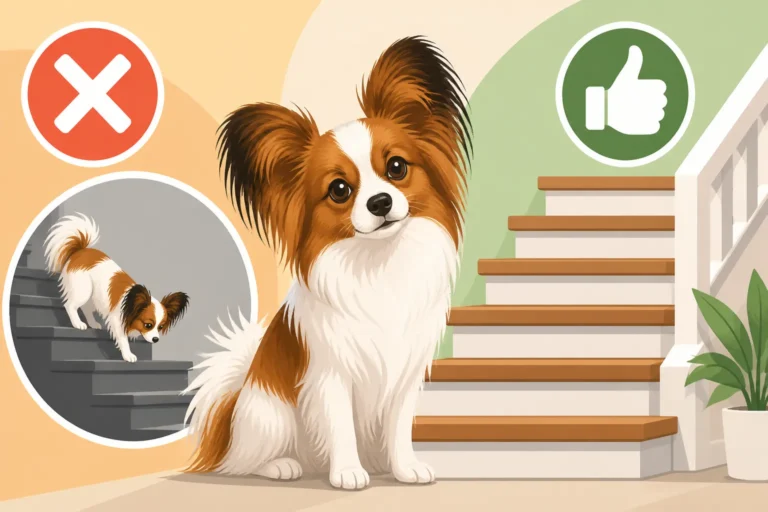
Consider ramps or steps to help them access furniture they still enjoy, like the sofa or your bed, instead of letting them jump down. Jumping repeatedly from heights creates repetitive stress on their knees and spine. Keep their nails trimmed short; overgrown nails can alter their gait and put undue pressure on their paw joints. Gentle, consistent exercise, rather than sporadic intense bursts, is far better for their joints and overall well-being. This might mean several shorter walks a day instead of one long one.
Maintaining Dental Hygiene in Senior Papillons
Dental disease is incredibly prevalent in small breeds like Papillons, and it only becomes more critical to manage as they age. An older Papillon's small jaw is predisposed to crowding, leading to plaque and tartar buildup that can quickly escalate to serious health problems.
The Ongoing Battle Against Dental Disease
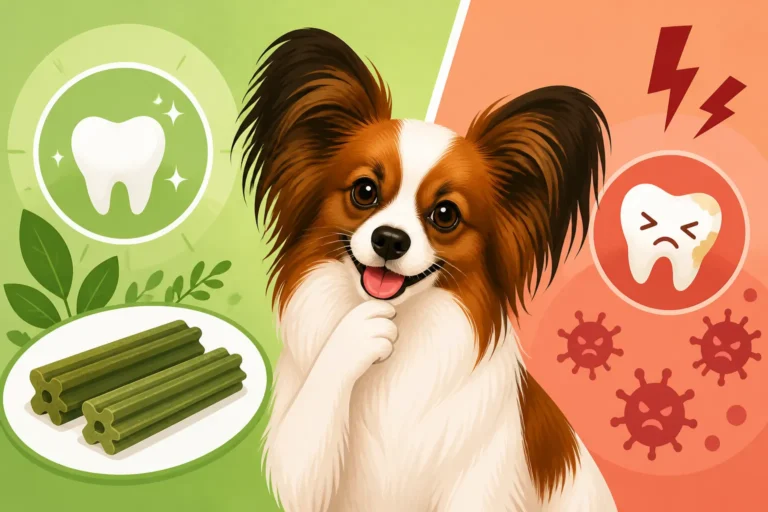
By the time a Papillon reaches its senior years, it's highly likely they've already faced some degree of dental challenge. Their small mouths and crowded teeth are perfect traps for food particles and bacteria, which rapidly form plaque and then harden into tartar. This leads to gingivitis, periodontal disease, and potentially painful infections. For senior dogs, chronic dental disease isn't just about bad breath; the bacteria from infected gums can enter the bloodstream and impact vital organs like the heart, kidneys, and liver. This makes regular dental care even more crucial for their overall health and longevity.
The pain from dental disease can also significantly affect their quality of life, making it difficult to eat, leading to weight loss, and even changing their demeanor. They might become withdrawn, irritable, or simply less engaged due to persistent oral discomfort. It's a silent suffering that many small dogs endure, and as responsible owners, our goal is to prevent or alleviate this pain. Many older Papillons will have experienced Dental Work Over a Papillon's Long Life.
Adapting Oral Care Routines
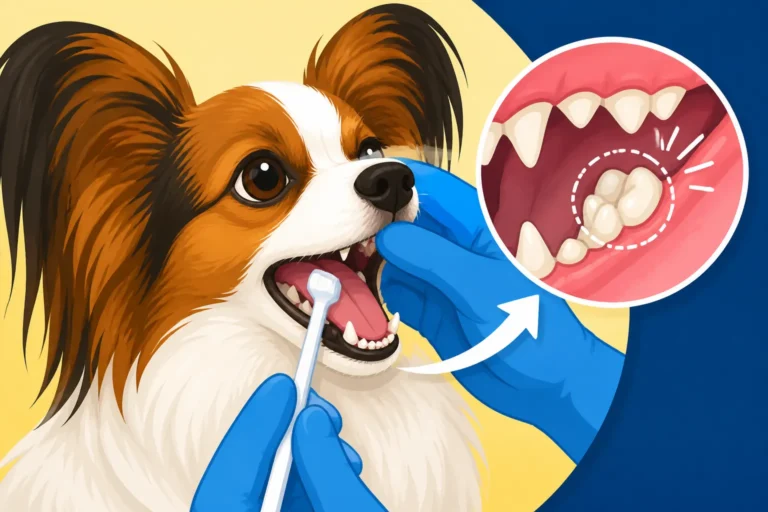
While daily tooth brushing is the gold standard for all dogs, it becomes exceptionally important for seniors. However, adapting your routine might be necessary. If their gums are sensitive, a softer toothbrush or a finger brush might be more comfortable. Using an enzymatic dog toothpaste (never human toothpaste!) is key. If your Papillon is resistant to brushing, start slowly and make it a positive experience with lots of praise and treats. Even just gently wiping their teeth and gums with a dental wipe can help remove some plaque.
Regular professional dental cleanings under anesthesia, performed by a veterinarian, are often unavoidable for senior Papillons to properly remove tartar below the gumline and address any diseased teeth. While anesthesia can be a concern for older dogs, modern veterinary practices utilize advanced monitoring and safer protocols. Your vet will perform pre-anesthetic bloodwork to assess organ function and ensure your Papillon is a good candidate. The benefits of a healthy mouth almost always outweigh the risks of anesthesia for a comprehensive dental procedure.
Signs of Advanced Dental Problems
It's vital to recognize the signs that your Papillon might be suffering from advanced dental problems, even if you are diligent with home care. These can include severe bad breath, visibly red or swollen gums, yellow or brown tartar buildup on the teeth, and loose or missing teeth. Beyond the mouth itself, watch for changes in eating habits: dropping food, chewing only on one side of their mouth, reluctance to eat hard kibble, or showing pain when trying to chew. Excessive drooling or pawing at their mouth can also be indicators.
Sometimes, dental infections can lead to more serious issues like abscesses, which might manifest as swelling under the eye if it's an upper tooth. Weight loss, lethargy, and a general lack of enthusiasm for life can also be secondary symptoms of chronic pain and infection stemming from severe dental disease. Don't hesitate to seek veterinary attention if you notice any of these signs. Early intervention can prevent further suffering and more complex, expensive treatments down the line.
Sensory Changes and Cognitive Decline
As our Papillons age, it's common to see a decline in their senses and, for some, even their cognitive function. Navigating these changes with patience and understanding will greatly enhance their quality of life.
Navigating Vision and Hearing Loss
It’s heartbreaking to realize your Papillon can’t see or hear quite as well as they used to. Vision loss often begins with a decrease in night vision, causing them to bump into furniture in dimly lit rooms or become hesitant to move around after dark. This progresses to a general cloudiness of the lens (lenticular sclerosis, which is normal aging), or more serious conditions like cataracts or even progressive retinal atrophy (PRA). For hearing, you might notice they don't respond to their name as readily, don't wake up when you enter the room, or sleep more soundly through household noises. These changes can make them more easily startled or anxious.
To help them cope, try to keep furniture in consistent locations so they can build a mental map of their home. Use scent markers or textured mats to guide them around obstacles. When approaching them, speak gently and try to make your presence known before touching them, especially if they are sleeping, to avoid startling them. For those with hearing loss, teaching hand signals or using a vibrating collar (for cues, not punishment) can be effective. A flashlight can help guide a partially sighted dog at night in your yard. Read more about Signs a Papillon Is Losing Night Vision and Night Confusion in an Old Papillon for deeper insights.
Recognizing Canine Cognitive Dysfunction
Canine Cognitive Dysfunction (CCD), sometimes referred to as "doggy Alzheimer's," is a neurodegenerative disorder that affects some older dogs. It's not just "getting old"; it's a specific set of symptoms that impact memory, learning, and awareness. Common signs include disorientation (getting lost in familiar places, staring blankly at walls), changes in social interaction (less interaction, becoming irritable or needy), altered sleep-wake cycles (pacing at night, sleeping more during the day), house soiling (having accidents indoors despite being house-trained), and changes in activity level (decreased interest in play, increased pacing).
If you notice these symptoms, it's important to schedule a vet visit. Many other medical conditions can mimic CCD, such as pain, organ dysfunction, or thyroid issues, so a thorough check-up is essential to rule them out. If diagnosed with CCD, there are medications and dietary supplements that can help slow its progression and improve quality of life. Environmental enrichment, consistent routines, and gentle interaction are also crucial management strategies.
Mental Stimulation for Senior Dogs
Just because your Papillon is older doesn't mean their mind has to become dull. In fact, providing mental stimulation is incredibly important for preventing or slowing cognitive decline. Engage them with gentle puzzle toys that dispense treats, encouraging them to think and problem-solve. Even a simple snuffle mat can provide engaging mental work. Short, positive training sessions, reviewing old tricks or teaching new, simple cues, can keep their minds active. Keep these sessions brief and rewarding to avoid frustration.
Scent games are excellent for older dogs, as their sense of smell often remains strong even when vision or hearing fades. Hide treats around the house and encourage them to find them. Spend quality time just talking to them, stroking them, and offering gentle massages. These interactions strengthen your bond and provide comfort and reassurance. Remember, a tired mind is just as important as a tired body, especially for such intelligent little dogs. You can find many suitable puzzle toys and snuffle mats on Amazon.
Veterinary Care and Preventative Measures
Regular veterinary care becomes even more critical for senior Papillons. Their bodies are undergoing constant changes, and conditions can develop rapidly. Early detection and proactive management are key to ensuring a good quality of life.
The Importance of Bi-Annual Check-ups
While yearly check-ups are standard for adult dogs, senior Papillons truly benefit from bi-annual (twice a year) veterinary visits. Why? Because conditions can progress much more quickly in older dogs. What might be a minor issue in six months could become a significant problem in twelve. These more frequent visits allow your vet to establish a baseline for your individual dog's health, closely monitor any subtle changes, and detect potential problems in their earliest, most treatable stages.
During these check-ups, your vet will perform a thorough physical examination, checking their eyes, ears, teeth, heart, lungs, and joints. They'll also discuss any changes you've observed at home, like shifts in appetite, water intake, energy levels, or behavior. This regular, vigilant approach can literally add comfortable, happy years to your Papillon's life, catching things like developing heart murmurs or early kidney issues before they become crises. Knowing How Often a Papillon Needs a Wellness Exam is vital.
Screening for Age-Related Conditions
Beyond the physical exam, your vet will likely recommend regular diagnostic screenings for your senior Papillon. This usually includes bloodwork (complete blood count and chemistry panel) to assess organ function (kidneys, liver, pancreas), screen for diabetes, and check for anemia or infection. A urinalysis is also common to further evaluate kidney function and check for urinary tract infections. For some Paps, especially those with suspected heart murmurs, a cardiac exam might be recommended, perhaps even an echocardiogram.
These tests are not about finding something wrong, but about establishing baselines and identifying trends. For instance, a slight elevation in kidney values might not be a cause for alarm initially, but if it steadily increases over several months, it indicates a need for dietary changes or other interventions. Early screening allows for proactive management, sometimes simply by adjusting diet or adding a supplement, long before the condition becomes advanced. This type of detailed approach covers What a Papillon's Yearly Bloodwork Should Cover.
Pain Management Strategies
Pain management is a huge component of senior Papillon care. Chronic pain, whether from arthritis, dental disease, or other conditions, significantly diminishes their quality of life. Your vet can work with you to develop a comprehensive pain management plan. This might include daily non-steroidal anti-inflammatory drugs (NSAIDs), which are very effective but require regular monitoring of kidney and liver values. Other options include gabapentin for nerve pain, or even newer drugs specifically designed for osteoarthritis.
Beyond medication, holistic approaches can be incredibly helpful. Massage therapy, cold laser therapy, and acupuncture performed by a certified veterinary professional can offer substantial relief for stiff and aching joints. Environmental modifications, as discussed earlier (ramps, soft beds, non-slip flooring), are also crucial in a holistic pain management strategy. The goal isn't just to alleviate pain but to improve their overall comfort, mobility, and engagement with life, ensuring their golden years are truly golden.
Comfort and Environmental Adjustments
As your Papillon ages, their world can start to feel a bit less accessible. Making thoughtful adjustments to their home environment can dramatically improve their comfort, safety, and independence.
Creating a Safe and Accessible Home
Your once agile Papillon might now struggle with the leaps and bounds they used to make. High beds and sofas, once easily conquered, become insurmountable obstacles. Investing in small pet ramps or steps can make a huge difference, allowing them to safely access their favorite resting spots without the risk of injury. You can find many options on Chewy or Amazon. Remember, repeated jumping and landing, especially from a height, puts incredible strain on their small joints and can exacerbate conditions like patellar luxation.
Slippery floors are another major hazard. Hardwood, tile, or laminate surfaces can be difficult for older dogs, especially those with stiff joints or reduced vision, causing them to slip and potentially injure themselves. Place non-slip rugs or runners in high-traffic areas and on pathways to their food and water bowls. Ensure their water and food bowls are easily accessible and perhaps slightly elevated if they struggle to bend down. A comfortable, orthopedic dog bed provides crucial support for aching joints and can make a world of difference to their sleep quality.
Regulating Temperature for Older Paps
Older Papillons are often more sensitive to temperature extremes than their younger counterparts. Their metabolism may not be as efficient at regulating body heat, and a thinner coat (if they've experienced any age-related hair thinning) can offer less insulation. In colder climates, ensure they have warm, draft-free resting spots. A cozy sweater or coat might be appreciated during outdoor walks, even on days that feel only mildly chilly to you. Many older Paps will curl up under blankets for extra warmth.
Conversely, they can also overheat more easily in warm weather. Ensure they always have access to shade and fresh water when outdoors, and avoid strenuous exercise during the hottest parts of the day. Never leave an older dog unsupervised in a car, even with windows cracked. A cooling mat can be a welcome addition during warmer months to prevent them from becoming uncomfortably warm. Being mindful of their temperature comfort level is an important aspect of Whether an Old Papillon Feels the Cold.
Grooming Adjustments for Senior Comfort
While Papillons are generally low-maintenance in terms of grooming compared to some other long-haired breeds, their senior years might require some adjustments. Older dogs might be less tolerant of long grooming sessions or standing for extended periods. Keep brushing sessions short and gentle, focusing on areas prone to matting like behind the ears, under the legs, and the culottes. Mats can be painful, pulling on delicate skin, and can hide skin issues or parasites.
Their skin can also become drier and more fragile with age, so use a gentle shampoo and conditioner. Pay close attention to their nails; older dogs may not wear them down as much, leading to overgrowth which can affect their gait and cause discomfort. If they are sensitive to nail trims, consider frequent, tiny trims with a dremel or visit a groomer or vet tech who specializes in sensitive dogs. Keeping their feet tidy can also prevent slipping on smooth surfaces.
Emotional Well-being and Continued Engagement
Beyond physical care, nurturing your senior Papillon's emotional health and keeping them engaged in life is paramount. Their spirit is still very much alive, even if their body is slowing down.
Maintaining Routine and Predictability
As Papillons age, consistency becomes their best friend. A predictable daily routine — regular feeding times, consistent potty breaks, scheduled walks, and established bedtime rituals — provides a sense of security and reduces anxiety, especially for those experiencing vision or hearing loss, or cognitive decline. Sudden changes in their environment or schedule can be disorienting and stressful. Try to introduce any necessary changes gradually and patiently.
For example, if you need to adjust their feeding schedule or introduce a new bed, do it slowly over several days, associating the change with positive reinforcement. If you're going out, let them know gently where you're going and when you'll be back, if possible, even if they don't fully understand the words. The familiar tone of your voice can be very comforting. This stability helps them feel safe and loved, anchoring them in their changing world.
Gentle Exercise and Socialization
While intense activities might be a thing of the past, gentle exercise and continued socialization are still vital for your senior Papillon's well-being. Short, leisurely walks several times a day are far better than one long, taxing excursion. These walks provide mental stimulation through scents, gentle physical activity, and opportunities for potty breaks. Adjust the length and pace of walks to your Papillon's energy levels and comfort. On days when walking is difficult, gentle backyard exploration or indoor play can suffice.
Social interaction remains important, but it might need to be managed more carefully. If your Papillon is less tolerant of rambunctious puppies or energetic larger dogs, opt for quiet interactions with calm, familiar canine friends or gentle human visitors. Supervise all interactions closely to ensure your senior Papillon doesn't feel overwhelmed or threatened. Keeping their world engaging without overstimulating them is the goal, balancing rest with gentle activity. For more on this, check out Whether an Old Papillon Should Still Do Agility.
Quality Time and Affection
Perhaps most importantly, an aging Papillon needs an abundance of quality time and affection. Your presence, your gentle touch, and your comforting voice are their anchors. Spend time simply sitting with them, stroking their soft fur, or offering a gentle massage. These moments reinforce your bond and provide immense emotional comfort. They might seek out more lap time or snuggle closer during naps. Embrace these opportunities for connection.
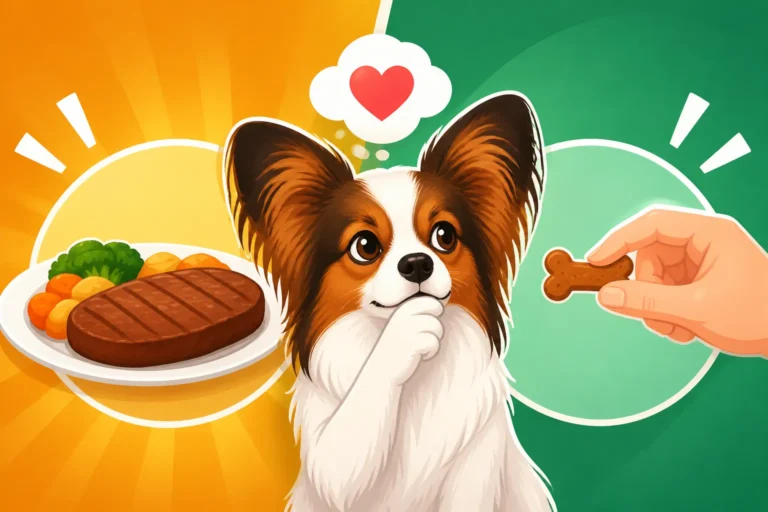
Talk to them, even if their hearing isn't what it used to be. The tone of your voice conveys love and reassurance. Continue to offer their favorite treats (in moderation, of course) and engage them in any activities they still enjoy, even if they're modified. Showing them that they are still a cherished and integral part of the family, despite their age-related changes, is the greatest gift you can give your senior Papillon. They have given you so many years of joy, and now is the time to return that unconditional love and support.
Disclaimer
This article is for general informational purposes only and does not constitute professional advice. Laws, prices and regulations vary by location and change over time. Consult a qualified professional for guidance on your specific situation.